


What a Commercial Landscape Maintenance Contract Needs
A tidy property can hide a messy agreement when nobody knows whether irrigation repairs, palm trimming, or storm cleanup are included. Your landscape maintenance contract should make those responsibilities clear before the first crew arrives.
For a rental property, business site, or HOA common area, a written scope helps you compare bids and avoid unexpected charges. It also gives the contractor a clear standard for completing the work.
Start with the property itself, then define the services, costs, and responsibilities that belong in the agreement.
Key Takeaways
- Specify maintained areas, individual tasks, seasonal schedules, and exclusions rather than relying on "full-service maintenance."
- Separate routine care from repairs, replacements, construction, and emergency cleanup, with written approval for additional charges.
- Document insurance, damage reporting, payment, and termination terms, then review the property-specific agreement with a qualified legal professional.
Define Your Landscape Maintenance Contract's Scope
Identify the property and maintained areas
Include the legal names of both parties, the service address, billing information, and authorized contacts. Attach a marked site map showing lawns, planting beds, entrances, parking islands, sidewalks, and excluded areas.
For shared properties, distinguish common areas from individually maintained yards. Otherwise, crews may service areas outside the quoted scope or miss spaces the owner expected them to maintain.
Record lawn area, bed dimensions, plant types, and tall palms needing specialized equipment. These details help explain differences in pricing and labor.
Record existing conditions and access rules
Walk the site together before service begins. Photograph cracked concrete, damaged irrigation heads, drainage trouble, declining plants, and loose pavers.
Also document gates, access codes, parking, equipment storage restrictions, and approved working hours. Keep access credentials secure and identify who updates them.
Include relevant HOA rules and areas that crews must protect, such as pool equipment or outdoor lighting. A baseline condition record helps distinguish existing problems from later damage and gives the contractor realistic access expectations.
Set Task-Specific Service Schedules
Describe routine work precisely
List mowing, edging, blowing, bed weeding, hedge trimming, and debris removal individually. State whether crews collect clippings and haul away waste or leave approved material on site.
For pruning, identify the plants, frequency, and expected method. Light shrub trimming differs from tall-palm work or removal of hazardous tree limbs.
Define observable completion standards, including clean walkways, finished edges, and cleared entrances. When comparing landscape maintenance proposals, matching these details matters more than comparing monthly totals alone.
Match frequency to seasonal growth
Specify visit frequency during wetter and drier months rather than promising service "as needed." Southwest Florida's summer heat and rain can increase mowing and weed-control demands.
Give seasonal tasks their own schedule, including mulch refreshes, fertilization, and major pruning. If an entrance needs preparation before an HOA inspection or event, identify how the owner requests that work.
Finally, explain missed visits. The agreement should distinguish weather delays, blocked access, and contractor scheduling failures, then state whether each situation calls for rescheduling, a credit, or another agreed remedy.
Clarify Irrigation, Chemical, and Equipment Responsibilities
Separate irrigation inspections from repairs
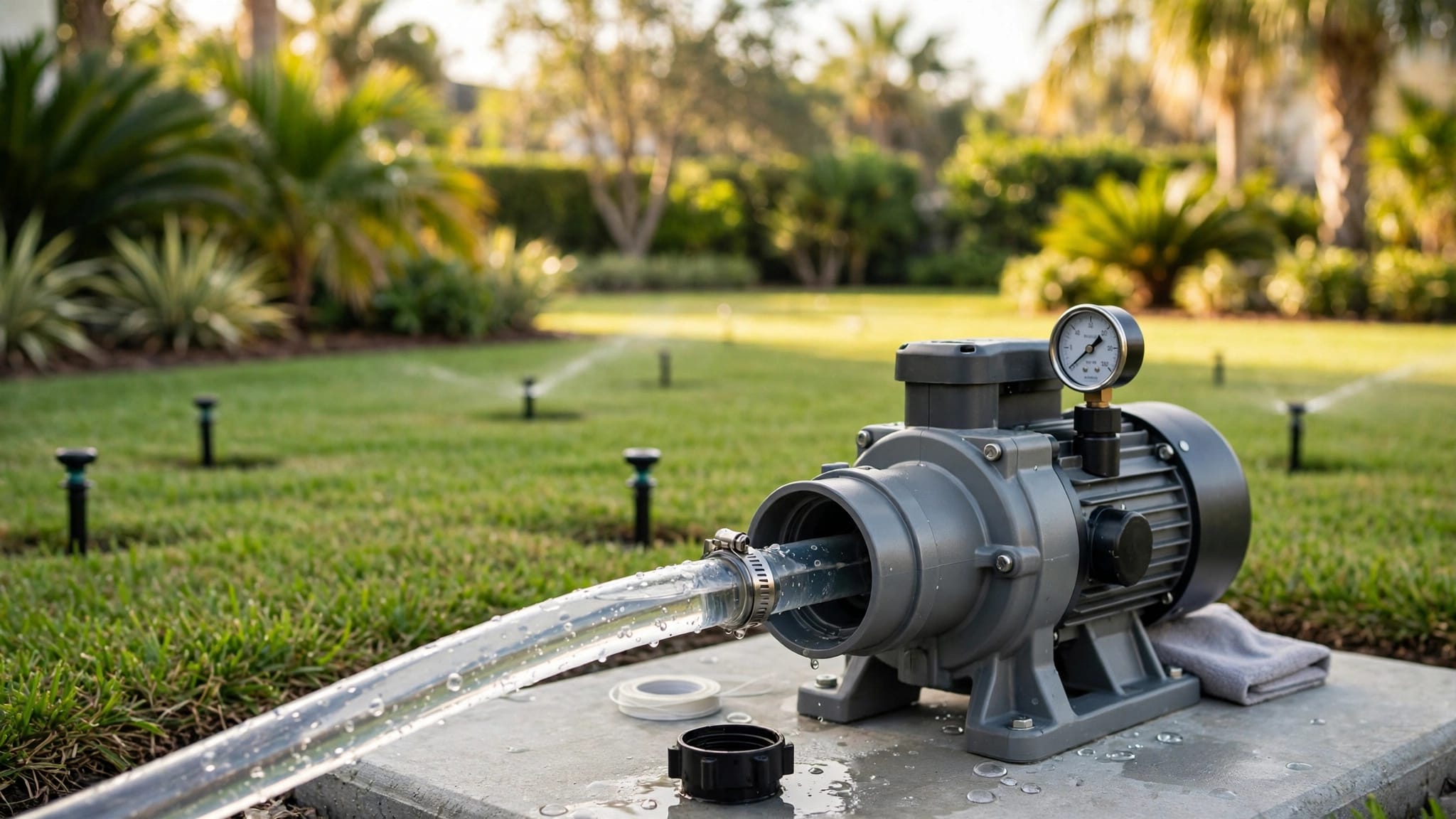
State whether routine service includes running zones, inspecting sprinkler heads, adjusting spray patterns, or reviewing controller settings. Identify who may change watering schedules and who keeps the owner informed.
An inspection doesn't automatically include replacing valves, repairing buried pipe, or troubleshooting wiring. Specify which adjustments fall within the monthly fee and which require a separate estimate.
A commercial irrigation audit checklist helps define inspection points. Also assign responsibility for promptly reporting leaks, dry areas, overspray, and water pooling.
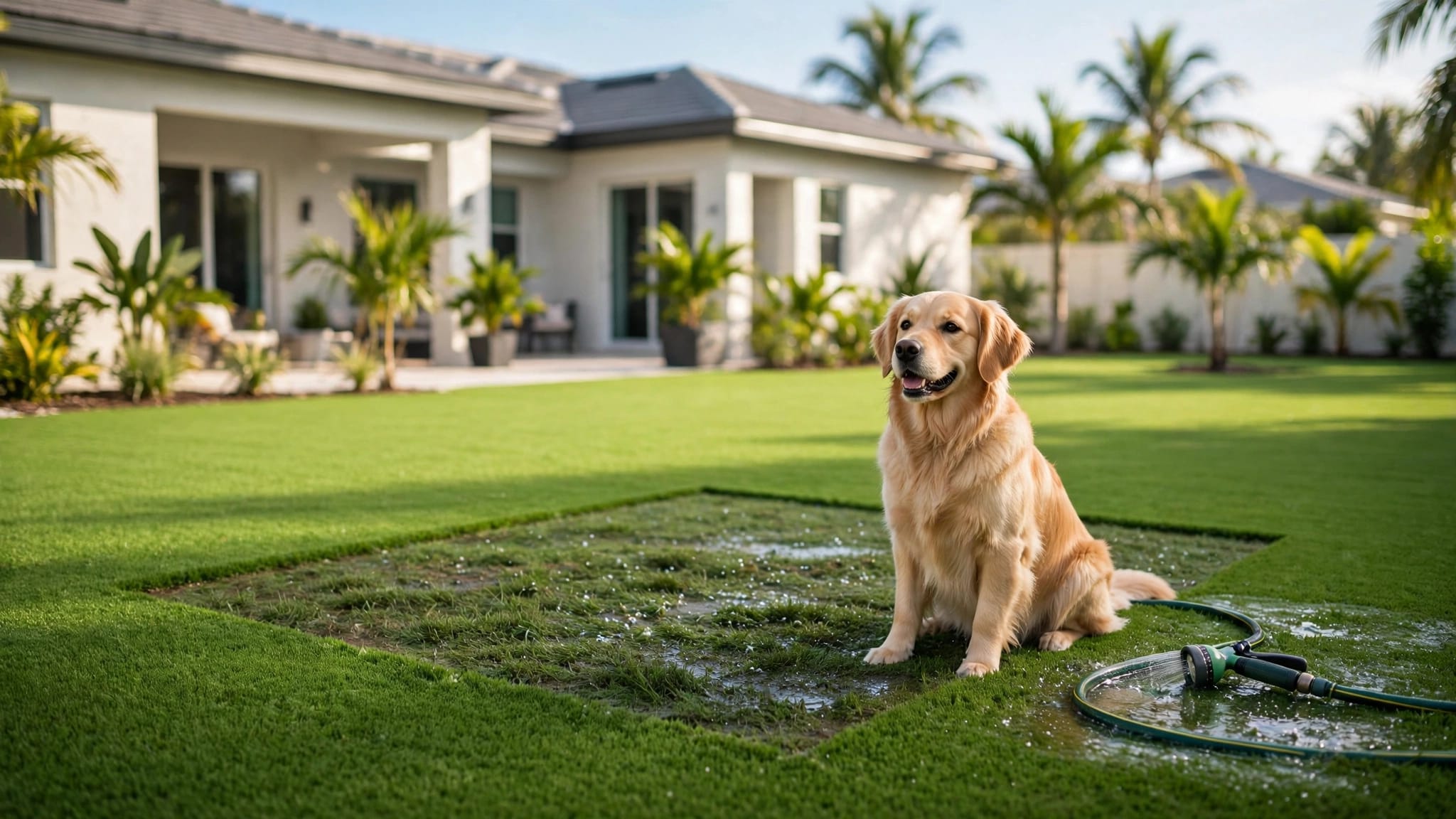
For artificial turf, distinguish surface care from irrigation serving nearby plants. Reduced watering needs in the turf area don't eliminate the needs of surrounding beds.
Specify treatment and equipment safeguards
Identify whether fertilizer, herbicide, and pest treatments are included. Require appropriate applicator credentials where applicable, compliance with product labels, and adherence to applicable local restrictions.
State who approves treatments, what application records the contractor supplies, and how occupants receive any required safety information. Product labels should govern re-entry precautions.
Equipment rules should address noise restrictions, protection of vehicles and windows, and safe operation around pedestrians. Also specify barriers or temporary access controls when work affects entrances.
For paver cleaning, identify approved methods and who protects joint sand, sealers, adjacent plants, and drainage openings. Aggressive washing or unsuitable chemicals can create repair needs beyond ordinary cleaning.
Plan for Weather Delays and Emergency Work
Southwest Florida agreements need realistic weather provisions. Explain when saturated ground, lightning, heavy rain, or unsafe conditions justify postponing service, and how the contractor communicates a revised schedule.
The Atlantic hurricane season runs from June 1 through November 30. Define any included storm preparation, such as clearing ordinary debris or checking accessible drainage openings.
A recurring maintenance fee should distinguish everyday leaf and branch removal from large-scale storm cleanup requiring extra crews, hauling, or specialized equipment.
For emergencies, list the contact method, response expectations, and spending authority. Avoid treating a response commitment as a guarantee that crews can enter unsafe or inaccessible areas.
Also define who may authorize immediate work to protect access or limit damage. The contractor should document the condition, actions taken, and charges afterward. Without that process, urgent work can turn into a billing disagreement.
Define Pricing, Payment, and Extra-Work Approval
Make the recurring price transparent
State the monthly or annual fee, billing dates, payment deadline, and included materials. Clarify whether disposal, fertilizer, mulch, taxes, or other charges sit outside the base price.
Outdoor Life Pros' 2026 commercial landscaping cost guidance gives a broad maintenance estimate of $800 to $1,600 per acre monthly. That's planning guidance, not a guaranteed quote; site conditions and service scope determine actual pricing.
Explain late fees, price adjustments, and invoice-dispute procedures. If equal monthly payments spread seasonal work across the year, say so. This prevents confusion when visit counts change but the invoice doesn't.
Require approval before additional work
Identify the person authorized to approve extras and require written agreement on scope, price, and timing before work starts. Include allowances and unit rates only when their application is clear.
Keep replacement plants, major tree work, drainage improvements, and hardscape construction separate from recurring care. Structural repairs may need a qualified concrete company rather than the maintenance crew.
When multiple trades share a project, assign responsibility for irrigation relocation, surface protection, and cleanup. Trenching after paving can disturb completed work.
For separately approved installations, include warranty terms, care responsibilities, and a final inspection process. Keep signed changes with the original agreement so invoices match authorized work.
Address Insurance, Damage, and Quality Reporting
Verify coverage and responsibility
Identify the insurance coverage appropriate to the work, such as general liability, commercial auto, and workers' compensation where applicable. Discuss suitable limits with your legal professional and insurance adviser.
Request current evidence of coverage and clarify subcontractor responsibilities. If the agreement calls for additional-insured status, confirm the required endorsement rather than relying only on a certificate.
The contract should also address responsibility for injury, property damage, and subcontracted work. Have a qualified legal professional review indemnity or liability provisions because their wording can shift substantial risk.
Establish a reporting and correction process
Require prompt notification of damaged sprinkler heads, broken lighting, vehicle damage, and other incidents. Reports should include the location, date, photographs, and proposed next steps.
For community properties, a landscape inspection checklist can support consistent observations of drainage, irrigation, sidewalks, and planting areas.
Separate contractor-caused damage from pre-existing defects, weather damage, and plant decline with other causes. Define who investigates and authorizes repairs.
Also identify the service contact and correction process for incomplete work. Written deadlines and a follow-up inspection give both sides a shared record of whether the issue was resolved.
Include Renewal, Termination, and Handover Terms
State the start date, initial term, renewal process, and notice requirements. If renewal is automatic, make the deadline and procedure for declining renewal easy to find.
Describe termination for repeated service failures, nonpayment, or other breaches. Specify any opportunity to correct the problem before termination takes effect. If either party may end the agreement without cause, define the notice period and any agreed charges.
Explain how the parties settle final invoices, unused prepaid amounts, and approved work in progress. Review payment terms before withholding or disputing payment.
For handover, require the return of keys and access devices, plus relevant irrigation settings, treatment records, and unresolved maintenance reports.
These terms need to fit your property and business relationship. Have a qualified legal professional review the agreement before signing. This checklist is practical guidance, not legal advice.
Frequently Asked Questions
Does maintenance include replacing dead plants?
Only when the agreement says so. Define whether replacement plants, removal, delivery, and installation are included or separately priced.
Also explain how the parties assess the cause of plant failure. Irrigation problems, drainage, pests, installation issues, and missed care can involve different responsibilities. If an existing installation warranty applies, coordinate the maintenance terms with its watering requirements and reporting deadlines rather than assuming all plant losses receive the same coverage.
Should every task happen at every visit?
The schedule should assign a frequency to each task. Mowing and walkway cleanup may happen more often than fertilization, mulch replacement, or specialized palm pruning.
Ask for service records that show completed work, observed problems, and recommended follow-up. Task-specific reporting gives you a clearer picture than a general message saying the crew visited.
Sign an Agreement That Matches the Property
A useful landscape maintenance contract makes responsibilities measurable : who maintains each area, when work happens, and how additional costs receive approval. Those details turn a tidy-looking proposal into a practical service agreement.
Review the scope during an on-site walkthrough, resolve unclear promises in writing, and obtain qualified legal review. Clear expectations give you and the contractor a fair basis for maintaining the property.