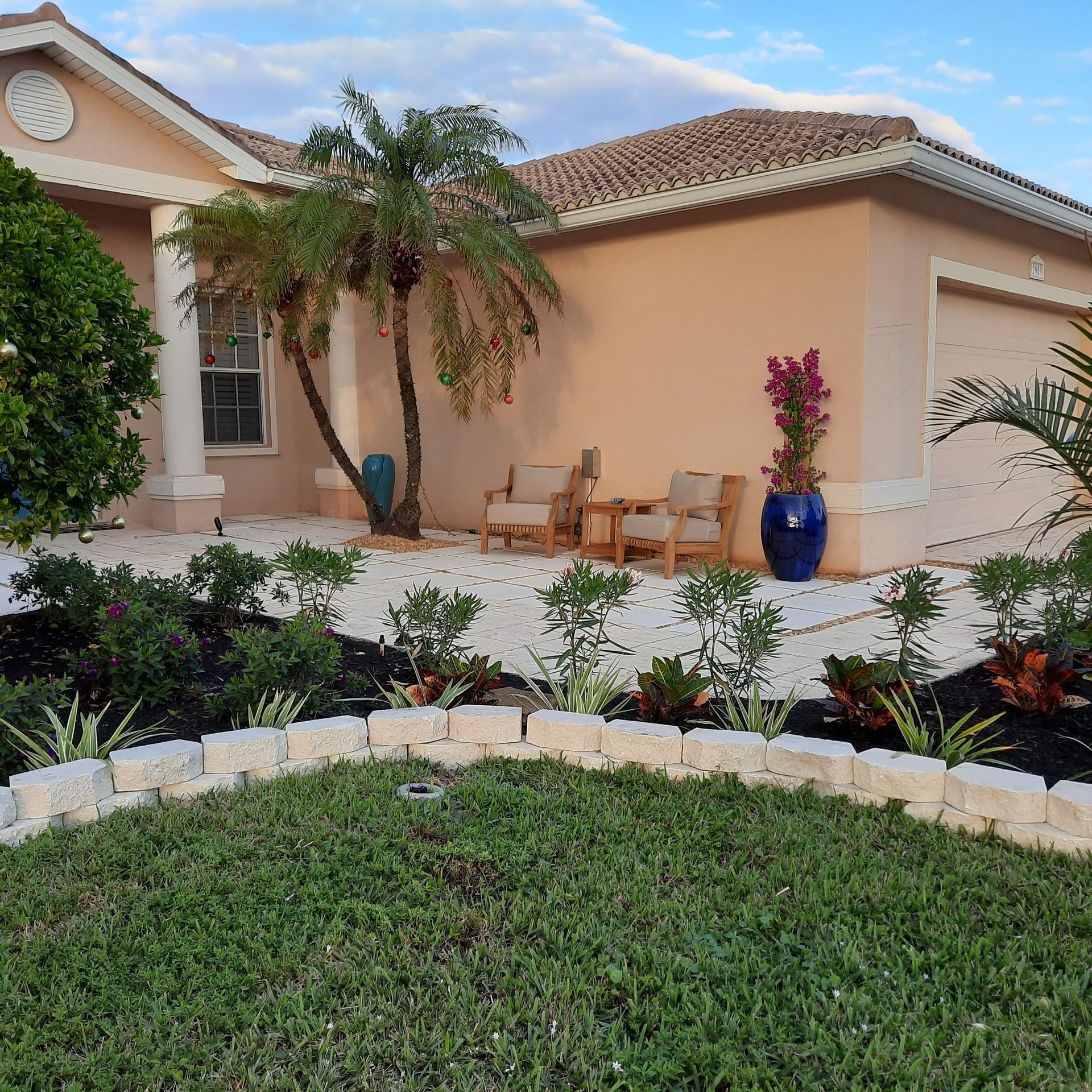



Commercial Landscaping Cost in Southwest Florida, 2026
A clean property exterior affects tenant confidence before anyone walks through the door. For 2026, commercial landscaping cost in Southwest Florida depends less on a city's name and more on the acreage, service scope, drainage, plant material, access, and appearance standards at your site.
Fort Myers, Cape Coral, Naples, Estero, Bonita Springs, and nearby markets share heat, rain, sandy soils, and long growing seasons. Still, a medical office with detailed entry beds won't price like a fenced industrial yard of the same size.
Use these ranges to build a working budget, then request site-specific bids that match your property and expectations.
How Commercial Landscaping Cost Is Calculated in Southwest Florida
Most recurring contracts combine turf care, bed maintenance, edging, pruning, debris removal, and basic site cleanup. However, irrigation repairs, major tree pruning, storm debris, mulch replacement, plant replacements, and enhancement work often sit outside the base agreement.
For larger properties, an acre-based monthly allowance offers a useful starting point. Full-service commercial maintenance in Southwest Florida often falls around $800 to $1,600 per acre per month .
That range assumes regular mowing, edging, blowing, shrub trimming, weed control, and routine cleanup on a site with normal access. A property with dense planting islands, several entrances, ponds, courtyards, or heavy pedestrian traffic will need more crew hours.
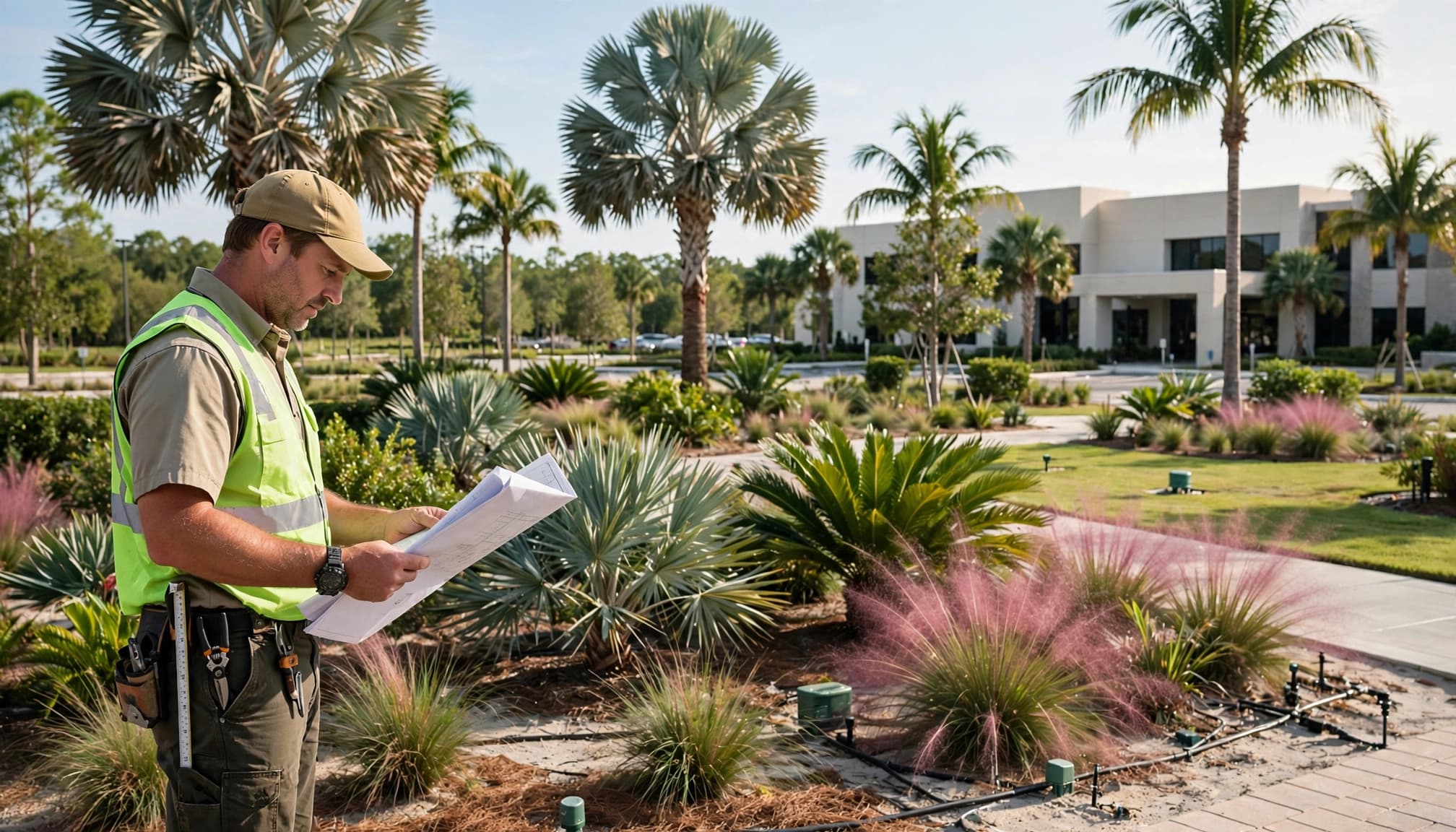
Why Southwest Florida budgets run higher
Year-round plant growth means crews mow, edge, prune, and remove debris more often than they would in northern markets. In addition, coastal conditions can shorten the life of plants, irrigation components, lighting fixtures, and metal edging.
Naples waterfront sites, Cape Coral canal properties, and exposed commercial corners may face salt spray and stronger wind. Those conditions affect plant selection and replacement allowances.
A maintenance proposal that looks low may exclude the services that create the most noticeable cost swings, including irrigation repairs, mulch refreshes, tree work, and post-storm cleanup.
Recurring Commercial Maintenance by Property Size
A small commercial property may cost less annually than a large campus, but it rarely follows a simple per-acre formula. Mobilization, minimum crew time, gates, parking restrictions, and detail work create a price floor.
The ranges below assume weekly or near-weekly growing-season service, ordinary access, and standard turf and bed care. They do not include major enhancements or storm recovery.
| Property size or scope | 2026 planning range | Typical assumptions |
|---|---|---|
| Small site under 1 acre | $2,000 to $8,000 yearly | Limited turf, modest beds, basic weekly care |
| Site between 1 and 5 acres | $8,000 to $30,000 yearly | Turf, shrubs, parking islands, periodic detail work |
| Large office or retail property | $1,500 to $8,000 monthly | Multiple beds, visible frontage, litter and detail needs |
| Large HOA or multifamily common areas | $2,500 to $12,000+ monthly | Entrances, amenities, sidewalks, ponds, and common turf |
The lower end fits open, uncomplicated sites with fewer planting beds. The upper end fits high-visibility properties that need consistent detail and frequent attention.
Frequency changes the annual number
Weekly mowing and cleanup usually make sense during active growth and rainy months. Some properties can shift to a lighter schedule in drier periods, while retail centers and medical properties often need steady presentation all year.
A biweekly schedule may lower the monthly figure, but it can also allow turf edges, weeds, palm litter, and entry beds to look neglected. Compare service frequency before comparing contract totals.
Keep add-on labor visible
For work outside the routine scope, a reasonable planning allowance is $40 to $80 per worker per hour . This range assumes trained crew labor, equipment, insurance, travel, and cleanup.
Use this allowance for hand weeding, detail pruning, bed repairs, irrigation troubleshooting, and small cleanup requests. It helps prevent surprise invoices when a manager asks for work that isn't in the contract.
Property Type Matters More Than the Sign Out Front
Two properties with the same acreage can require very different maintenance budgets. The visible areas, amount of hardscape, and customer traffic drive labor as much as the lawn itself.
Office parks and medical properties
Office parks commonly budget $800 to $6,000 per month . The range assumes a property with maintained turf, foundations beds, parking islands, walkways, and a presentable main entrance.
Medical offices often sit toward the upper portion of that range. Patients and visitors use the entry all day, so clean walkways, trimmed shrubs, working irrigation, and litter-free beds matter.
Retail centers, multifamily sites, and industrial yards
Retail centers often budget $1,500 to $8,000 monthly because entrances, storefront visibility, parking-lot islands, and litter pickup need frequent service. A busy plaza may require more visits than its acreage suggests.
Multifamily communities can range from $2,500 to $12,000 or more per month . Pools, dog areas, sidewalks, amenity spaces, community entrances, and resident expectations add labor.
Industrial sites often land around $500 to $3,500 monthly when turf and planting beds are limited. Yet a warehouse with truck traffic, drainage swales, and large perimeter areas can still require regular attention.
One-Time Landscape Installation and Renovation Costs
A renovation budget should stay separate from recurring maintenance. Installation includes materials, demolition, delivery, equipment, grading, plant installation, irrigation changes, and final cleanup.
For a modest commercial refresh, many projects start in the low thousands. A more extensive renovation with new plant beds, palms, drainage adjustments, sod, hardscape, and irrigation can reach the low tens of thousands or beyond.
A broad 2026 planning range for commercial landscape renovation is $4,500 to $22,000 . This assumes a defined work area with accessible equipment routes and standard materials. Large sites, mature palms, specialty stone, custom walls, or major drainage work can exceed it.
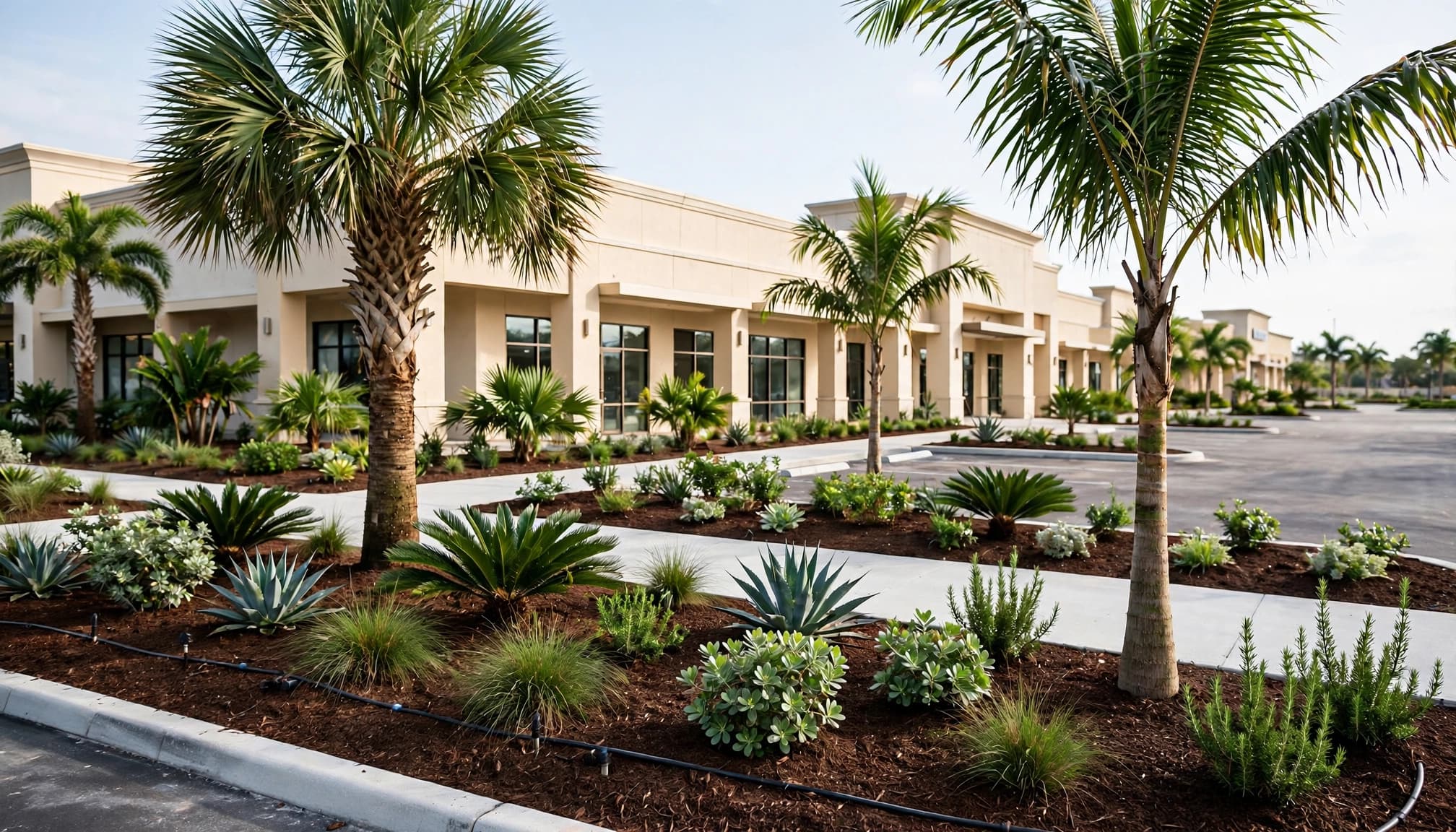
Start with drainage and grade
Planting into a low area without correcting runoff usually creates repeat expenses. Water can wash mulch into parking lots, expose roots, stain concrete, and weaken paver bases.
Southwest Florida sites often need a drainage-first plan. That may include regrading, swales, catch basins, channel drains, or French drains with a proper outlet. A pipe without a workable discharge point simply holds water.
Plant selection affects replacement costs
Native and site-appropriate plants often need fewer replacements than delicate material chosen only for its appearance. Salt exposure, reflected heat from pavement, wind, irrigation coverage, and shade all matter.
Ask for plant sizes and quantities in the proposal. A price based on one-gallon shrubs will differ greatly from a plan using larger container material, mature palms, or hedges installed for immediate screening. A detailed landscape design and installation plan helps define those choices before work begins.
Irrigation and Drainage Need Their Own Allowance
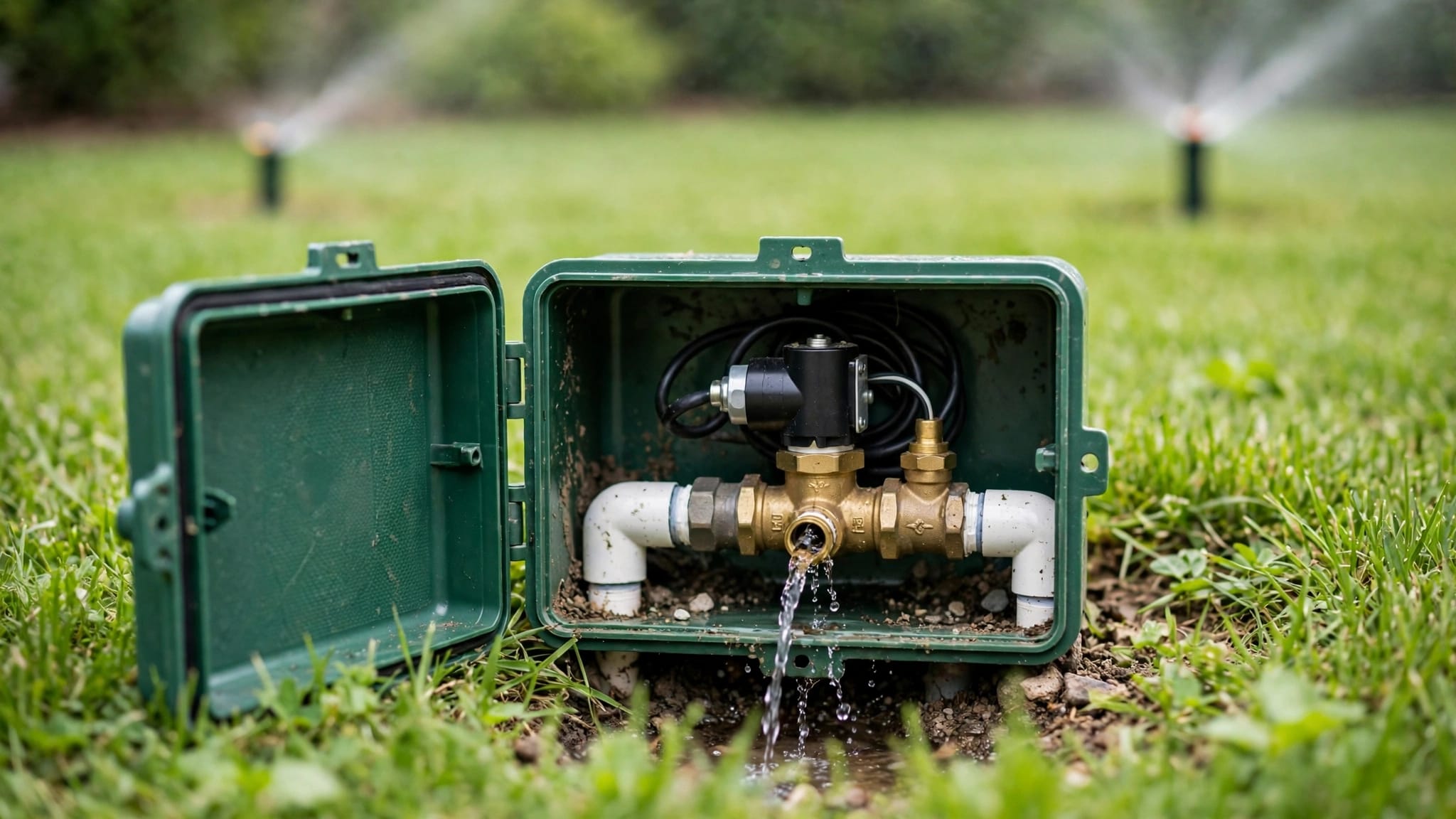
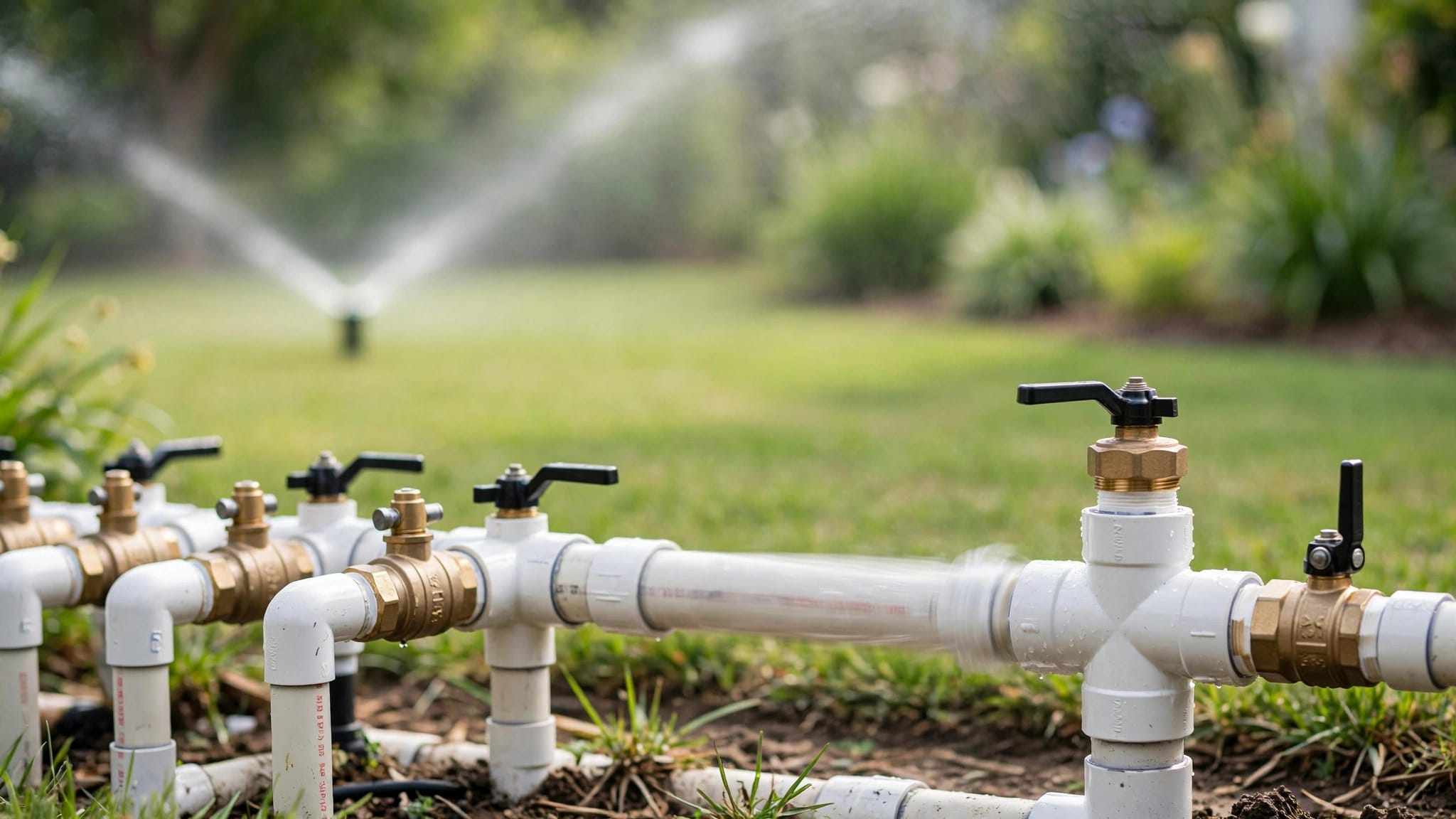
Irrigation is often the hidden reason a property looks stressed. A broken head, failing valve, poor coverage pattern, or damaged lateral line can leave one area soggy and another dry.
A basic commercial irrigation installation may fall around $3,000 to $10,000 . This range assumes a smaller, accessible site with standard zones and no major utility conflicts. Complex systems with multiple controllers, drip zones, long trench runs, pumps, or drainage coordination cost more.
Repair work depends on access and diagnosis
A quick nozzle or sprinkler-head repair costs far less than locating a buried line break. The number of zones, depth of pipe, pavement crossings, root growth, and access through planted beds determine the final scope.
Before planting new sod or shrubs, test the system zone by zone. Check for misting, overspray onto walls, heads buried by soil, weak pressure, and runoff that crosses hardscape.
Drainage protects surface work
Water that pools near concrete, drive lanes, patios, or pavers can move sand and create settlement. A concrete company may need to coordinate with the landscape contractor when drainage crosses slabs, driveway edges, curbs, or walkways.
For commercial sites, request a plan that identifies drainage paths before any new turf, plant material, pavers, or concrete goes in. Fixing a settled surface after installation costs more than correcting the base and runoff route first.
Trees, Mulch, and Seasonal Color Are Separate Budget Lines
A polished site often needs work beyond mowing and shrubs. These services can make an entrance look cared for, but each one has a different schedule and material cost.
Tree and palm work
Commercial tree and shrub care can run $2,000 to $5,000 as an annual planning allowance for moderate sites. This estimate assumes routine pruning and cleanup, not hazardous removals, crane access, utility conflicts, or extensive palm trimming.
Tree work rises when branches hang over parking areas, roofs, sidewalks, signs, or power lines. Large canopy trees also generate more debris after summer storms.
Mulch and seasonal color
A mulch refresh commonly follows heavy rains because washed-out beds look thin fast. Material type, bed size, delivery access, edging, weed removal, and haul-off all affect the proposal.
Seasonal flowers create strong curb appeal at entrance signs, leasing offices, and medical properties. However, they need more frequent replacement and irrigation than shrubs. Budget them as an enhancement, not as a small add-on to routine mowing.
For a simpler improvement, fresh mulch and targeted replacement plants often create more visual impact than replacing every bed at once.
Hurricane Preparation and Storm Cleanup Costs
Routine maintenance may include ordinary leaf and branch pickup. Large storm cleanup should appear as a separate line item in your annual plan.
Florida's hurricane season runs from June 1 through November 30. During that period, crews may face downed limbs, washed-out mulch, damaged irrigation, fallen palms, blocked drains, and debris that needs hauling.
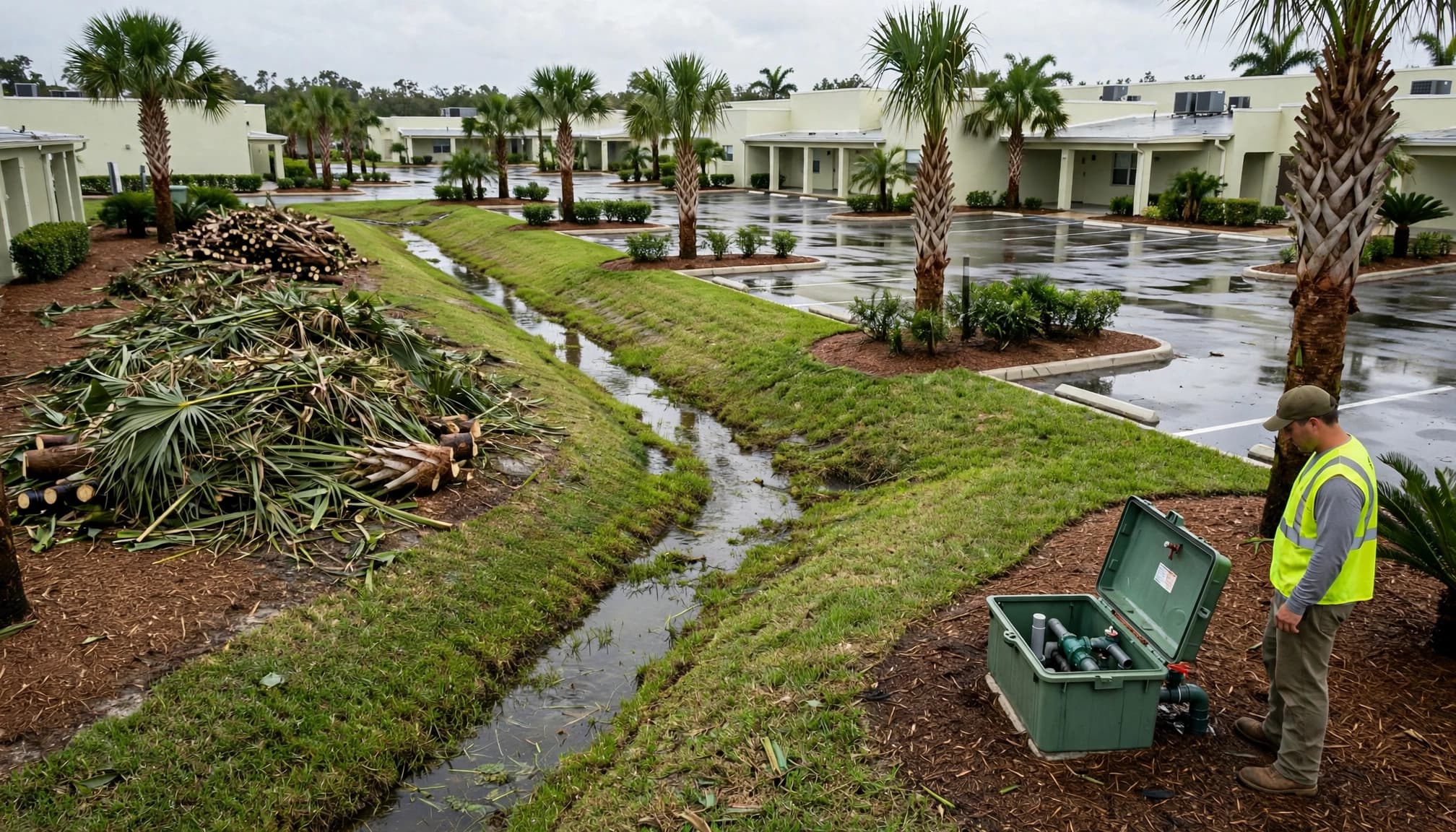
What to include before a storm arrives
Ask whether your contractor offers priority cleanup, site inspections, debris hauling, palm-frond removal, irrigation checks, and emergency access. The agreement should explain how the contractor bills these services.
A seasonal cleanup allowance of $1,200 to $2,500 can fit a moderate commercial site with normal debris and access. This range does not cover hurricane-scale damage, large tree removal, utility hazards, or extensive equipment use.
Protect drainage outlets and bed edges
Before summer rains, clear catch basins, pop-up emitters, swales, and visible drainage exits. Mulch piles, leaf litter, and sand can block flow after a single heavy storm.
Also inspect bed edging and paver borders. Water that escapes a bed can carry mulch across walkways and create a slipping hazard.
Pavers, Concrete, and Artificial Turf as Capital Projects
Hardscape improves access and appearance, yet it needs a separate capital budget. Commercial walkways, patios, entry pads, and driveway repairs often involve excavation, base preparation, drainage, edge restraint, and restoration.
A broad commercial paver or walkway allowance is $5,000 to $20,000 . That range assumes a small-to-medium accessible installation with standard pavers and base work. Custom patterns, tight access, demolition, drainage repairs, and larger square footage move costs higher.
For durable entry pads, sidewalks, curbs, or repairs, work with a Cape Coral concrete contractor that can coordinate the grade with nearby planting and drainage.
Maintenance comes after structural repairs
Paver cleaning can remove algae, grime, and old residue. However, paver cleaning won't correct a sunken base, loose edge, cracked concrete, or pooling water.
Repair settling and drainage problems first. Then schedule cleaning, joint-sand replacement, and sealing where appropriate. Commercial managers can also review options for paver installation and repair when a surface needs more than cleaning.
Artificial grass has a narrow commercial role
Artificial grass can work in small, heavily used strips, shaded courtyards, dog runs, and spaces where irrigation repeatedly fails. Some proposal requests use the misspelled term "artifical turf," but the scope should still identify base depth, drainage, edging, infill, removal, and disposal.
Don't compare artificial grass only by square-foot price. In Southwest Florida, proper compaction and drainage matter because trapped water and shifting sand can damage the surface.
Build a Bid Package That Produces Comparable Quotes
A vague request produces vague pricing. Give every bidder the same property information, service standards, and exclusions.
Include a site map, approximate acreage, turf areas, bed locations, irrigation zones, tree inventory, service frequency, access limits, and seasonal priorities. Photos help, but a site walk is still important because photos don't reveal drainage slope, soil movement, or equipment access.
Questions that reveal missing scope
Use these questions when reviewing a commercial landscaping cost proposal:
- Does the monthly price include mowing, edging, bed weeding, shrub trimming, debris removal, and litter pickup?
- Which services are billed separately, including mulch, plant replacements, irrigation repairs, fertilizer, tree work, and storm cleanup?
- How often will crews visit during rainy months and the drier season?
- Does the irrigation scope include troubleshooting, parts, controller programming, or only visible repairs?
- Who handles drainage issues when runoff damages beds, turf, pavers, or concrete?
- Are disposal, delivery, permits, plant warranties, and after-hours access included?
A strong proposal lists quantities, materials, visit frequency, and exclusions in plain language. It also separates monthly maintenance from improvements, so your operating budget doesn't hide capital work.
For an annual reference point, compare the quote with 2026 Southwest Florida maintenance costs, then adjust for your site's real conditions.
Final Budget Takeaway
A useful 2026 landscaping budget separates routine care from repairs, renovations, irrigation, tree work, storm recovery, and hardscape improvements. That structure makes it easier to track spending and avoid approving a low monthly contract that leaves major needs uncovered.
The most reliable commercial landscaping cost estimate starts with a property walk, a written scope, and a clear list of exclusions. In Southwest Florida, drainage, irrigation, access, plant selection, and storm exposure deserve as much attention as mowing and curb appeal.