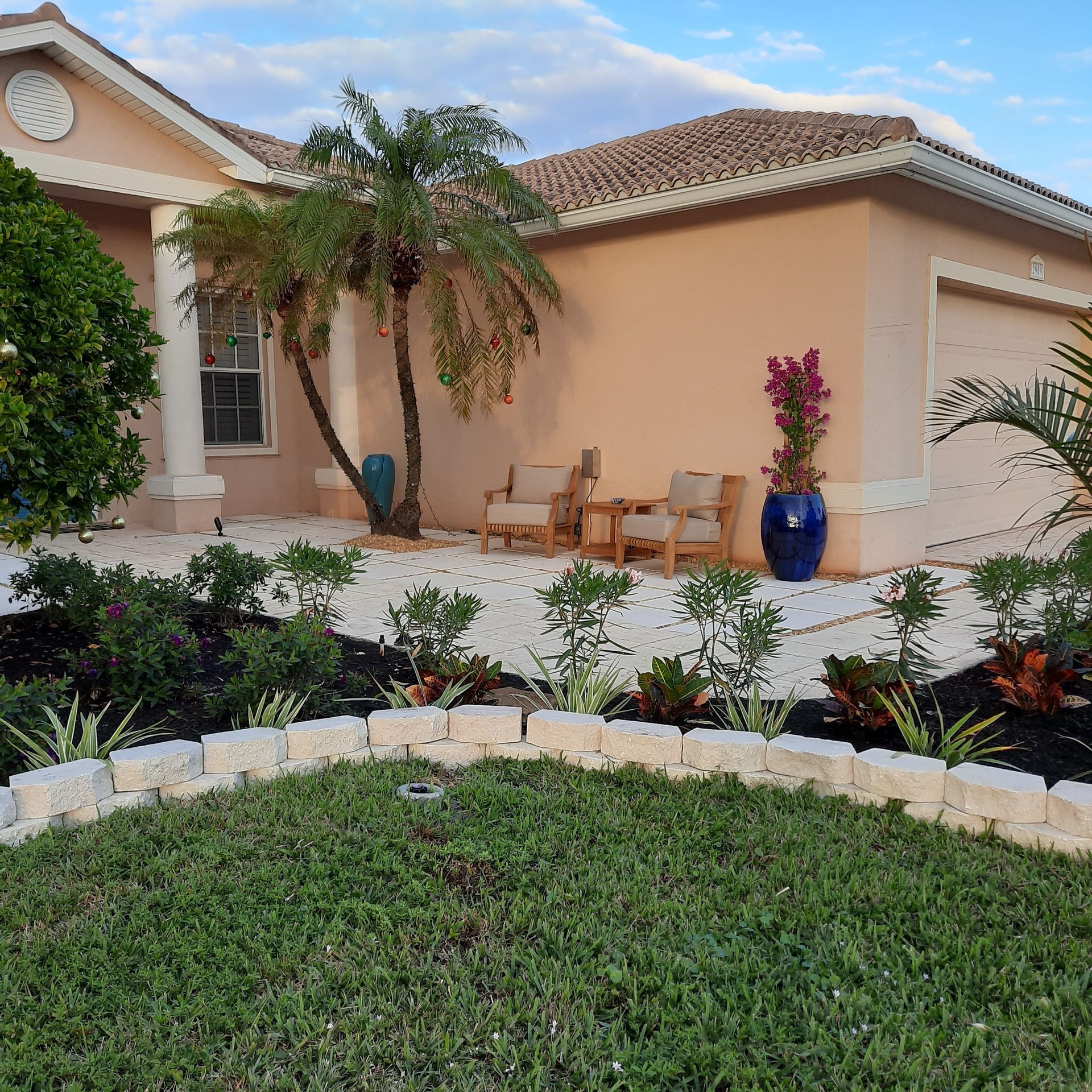



How Often to Mow St. Augustine Grass in Southwest Florida
Mow St. Augustine grass as often as its growth requires, with more frequent cuts during warm, rainy weather and fewer during cooler winter periods. The grass itself is a better guide than a fixed calendar.
A good schedule helps you avoid removing too much leaf at once. It also keeps your lawn neater without cutting it unnecessarily when growth slows. Here's how to decide when your Southwest Florida lawn needs its next cut.
How Southwest Florida Seasons Affect Mowing
St. Augustine grass can grow through much of the year in Southwest Florida, but its pace changes with temperature, rainfall, and soil moisture. A schedule that works in summer may leave you mowing more than necessary in winter.
Warm, rainy weather
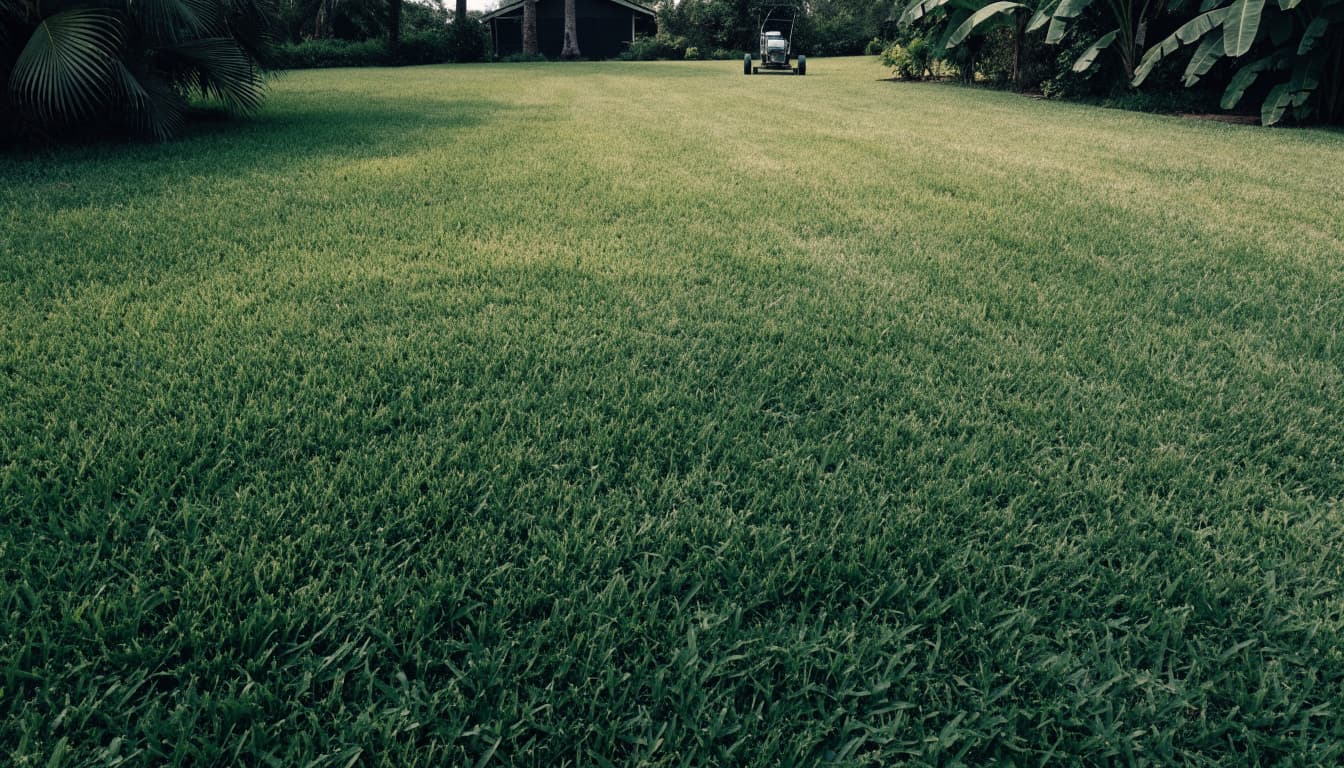
Heat and regular rain can produce fast growth in lawns across Fort Myers, Cape Coral, Estero, and Bonita Springs. During an active growth period, look at the lawn more often and be ready to mow sooner.
Rain doesn't make every day suitable for mowing, though. Let wet grass and the soil surface dry before taking equipment across the yard. If storms delay a cut, raise the mower deck for the first pass rather than trying to remove all the extra growth at once.
Cooler, drier periods
Growth usually slows during winter, even if your lawn stays green. You can leave more time between cuts when the grass isn't gaining much height.
Dry weather also affects growth. If the lawn looks wilted or brittle, give it time to recover rather than mowing simply because it's on your schedule. Watch sunny areas in particular, since they can dry faster than shaded parts of the yard.
Use Grass Height to Decide When to Mow
The one-third rule gives you a practical way to time each cut: remove no more than one-third of the grass blade in a single mowing. This leaves enough leaf surface for the lawn to recover.
Measure before you start
Choose a target height appropriate for your St. Augustine variety. Then measure the grass in several spots, including areas that grow faster or receive more shade. The target is the height you want after mowing, not the height at which you begin.
As the lawn approaches the point where a cut to your target would remove one-third of the blade, it's time to mow. You can also cut a little sooner for a tidier appearance and fewer heavy clippings.
Bring an overgrown lawn back gradually
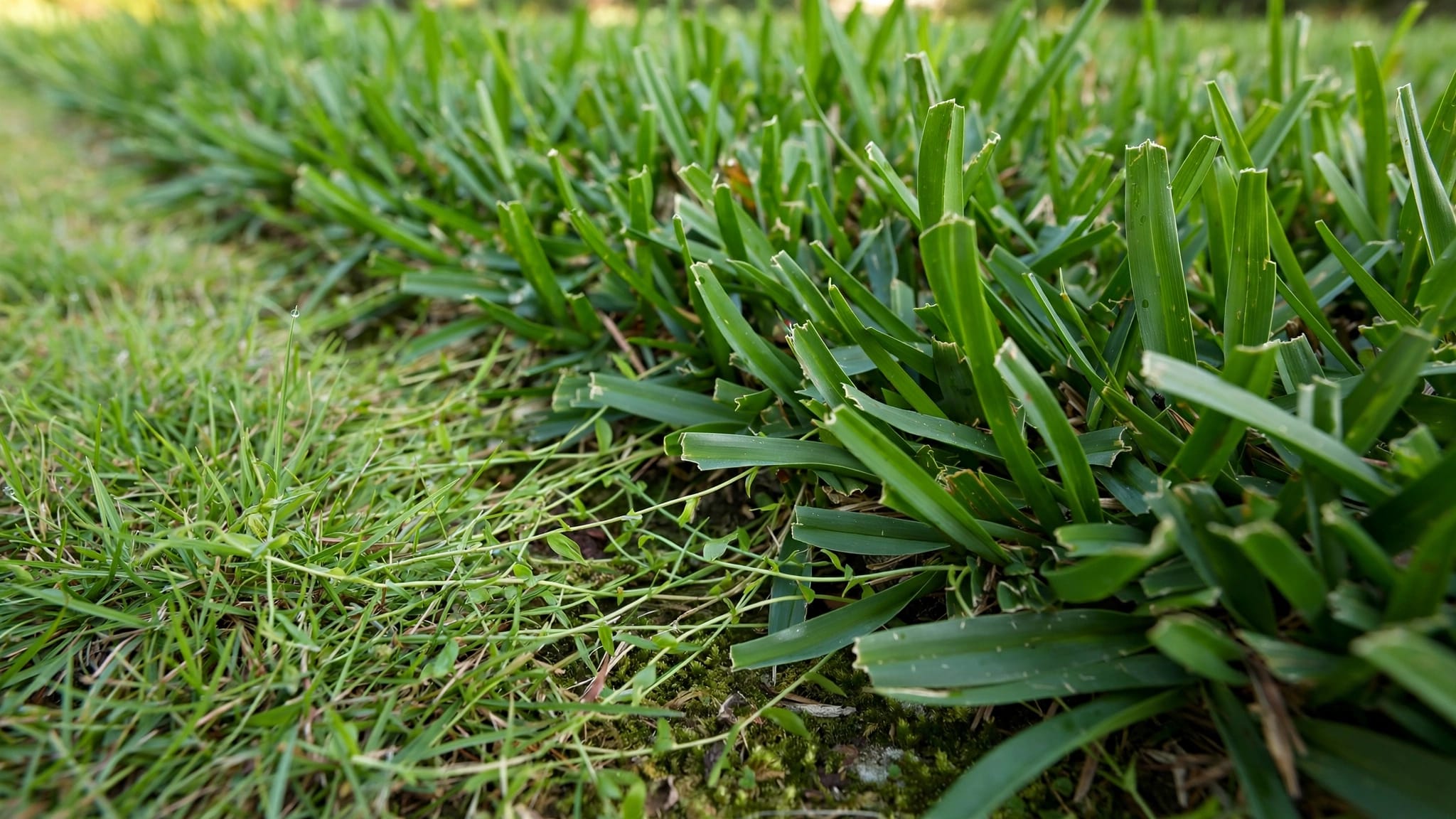
A missed cut or a stretch of rain can leave grass taller than planned. Resist the urge to lower the mower and take it all off in one pass. Cutting into the lower stems can leave the lawn pale and stressed.
Instead, make the first cut with the deck raised. Let the grass recover, then lower the deck gradually over later cuts until you reach its usual height.
Choose a Mowing Height That Fits Your Lawn
Standard St. Augustine cultivars, including Floratam and BitterBlue, generally need a taller cut than dwarf types. A taller setting leaves more leaf area and helps shade the soil during hot weather.
Your lawn's variety and growing conditions both matter. Our guide to St. Augustine mowing height in Cape Coral covers the differences between standard and dwarf grass.
The mower's deck setting doesn't always match the finished grass height exactly. Make a short test pass in an out-of-the-way area, then measure the cut grass before mowing the rest of the yard.
Uneven ground deserves attention, too. A mower can cut too low over a raised spot even when the deck is set correctly elsewhere. Slow down around slopes and bumps, and avoid shaving exposed runners.
Mow When Conditions Support a Clean Cut
Grass height tells you when a cut is due. Weather and lawn condition tell you whether it's a good day to do it.
Wait for wet grass to dry
Wet blades can bend under the mower instead of standing upright, leaving an uneven finish. Wet clippings also tend to clump, and mower traffic on saturated soil can leave ruts or compact the ground.
Wait until the leaf blades and soil surface have dried. After mowing, spread or remove thick clumps that could block sunlight. Light, dry clippings can stay on the lawn.
Give stressed grass a break
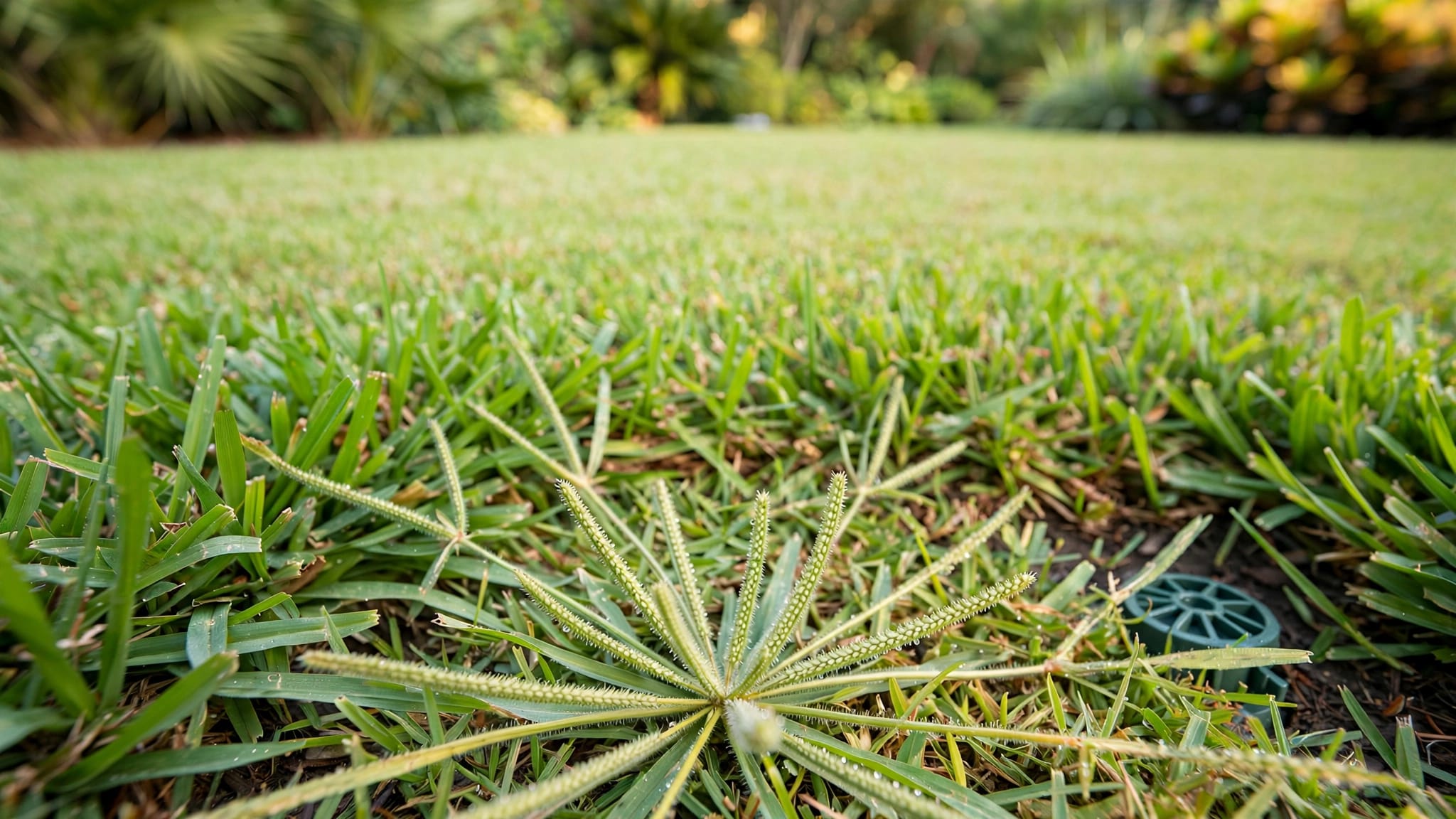
Drought, heavy rain, pests, and disease can all weaken St. Augustine grass. If the lawn is wilted or has damaged patches, avoid an aggressive cut and limit mower turns over weak areas.
Brown spots don't always mean the lawn needs fertilizer. Irrigation problems and lawn pests can also cause discoloration. Our guide to when to fertilize St. Augustine grass explains why timing and the cause of the problem matter.
Plan Mowing Alongside Other Yard Care
A lawn's mowing needs are only one part of a landscaping plan. Sprinkler coverage, drainage, and shade can affect how well grass grows and how evenly it recovers after a cut.
Pay attention to areas beside patios and driveways, where grass may dry differently from the rest of the yard. If overspray reaches a walkway, adjusting the sprinkler pattern can address the cause while paver cleaning takes care of existing stains.
For a side yard where natural grass struggles, sod and artificial grass installation gives you options to compare. Artificial turf doesn't need mowing, although the base and drainage still need careful planning.
Let the Lawn Set the Schedule
St. Augustine grass needs more attention when warm rain encourages growth and less frequent mowing when growth slows. Measure the grass and follow the one-third rule rather than cutting by the calendar alone.
At Outdoor Life Pros, we help Southwest Florida homeowners plan and care for their outdoor spaces. A mowing routine matched to your lawn's condition is a useful place to start.