


Artificial Turf Pet Care in Cape Coral: A Cleanup Guide
Your dog's favorite bathroom spot can become the smelliest part of the yard when waste stays on synthetic grass. In Cape Coral, caring for artificial turf used by pets requires prompt cleanup , gentle rinsing, and drainage that works beneath the surface.
Heat, humidity, and summer storms affect how quickly odors develop and how well rinse water moves. Start with your turf manufacturer's care instructions, then adjust your routine to your pets and yard conditions.
Key Takeaways for a Cleaner Pet Yard
- Pick up solid waste promptly, including small pieces caught between the blades.
- Rinse urine spots as needed, preferably soon after use, rather than relying on rainfall.
- Use only cleaning products and equipment approved for your turf, and follow pet re-entry instructions.
- Adjust maintenance to pet traffic, drainage, infill, and manufacturer guidance. Persistent puddles or recurring odors deserve an inspection rather than stronger chemicals.
Remove Solid Waste Without Damaging the Grass
Prompt removal keeps waste off paws and prevents it from breaking apart during rain or rinsing.
Lift Waste Instead of Scraping the Fibers
Use a waste bag or a smooth, nonmetal scoop to lift solid waste. Avoid dragging sharp edges through the grass, because they can snag fibers or disturb seams. Bag the waste and place it in an appropriate trash container.
Next, check for small pieces underneath the blades. Lift those out before rinsing the spot gently. Don't spray solid waste toward a patio, planting bed, canal, or storm drain. After cleanup, wash your hands and clean any reusable scoop away from pet bowls and outdoor food-preparation areas.
Handle Loose Stool With Extra Care
Keep pets away from the affected area while you clean. Remove as much material as possible with disposable towels or a bag, without grinding it into the turf.
Then follow the manufacturer's instructions for removing the remaining residue. If a cleaner is necessary, confirm that both the turf manufacturer and product label allow that use. Avoid aggressive scrubbing or treating the whole lawn for one affected patch. If contamination reaches beneath the surface, ask your installer about cleaning the full turf system. Repeated loose stool also warrants a conversation with your veterinarian.
Rinse Urine Promptly, Without Flooding the Yard
Urine passes through turf, but residue can remain on fibers, in infill, or below the backing. Rinsing the spot soon after use helps move that residue through a properly draining system.
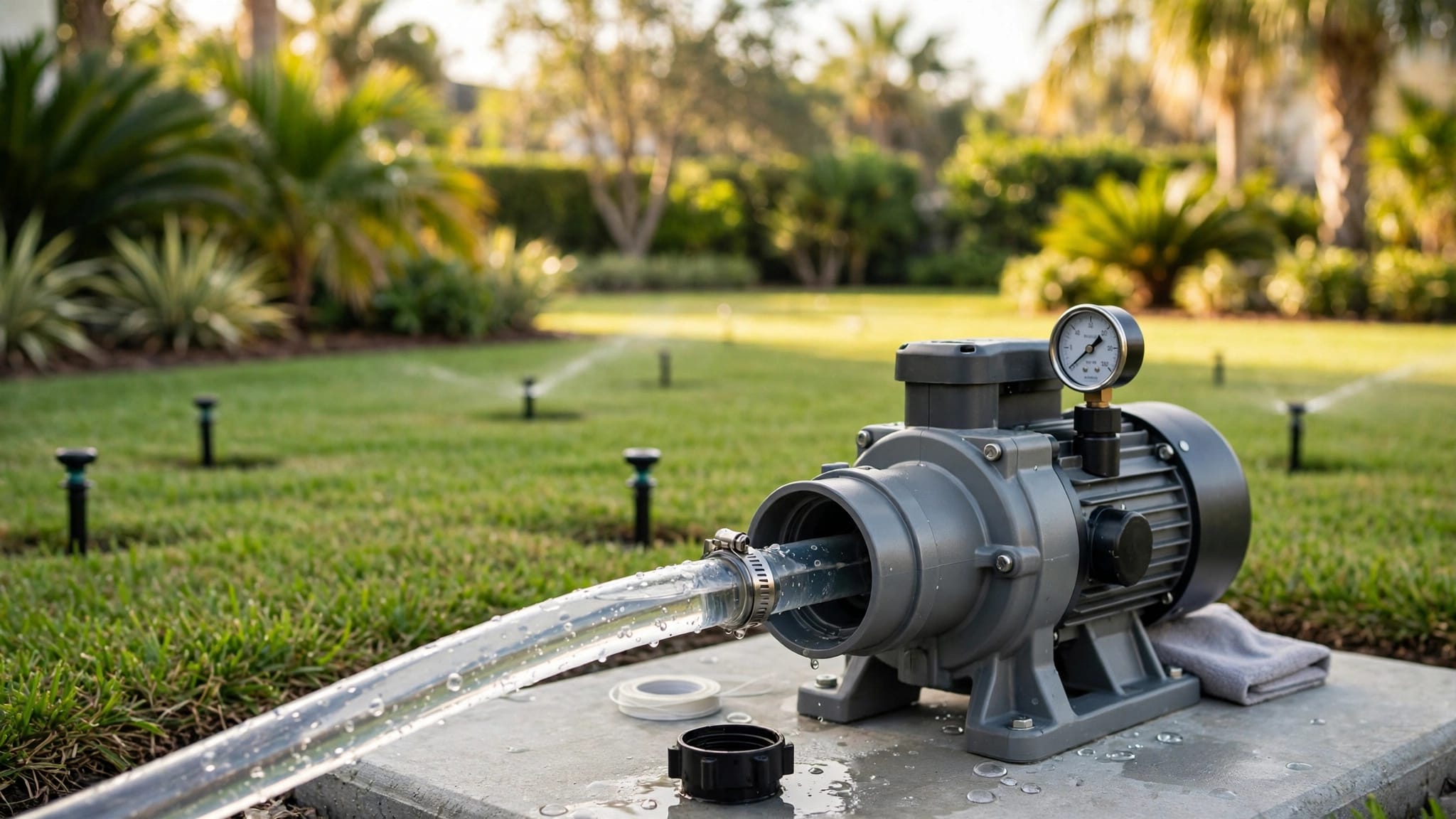
Use a garden hose with a gentle flow, following the manufacturer's rinsing instructions. Wet the affected area thoroughly enough for water to pass through it, without blasting the fibers or creating unnecessary runoff. There's no universal water volume for every installation.
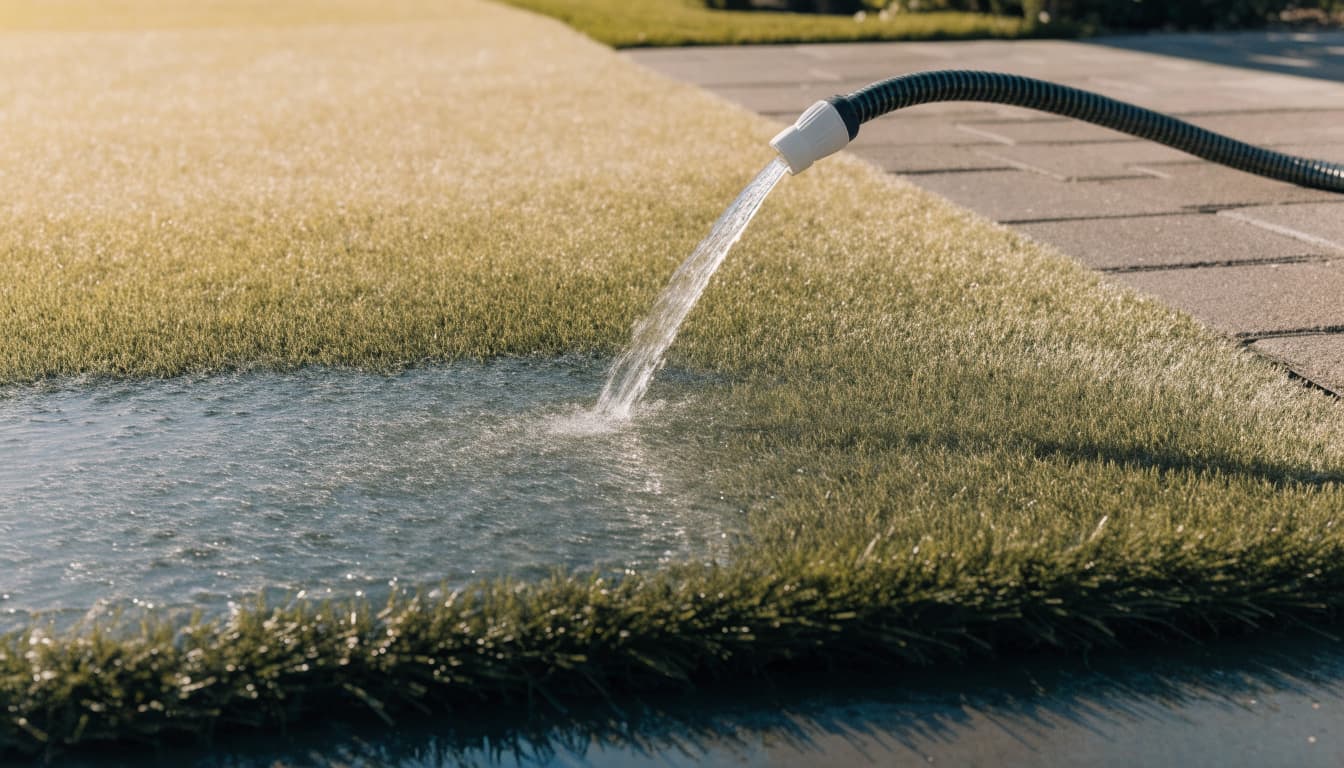
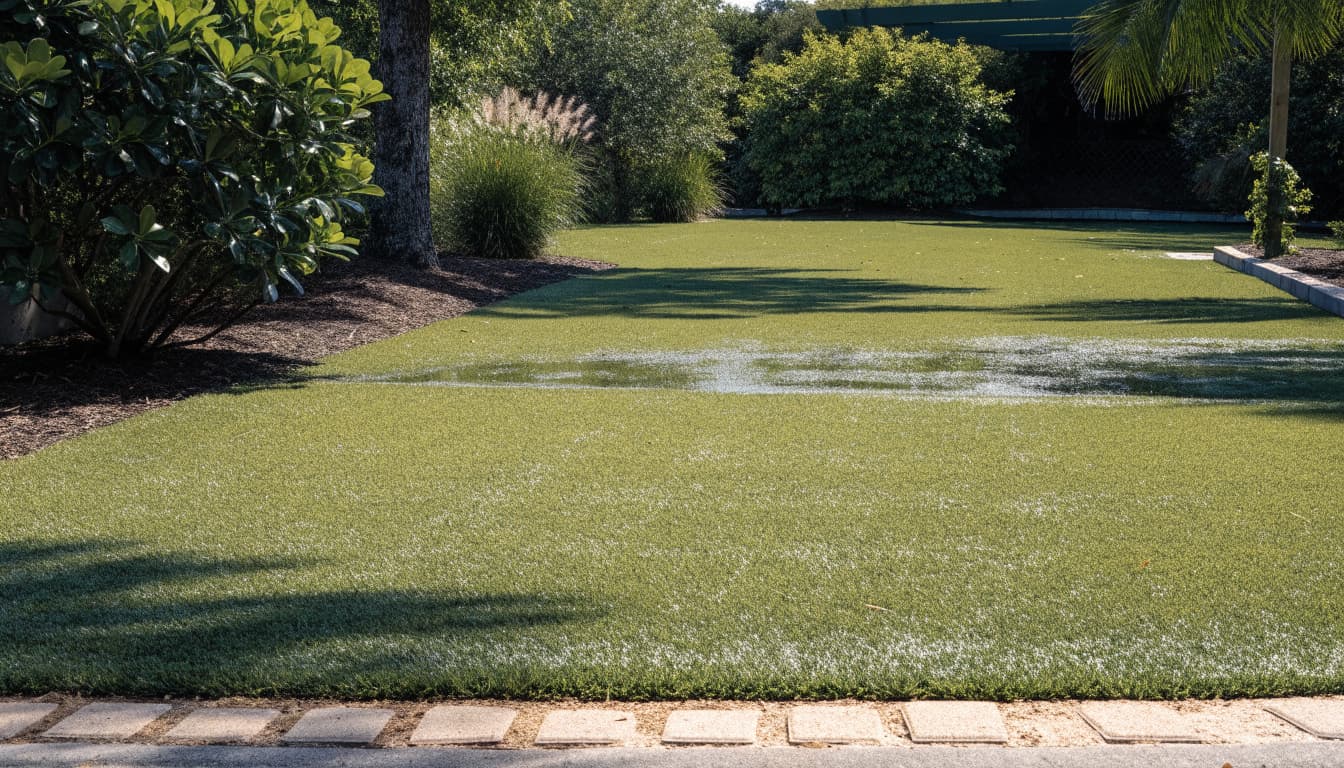
Pay attention to where the water goes. If it pools, backs up along a curb, or runs across the patio, stop adding water and investigate the drainage.
Cape Coral's afternoon rain doesn't replace targeted cleanup. A storm may wet the yard unevenly, and a saturated base may not carry away residue effectively.
For larger yards, focus on the spots your dog uses instead of soaking unused turf. Keep a hose accessible so cleanup stays manageable. Also check current local water-use rules rather than assuming that every hose use has the same requirements.
Manage Odors by Finding Their Source
Recurring smells deserve closer attention, especially when they return soon after cleaning. Surface residue, trapped debris, and poor drainage need different responses.
Check Favorite Spots and Trapped Debris
Walk the yard and identify where the odor is strongest. Dogs often return to the same corner, fence line, or shaded patch, so that area may need more attention than the rest.
Remove leaves, seed pods, and other organic material before rinsing. Debris between the blades can hold moisture and contribute to smells in Southwest Florida's humid weather. A turf-approved brush can help expose trapped material without damaging the grass. However, avoid brushing through waste residue, because that spreads contamination across a larger area. Clean the spot first, then groom it.
Understand the Infill and Base
Ask your installer which infill your lawn contains and how to maintain it. Infill supports the blades, but its composition also affects how the system handles pet use. Don't add deodorizing powders or replacement infill without approval.
Pet-focused installations may include pet-friendly infill, an optional odor-control layer, and a base designed to rinse clean. These features still need maintenance. Outdoor Life Pros explains those choices in its overview of pet-friendly turf installation and drainage pricing. If smells keep returning despite correct cleaning, ask whether residue remains beneath the backing or drainage needs repair.
Choose Cleaning Products With Pet Safety in Mind
A cleaner needs to suit both the synthetic grass and the animals using it. A household product's familiar smell doesn't establish that it's suitable outdoors.
Read Both Sets of Instructions
Before applying anything, compare the cleaning product label with the turf manufacturer's guidance. Check compatibility with the blades, backing, infill, and seam adhesive. Also look for directions covering dilution, rinsing, and pet access.
Keep pets away during application and for the full period the label requires. Don't assume that a dry surface automatically means the area is ready for animals. If instructions conflict or leave questions unanswered, contact the manufacturer before proceeding. Test any approved product in an inconspicuous area when the care instructions call for it.
"Pet-safe" labeling doesn't replace directions about concentration, rinsing, or when animals can return.
Avoid Harsh Chemicals and Aggressive Equipment
Don't improvise with bleach, ammonia, strong acids, solvents, or mixed household cleaners. Never mix cleaning products. Also avoid pouring concentrated chemicals onto a stubborn urine spot.
For routine pet cleanup, skip pressure washing, wire brushes, metal rakes, and stiff scraping tools unless your manufacturer explicitly approves the equipment and method. These can disturb infill, damage fibers, or weaken seams.
Improper cleaning may also affect coverage. Before hiring a cleaning service, clarify responsibility for chemical damage and seam problems using these questions about turf, paver, and irrigation coverage.
Adjust Maintenance for Cape Coral's Weather and Pet Traffic
A small dog using one shaded patch creates different cleaning needs than several large dogs using the entire yard. Drainage, infill, and turf construction also change the workload. Follow manufacturer guidance rather than adopting a fixed pet-area cleaning schedule.
Check heavily used areas more closely, and increase attention when you notice residue or odor. For general upkeep, remove debris and brush flattened blades with an approved tool as needed. Brush gently against the lay of the grass, without dragging infill into piles.
After storms, look for displaced infill, loose edges, and mulch washed onto the turf. Outdoor Life Pros' seasonal landscaping maintenance in Southwest Florida includes checking turf seams, infill, and drainage after summer storms.
Heat needs attention too. Synthetic grass can become hot in direct sun, so check the surface before letting pets use it. Provide a shaded alternative and avoid relying on a rinse to keep the area cool for long.
Nearby planting beds should stay tidy without crowding the relief area. Confirm plant safety by exact species, because a plant suited to Florida's climate isn't automatically safe for pets to chew.
Fix Drainage Problems Instead of Cleaning Around Them
Artificial grass can let water through while the underlying base still holds it. Sandy native soil doesn't guarantee that the completed installation drains properly.
Inspect Outlets and Hardscape Edges
Look for standing water, persistently damp patches, and water collecting beside pavers or concrete borders. Clear accessible drain grates of palm fronds, leaves, and grit without pushing debris farther into the drain.
Edge drains also need somewhere to discharge when the ground becomes saturated. Outdoor Life Pros compares drainage solutions for driveway edges and hardscapes, including how nearby turf and pavement affect runoff.
During paver cleaning, keep displaced joint sand and cleaning residue off the grass. Ask the contractor to protect turf edges rather than directing wash water across the pet area.
Bring in Help for Recurring Problems
Contact your installer if puddles remain, smells return after correct maintenance, or turf edges lift near a wet area. The problem may involve base preparation, grading, a blocked outlet, or an installation detail.
A professional should inspect the whole system before recommending repairs. Adding more infill or stronger cleaner won't correct a grade that traps water.
If a concrete curb obstructs drainage, a turf installer and concrete company may need to coordinate the repair. Agree on the water path before changing borders, installing new drains, or replacing the grass. Don't cover a recurring wet spot with another layer of turf.
Frequently Asked Questions About Pet Turf Maintenance
Can I Rely on Rain to Clean Pet Urine?
Rain can help rinse exposed areas, but it doesn't provide consistent cleaning where your dog urinates. Sheltered spots may receive little water, while heavy rain can overwhelm drainage. Remove waste promptly and rinse pet areas as needed according to the manufacturer's guidance.
Check the yard after storms too. Leaves and displaced mulch can collect along edges or block an outlet, even when the grass looks clean.
Does Clean-Smelling Turf Mean It's Ready for Pets?
Odor alone doesn't establish whether turf is clean or whether cleaning-product residue remains. Fragrances can mask a smell without removing its source.
Follow the product's rinsing and pet re-entry directions, along with the turf care instructions. If an odor persists, investigate trapped debris, infill, and drainage rather than repeatedly adding a scented product. Keep pets away from any area that still contains waste or is undergoing treatment.
Keep Your Pet Yard Clean With Consistent Care
A cleaner Cape Coral pet yard starts with prompt waste removal and gentle, targeted rinsing. Manufacturer-approved methods protect the turf while clear drainage gives rinse water somewhere to go.
Adjust maintenance to your pets and the conditions you observe. When odors or puddles persist, inspect the system instead of increasing chemical strength. A manageable cleanup routine should make the yard easier to enjoy without putting pets or the installation at risk.