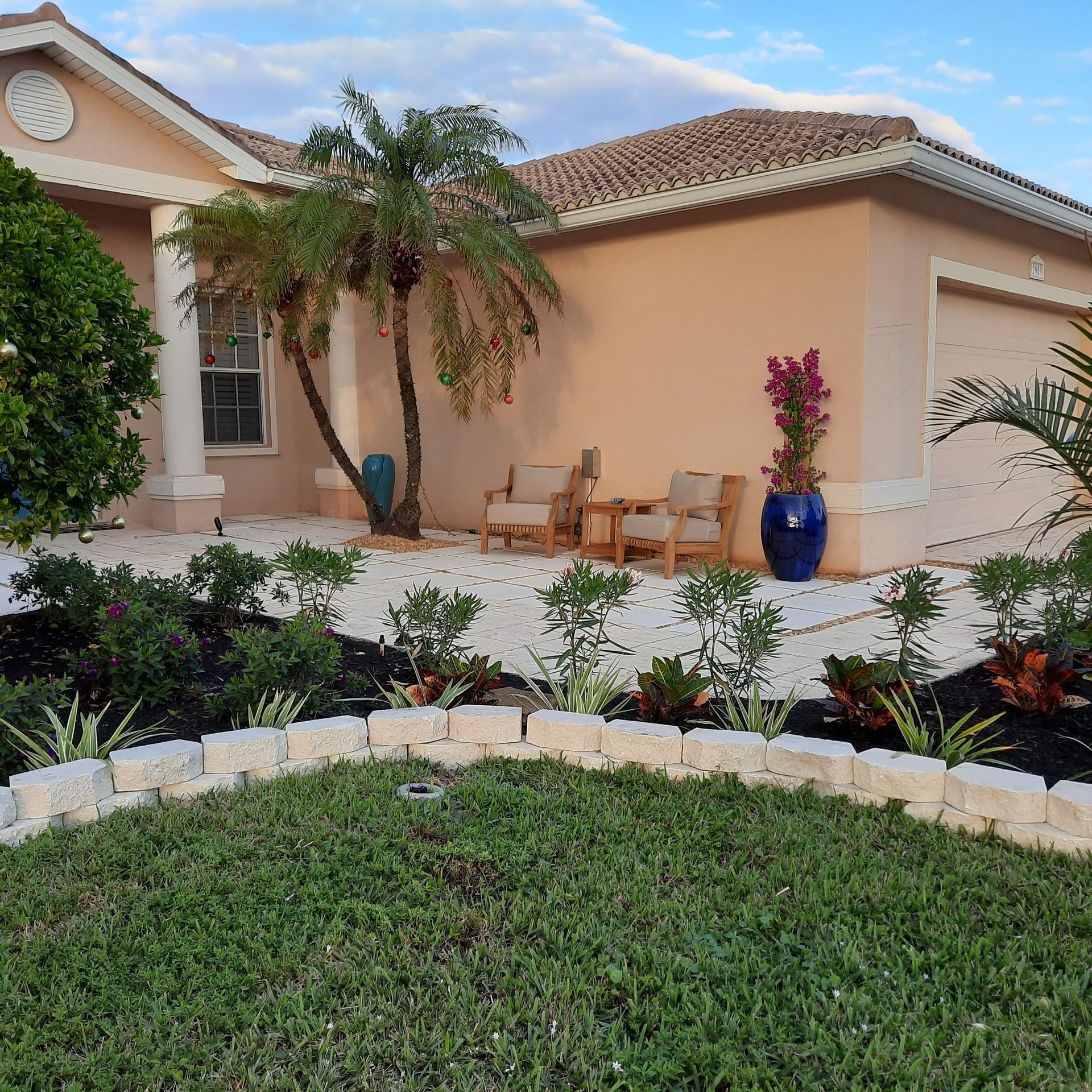



How to Compare Landscaping Quotes in Southwest Florida
A low landscaping quote can become expensive when drainage, irrigation, or storm preparation appears as an add-on later. To compare landscaping quotes fairly, you need more than the final price. You need matching scopes, clear materials, realistic timelines, and a contractor who understands Southwest Florida conditions.
Heat, humidity, heavy summer rain, salt exposure, and hurricane risk affect nearly every outdoor project in Fort Myers, Cape Coral, Estero, and Bonita Springs. Use the steps below to compare proposals based on total value, not the biggest number or the lowest bid.
Key Takeaways
- Compare matching scopes of work before comparing prices.
- Check drainage, irrigation, access, and storm-related work separately.
- Review plant choices, hardscape materials, warranties, and maintenance needs.
- Confirm insurance, payment terms, permits, cleanup, and change-order policies.
- Choose the quote that clearly explains what you will receive and what you may pay later.
How to Compare Landscaping Quotes Without Missing Costs
Start by placing every proposal side by side. If one contractor prices a complete yard renovation and another prices only planting, the totals won't tell you much.
A useful quote should identify the property's work areas, measurements, materials, labor, disposal, preparation, and finishing details. It should also state whether the price includes design, delivery, grading, irrigation adjustments, cleanup, and warranty coverage.
Ask each contractor to price the same written scope. For example, a front-yard project might include removing existing shrubs, installing a certain amount of sod, adding specified rock, replacing damaged irrigation heads, and planting Florida-appropriate shrubs. Without those details, each company may make different assumptions.
The quote should also separate optional upgrades from required work. Lighting, upgraded pavers, palms, drainage improvements, and an expanded plant package can change the total. Separating those items helps you decide what belongs in the first phase.
Look for allowances as well. An allowance is a budget placeholder for an item that hasn't been selected, such as pavers, decorative stone, plants, or lighting fixtures. A low allowance can make a quote appear affordable, but the final cost may rise after selections are made.
A basic Cape Coral installation may range from $953 to $7,184, according to the company's published pricing guide. Larger projects with hardscaping, irrigation, drainage, or specialty plants can cost much more. You can review the details in this guide to landscape installation cost in Cape Coral.
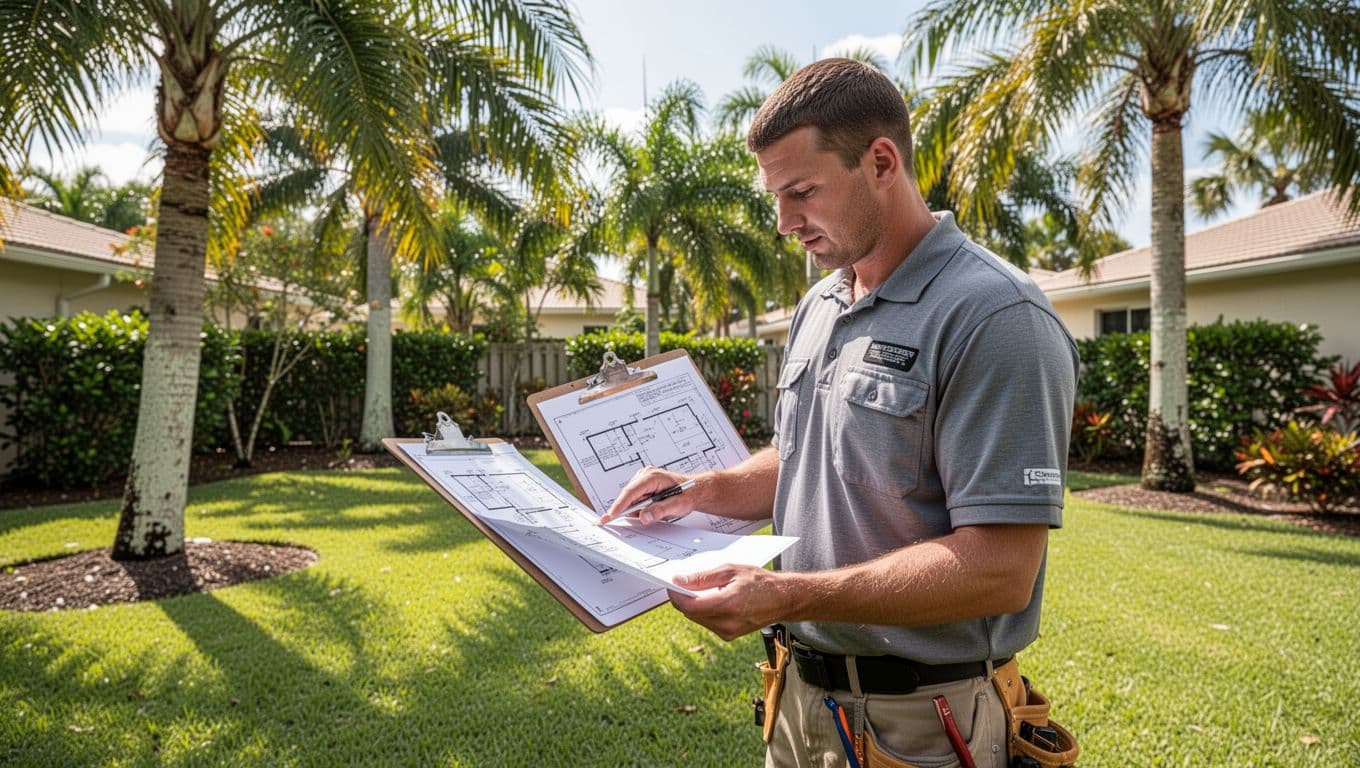
Check Whether Every Quote Covers the Same Work
Many pricing differences come from missing line items rather than different labor rates. Read the scope carefully and mark what each contractor includes.
Compare these parts of the proposal:
- Site preparation: Does the price include removing old plants, sod, roots, debris, or unsuitable soil?
- Grading and drainage: Does the contractor correct low areas, add swales, install drains, or connect discharge lines?
- Irrigation: Are broken heads, clogged lines, valves, controllers, and coverage adjustments included?
- Materials: Does the quote name the exact sod, stone, pavers, concrete finish, mulch, or edging?
- Installation: Does labor cover delivery, excavation, base preparation, planting, compaction, and final grading?
- Cleanup: Will the crew haul away waste and leave driveways, sidewalks, and streets clean?
- Follow-up: Does the company include a plant warranty, irrigation check, or repair period?
Also check quantities. "New plants throughout the front yard" is too vague. A stronger proposal lists the number, size, and type of plants. The same rule applies to pavers, concrete, mulch, rock, and sod.
Hardscape quotes require close attention to base preparation. A paver walkway may include excavation, compacted base material, bedding sand, pavers, edge restraint, joint sand, and sealing. One contractor may include each step, while another may list only the pavers and installation.
Concrete work needs similar detail. Ask whether the price covers removal, excavation, reinforcement, forms, concrete thickness, finish, control joints, cleanup, and disposal. If the project includes a patio or driveway, confirm whether you are hiring a full-service landscaping contractor or a separate concrete company for that portion.
A quote is only comparable when each contractor is pricing the same finished result.
Account for Southwest Florida Site Conditions
Southwest Florida yards often look simple from the street. The conditions below the surface can make the work more involved.
Heavy seasonal rain exposes drainage problems quickly. Water may collect near foundations, pool decks, walkways, or low lawn areas. A quote that includes proper grading or drainage can cost more at the beginning, but skipping that work may leave you with standing water, eroded beds, damaged turf, or shifting pavers.
Ask how each contractor evaluated drainage. The proposal should explain the planned solution, such as regrading, a swale, a catch basin, a French drain, or another method suited to the property. Be cautious when a company recommends a drainage product without describing where the water will go.
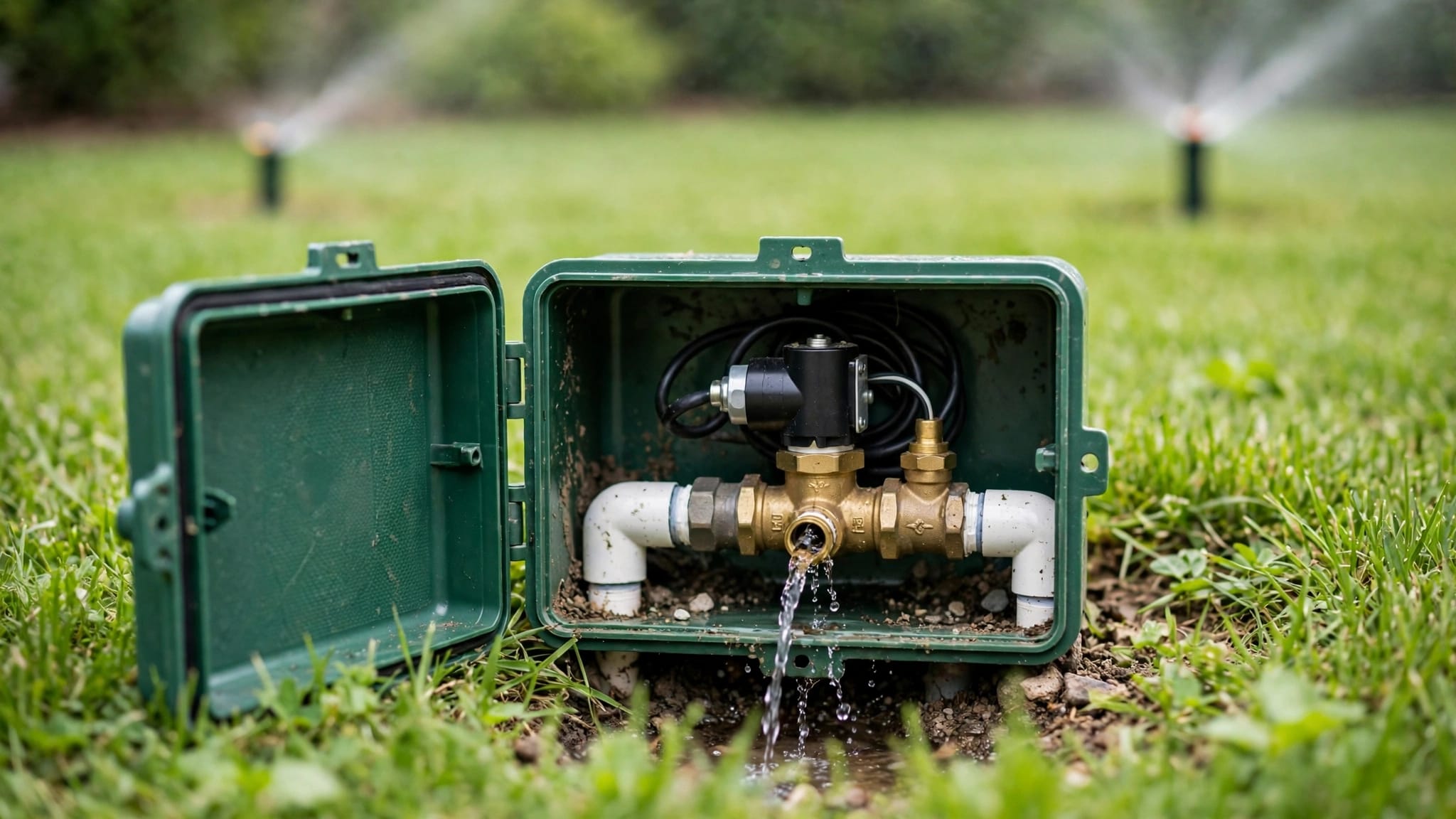
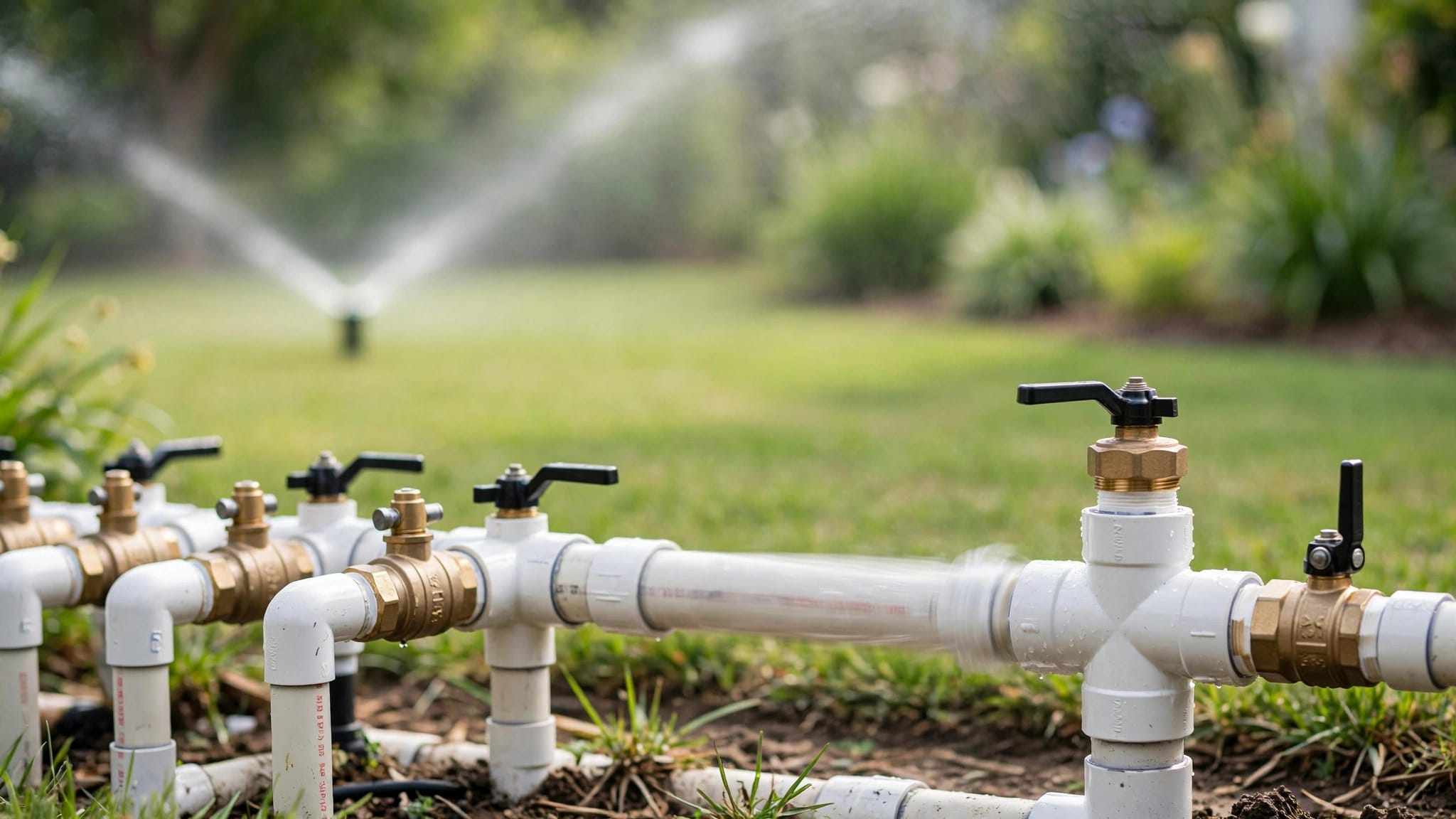
Irrigation also deserves a separate review. New plants and sod need reliable coverage, yet overwatering can damage roots and increase waste. Confirm whether the contractor will test zones, repair leaks, adjust spray patterns, replace damaged heads, or program the controller after installation.
Salt exposure matters near canals, bays, and coastal areas. Compare the plant lists rather than accepting a general promise of "low-maintenance plants." Ask for Florida-appropriate selections that fit the property's sun, soil, water, and salt conditions. A plant that performs well inland may struggle in an exposed coastal yard.
Heat and humidity affect installation timing and plant care. Ask when planting will occur, how the new plants will be watered, and who handles replacement if a plant fails during the warranty period.
Hurricane exposure affects more than outdoor furniture. Loose decorative items, weakly anchored features, and poorly placed trees can create problems during high winds. Ask how the design handles large palms, heavy planters, lighting, irrigation equipment, and other elements that need protection before a storm.
Compare Materials and Long-Term Maintenance
The cheapest material is not always the least expensive choice over several years. Compare the installation price with cleaning, sealing, watering, mowing, pruning, and replacement needs.
For lawns, ask which sod variety the contractor recommends and why. Check whether the estimate includes old lawn removal, soil preparation, leveling, starter treatment, watering, and the first follow-up visit. If a proposal lists artifical turf , ask the contractor to correct the specification and identify the exact turf product, backing, infill, edge treatment, base preparation, and drainage plan.
Pavers should include a suitable base and edge restraint. Ask whether joint sand and sealer are included or priced separately. Sealing can affect color and stain resistance, but it isn't the same as routine maintenance. Find out whether future paver cleaning is recommended and what that service would cost.
Planting quotes can vary because of container size. A small shrub and an established specimen may have the same plant name but different prices and installation requirements. Review mature size, spacing, sun exposure, pruning needs, and replacement terms before approving the plant list.
Rock and mulch also carry different maintenance demands. Mulch usually costs less at installation, but it needs periodic refreshes. Decorative rock may cost more to install and require careful edging, weed control, and occasional cleaning. Ask whether fabric, edging, or soil amendments are part of the price.
This comparison helps you separate upfront savings from recurring costs:
| Project item | Questions to ask |
|---|---|
| Sod | Which variety, how much preparation, and what watering support is included? |
| Artificial turf | What product, base, drainage, infill, edge treatment, and warranty are included? |
| Pavers | Is excavation, compacted base, sand, restraint, joint sand, and sealing included? |
| Plantings | What sizes, quantities, spacing, warranty, and replacement terms apply? |
| Mulch or rock | What depth, delivery, edging, fabric, and future maintenance are included? |
| Irrigation | Are testing, repairs, controller settings, and coverage adjustments included? |
The right choice depends on how you use the property. A vacation home may benefit from lower mowing needs, while a family yard may need cooler, softer surfaces around play areas and pools.
Review Contractor Details Before Signing
A clear quote should identify the contractor, property address, project description, total price, payment schedule, estimated start date, and expected duration. It should also explain how weather delays affect scheduling.
Southwest Florida contractors work around intense heat, rain, material availability, and storm preparation. A realistic timeline is more useful than a promise to finish immediately. Ask what happens if heavy rain prevents grading, concrete placement, planting, or paver installation.
Verify that the company carries appropriate insurance and can provide references for similar residential projects. Look at completed work with comparable drainage, hardscape, plant, or irrigation requirements. A contractor who installs decorative rock may not have the same experience with drainage or concrete.
Read the warranty carefully. Plant warranties often exclude damage from neglect, animals, irrigation failure, freezes, pests, or extreme weather. Hardscape warranties may exclude movement caused by soil conditions or drainage problems. Ask which repairs are covered, for how long, and how you request service.
Payment terms deserve equal attention. Avoid paying the full amount before work begins. The schedule should connect payments to clear milestones, such as material delivery, site preparation, installation, and final completion.
Finally, check HOA requirements before signing. Many communities require approval for front-yard changes, fences, walls, pavers, artificial grass, visible equipment, lighting, and plant selections. The homeowner usually remains responsible for submitting applications, even when the contractor helps prepare drawings or material details.
Make an Apples-to-Apples Decision
Once you gather the details, create a short comparison sheet. List the total price, included work, excluded work, material allowances, warranty, timeline, payment terms, and unresolved questions for each contractor.
Then calculate the adjusted price. Add required items that one quote excludes, such as drainage, irrigation repairs, sod removal, concrete demolition, sealing, or cleanup. Subtract optional upgrades you don't plan to purchase. This gives you a more useful comparison than the original totals.
Pay attention to how each company communicates. Did the estimator inspect the property carefully? Did they explain water movement and plant suitability? Did they answer questions directly and update the proposal when the scope changed?
A higher quote may reflect better preparation, stronger materials, or a more complete scope. A lower quote may be reasonable, but only when it includes the same work and quality.
Write down every agreed change before work starts. Verbal promises about extra plants, repaired irrigation, upgraded pavers, or added drainage can create confusion later. The final proposal should show the exact price and any conditions that could change it.
Conclusion: Choose the Quote You Can Verify
The best way to compare landscaping quotes is to judge the complete project, not the first number on the page. Match the scope, check quantities, account for Southwest Florida conditions, and review maintenance and warranty terms.
A dependable proposal explains how the work will handle heat, rain, drainage, irrigation, salt exposure, storms, and HOA rules. When two quotes look similar, choose the one that gives you clearer answers and fewer surprises.