


Why St. Augustine Grass Turns Purple After Cold
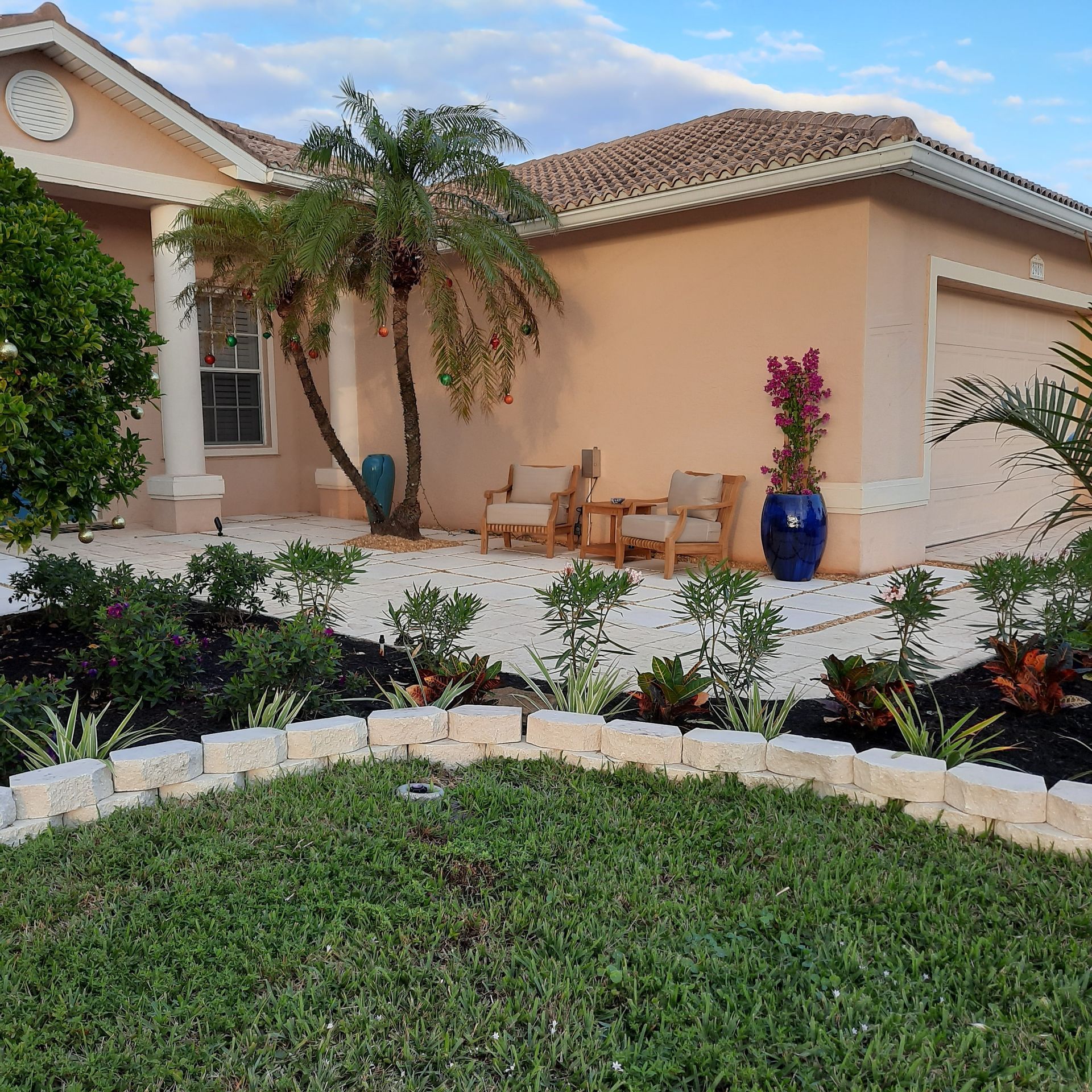
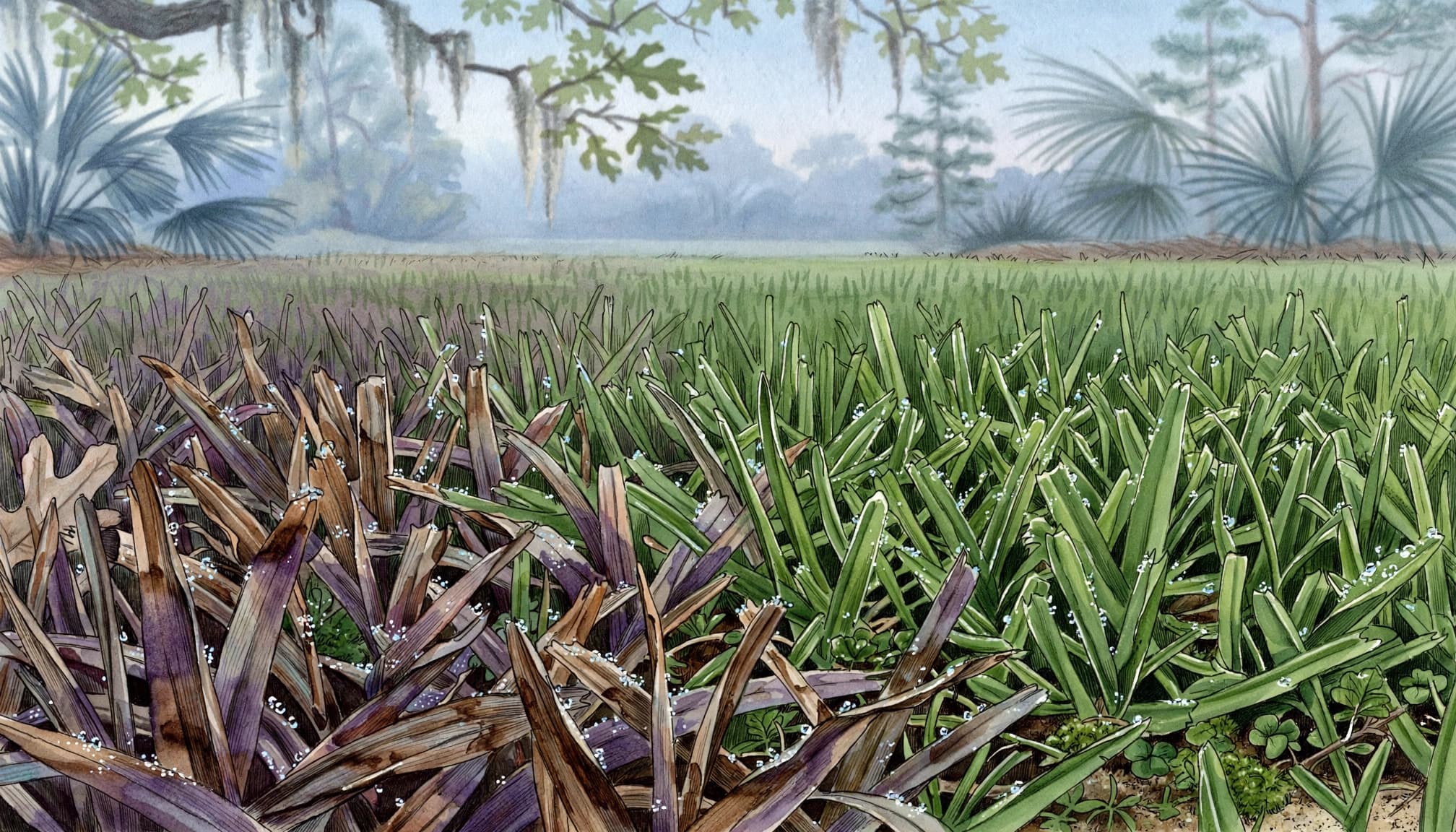
St. Augustine grass turning purple after a cold night may be responding to cold stress, but color alone can't confirm the cause. A lawn can also change color when it has a watering problem, disease, or another source of stress.
The good news is that purple blades don't automatically mean dead grass . Before adding fertilizer or replacing sod, look at the pattern, soil, and runners beneath the leaves.
Why St. Augustine Grass May Turn Purple After Cold
St. Augustine is a warm-season grass, so a sudden cold spell is a useful clue when discoloration appears overnight. Still, the weather and the color change need to be considered alongside the lawn's condition before the cold arrived.
Cold weather is a clue, not a diagnosis
If the grass looked healthy before a cold night and the color appeared across exposed areas afterward, cold stress is a reasonable possibility. Areas that receive different amounts of sun or shelter may not look alike.
A color change can also reveal stress that was already present. For example, a thin area with poor irrigation coverage may look more concerning after a weather change than a healthy area nearby.
What leaf color can tell you
Grass leaves contain different pigments, and plant pigments can produce red or purple tones. However, a purple appearance doesn't establish which pigment is responsible or identify the cause in your lawn.
Look for more than color. Blades with unusual spots, spreading patches, or weak runners deserve a closer inspection, even if the change appeared after a cold night.
How to Assess Your Lawn After a Cold Night
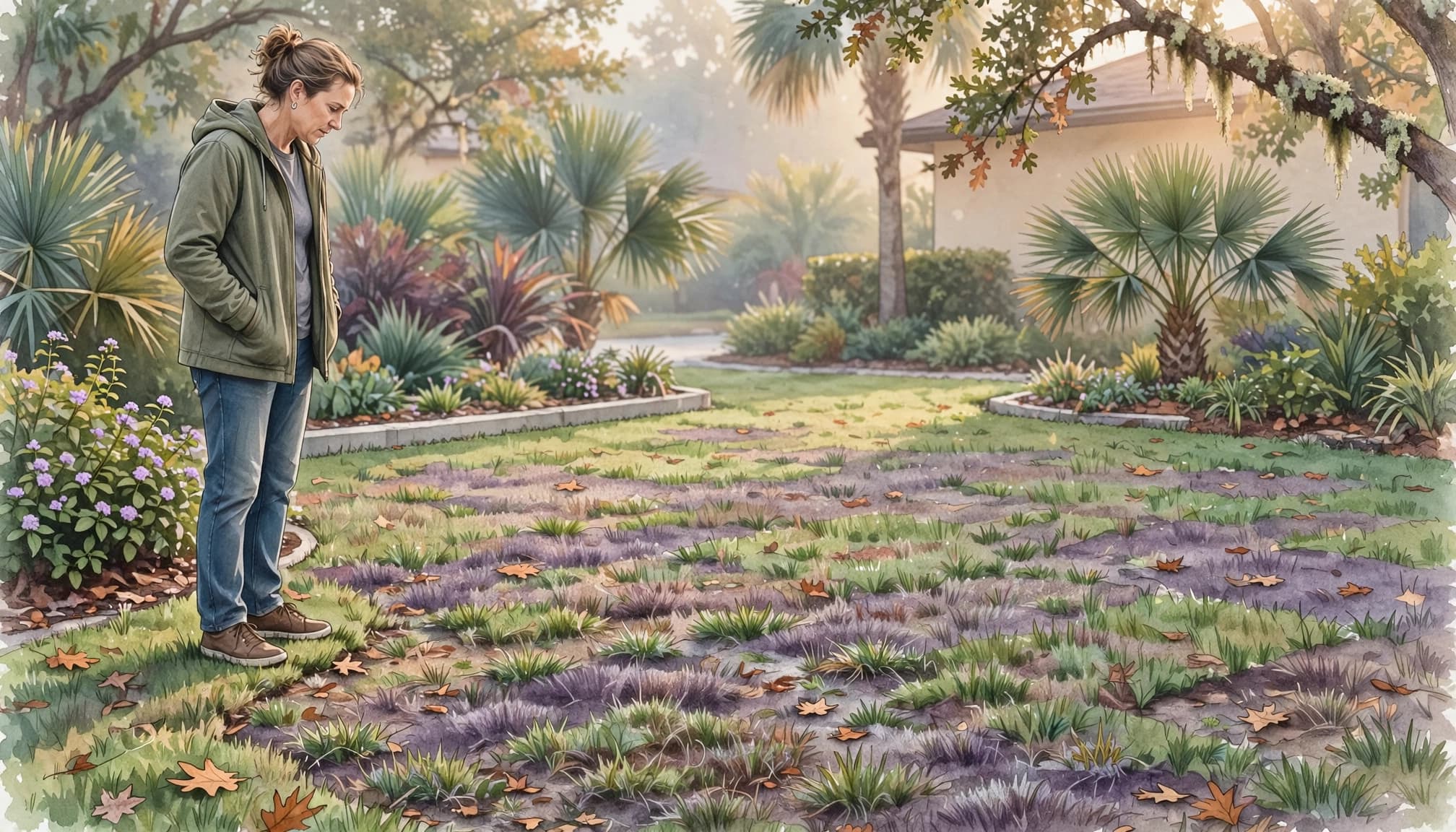
Start with a walk around the lawn before changing your care routine. Compare the purple areas with grass that still looks green, and note whether the affected turf is confined to one spot or spread across the yard.
Look at the pattern and blades
A broad color change that appeared soon after a cold night gives you a different clue than a patch that keeps expanding. Look along the edge of the affected area and inspect individual blades for spots, ragged edges, or dry tissue.
Also note whether the discoloration follows a sprinkler zone, walkway, or area where a product was applied. A straight line can point to a different problem than an irregular patch.
Take photos from the same position every few days. Include healthy grass in each picture so you can compare the boundary as conditions change.
Inspect the soil and runners
Push a screwdriver or narrow trowel several inches into the soil in both the affected and healthy areas. Dry, resistant soil may point to a watering issue. If the ground is damp and the grass is declining, look beyond drought.
Part the grass gently near the edge of a patch. St. Augustine spreads through above-ground runners called stolons. Firm, green runners and crowns may still be alive, even when some blades look damaged. Brown, brittle tissue or soft, decaying areas warrant a closer look.
Cold Stress, Disease, or Another Lawn Problem?
Timing can help you narrow the possibilities, but similar symptoms can have different causes. Use these observations as a starting point rather than a firm diagnosis.
| What you notice | What to investigate |
|---|---|
| Color appears after a cold night across exposed grass | Cold stress is possible; watch for changes as conditions warm. |
| A yellow or tan patch expands into healthy turf | Inspect the edge and blades for possible disease or another spreading problem. |
| Grass looks dull or folded and soil is dry | Review irrigation coverage and soil moisture. |
| Sunny patches decline even though soil is damp | Look for insect activity and other causes before adding water. |
The most useful distinction is whether the lawn's condition remains stable or continues to worsen. A photo can document that change, but it can't confirm a diagnosis on its own.
Signs that deserve a disease inspection
Large patch can cause irregular yellow or tan areas that expand into surrounding turf. Some patches have a darker or orange-brown edge. Individual blades may also have marks, although different diseases produce different symptoms.
Warm, wet conditions can be part of the picture, but rain alone doesn't establish that disease is present. Our guide to large patch symptoms in St. Augustine lawns explains what to look for at the boundary between healthy and damaged grass.
Signs of drought, insects, or physical damage
Drought-stressed blades may fold, wilt, turn blue-gray, or hold footprints after you walk across them. Dry soil and a pattern that follows poor sprinkler coverage support a closer look at irrigation.
Chinch bug damage often starts in scattered patches or along hot, sunny edges. The soil can remain damp while the turf declines. Our guide to chinch bug damage in St. Augustine grass covers other signs to inspect before considering treatment.
Mowing too short, herbicide exposure, compacted soil, and drainage problems can also weaken grass. More than one issue can affect the same lawn.
Water Based on Soil Moisture, Not Color
Purple grass doesn't automatically need extra water. Established St. Augustine lawns benefit from moisture in the root zone, but repeated watering can leave the soil saturated and add stress.
Before starting the sprinklers, feel the soil several inches below the surface. If it's moist, give it time to dry rather than adding water for the sake of the color. If it's dry and the blades show signs of wilt, irrigation may be appropriate.
For an established lawn that needs water, a typical irrigation event of 0.5 to 0.75 inch can wet the root zone. The amount that works for your yard depends on soil, rainfall, and the site. Follow applicable local watering rules.
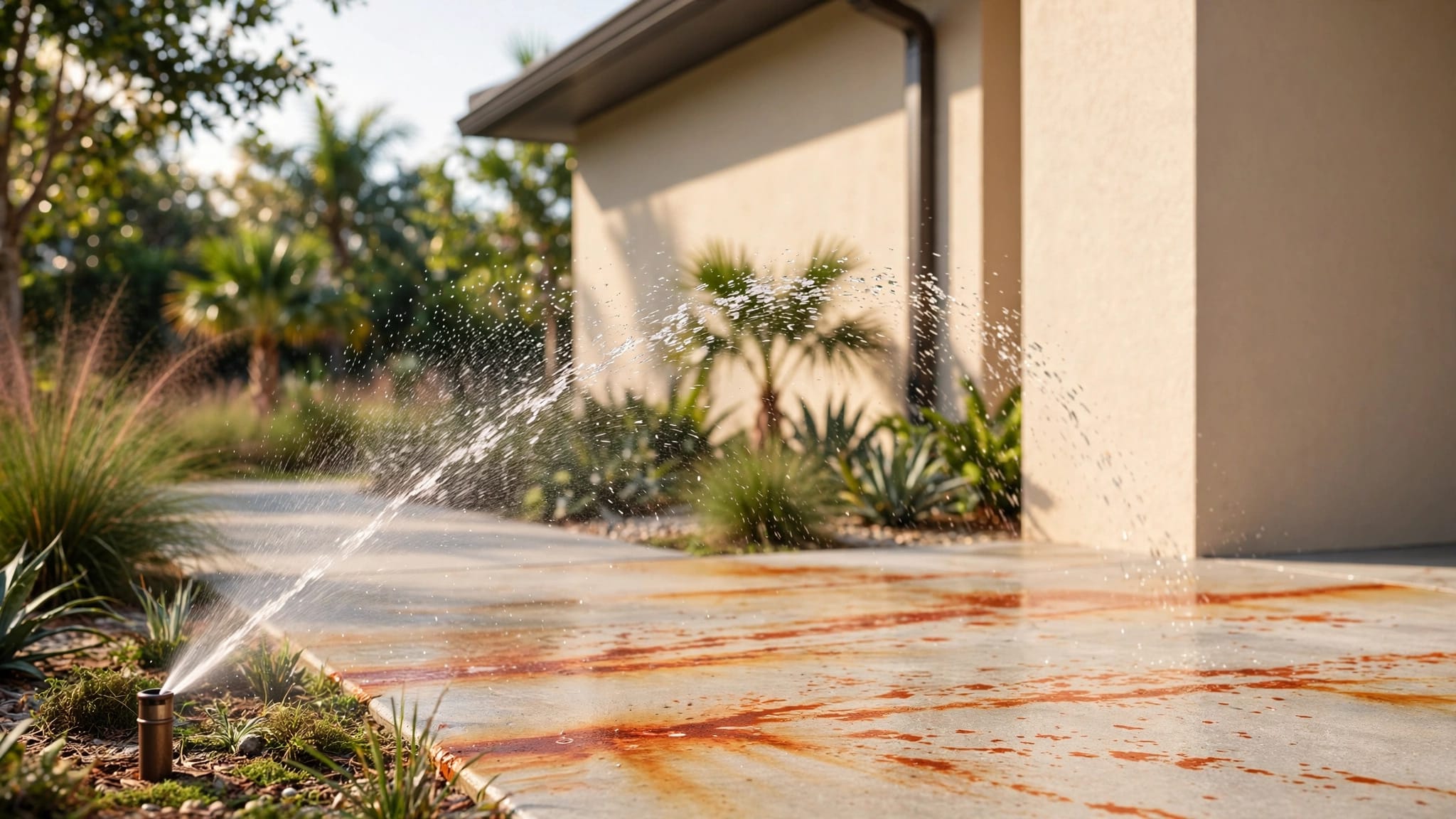
A shallow container or rain gauge can show how much water the sprinklers deliver. Also look for broken heads, blocked spray, or dry gaps between coverage areas. Those problems can leave one section thirsty while another stays wet.
Fresh sod needs different care because its roots are still establishing. Follow a new sod watering schedule for Southwest Florida rather than using an established lawn's routine.
Mow Carefully and Wait on Fertilizer
Normal maintenance can support the grass without forcing growth. Adjust the schedule to what the lawn needs, rather than mowing or feeding it because the calendar says it's time.
Keep the mower high
For standard St. Augustine cultivars such as Floratam, BitterBlue, and Classic, a rotary mower height of about 3.5 to 4 inches is commonly recommended. Don't remove more than one-third of the blade at a time, and use a sharp mower blade for a cleaner cut.
If the lawn is growing slowly, it may need mowing less often. Avoid mowing when the turf is wilted or the soil is saturated. Heavy mower turns can also disturb weak areas.
Our Cape Coral St. Augustine mowing recommendations offer more guidance on adjusting the cut for local conditions.
Don't fertilize to erase purple color
A purple tint doesn't tell you whether the lawn needs nutrients. Fertilizer won't fix a broken sprinkler head, insect damage, or a disease, and an unnecessary application can add to the problem.
Wait for active growth and a clear reason to fertilize. Local restrictions also matter in Southwest Florida. Our guide to fertilizer timing for St. Augustine grass covers seasonal considerations.
For new sod, wait until it has rooted and shows new growth before applying regular fertilizer. If the sod lifts easily with a gentle tug, its roots need more time.
What to Watch as Temperatures Warm
Give the lawn time to show what is happening beneath the discolored blades. Surviving runners and crowns may produce new growth when conditions support it, although the purple color alone can't predict the outcome.
Return to the same inspection spots and compare your photos. Look for fresh green growth near the base of the grass, as well as any change in the size of affected areas. Old damaged blades may remain discolored, so the condition of newer growth can be more useful than the appearance of a single leaf.
Meanwhile, reduce foot traffic and pet wear on weak patches. Put off aggressive raking, dethatching, or other work that could pull at damaged runners. Keep leaves and heavy debris from blocking light, but remove them gently.
There's no fixed recovery schedule for every lawn. Weather, the condition of the grass, and any underlying irrigation or pest problem all affect what you see next.
When to Repair or Replace Damaged Grass
Hold off on replacing turf until you have a better sense of whether the runners are alive and why the area declined. New sod placed over a persistent drainage or irrigation problem can face the same conditions as the old lawn.
Ask for a closer assessment if a patch keeps expanding, the grass continues to thin, or the soil stays wet while the turf worsens. Share your photos and note when the color appeared, what the weather was like, and any recent mowing or product applications.
If an area doesn't recover, plugs or sod may be options once the underlying issue is addressed. For a spot that repeatedly struggles with shade, traffic, or difficult irrigation, artificial turf may be worth considering. It still needs a prepared base and proper drainage.
We provide sod, irrigation repair, and landscaping services for homeowners in Cape Coral, Fort Myers, and the surrounding Southwest Florida area. An assessment can help you decide whether the lawn needs care, a repair, or a replacement.
Give the Lawn a Chance to Show Its Condition
Purple St. Augustine grass after a cold night is a reason to look closer, not a reason to rush into treatment. Check the soil, inspect the runners, and watch whether the affected area changes as temperatures warm.
A careful assessment gives you a better basis for deciding what comes next. Healthy new growth and stable patches are useful signs to watch, while spreading damage deserves further attention.