


How Often to Water New Sod in Southwest Florida
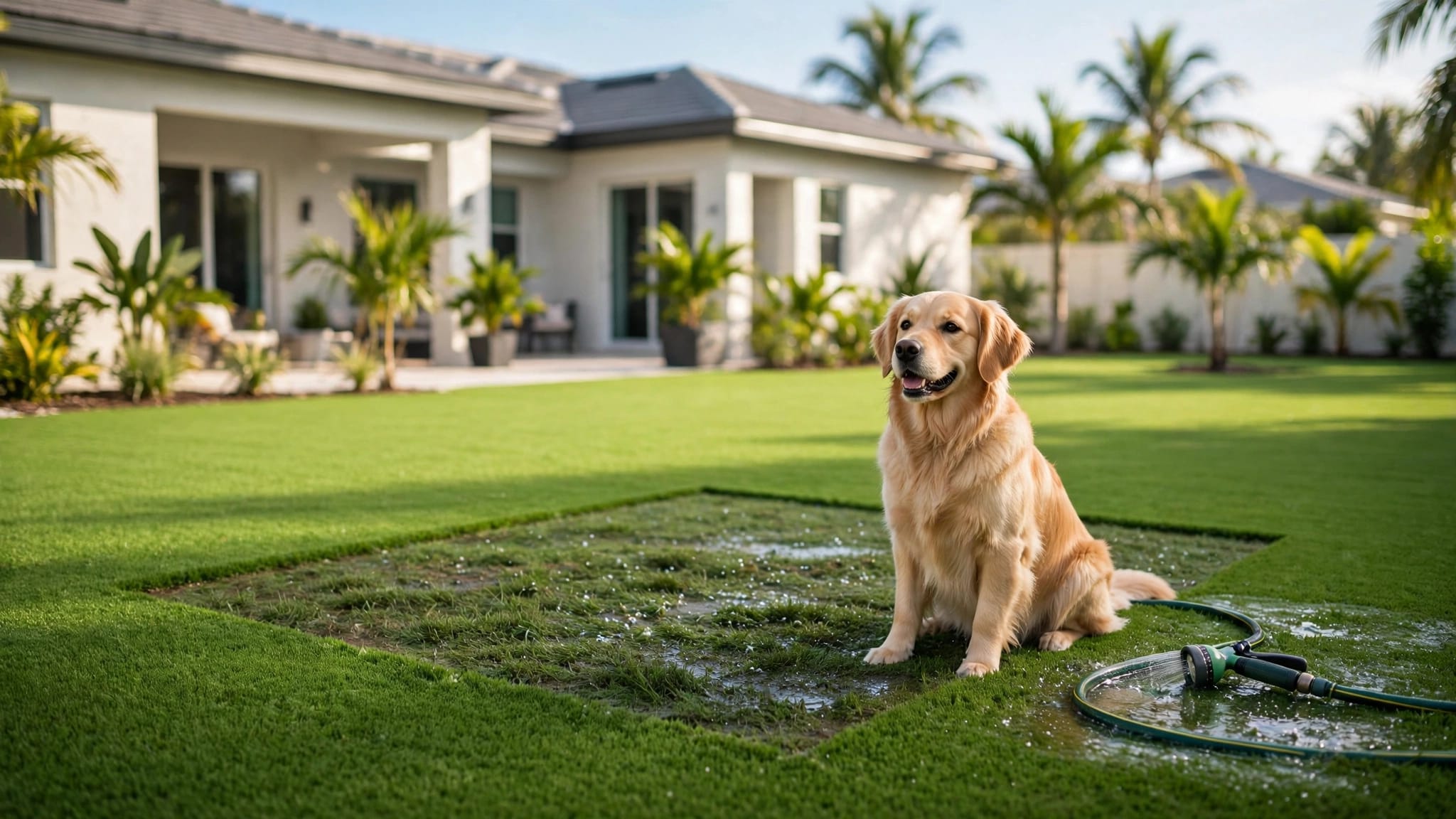
New sod in Southwest Florida can dry out faster than most homeowners expect. Heat, direct sun, and sandy soil all push water through the root zone before grass has time to settle in.
That means the right schedule matters in the first few weeks. Watering new sod in Florida is less about setting one timer forever and more about reading the weather, the soil, and the way the grass responds.
Key Takeaways
- New sod usually needs multiple short watering cycles a day at first, then fewer as roots grow.
- Morning watering is the safest default because it reduces evaporation and helps limit fungus.
- Southwest Florida sand drains quickly, so long watering runs can waste water and cause runoff.
- Shade, sod variety, summer storms, and recent rainfall all change the schedule.
- Watch for root rot, fungus, runoff, and drought stress, then adjust fast.
- Local watering restrictions may apply, so check your municipality and HOA rules.
Why Southwest Florida changes the watering rules
Southwest Florida lawns live under a tougher setup than many other places. The sun is strong, afternoon heat builds fast, and wind can pull moisture out of fresh sod before the roots take hold. In addition, many yards sit on sandy soil that drains almost too well. Water disappears quickly, and that can leave the sod dry just below the surface.
Summer rain does not erase the need for a plan. A brief storm often wets the top layer, but the root zone may stay dry. On the other hand, a heavy downpour can leave the sod too wet if you keep watering on schedule. That is why new sod needs attention every day at first, especially in full-sun yards with open exposure.
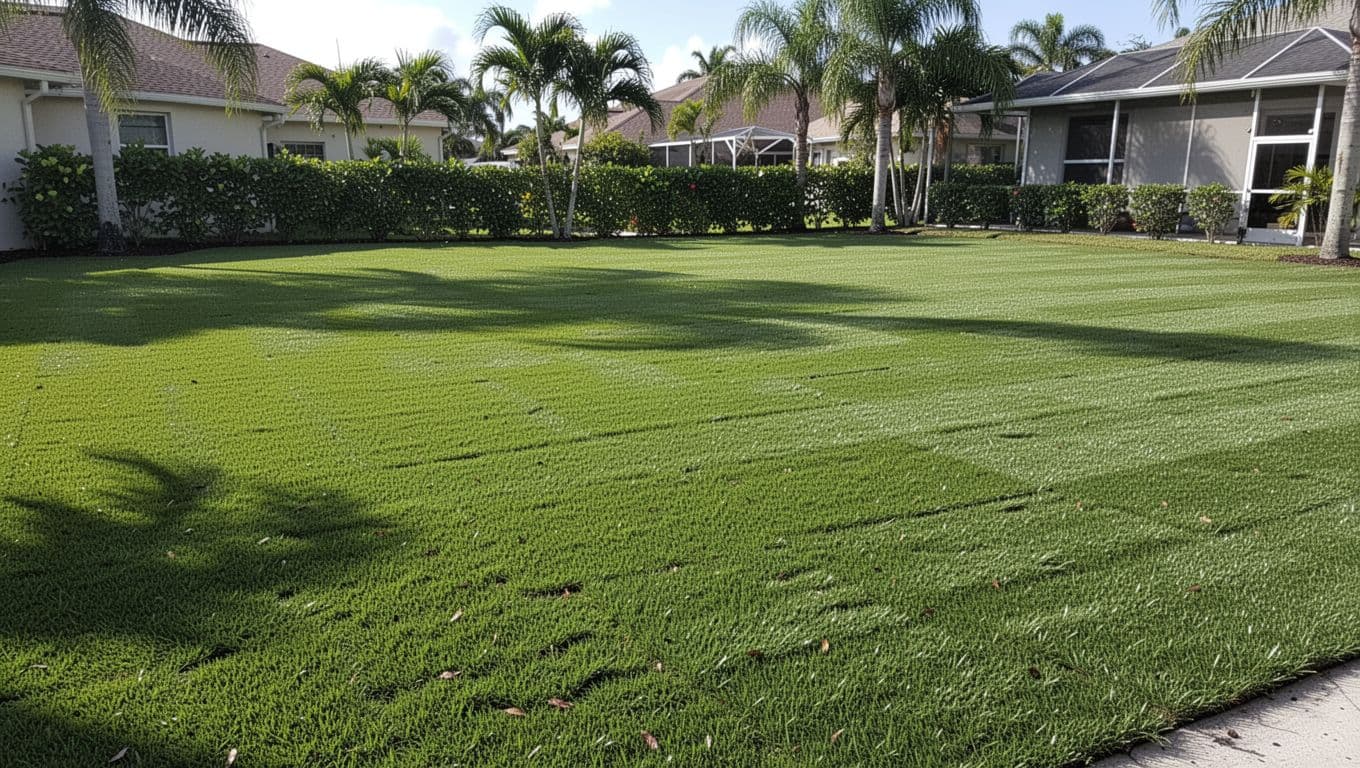
If water runs off before it sinks in, the schedule is too aggressive for your yard.
A simple watering schedule for the first three weeks
A good starting schedule helps, but it should never replace a quick soil check. Your sprinkler output, sod type, and yard layout all change the timing. Use this as a practical baseline, then adjust after the first few days.
| Time after installation | Watering rhythm | What to watch |
|---|---|---|
| Days 1 to 3 | 3 to 4 short cycles daily | Keep the top layer damp, not flooded |
| Days 4 to 10 | 2 cycles daily, morning and early afternoon | Soil should stay moist under the sod |
| Days 11 to 21 | 1 cycle daily in the morning | Roots should start holding the sod down |
| After week 3 | Every other day, then as weather allows | Shift toward deeper, less frequent watering |
The goal in the beginning is even moisture. You want the sod to stay alive and snug against the soil below it. If the edges curl, the seams open, or the grass feels dry and papery, add a little more water. If the ground feels spongy, cut back.
Morning is the best time for most homes. Early watering gives the lawn time to dry before night, which helps limit fungus. Late evening watering leaves the surface wet for too long, and that is a bad trade in humid weather.
Match the schedule to your sod type, shade, and rain
Not every lawn drinks the same way. If you're comparing grass options, sod types for Southwest Florida can help you see why watering needs change between varieties. St. Augustine, Zoysia, and Bahia all have different growth habits, so one schedule may not fit every yard.
Shade also matters. A side yard under trees usually dries more slowly than a front lawn that gets direct sun all day. That means shaded areas may need less frequent watering, but they still need attention. If the shaded side stays wet for long stretches, it can invite fungus. If the sunny side dries out quickly, it may need a short extra cycle.
Summer rain changes the plan again. A light shower may not be enough to soak the root zone, so don't assume the sod is done for the day. A hard rain, however, can replace an entire cycle or more. Check the soil under a corner of sod or near a seam before you turn the sprinklers back on.
Some homeowners also decide they want less irrigation long term. In that case, artifical turf can be a practical option for parts of the yard that stay hot, shaded, or difficult to keep watered. A local landscaping plan can mix sod, drainage, and low-water areas in a way that fits the property instead of fighting it.
Signs your watering is too much or too little
The lawn usually gives clear warnings before it fails. The trick is catching them early.
- Root rot often shows up as soft, spongy sod with a sour smell.
- Fungus can appear as spreading gray, tan, or dark patches in humid weather.
- Runoff leaves water moving across driveways, sidewalks, and paver joints instead of soaking in.
- Drought stress shows as dull blades, curled edges, visible footprints, and seams that start lifting.
Too much water can fool people because the grass still looks green for a while. Underneath, though, the roots may stay shallow and weak. That creates a lawn that looks fine one day and collapses in the heat the next.
Too little water shows up in a different way. The blades lose their upright look, the color turns blue-green or dull, and the sod can shrink slightly away from the seams. If you pull lightly on a corner and it lifts too easily, the roots are not ready yet.
A quick test helps. Press a screwdriver into the soil under the sod. It should go in with some resistance, not sink into mud and not bounce off dry, packed sand. If it feels too wet or too dry, the schedule needs a change.
Keep water where the roots need it
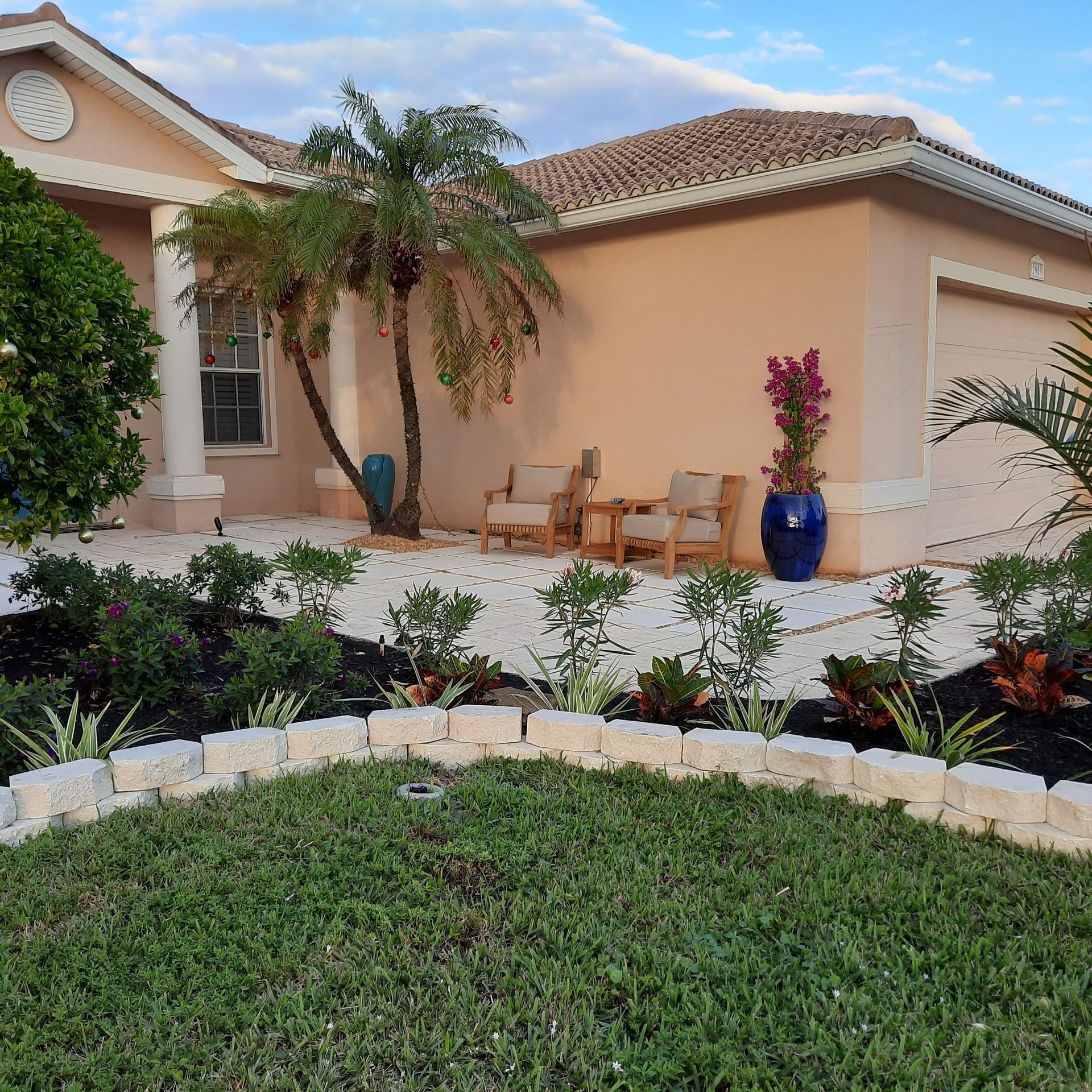
New sod should support the rest of the yard, not damage it. Excess water can wash mulch out of beds, leave dirt on pavers, and stain concrete around patios and driveways. That matters in a home with a lot of hardscape, because puddles and runoff make the whole outdoor space harder to manage.
Good landscaping keeps sod, irrigation, and drainage working together. If water keeps pooling by a slab or running toward a patio, the issue may be grading or drainage, not the sprinkler timer. A concrete company may need to correct a low spot, and paver cleaning gets easier when muddy water stops cutting across the joints.
Local watering restrictions can also change the plan. Some cities and HOAs limit days, hours, or run times, especially during dry stretches. Before you settle on a routine, check the rules for your neighborhood and make sure your watering schedule stays within them.
Conclusion
New sod in Southwest Florida needs more attention at the start, then less as the roots grab hold. The pattern is simple: keep it moist early, back off as the lawn settles, and watch how sun, shade, sand, and rain change the pace.
If the grass looks soggy, smells off, or leaves water running across the driveway, cut back. If it looks dry, lifts at the edges, or shows footprints that do not recover, add a short cycle.
The right schedule is the one that keeps the sod healthy without wasting water, and in this climate, that balance changes fast.