


How to Identify Chinch Bug Damage in Cape Coral Lawns
Brown grass in Cape Coral doesn't always mean your lawn needs more water. Chinch bug damage Cape Coral homeowners notice can look like drought stress, fertilizer burn, or a fungal problem. Treating the wrong issue can waste money and allow the real cause to spread.
The first clues are often small yellow patches in sunny areas of St. Augustinegrass. Learn what to look for, how to inspect the grass, and when professional help makes sense before applying any treatment.
Why Chinch Bug Damage in Cape Coral Lawns Appears Quickly
Southern chinch bugs are common turf pests in Florida, especially in St. Augustinegrass. They feed by piercing grass stems and sucking out plant juices. Their feeding also introduces substances that interfere with the plant's ability to move water, so damaged grass can wilt even when the soil is moist.
Cape Coral's heat, strong sun, sandy soil, and periods of dry weather can place extra stress on turf. Chinch bugs often become easier to notice in open, sunny areas where grass is already under pressure. Damage may begin near sidewalks, driveways, patios, walls, or other hot surfaces.
Early damage usually appears as irregular yellow or straw-colored patches . The affected area can expand outward over several days or weeks. Healthy grass may surround the damaged section, creating a sharp contrast between green and brown turf.
Look closely at the border of the patch. Chinch bugs often gather where living grass meets declining grass. The insects are tiny, so you may need to separate the blades with your fingers or use a magnifying glass.
Adult southern chinch bugs are small, dark insects with pale markings on their wings. Younger nymphs are smaller and may appear reddish or orange with a light band across the body. You may also find shed skins near the base of the grass.
A brown patch does not prove that chinch bugs are present. Confirm the insects or several matching signs before treating the lawn.
For homeowners planning broader landscaping improvements, pest identification should come before replacing turf, adding beds, or changing irrigation. A lawn problem can return if the underlying cause remains.
Chinch Bug Damage Cape Coral Homeowners Can Compare With Other Problems
The exact phrase chinch bug damage Cape Coral often leads homeowners to pictures of brown St. Augustinegrass. Photos help, but they can't confirm what is happening in your yard. Several common problems create similar symptoms.
Drought stress
Drought stress often affects large areas in a fairly even pattern, especially where sprinkler coverage is poor. Grass may look dull, folded, or gray-green before it turns brown. Check the soil several inches below the surface. If it is dry, inspect irrigation heads and coverage before assuming insects are responsible.
Chinch bug damage often starts in scattered patches or along hot lawn edges. The soil can remain damp while the grass still declines. Irrigation may temporarily improve drought-stressed turf, but it won't correct insect feeding.
Take-all root rot and other diseases
Fungal diseases can affect St. Augustinegrass during warm, humid weather. Disease symptoms may include yellowing, thinning, weak roots, or patches that expand across the lawn. Some diseases become more likely when the grass receives too much water or fertilizer.
Chinch bugs usually show more activity at the edge of a damaged patch. Disease problems may not produce visible insects, shed skins, or concentrated activity near the soil surface. A professional may need to examine roots, soil, and grass blades to separate the causes.
Fertilizer or herbicide injury
Spilled fertilizer, uneven applications, and herbicide drift can create sharply defined yellow or brown areas. These spots often match the shape of a spreader path, spray pattern, or accidental spill. New damage may appear soon after a lawn treatment.
Poor drainage or compacted soil
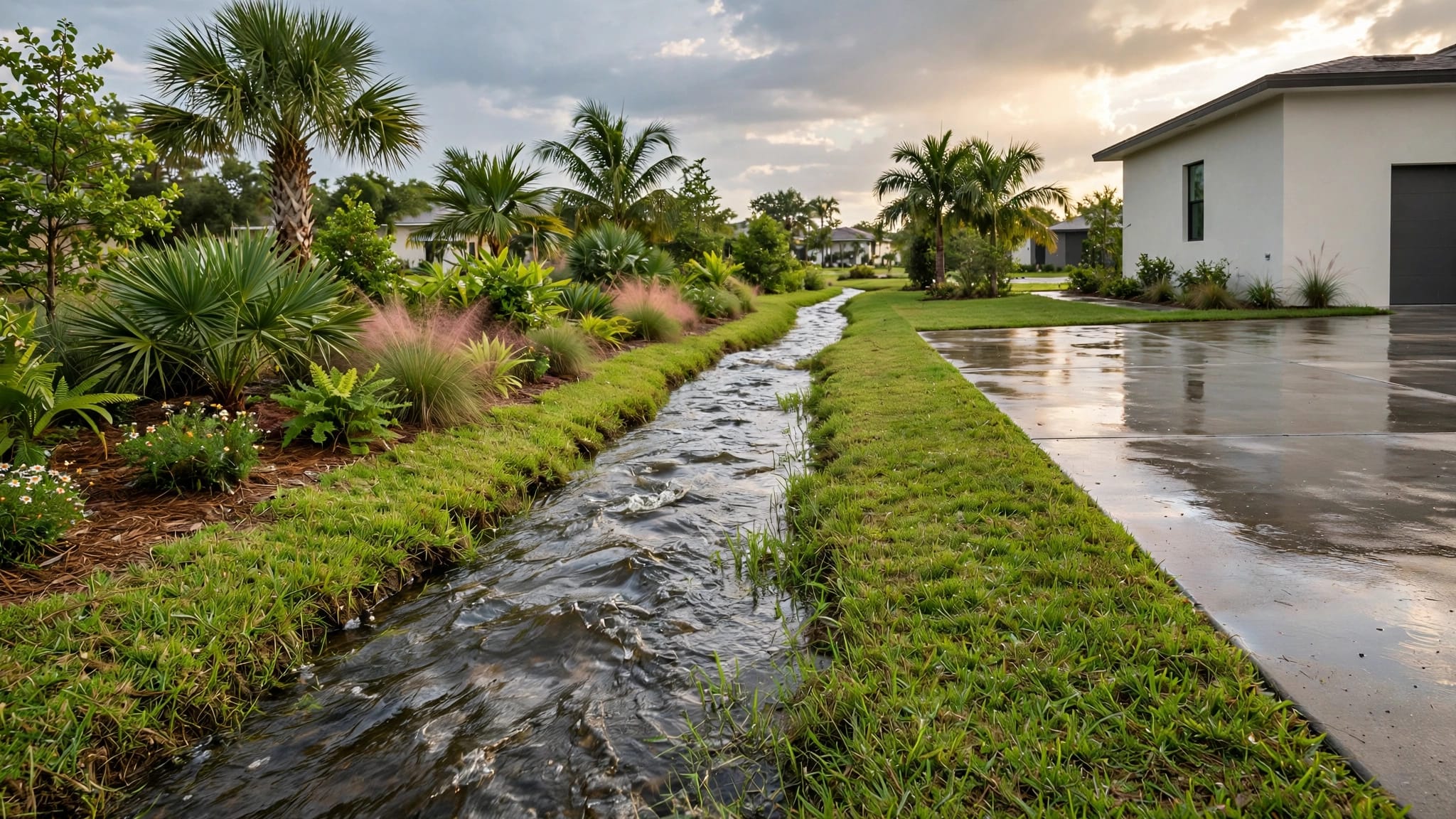
Low areas that stay wet can develop weak, thin turf. Compacted soil also limits root growth and water movement. These problems may follow a predictable drainage pattern instead of appearing only in hot, exposed sections.
If the same patch remains wet after rain, inspect drainage before applying insect control. A lawn may need irrigation repair or grading rather than another chemical product.
Your Step-by-Step Lawn Inspection Checklist
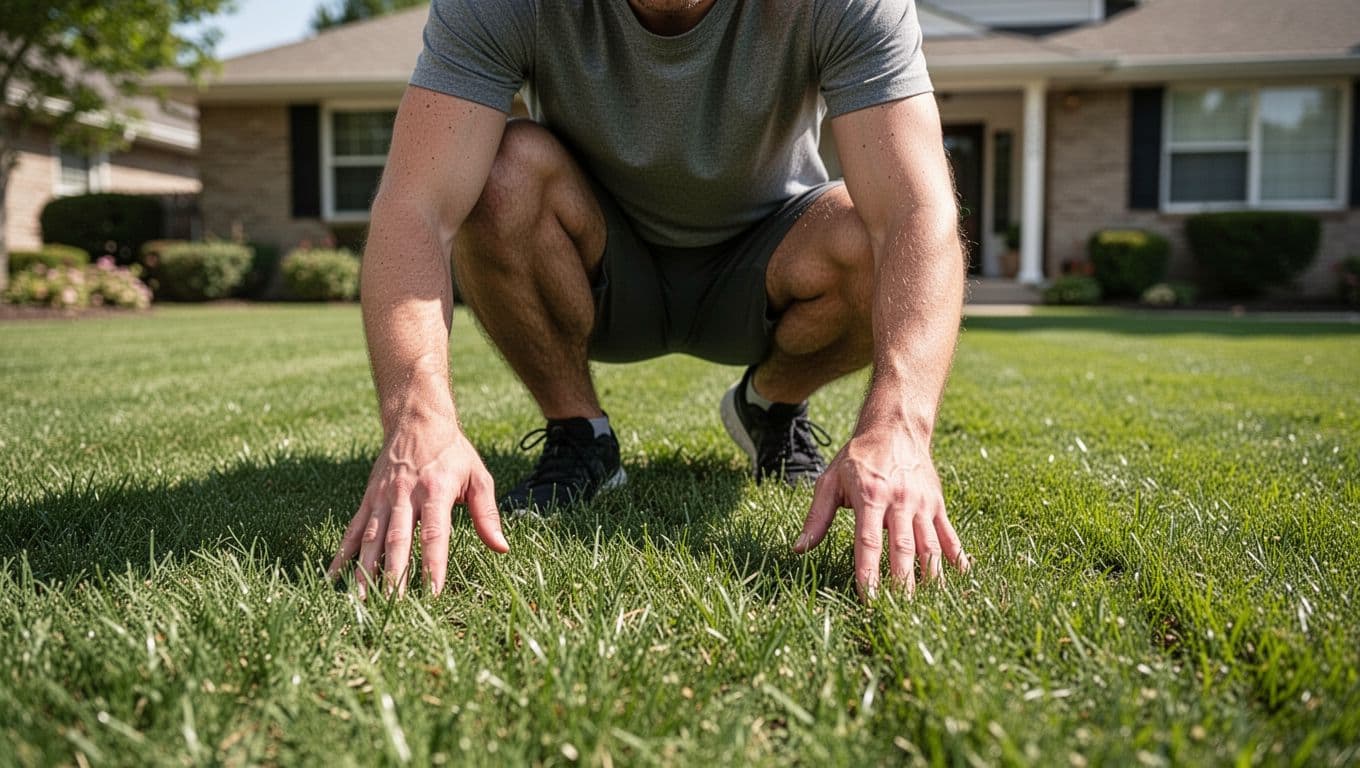
Inspect the lawn during daylight when the grass is dry. Wear gloves and closed-toe shoes, and avoid handling insects with bare hands. Move slowly because chinch bugs can hide at the base of dense turf.
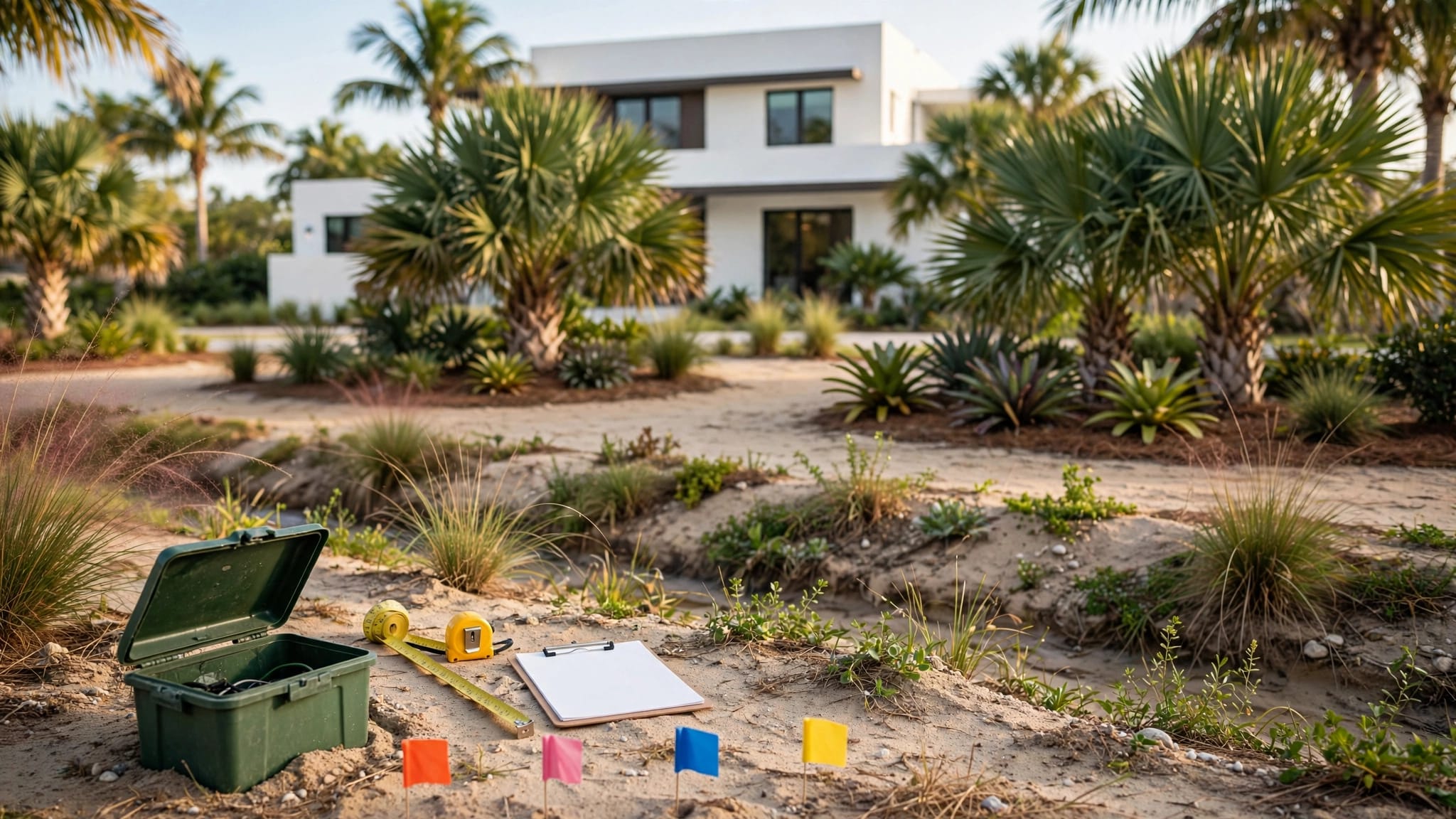
- Map the damaged area. Note whether the patch is round, irregular, sharply edged, or connected to a driveway, walkway, wall, or other warm surface. Take a clear photo so you can compare changes over several days.
- Check the soil moisture. Push a screwdriver or similar blunt probe into the soil near the patch and in healthy grass. Dry soil points toward irrigation or drought stress, while moist soil with declining turf deserves closer insect inspection.
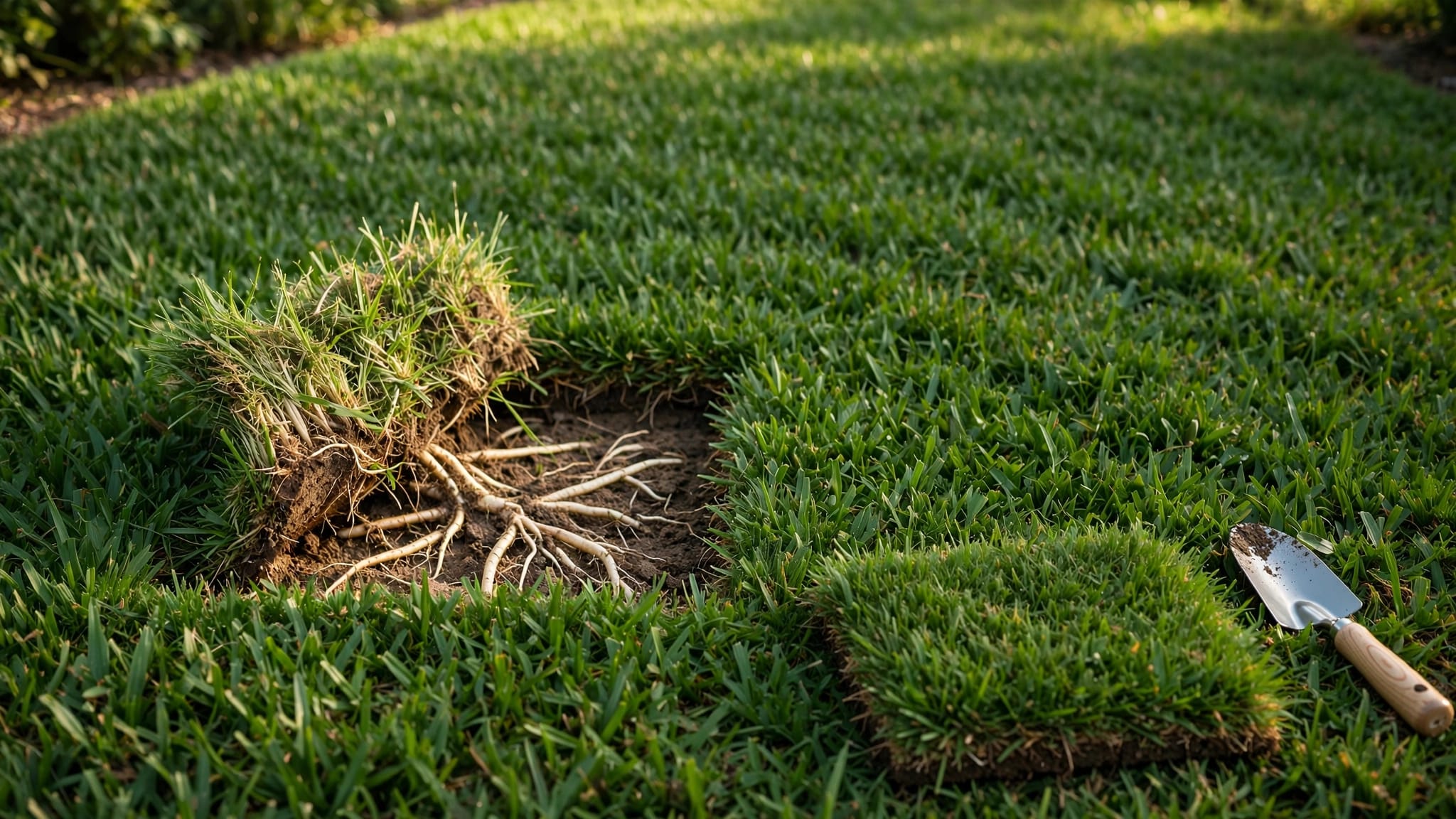
- Separate the grass blades. Look at the thatch and soil line, particularly where green turf meets brown turf. Search for small black insects with light markings, reddish nymphs, or pale shed skins.
- Use the white-cloth test. Place a white cloth or sheet of paper against the grass and brush the blades toward it. Small insects may move onto the light surface, where they're easier to see. Don't rely on this test alone, since insects can escape into the thatch.
- Inspect nearby turf. Check several points around the patch instead of examining one blade or one square foot. Look for a pattern of spreading yellow grass and live insects along the border.
- Record recent lawn care. Write down watering, mowing, fertilizing, herbicide use, heavy rain, and construction work. Timing can help distinguish pest activity from chemical injury, disease, or drainage trouble.
Don't apply insecticide simply because you find one insect. Lawns contain many harmless insects, and misidentification can injure turf, beneficial organisms, pets, or people. A qualified lawn-care professional can confirm the pest and recommend an appropriate response.
What to Do After You Confirm the Problem
Once chinch bugs are confirmed, follow the product label and all applicable Florida and local regulations. Labels specify where a product can be applied, how much to use, required protective equipment, and restrictions involving children, pets, water, and rain. Never combine products or increase the application rate because a patch looks severe.
Keep people and pets away from treated areas for the time stated on the label. Store products in their original containers, and never pour leftover material into a drain, canal, or stormwater inlet. Cape Coral properties often sit near canals and drainage systems, so careful handling matters.
Treatment alone may not restore grass that has already died. Remove badly damaged material only after confirming the cause, then address irrigation, mowing height, thatch, and soil conditions. St. Augustinegrass that still has living crowns and runners may recover with proper care. Completely dead sections may require repair or new sod.
Avoid mowing too short while the lawn is stressed. Keep mower blades sharp, and remove only the amount recommended for the grass type. Overwatering can also create new disease and root problems, so adjust irrigation based on soil moisture and local watering requirements.
A recurring infestation may call for a broader lawn assessment. If turf replacement becomes necessary, compare healthy sod with artificial options carefully. Search results sometimes use the misspelled term artifical turf , but the product's drainage, heat, maintenance, and installation requirements still need careful review.
Hardscape work may also be part of the repair. For example, a concrete company can correct a damaged walkway or patio edge that contributes to poor drainage, while professional paver cleaning can remove buildup without directing debris into the lawn. These improvements won't treat chinch bugs, but they can help create better conditions around the repaired turf.
When to Call a Lawn-Care Professional
Call a qualified professional when the insects are difficult to identify, the brown area continues expanding, or the lawn has several possible causes. Professional help is also wise when the property includes children, pets, wells, ponds, or drainage channels that make product selection more sensitive.
Bring photos and notes about recent lawn care to the appointment. A useful inspection should include the grass type, soil moisture, thatch layer, damaged area, surrounding conditions, and signs of disease or irrigation failure. Ask what the professional found before approving treatment.
Severe damage may require more than pest control. The lawn could need sprinkler repair, soil correction, drainage work, disease management, or selective re-sodding. Professional landscape design and installation can also help when lawn repairs are part of a larger Cape Coral yard refresh.
Be cautious with anyone who promises a diagnosis without inspecting the turf. Accurate identification matters because drought stress, disease, fertilizer injury, and chinch bugs require different solutions. A second opinion can prevent unnecessary treatment and replacement costs.
Conclusion
Chinch bug damage in Cape Coral lawns often begins as yellow or brown turf in hot, sunny areas of St. Augustinegrass. Check the soil, inspect the patch edge, look for insects near the thatch, and compare the pattern with recent watering or lawn treatments.
The strongest clue is a combination of spreading damage and confirmed chinch bugs, not color alone. Identify the cause before treating , follow product labels and local rules, and contact a qualified lawn-care professional when the diagnosis is uncertain or the infestation is severe.