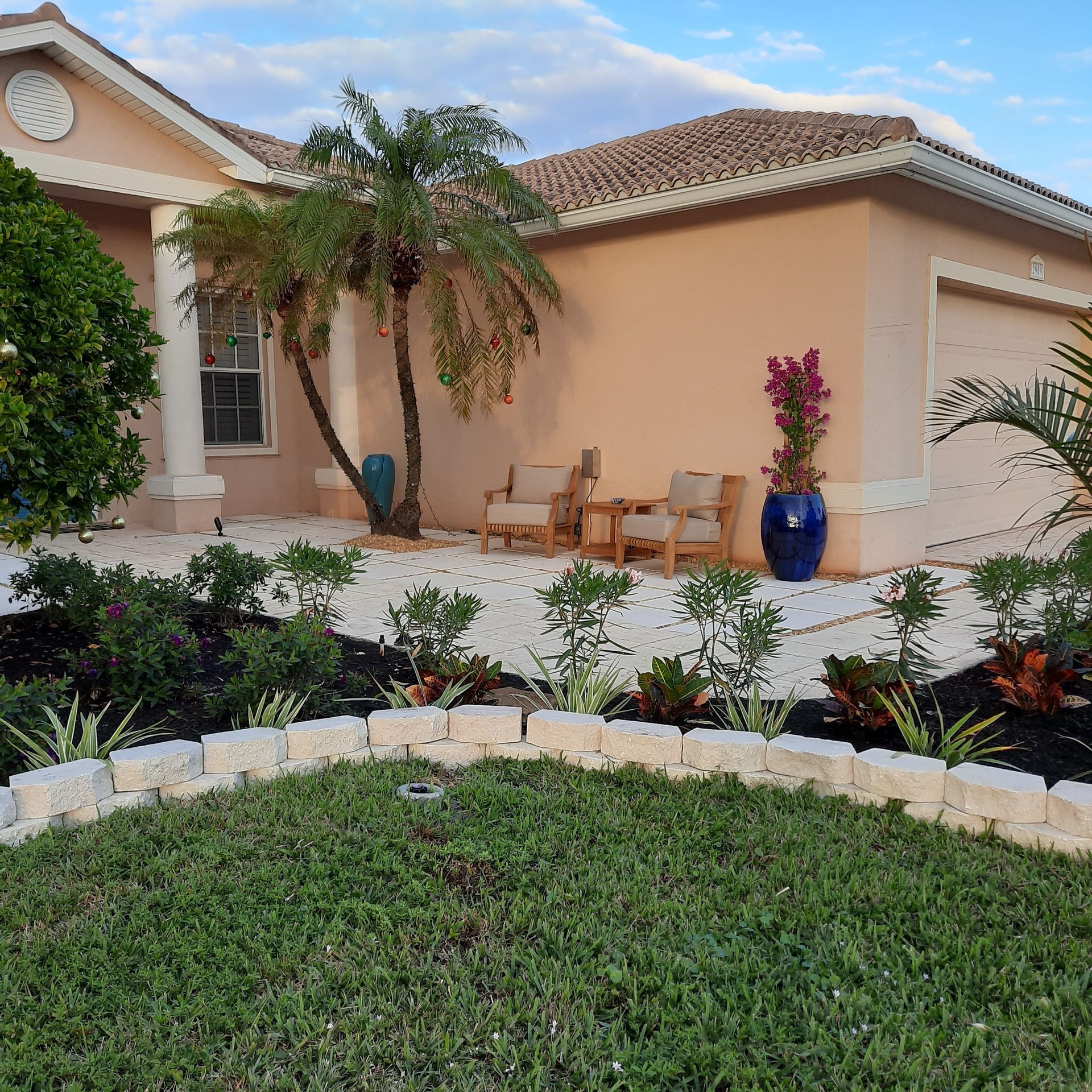



Why St. Augustine Grass Produces Seed Heads in Cape Coral
St. Augustine grass produces seed heads as part of its natural reproductive growth. The stalks can look unfamiliar against a neatly mowed lawn, but their presence alone doesn't mean the grass is unhealthy.
The useful distinction is between the seed head and the condition of the lawn around it. Before changing your watering or mowing routine, take a closer look at the plant and the surrounding turf.
Why St. Augustine Grass Produces Seed Heads
Like other grasses, St. Augustine can form flowering structures. These structures rise from the grass plant and may look different from its broad, familiar leaf blades.
A seed head is part of the plant's reproductive growth. It isn't, by itself, a weed or a sign that the lawn needs fertilizer. You also can't diagnose a watering problem or pest infestation by looking at a seed head alone.
Cape Coral lawns experience changes in temperature, rainfall, and growing conditions throughout the year. St. Augustine is a warm-season grass, so its overall growth tends to be more active in warm weather and slower during cool spells. Those changes affect how often you need to mow and how much attention the lawn needs.
Look at the whole lawn when deciding whether to act. Thick green turf with a few upright stalks calls for a different response than a lawn with spreading brown patches or thinning runners.
What St. Augustine Seed Heads Look Like
St. Augustine seed heads can be easy to overlook until they stand above the rest of the lawn. Start by examining the stalk and the plant it's attached to.
Follow the Stalk to the Runner
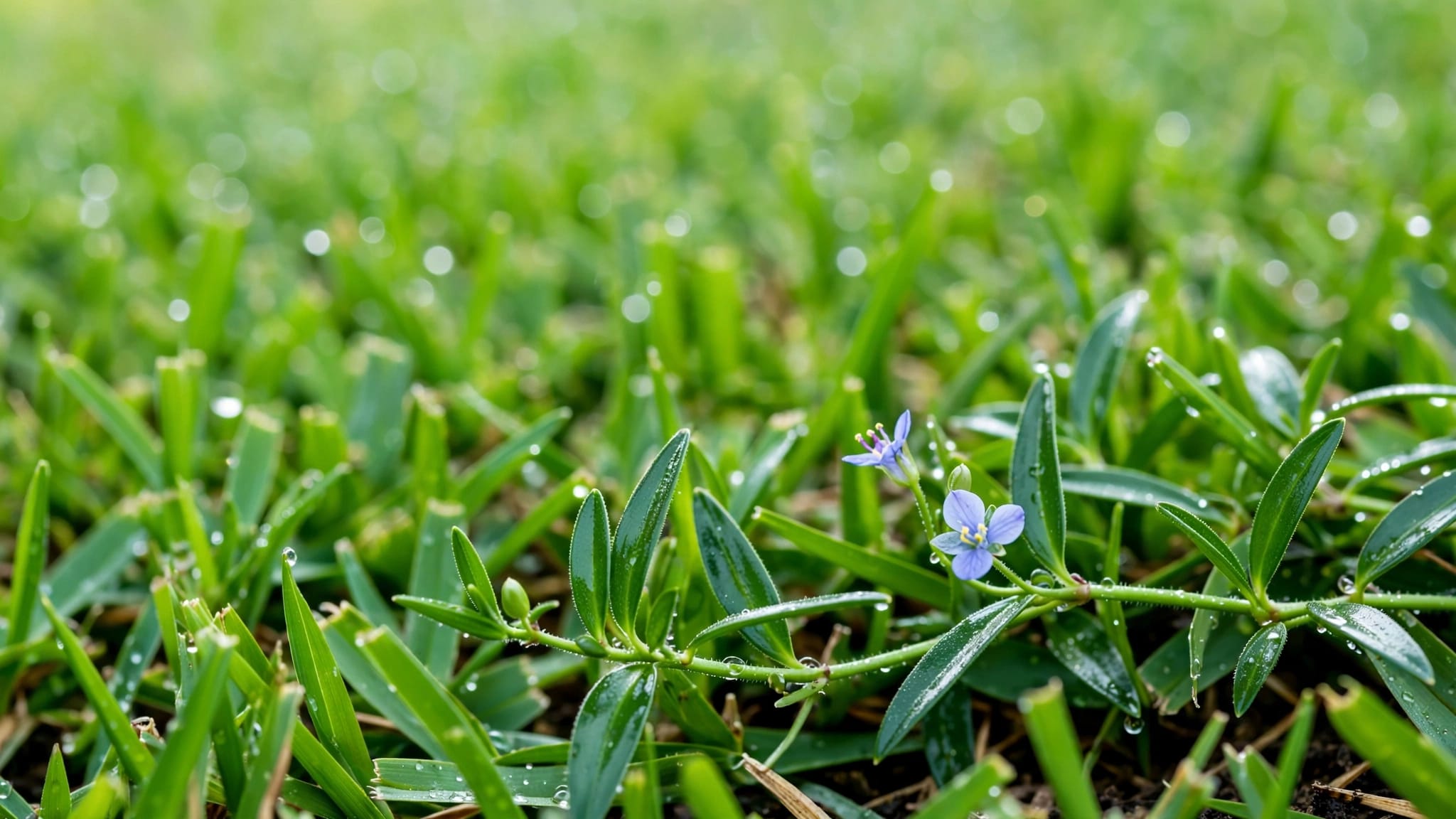
St. Augustine has broad, flat blades and thick runners called stolons . These runners grow along the soil surface, with leaves emerging at points along them.
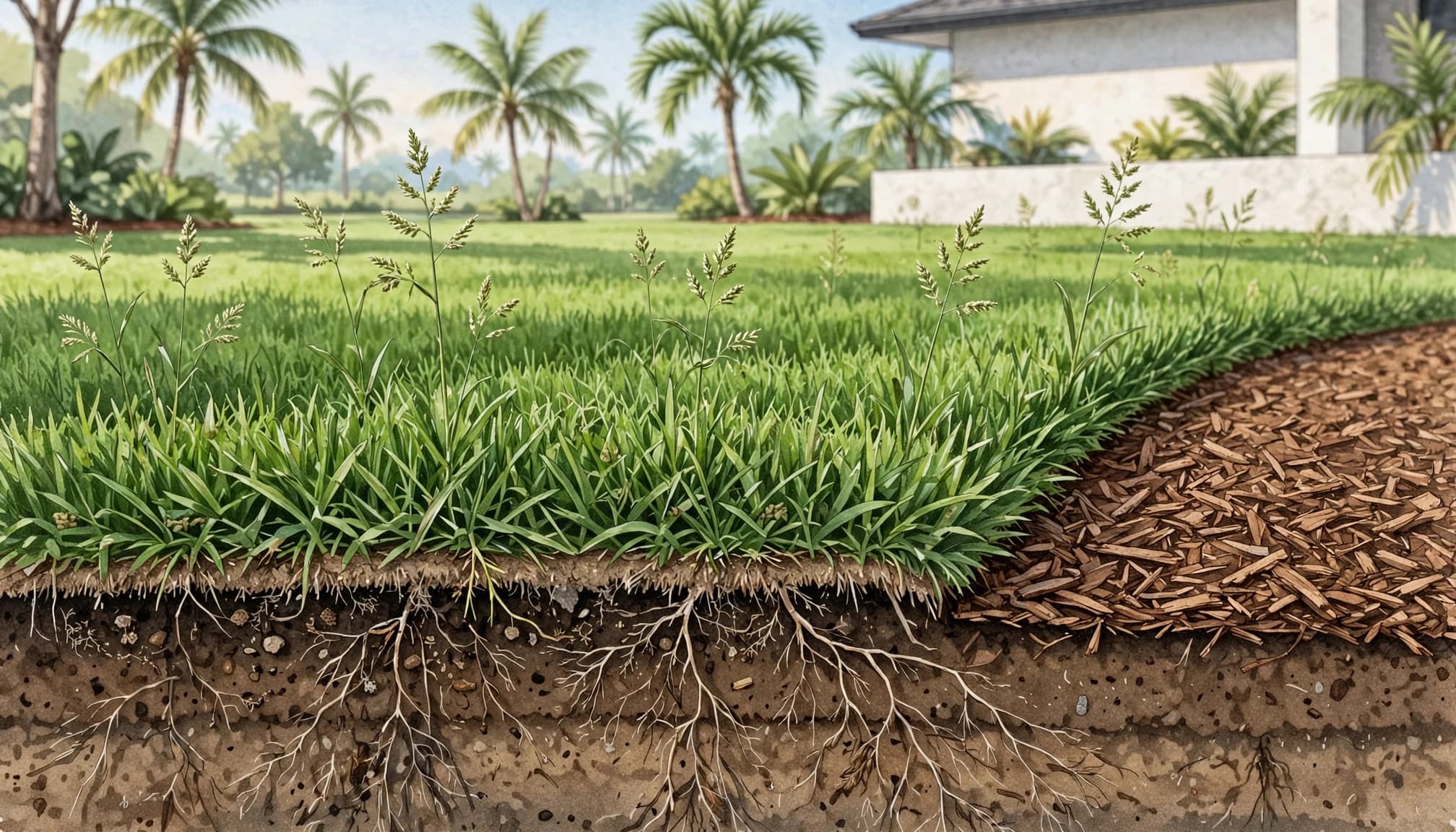
Part the surrounding grass and trace the upright stalk toward its base. If it connects to a St. Augustine runner, you're looking at a structure growing from the lawn grass. The flower-bearing portion is a spike rather than a typical leafy blade.
Avoid pulling up a large section of healthy turf while you inspect it. A gentle look at the runner and nearby leaves is usually enough to tell whether the stalk belongs to the grass.
Compare Several Areas of the Lawn
Examine a healthy section nearby as well as the area that caught your attention. Compare blade width, color, and how the plants connect at ground level.
A single tall shoot in an otherwise uniform lawn may be a different plant. On the other hand, several stalks attached to the same kind of broad-bladed runners can help you recognize the grass's own growth.
If you can't trace the stalk clearly, take a close photo of the whole plant, including its base. That gives a lawn professional or local extension office more useful information than a photo of the tip alone.
How to Tell Seed Heads From Weeds
A tall stem doesn't automatically identify a plant. In a mixed lawn, you may find St. Augustine alongside other grasses or sedges, each with a different growth habit.
Look for Bahia's Forked Seed Head
Bahia grass often produces tall seed heads with a distinctive forked appearance. Its foliage is generally coarser than St. Augustine, and its growth can stand out in a lawn planted mainly with another grass.
If you find a forked head, inspect the plant at ground level instead of assuming it came from your St. Augustine. Our comparison of Cape Coral lawn grass types covers how Bahia, St. Augustine, and Zoysia differ as lawn choices.
Check for Upright Nutsedge Shoots
Nutsedge is a sedge rather than a grass. Its shoots often look brighter green and more upright than the surrounding turf, and its stem may feel triangular when you roll it gently between your fingers.
Nutsedge can appear in wet or compacted areas, including low spots near patios and sprinkler heads. Mowing may shorten the visible shoot, but it doesn't address the conditions supporting the sedge.
Don't apply a weed killer until you know what you're treating. A product that controls one plant can injure St. Augustine if the label doesn't allow its use on that turf.
What Seed Heads Indicate About Lawn Health
Seed heads tell you that the grass has formed reproductive growth. They don't tell you whether the roots have enough water, whether the soil needs nutrients, or whether insects are present.
For a better assessment, look at the blades and runners. A dense lawn with steady green growth and no expanding damage generally needs routine care. A thin lawn, persistent wilting, or patches that grow larger deserve closer inspection.
Watch for Dryness and Uneven Irrigation
Dry St. Augustine may develop a blue-gray cast, folded blades, or footprints that remain visible after you walk across it. These signs are more useful when considered alongside the soil moisture below the surface.
In Cape Coral's sandy soil, dry areas can develop near corners, walls, and sidewalks where irrigation coverage misses the grass. Meanwhile, another section of the same yard may be damp. Adding time to every sprinkler zone can leave the wetter areas oversaturated.
Examine Brown Patches Separately
Southern chinch bugs feed on St. Augustine and can cause irregular yellow or straw-colored areas, often in sunny locations near hot pavement. Disease and irrigation problems can also discolor turf.
Moist soil beneath wilting grass is one reason to look beyond drought. Inspect the edge where healthy and damaged grass meet, and get help identifying the problem before applying an insecticide or fungicide.
How Mowing Affects Their Appearance
A mower cuts stalks that extend above its cutting height, so a normal mow can make visible seed heads less noticeable. Keep the focus on a healthy cut rather than lowering the mower to chase every stalk.
Set the Mower for Your Grass
For most standard St. Augustine cultivars, including Floratam, a height of about 3.5 to 4 inches is a practical target. Four inches is often the safer setting during Cape Coral's hottest weather.
A taller cut leaves more blade area and helps shade the soil. Cutting too low can expose and damage the runners, leaving the lawn more vulnerable to thinning. Our St. Augustine mowing-height guide explains how grass variety and growing conditions affect the setting.
If you have a dwarf cultivar, its recommended height may differ from the range for standard varieties.
Mow According to Growth
Follow the one-third rule: remove no more than one-third of the leaf blade in a single mowing. During active growth, that may mean mowing more often than you would during a cool spell.
Keep the blade sharp for a cleaner cut. Wait until the grass and soil surface are dry enough to avoid ruts and heavy clumps. If the lawn is severely wilted and brittle, let it recover before putting a mower across it.
You don't need to collect every clipping. Small clippings can remain on the lawn, while thick piles should be spread out or removed so they don't smother the grass beneath them.
Water for the Lawn, Not the Stalks
Irrigation should respond to the lawn's condition and the weather. The presence of seed heads alone isn't a reason to add another watering day.
Match Watering to Soil and Rainfall
Check whether the soil is dry below the surface and look for signs of wilting before running the sprinklers. Established turf benefits from water reaching the root zone rather than frequent, shallow wetting.
During rainy periods, reduce unnecessary irrigation. Standing water and persistently saturated soil can weaken roots and make lawn problems harder to sort out. Follow the watering rules that apply to your property.
New sod needs a different schedule while its roots establish. Once it has rooted, the goal is to transition toward the routine used for established turf.
Fix Coverage Before Adding Run Time
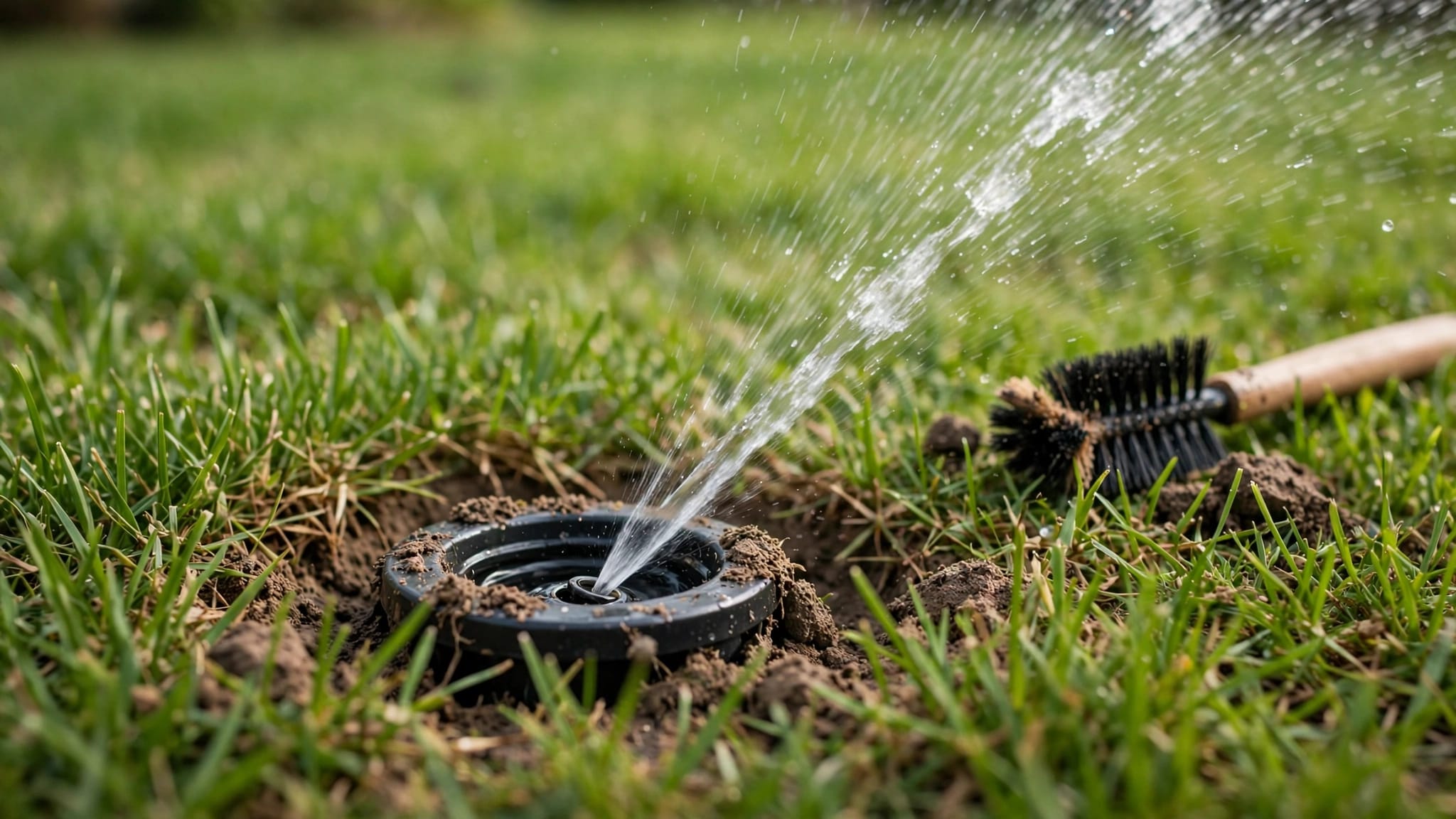
If one strip stays dry while adjacent turf is damp, inspect the sprinkler zone. A blocked spray pattern, tilted head, or obstruction from a plant bed can keep water from reaching the problem area.
Our guide to adjusting sprinkler heads shows how to identify uneven coverage. Repairing the missed area can be more useful than watering the whole lawn longer.
Feed and Maintain the Lawn Carefully
Seed heads don't establish a need for fertilizer. A pale lawn may be responding to cool weather, heavy rain, poor irrigation, or another condition that extra nutrients won't correct.
Fertilize when the grass is actively growing and has a reason to need nutrients. A soil test can help identify deficiencies, while measured application helps avoid putting down more product than the lawn needs. Our guide to fertilizing St. Augustine in Southwest Florida covers timing and application practices.
Cape Coral has seasonal fertilizer restrictions and a 15-foot buffer around waterways for residential landscapes. Keep granules off driveways, sidewalks, and drainage routes. If some land on a hard surface, sweep them back onto the lawn rather than washing them toward a drain.
Routine maintenance also includes watching for shade and traffic. St. Augustine tolerates some filtered shade, but deep shade can leave it too thin to recover well. Replacing sod without addressing the conditions beneath a tree may lead to the same sparse patch.
When to Consider a Different Lawn Solution
Occasional seed heads alone aren't a reason to replace St. Augustine. If the lawn is otherwise dense and functional, regular mowing and sensible care may be all it needs.
Persistent thin spots call for a closer look at how the yard is used. Heavy foot traffic, compacted soil, poor drainage, and limited sunlight can all make a location difficult for grass. Correcting the underlying condition can give existing turf or new sod a better chance to fill in.
For an area where living grass repeatedly struggles, a landscaping change may make more sense. A suitable planting bed or properly installed artificial turf can reduce the amount of lawn in that space. Artificial turf still needs a prepared base and drainage, so it should be planned around the site rather than placed over a wet problem area.
At Outdoor Life Pros, we work with Cape Coral homeowners on sod, irrigation repairs, and other outdoor improvements. The right approach depends on what the lawn is doing and how you want to use the yard.
Keep the Focus on Healthy Grass
St. Augustine seed heads are a form of natural growth, and they aren't a diagnosis. Look at the plant's connection to the runner, then assess the surrounding lawn before making changes.
A suitable mowing height and careful watering support healthy turf without treating every visible stalk as a problem. If you find spreading damage or a plant you can't identify, address that issue on its own.