


Why St. Augustine Grass Thins Under Cape Coral Trees
St. Augustine grass thins beneath trees because reduced sunlight limits the energy it needs to grow and replace damaged leaves. Although it tolerates some shade, deep shade can leave it too weak to maintain a dense lawn.
In Cape Coral, sandy soil, uneven irrigation, and summer rainfall can add stress to an already shaded patch. Replacing the sod without changing those conditions often produces the same result.
Start by separating a light problem from a maintenance problem, then decide where grass still makes sense.
Key Takeaways
- St. Augustine grass can handle filtered light, but dense tree shade can prevent lasting coverage.
- Careful pruning, suitable mowing heights, irrigation adjustments, and less foot traffic can help marginal areas recover.
- Where shade remains heavy, a planted bed or mulched area often makes more sense than repeated sod replacement.
Why St. Augustine Grass Struggles in Tree Shade
Less sunlight means less energy for growth
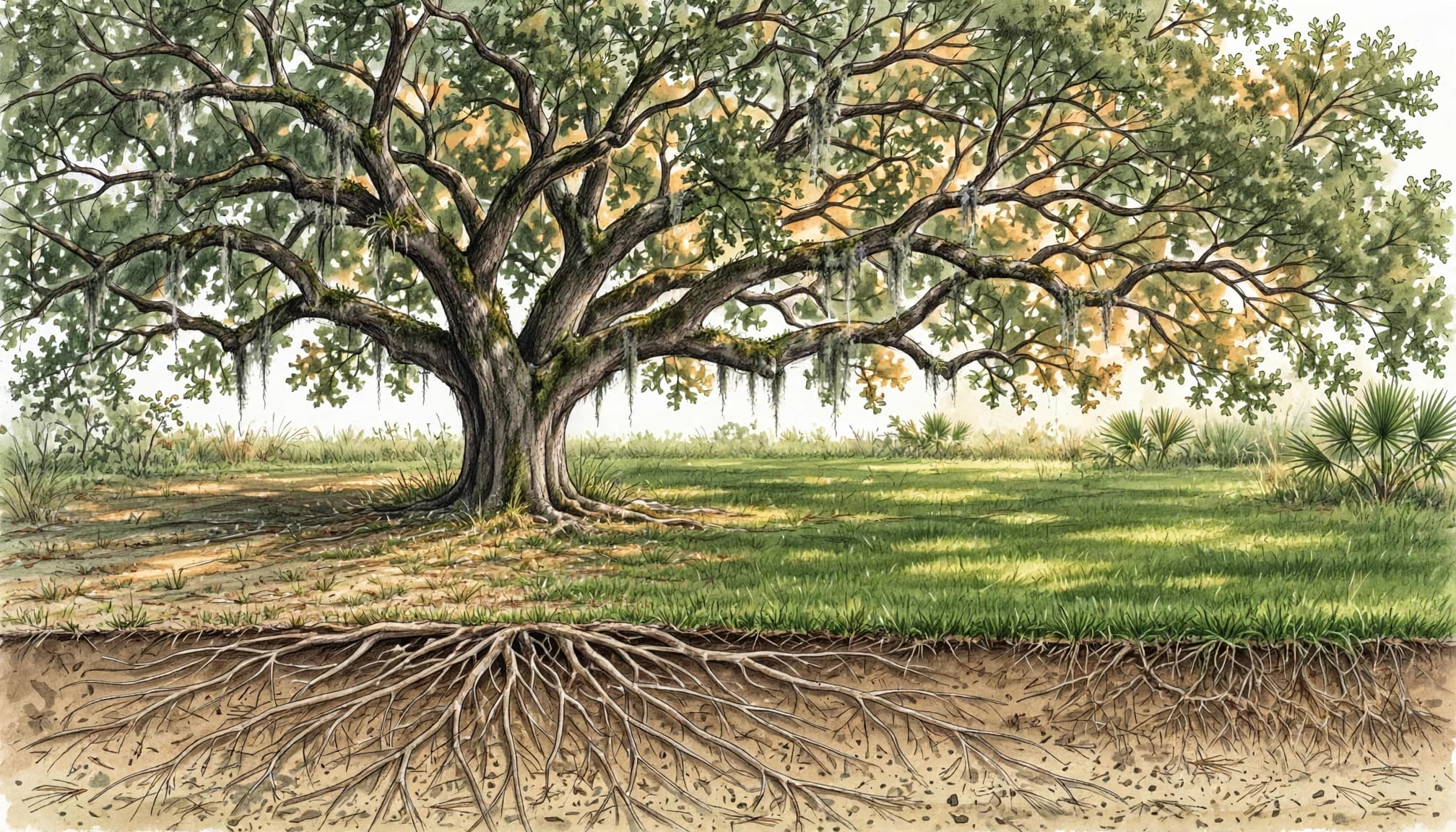
Grass needs sunlight for photosynthesis, the process that produces energy for growth. Beneath a dense canopy, St. Augustine has less energy available to develop leaves and spread through its aboveground runners, called stolons.
As growth slows, ordinary wear becomes harder to repair. A mower turn or a frequently used shortcut can leave damage that persists.
Shaded grass may also develop longer, thinner leaves as it reaches for available light. Those leaves don't necessarily indicate healthy growth. Meanwhile, gaps between runners expose more soil, and the lawn gradually loses its thick appearance.
Filtered light differs from deep shade
St. Augustine's shade tolerance doesn't mean it can grow beneath every tree canopy. Moving patches of sunlight create different growing conditions than continuous shade beneath overlapping trees and a nearby roofline.
Seasonal sun angles also matter. A lawn edge that receives useful light during summer may spend much longer in shade during fall and winter.
Cape Coral homeowners should judge the whole day's exposure rather than one bright moment. If the lawn grows densely just beyond the canopy but remains sparse underneath, limited light deserves attention before another sod installation.
Read the Patch Before Replacing the Sod
Observe the problem area in the morning, around midday, and late afternoon. Notice where direct light reaches the lawn and where the canopy blocks it throughout the day.
Then compare the thin area with nearby healthy grass. A decline that follows the canopy's outline points toward light limitations. However, damage extending into sunny areas calls for a broader assessment.
Look at moisture as well. Cape Coral's sandy soils can dry quickly, but compacted soil, low spots, and roof runoff can create wet pockets. Shade alone doesn't tell you whether the soil needs more water.
Before replacing turf, assess:
- Whether sprinklers reach the entire patch or leave dry strips.
- Where water collects after irrigation or a summer storm.
- How often people, pets, and mower wheels cross the area.
Avoid treating every pale patch with fertilizer. Our guide to St. Augustine fertilizer timing covers feeding during active growth. Likewise, aggressive dethatching can damage weak runners. Use safe St. Augustine thatch removal practices when excess thatch is actually present.
Prune for More Light Without Sacrificing the Tree
Selective pruning can improve conditions when a few low or crowded branches block useful sunlight. However, removing large amounts of foliage to rescue a lawn can damage a valuable tree.
An arborist can identify appropriate cuts and explain how much additional light the lawn is likely to receive. Branches near utility lines or large limbs over the house require professional handling.
Avoid topping trees or stripping out the canopy's interior. Cape Coral's storm exposure makes sound tree structure important.
Also protect the ground beneath the tree during the work. Keep equipment off exposed roots, and don't bury them beneath added soil to create a smoother mowing surface.
After pruning, reassess the light pattern before installing new sod. If substantial shade remains, a smaller lawn surrounded by planting beds may be the better layout.
Adjust Irrigation to the Shaded Lawn
Respond to soil moisture and rainfall
Shaded turf often dries more slowly because it receives less direct sun. As a result, the watering schedule that suits an open front lawn may keep a sheltered patch unnecessarily wet.
Established St. Augustine shows water stress through folded leaves, a blue-gray appearance, and footprints that remain visible. Use those signs alongside soil moisture rather than watering because the surface looks pale.
During Cape Coral's rainy season, reduce unnecessary irrigation when storms supply enough water. In contrast, dry-season conditions can expose coverage problems that summer rainfall concealed.
Avoid short daily cycles that repeatedly wet the grass without adequately moistening its root zone.
Fix coverage before changing the timer
Watch an irrigation cycle from beginning to end. A leaning head, blocked nozzle, or poorly aimed spray can leave one section dry while soaking another.
Adjusting the entire zone won't solve every coverage problem. Sometimes a head repair or layout adjustment is needed to serve turf and planting beds appropriately.
Overspray also creates problems beyond the lawn. Paver cleaning can remove surface buildup, but redirecting the spray addresses the recurring moisture source.
A shaded patch can receive too much irrigation even when another part of the same sprinkler zone remains dry.
Correct the distribution problem before increasing runtime across the yard.
Mow Higher and Reduce Wear on Weak Grass
Keep enough leaf surface to support growth
Cutting shaded St. Augustine short removes the leaf area it needs to capture limited sunlight. It can also expose runners and make an already thin patch look worse.
For standard cultivars such as Floratam, BitterBlue, and Classic, a mowing range of 3.5 to 4 inches is appropriate. A 4-inch setting suits many standard St. Augustine lawns in partial shade.
Dwarf cultivars need different settings, so don't apply the standard height to every lawn. Our guide to St. Augustine mowing height explains those differences.
Keep mower blades sharp, and follow the one-third rule: remove no more than one-third of the leaf blade per mowing.
Give the runners a chance to recover
Shade slows recovery, so repeated traffic can gradually turn a thin area into bare soil. Dogs following the same fence line and people taking the same shortcut create concentrated wear.
Redirect that traffic while the lawn recovers. Move temporary play equipment, change the route to the gate, and avoid turning the mower repeatedly in one spot.
Also mow according to growth rather than treating every section identically. A slower-growing shaded patch may not need cutting as often as the sunny lawn.
If the route is essential, incorporate a designated path instead of expecting weak grass to withstand daily use.
Replace Deep-Shade Turf With a Useful Planting Bed
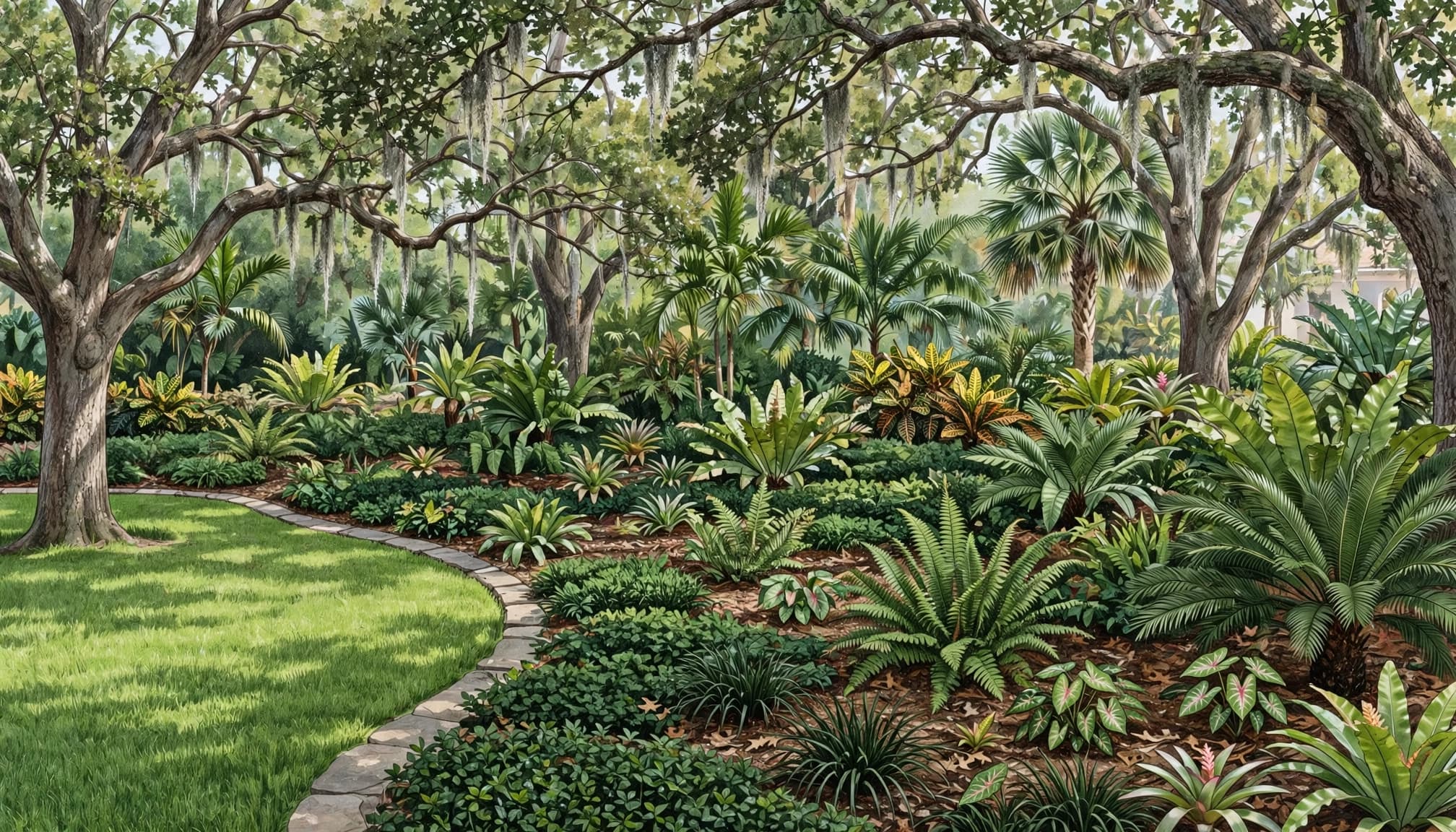
When useful sunlight remains limited, changing the landscaping can end the cycle of replacing unsuccessful sod.
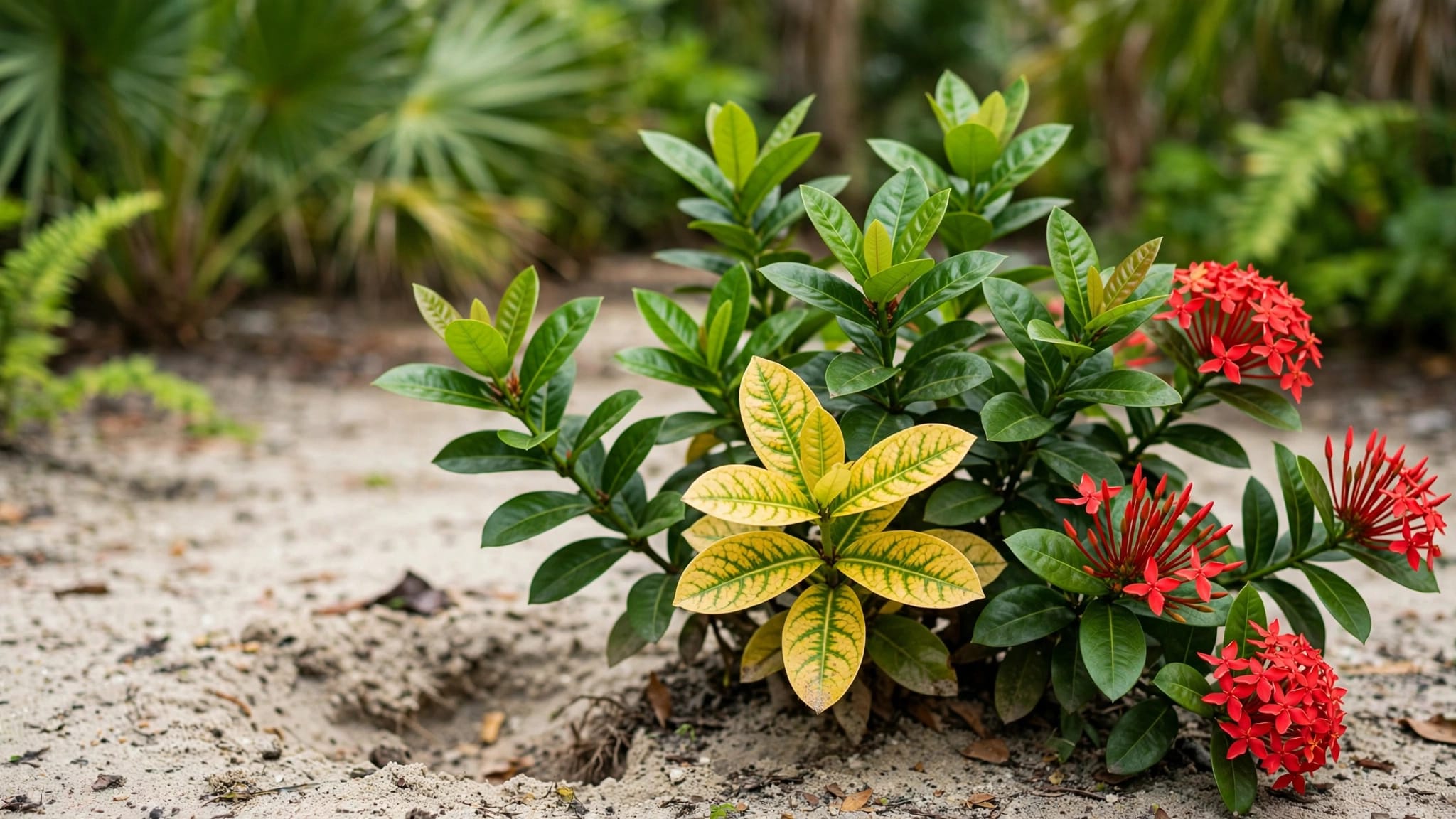
Mondo grass works in shaded ornamental beds, while cast-iron plant provides taller foliage in protected shade. Neither replaces a lawn for regular foot traffic. Match the planting to moisture conditions as well as light, because a dry shaded bed differs from one receiving roof runoff.
Mulch can provide coverage while plants establish. Keep it clear of tree trunks and plant crowns, and avoid piling material over exposed roots.
Perennial peanut belongs in a different discussion because it performs best in sunnier locations. Our perennial peanut and St. Augustine comparison helps distinguish those uses.
For a narrow dog run, artificial turf is another option, but it still needs a suitable base, drainage, and cleaning. Installation near mature trees also needs root protection.
Where a permanent walkway makes sense, a concrete company should plan its route and grading around existing trees. Excavation and compaction can damage roots, so avoid treating the shaded area as unrestricted construction space.
At Outdoor Life Pros, we offer landscape design, irrigation repair, sod, and artificial grass services. Coordinating those elements through the Cape Coral landscape installation process helps address drainage and layout before new plants or turf go in.
Frequently Asked Questions
Will new St. Augustine sod fill a shaded bare patch?
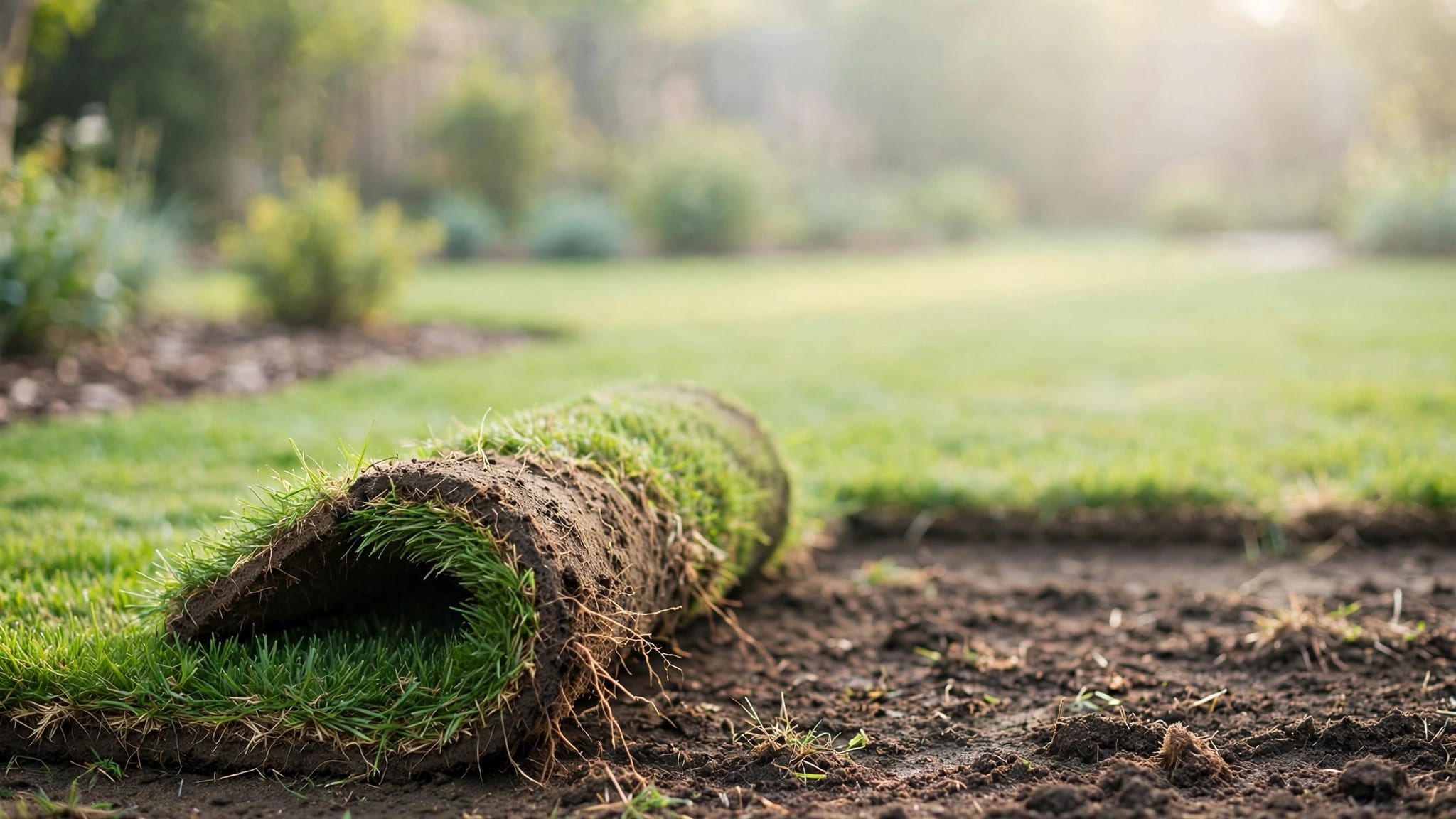
New sod provides immediate coverage, but it won't overcome persistent deep shade. Improve the light and correct maintenance problems first. Otherwise, the replacement grass can thin again once its initial coverage gives way to growth under the same conditions.
Should shaded St. Augustine receive extra fertilizer?
Extra fertilizer doesn't replace sunlight. Feeding weak grass without addressing the growing conditions can encourage growth the site cannot support well. Base fertilizer decisions on the lawn's needs and active growing season rather than assuming every thin patch lacks nutrients.
Can grass and ground cover share the same tree area?
Yes. Keep grass along the brighter outer edge and use shade-suited plants or mulch nearer the darker portion. However, keep regular walking routes separate from ornamental ground cover. Adjust irrigation so each area receives appropriate moisture.
Give the Grass a Site Where It Can Succeed
St. Augustine can remain useful beneath light, filtered shade when mowing, irrigation, and traffic suit the conditions. Persistent deep shade calls for a different approach.
The strongest plan protects the tree while matching each part of the yard to its available light. Keep lawn where it can grow, and use shade-suited planting beds where repeated sod replacement has become routine.