


Pool Cage Extension Cost in Cape Coral: 2026 Guide
A pool cage extension can turn a tight lanai into a more comfortable outdoor living area, but the price depends on much more than square footage. In Cape Coral, pool cage extension cost commonly falls between $12,000 and $30,000 for a standard project in 2026.
Smaller, simple additions may cost less, while tall frames, panoramic spans, solid roof panels, engineering, and deck work can push the total above $45,000. Before comparing estimates, you need to understand the local price ranges, hurricane-code requirements, and Cape Coral's updated permit process.
What Does Pool Cage Extension Cost in Cape Coral in 2026?
Local pricing guides place professionally installed pool cage extensions around $12 to $25 per square foot . However, contractors may price a project as a complete package instead of using a simple square-foot rate.
A straightforward extension with standard screening and good access may stay near the lower end. A larger structure that ties into an existing cage requires more aluminum, stronger connections, additional labor, and more detailed engineering.
The following ranges provide a practical 2026 planning budget for Cape Coral homeowners:
| Project type | Approximate size | Estimated 2026 cost |
|---|---|---|
| Small, straightforward addition | Under 800 square feet | $9,000 to $16,000 |
| Standard extension | 800 to 1,500 square feet | $14,000 to $25,000 |
| Large extension | 1,500 to 2,500 square feet | $20,000 to $35,000 |
| Premium or complex enclosure | Tall, panoramic, or specialty roof | $28,000 to $45,000 or more |
These figures describe estimated project ranges, not guaranteed quotes. Cape Coral pricing guides also place many standard residential pool cage projects between $12,000 and $30,000 . A 1,500-square-foot enclosure often lands near $20,000 to $25,000 , depending on the design and existing conditions.
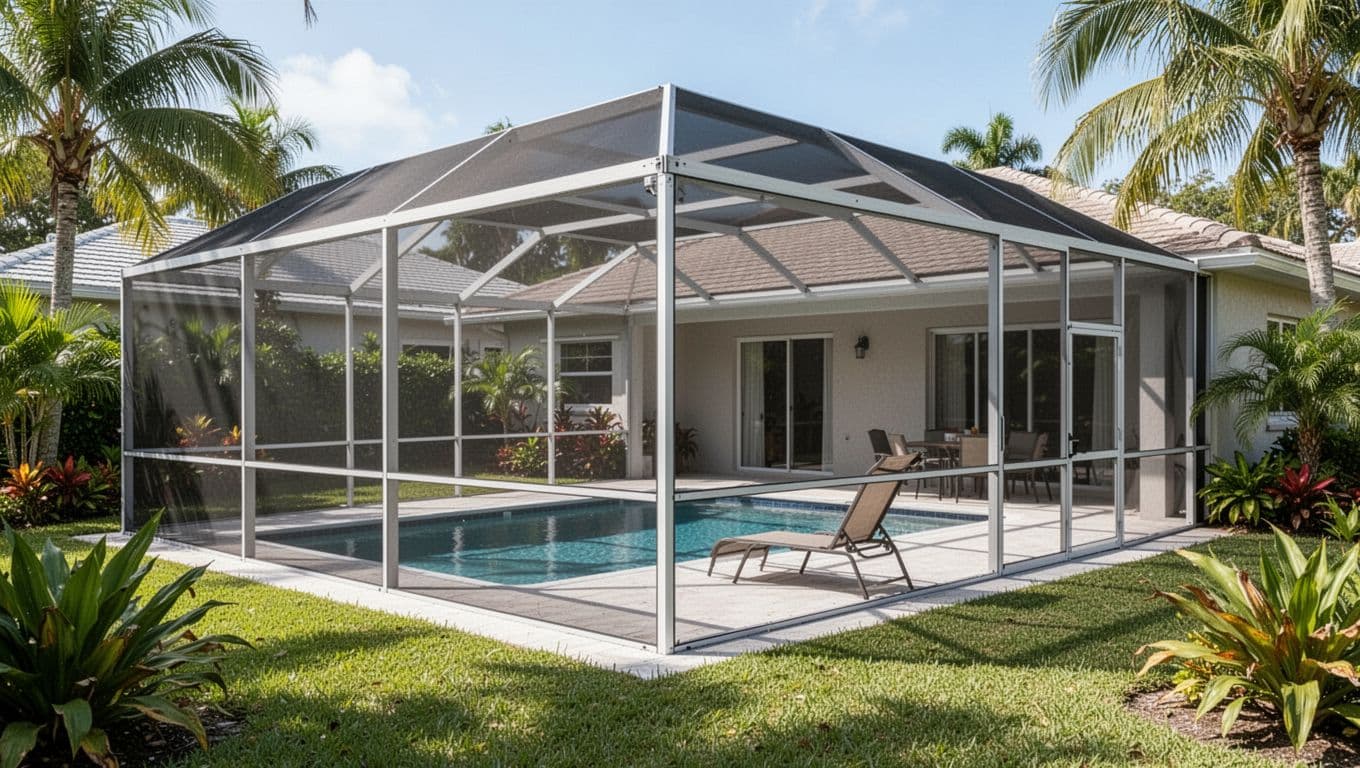
A true extension can cost more per square foot than a new, open-site cage. Crews must connect the new frame to the existing structure, work around the pool deck, and protect the pool equipment during construction.
Main factors that change your estimate
Size and height have the biggest effect. Taller cages need longer posts, larger structural members, additional bracing, and sometimes specialized equipment. A high roof also increases installation time.
The roof design matters as well. Standard screen roofs usually cost less than pan roofs, composite roof sections, or other solid coverings. Local Southwest Florida pricing guides place some solid-roof cage work around $13 to $16.50 per square foot , with complex designs costing more.
Screen material affects the total too. Standard fiberglass mesh is often the most affordable choice. No-see-um mesh, pet-resistant screen, and upgraded solar mesh can increase material costs.
Finally, site access and demolition can add labor. A contractor may need to remove existing screen, relocate a section of cage, work around a narrow side yard, or repair damaged framing before adding the new section.
Cape Coral Permits and Hurricane-Code Costs
A pool cage extension changes the structure's footprint, height, anchorage, or framing. Those changes generally require permits in Cape Coral. The city also treats the enclosure as part of the pool safety barrier system.
Cape Coral follows the Florida Building Code, including the 8th Edition, which is based on 2023 code provisions. Wind design also follows current structural standards, including ASCE 7-22 requirements. The exact wind design depends on the property's location, exposure, structure, and approved product details.
Some local permit guidance cites wind speeds reaching up to 160 mph in certain areas , so a contractor must design the enclosure for the correct site conditions. Aluminum framing and exterior components may also need Florida Product Approval information, often identified by an FL number.
The 2026 safety barrier permit change
Beginning March 1, 2026 , Cape Coral no longer processes a prepaid safety pool barrier permit as part of the pool permit application. The city requires a separate safety barrier permit for fences, screen enclosures, and screen room pan roofs.
That means a new pool and a new or modified pool cage can involve separate permit packages, documents, fees, and inspections. If your extension connects to new pool construction, ask how the contractor will coordinate both applications.
Recent Cape Coral fee documents list approximate barrier-related charges in the following range:
- A screen enclosure permit line may be around $100 to $150 .
- A cage with a pan or composite roof may be around $200 to $225 .
- Plan review, inspections, engineering, contractor administration, and other city charges may appear separately.
The city's Permitting Services Division can confirm the current fee schedule and document requirements. You can reach the division at 239-574-0546 .
Cape Coral guidance also requires the pool area, or the entire backyard, to have a barrier at least four feet high . An enclosure extension must maintain the required barrier protection around the pool. A design that creates an open gap beside a door, wall, or existing fence can fail inspection even when the cage itself looks complete.
A lower contractor price may exclude engineering, separate barrier permits, or corrections needed to connect the new cage to an older structure.
Engineering and inspections
Signed and sealed drawings from a licensed professional engineer may be required for structural work, replacement structures, or unusual attachment conditions. This is especially important when the extension changes the cage's anchorage or connects to a home, wall, existing deck, or older aluminum frame.
Ask whether the quote includes engineering drawings, product approvals, permit submittal, inspection coordination, and final screen installation. A written answer prevents a low initial bid from becoming a larger final invoice.
Deck, Concrete, and Landscaping Add to the Project
Many homeowners plan a cage extension because they want more usable patio space. The enclosure is only one part of that upgrade. The pool deck, drainage, planting beds, and access paths may need work before the new structure goes in.
An existing concrete deck should have enough strength and space for new posts and anchors. Cracks, settlement, poor slope, or water collecting near the house can require repairs. A qualified concrete company can check the slab, form new sections, repair transitions, or pour an equipment pad.
Pavers create a different set of details. New posts may need to sit outside the paver field, or crews may need to remove and reset pavers around the footings. The base must remain stable, and the finished layout should account for cage posts, screen doors, pool equipment, drains, and steps.
The installation sequence affects both cost and finish quality. Review this backyard renovation project order before scheduling several trades. In many cases, structural cage work should happen before final paver installation, planting, and decorative edging.
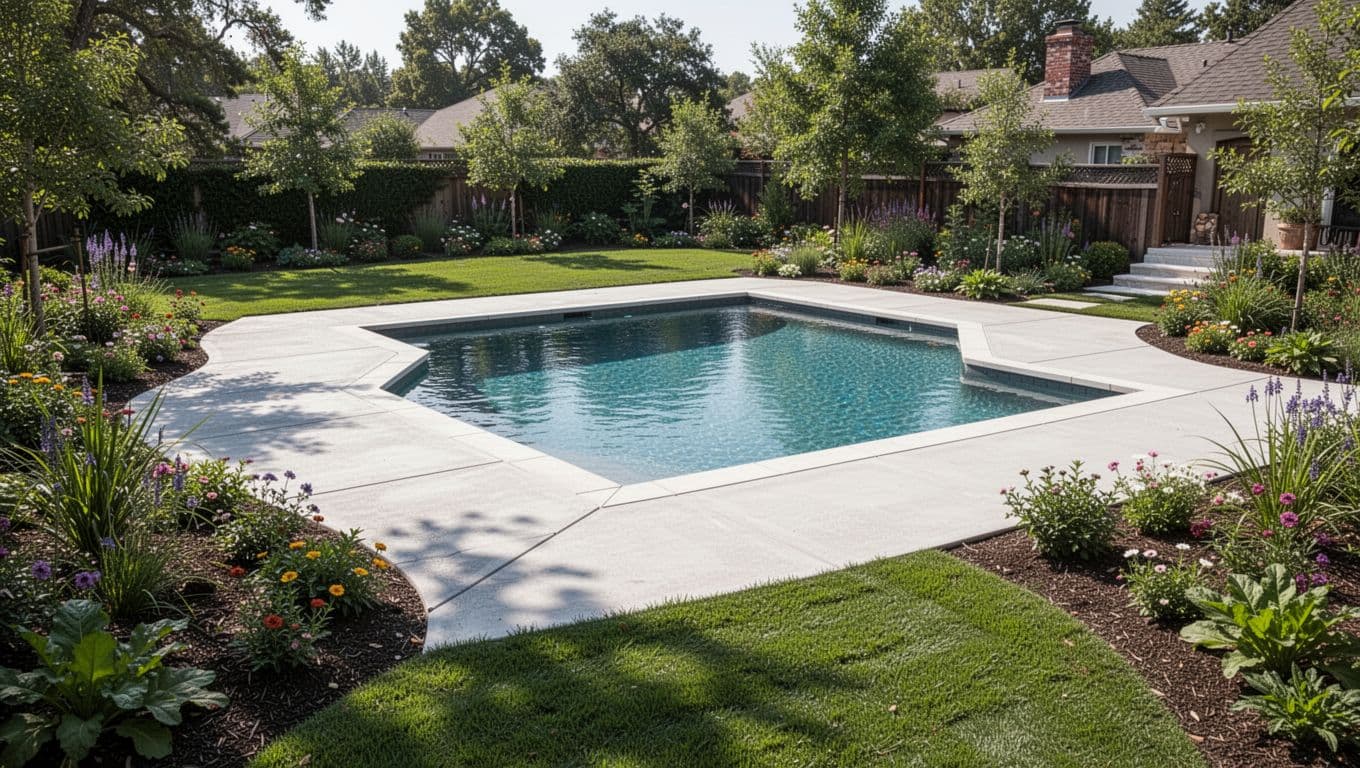
Landscaping near the enclosure needs room for maintenance. Keep shrubs clear of screen doors, posts, drains, and service panels. Planting beds placed too close to the cage can restrict repairs and trap moisture against the framing.
For privacy, homeowners often use clusia and other Florida-friendly plants. Leave room for mature growth, trimming, airflow, and access around the deck. These privacy hedges for pool cages can soften the aluminum frame without blocking service areas.
Artificial turf, sometimes typed online as "artifical turf," can reduce lawn maintenance around the enclosure. It still needs a firm, well-drained base, and the finished grade must direct water away from the pool deck and home.
Paver cleaning and resealing may also make sense before new landscaping or cage work begins. Once posts, shrubs, and furniture are in place, access becomes more difficult.
Ways to Control Pool Cage Extension Cost
The best way to control the budget is to decide which improvements belong in the current project. A standard roof and common mesh may provide enough comfort without the price of panoramic framing or solid panels.
Ask each contractor for separate prices for:
- The aluminum frame, roof, screen, doors, and connection to the existing cage.
- Demolition, haul-away, engineering, permits, inspections, and repair work.
- Concrete, pavers, drainage, lighting, irrigation, sod, artificial grass, or planting.
Separate line items make estimates easier to compare. They also show whether a contractor included the same scope as another bidder.
You can often save money by keeping the extension's footprint simple and using existing access points. Custom corners, tall gables, wide panoramic openings, and difficult tie-ins add design and labor costs. Relocating pool equipment or rebuilding a settled deck can also change the budget quickly.
However, cutting structural details to reduce the price is risky in a hurricane-prone area. Ask for the approved frame system, design wind speed, connection details, and Florida Product Approval information. The cheapest quote is only useful when it meets the same code and scope as the others.
Before signing, confirm these details in writing:
- Total square footage and frame height.
- Mesh type, roof type, doors, and hardware.
- Concrete or paver removal and replacement.
- Engineering and permit responsibilities.
- Inspection coordination and cleanup.
- Warranty terms for framing, screen, and workmanship.
A site visit matters because online estimates cannot show slab condition, drainage problems, restricted access, or conflicts with existing posts. A contractor who measures the property and reviews the permit path can give you a more useful budget.
Is a Pool Cage Extension Worth the Investment?
An extension can add shade, insect protection, and usable space beside the pool. It may also improve how the patio connects to outdoor seating, grilling areas, and the rest of the backyard.
The value depends on how well the new structure fits the property. A cage that leaves awkward gaps, blocks drainage, or crowds the deck can create maintenance problems. Good design accounts for doors, equipment access, post placement, mature plants, and future repairs.
Cape Coral homeowners should also consider storm exposure and long-term screen maintenance. Stronger framing, proper anchorage, approved components, and quality installation matter more than decorative upgrades when severe weather arrives.
Conclusion
For most Cape Coral homeowners, a realistic pool cage extension cost in 2026 is about $12,000 to $30,000 , with smaller projects near $9,000 and premium or complex enclosures reaching $45,000 or more. Size, height, roof design, mesh, engineering, permits, and deck conditions determine where your project falls.
Cape Coral's separate safety barrier permit requirement, effective March 1, 2026, should be part of your planning before work begins. Get an itemized estimate that covers code-compliant construction, permits, engineering, concrete or paver work, and the surrounding landscaping. A clear scope gives you a dependable budget before the first post is installed.