


How to Get Rid of Nutgrass in Cape Coral Lawns
A few upright weeds can outgrow the surrounding lawn in days after a heavy summer storm. Reliable nutgrass removal Cape Coral homeowners can do starts with recognizing that this weed is nutsedge, not ordinary grass.
Because nutsedge grows from underground tubers, pulling the leaves or mowing the patch only gives temporary results. The lasting solution combines correct identification, a turf-safe herbicide, and repairs to the wet or compacted conditions that help it return.
Why Nutgrass Takes Over Cape Coral Lawns
Nutgrass is the common name many homeowners use for nutsedge. It is a sedge, not a grass, and that difference affects how you control it. The leaves often look glossy and upright, while the stems may feel triangular instead of round when examined closely.
Yellow nutsedge and purple nutsedge are common types found in warm climates. They often grow faster than St. Augustinegrass, Bahia grass, bermudagrass, or zoysia. A patch can appear as taller, brighter green shoots that stand above the rest of the lawn after mowing.
Cape Coral's warm growing season gives nutsedge plenty of time to recover. Summer rain can also expose irrigation problems that stay hidden during drier weather. Low spots, leaking sprinkler heads, overspray, compacted soil, and runoff from hardscapes can leave certain parts of the yard wetter than the rest.
The soil itself can add to the problem. Depending on the property, a lawn may contain sandy soil, compacted construction fill, or a mixture of both. Water can drain too quickly in one area and collect in another. Nutsedge often finds those inconsistent moisture conditions before the turf does.
Not every discolored or thin patch is nutsedge. Lawn fungus, drought stress, chinch bugs, and poor irrigation coverage can look similar. Before treating, compare the symptoms with guidance on identifying lawn fungus and drought stress.
Find and Fix the Moisture Problem First
Herbicide may remove the visible shoots, but it won't correct standing water or excessive irrigation. If the same area stays wet, new nutsedge can appear after the next round of rain.
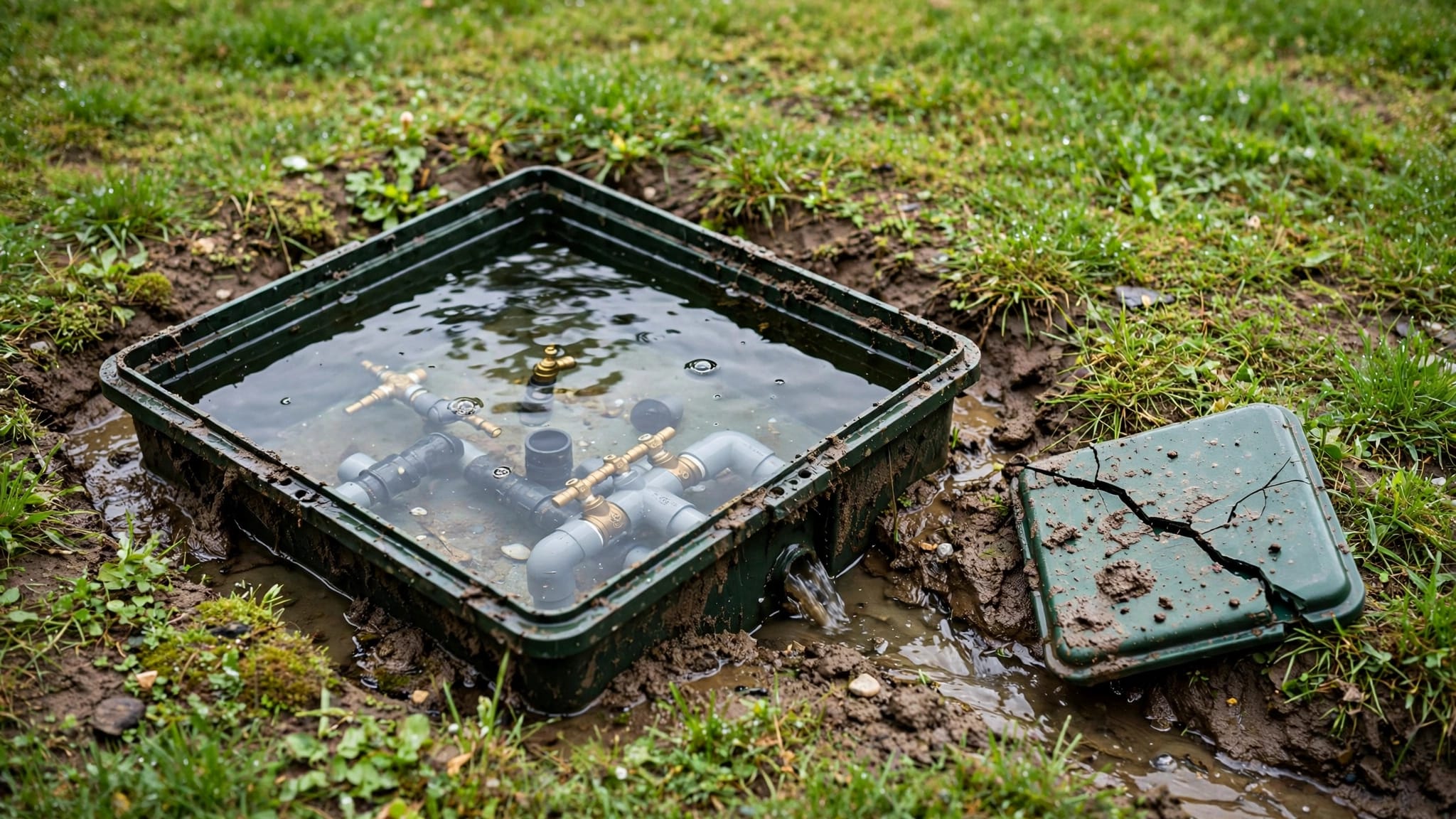
Walk the lawn after irrigation or a storm. Look for puddles, muddy soil, runoff, or water collecting beside a driveway, walkway, patio, or planting bed. Check sprinkler heads for broken parts and make sure they aren't spraying sidewalks or walls instead of the turf.
Irrigation should match the lawn's needs and the weather. During Cape Coral's rainy season, automatic schedules may run when the soil already has enough moisture. Reduce unnecessary cycles according to local watering rules, but don't stop watering the entire lawn because one section is too wet.
Compacted soil can also slow drainage. Heavy foot traffic, construction equipment, or a thin layer of fill may prevent water from moving into the root zone. Aeration can help in some compacted areas, but it won't solve every drainage issue. Review when lawn aeration helps in Florida before disturbing the soil.
Runoff from hardscaping deserves attention as well. A patio or walkway should direct water away from the lawn's low areas. If a concrete surface has settled or slopes toward the turf, grading or hardscape repairs may be needed before chemical control can provide lasting results.
A recurring nutsedge patch often points to a moisture pattern, not a mowing problem.
Nutgrass Removal Cape Coral: Choose a Lawn-Safe Treatment
Once you identify the weed and correct obvious moisture problems, select a control product that is labeled for both nutsedge and your turf type. A herbicide that works safely on one warm-season lawn can injure another.
Identify the Turf Before Using Herbicide
Common Cape Coral lawns include St. Augustinegrass, Bahia grass, bermudagrass, and zoysia. Look at the blade shape, growth pattern, and overall texture before choosing a product. If you aren't certain, ask a local lawn professional or county extension office to confirm the turf.
Read the entire product label before buying or applying anything. The word "lawn" on a bottle doesn't mean the product is safe for every grass. Check the listed turf species, application rate, temperature restrictions, reapplication instructions, and any limits for recently installed sod.
Halosulfuron and sulfentrazone are active ingredients found in products labeled for sedge control in some warm-season turf situations. Product formulas and approved turf uses vary, so the active ingredient alone isn't enough to make a decision. The current label controls how and where you may apply the product.
Apply the Product Carefully
Treat nutsedge while it is actively growing and has enough leaf surface to absorb the herbicide. Spot treatment is often better than spraying the entire lawn when the infestation is limited. Avoid treating turf that is drought-stressed, heat-stressed, damaged by disease, or still recovering from installation.
Never apply before heavy rain. Rain can wash the product away from the target area and may increase the chance of runoff. Follow the label's weather instructions, protective equipment requirements, mixing directions, and waiting periods exactly.
Keep children and pets away from treated areas until they are dry or for the longer period stated on the label. Store the container securely, and don't reuse measuring cups or sprayers for other household tasks.
Don't add extra product because the patch looks stubborn. Nutsedge can regrow from underground tubers, and repeated applications may be necessary when the label permits them. Use only the stated rate and interval.
A broad-spectrum weed killer can damage or kill desirable turf. Avoid spraying a nonselective product across an established lawn. If a product isn't labeled for your specific grass, choose another control method or get professional help.
Why Pulling and Mowing Alone Don't Work
Nutsedge spreads and survives through underground structures often called tubers or nutlets. When you pull only the visible leaves, those structures may remain in the soil and produce new shoots.
Mowing removes the top growth, so the patch may look better for a few days. However, the plant can continue feeding its underground parts and return at the next opportunity. Regular mowing still matters because it keeps the lawn at the correct height and may prevent mature seedheads, but mowing isn't a complete control method.
For a very small patch, hand removal can help if you dig carefully and remove the plant with surrounding soil. A shallow tug is unlikely to remove every underground piece. Bag the material and follow local yard-waste guidance instead of leaving pulled plants beside the lawn.
The same rule applies to edging and string trimming. Cutting the leaves improves appearance, but it doesn't address the source. Use those tools for maintenance after treatment, not as the only response.
Prevent Nutsedge From Returning
After treatment, help the turf fill thin areas. Dense, healthy grass leaves fewer open spaces where nutsedge can establish. Mow at the height recommended for your grass type, keep the blade sharp, and avoid removing more than the lawn can recover from at one time.
Adjust irrigation so each zone waters the root area without creating runoff. Repair leaking valves and sprinkler heads, then observe the lawn after rain. If water repeatedly collects in one place, investigate grading, soil compaction, or a blocked drainage path.
Mulch and planting beds can also reduce pressure on difficult lawn strips. A well-planned landscaping design may replace a narrow wet or shaded section with plants suited to the site. That approach can work better than repeatedly treating turf that cannot stay healthy in its location.
Artificial turf is another option for selected areas, but it isn't a shortcut around drainage. The base must drain properly, or water can still collect beneath or beside the installation. Solve the water issue before installing artificial turf.
When replacing damaged grass, choose a turf type that fits the yard's sun, drainage, and maintenance conditions. These sod installation options for Cape Coral yards can help you compare suitable grass choices before replanting.
When to Bring in a Cape Coral Lawn Professional
Professional help makes sense when nutsedge returns after treatment, covers several areas, or grows near ornamental plants. It also helps when you're unsure whether the lawn is St. Augustinegrass, Bahia, zoysia, or bermudagrass.
For homeowners comparing nutgrass removal Cape Coral services, ask whether the visit includes turf identification and a moisture inspection. A spray-only approach may miss the irrigation leak, low spot, or compacted soil that keeps restarting the problem.
Drainage repairs may require more than lawn work. A qualified concrete company can help correct a settled walkway, patio slope, or other surface that sends water toward the turf. After the drainage issue is fixed, paver cleaning and sealing can refresh nearby hardscaping without confusing surface maintenance with water control.
A local contractor can also coordinate irrigation repair, lawn replacement, planting beds, mulch, and hardscape adjustments. That keeps the correction focused on the whole yard instead of one stubborn weed.
Keep Nutgrass From Becoming a Seasonal Cycle
Cape Coral homeowners get better results when they treat nutsedge as a lawn and drainage issue together. Confirm that the weed is actually nutsedge, identify the turf, and use only a product labeled for both.
Don't rely on pulling or mowing alone. Correct wet spots, avoid treating stressed grass or applying before heavy rain, and keep children and pets away until the treated area is dry or the label allows access.
With the right treatment and healthier growing conditions, nutgrass removal Cape Coral homeowners can manage becomes a targeted repair instead of a repeated guessing game.