


How to Get Rid of Dollarweed in Cape Coral Lawns
Those small, round leaves can spread across a Cape Coral lawn quickly after a run of heavy rain. A search for dollarweed Cape Coral usually begins when mowing leaves a carpet of coin-shaped weeds behind.
The fix is rarely a stronger herbicide alone. In Southwest Florida, dollarweed often points to excess moisture, irrigation overspray, or poor drainage. Start by identifying the weed, then correct the wet conditions before choosing a turf-safe treatment.
Dollarweed Cape Coral: Why It Spreads
Dollarweed, also called pennywort, has round, fleshy leaves that resemble small coins. The leaf stem attaches near the center of the leaf, which helps distinguish dollarweed from clover. Clover has three separate leaflets, while dollarweed has one rounded leaf.
The weed grows through creeping stems and can produce small white flowers. It often appears in thin areas of St. Augustinegrass, centipedegrass, Bahia grass, and other warm-season lawns. Small patches may look harmless at first, but they can expand when the soil stays damp.
Cape Coral's warm climate gives dollarweed a long growing season. Summer thunderstorms, humid air, irrigation overspray, leaking sprinkler heads, and low areas around homes can create ideal conditions. A lawn may look green and healthy while the soil below remains too wet for strong turf roots.
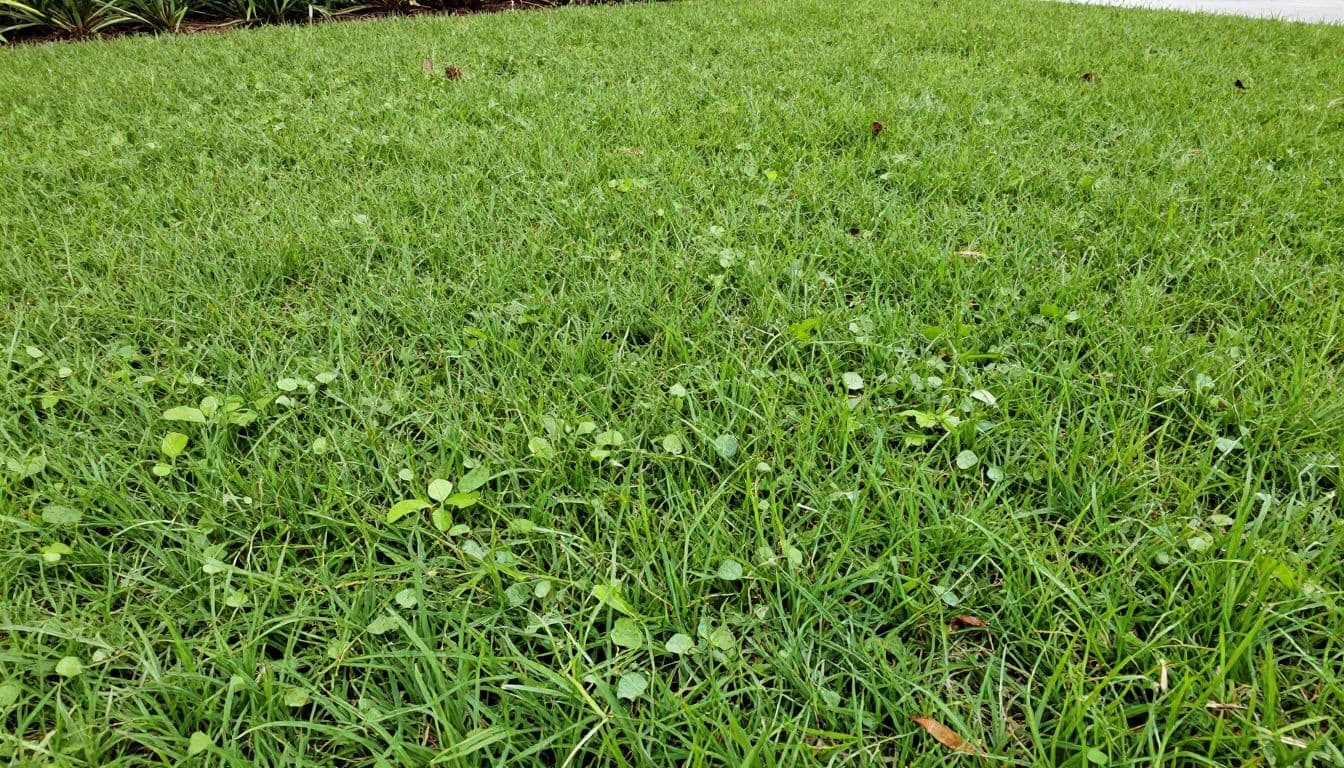
Before treating the lawn, check whether the weed follows a pattern. Patches near downspouts, sidewalks, flower beds, or sprinkler heads often reveal a moisture problem rather than a simple weed issue.
Confirm the Cause Before Treating Dollarweed
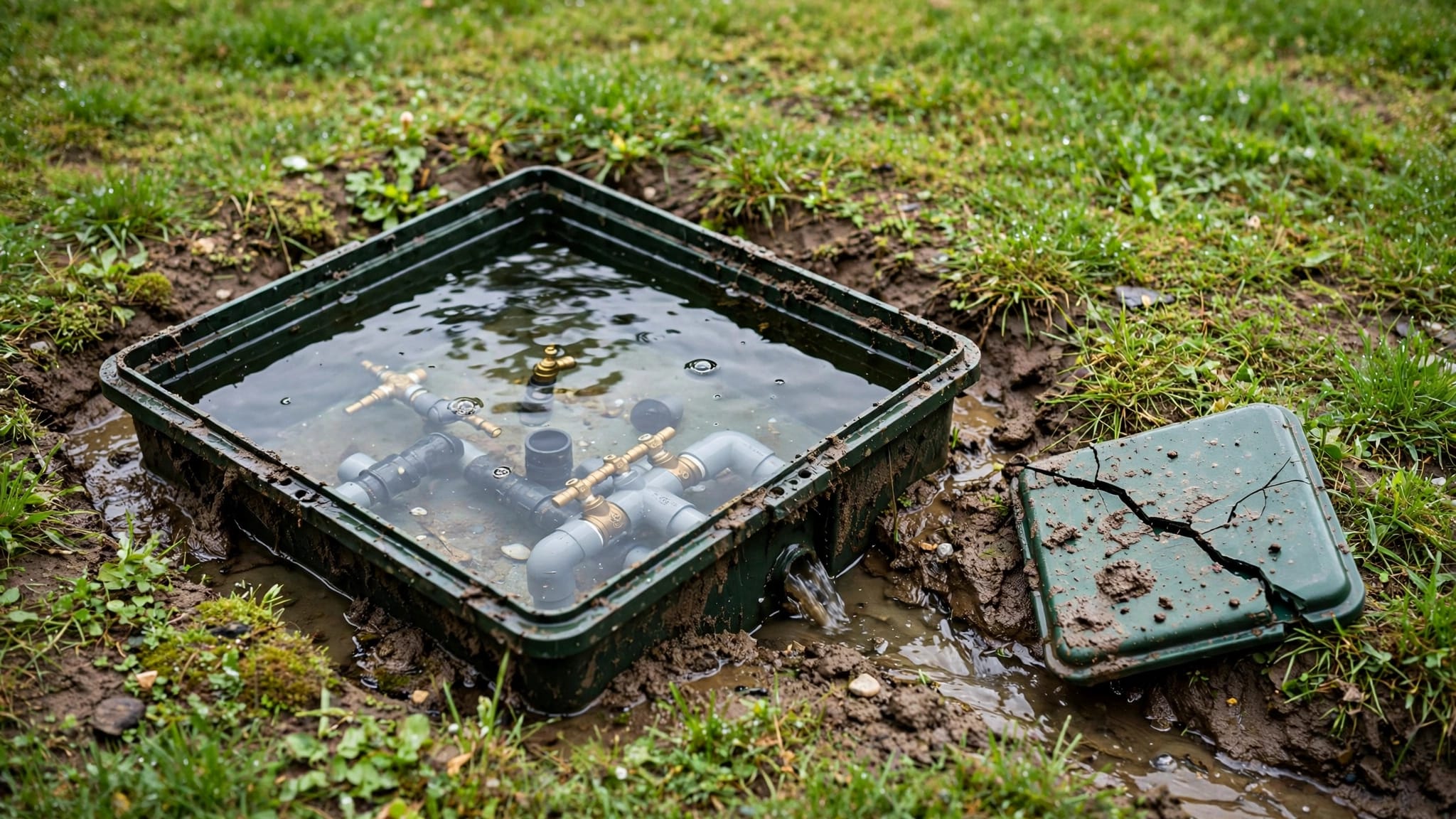
Walk the lawn after rainfall and inspect the areas where dollarweed grows. Look for standing water, soft soil, clogged drains, broken irrigation heads, and spray that reaches sidewalks instead of turf.
Irrigation is a common cause. Many Cape Coral lawns receive rain and scheduled watering during the same week. When the irrigation system runs during the rainy season, the grass may receive more water than it can use.
Adjust each irrigation zone instead of changing the entire system blindly. Repair leaking heads, correct overspray, and use a rain shutoff device if the system has one. Follow current watering rules for Cape Coral and Lee County, and let recent rainfall count toward the lawn's needs.
Dollarweed control often fails when an irrigation system keeps the same area wet every day.
Drainage also matters. A low spot beside a patio may collect roof runoff, while compacted soil can slow water movement. Paver cleaning removes surface stains and organic buildup, but it won't correct water that drains toward the lawn. If a settled slab or concrete edge directs runoff into the grass, a concrete company can inspect the hardscape while a landscaping contractor reviews the surrounding grade.
Fix Wet Spots Before Applying Herbicide
Correcting the moisture source can reduce dollarweed pressure and help desirable grass recover. However, drainage work should match the property. Adding soil to one low spot may send water toward a neighbor, foundation, pool deck, or canal.
Start with simple checks. Confirm that downspouts discharge away from the house. Watch where stormwater flows across the yard. Inspect swales and drains for leaves, mulch, or sediment. If water remains after nearby areas dry, professional drainage planning may be needed.
Avoid watering on a fixed schedule when the soil is already wet. Check the lawn first, especially after several storms. Water early in the morning when irrigation is necessary, and avoid frequent, shallow cycles that keep the surface damp.
Mowing also affects recovery. Keep St. Augustinegrass at the taller end of its recommended range, and follow the height guidance for your specific turf. A sharp mower blade gives grass a cleaner cut. Scalping the lawn creates open space where dollarweed can spread.
Hand removal works for small patches. Pull or dig the plants when the soil is moist, and remove the creeping stems as completely as possible. Dispose of the weeds instead of leaving them on the lawn. This approach won't solve a drainage problem, but it can reduce the size of a patch before turf treatment.
Step-by-Step Treatment Plan for Cape Coral Lawns
Homeowners asking how to remove dollarweed Cape Coral lawns contain should follow a measured process. Treating the whole yard without finding the cause can waste product and stress the grass.
- Identify the weed and turfgrass. Confirm that the plant is dollarweed, then identify whether the lawn is St. Augustinegrass, centipedegrass, Bahia grass, zoysia, or another species. Herbicide tolerance differs between grasses.
- Inspect irrigation and drainage. Check sprinkler coverage, downspouts, low areas, and wet soil. Make repairs or adjustments before spraying whenever possible.
- Mow and remove small patches. Mow at the correct height, collect large clippings from the affected area, and pull isolated plants by hand. Don't mow a stressed lawn too short.
- Choose a labeled product. Select a post-emergent herbicide that lists dollarweed and your turfgrass on the label. Some products use atrazine or other broadleaf herbicide ingredients, but labels differ by brand, grass type, season, and site.
- Apply during suitable conditions. Spray only when the lawn isn't drought-stressed, recently cut, or saturated. Avoid windy weather, nearby ornamental plants, storm drains, canals, and ponds. Follow the label's rain-free period and application rate.
- Monitor before repeating. Dollarweed may take time to show visible decline. Reapply only when the label allows it, and don't increase the rate because the first application seemed slow.
Read the entire product label before opening the container. Wear the listed protective clothing, gloves, eye protection, and footwear. Keep children and pets off the treated area for the label's required period. Store herbicides in their original containers, and never mix products unless the label specifically permits the combination.
A nonselective herbicide such as glyphosate can kill desirable turf along with dollarweed. A product labeled for St. Augustinegrass isn't automatically safe for zoysia, centipedegrass, or Bahia grass. If label directions conflict with general advice, follow the label.
Keep Dollarweed From Returning
Long-term control depends on maintaining dense turf without keeping the soil constantly wet. After drainage and irrigation problems are corrected, fill bare areas with grass that suits the property's sun, shade, and soil conditions.
Avoid applying extra fertilizer as a quick fix. Excess growth doesn't replace proper mowing, watering, and drainage. Follow a turf-specific fertility plan, and keep fertilizer off sidewalks and driveways where rain can carry it toward drains.
Monitor the lawn after heavy summer storms. Check the same locations near sprinkler heads, downspouts, patios, and planting beds. Early removal is easier than treating a large, established patch.
A landscaping plan can also reduce problem areas. Proper grading, plant placement, mulch depth, and turf selection may help water move through the yard more predictably. For a larger property refresh, Cape Coral landscaping services can combine planting areas, turf, drainage, and hardscape planning.
Artificial turf may reduce mowing in a small area that repeatedly fails, but it doesn't remove the need for drainage. Water still needs a path beneath and around the installation. Compare that work with improving the existing lawn before choosing a replacement.
When to Call a Cape Coral Lawn-Care Professional
Contact a local lawn-care professional when dollarweed covers a large section, returns after irrigation repairs, or appears alongside standing water. Professional help also makes sense when you can't identify the turfgrass or aren't sure which herbicide the lawn can tolerate.
A trained technician can inspect sprinkler coverage, measure wet areas, identify the grass, and calibrate an application. Drainage problems may require grading, a surface drain, a swale adjustment, or another site-specific solution. Spraying before that work is complete often produces temporary improvement.
Call for help before treating areas near canals, ponds, pools, vegetable gardens, or sensitive ornamental plants. Professionals can also reduce the risk of drift and runoff by choosing the right weather conditions and application method.
Conclusion
Dollarweed thrives when Cape Coral lawns stay wetter than the grass needs. Correct irrigation, improve drainage, maintain the proper mowing height, and use only a herbicide labeled for both dollarweed and your turfgrass.
Small patches may respond to hand removal and careful treatment. Larger or recurring infestations need a closer look at the yard's water flow. When the coin-shaped leaves keep returning, the wet spot is often the real problem .