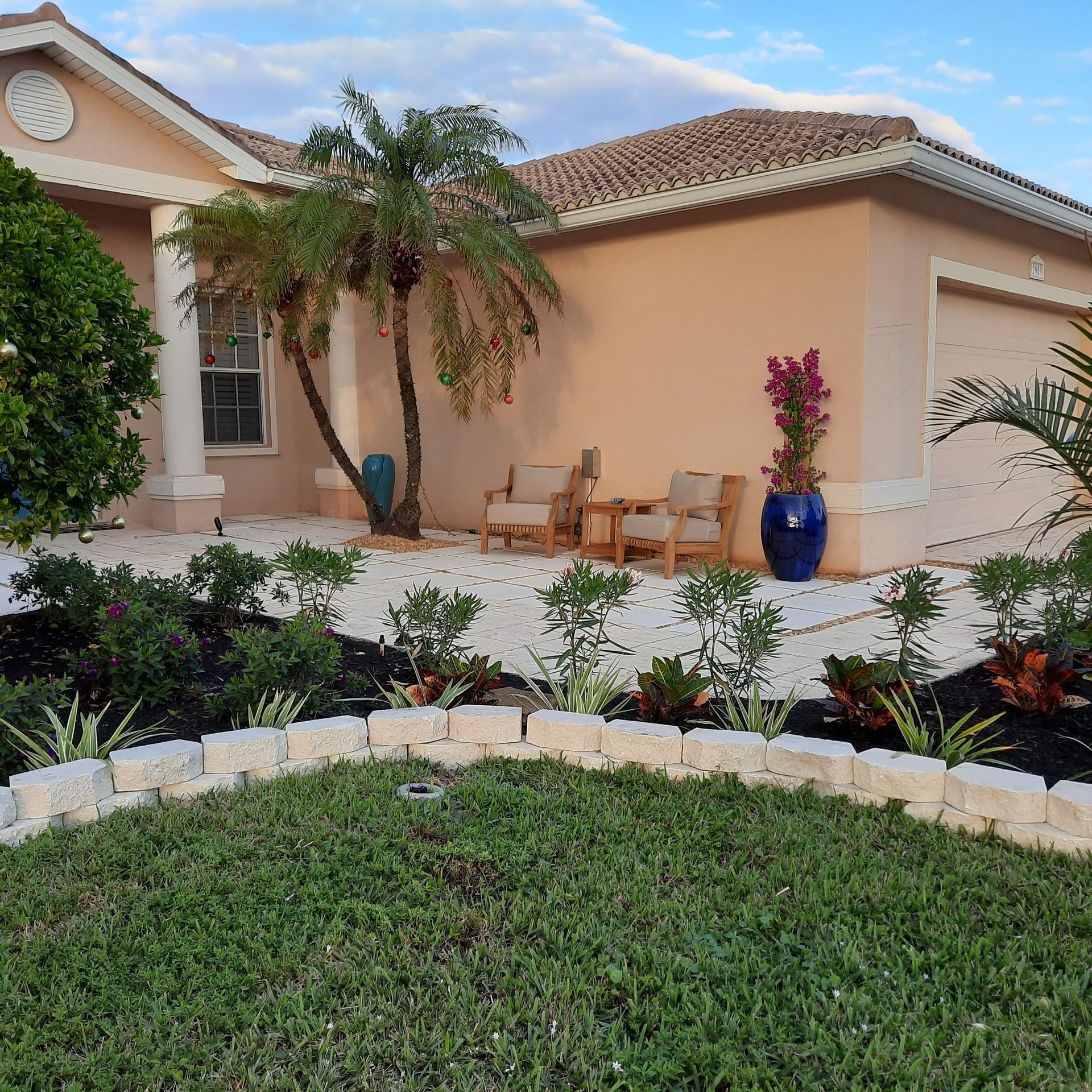



Lawn Aeration in Florida: When It Helps or Hurts
Florida lawns can look thirsty, thin, or patchy even when you water them regularly. However, those symptoms don't always mean the soil needs aeration. In many parts of the state, naturally sandy soil already allows water and air to move easily.
Lawn aeration in Florida works best when compaction is the real problem , not when a lawn is stressed by heat, drought, disease, or poor drainage. Before renting a machine, check the soil, turf type, recent treatments, and condition of the lawn.
Key Takeaways
- Sandy Florida soil often needs less aeration than compacted fill or heavy traffic areas.
- Core aeration can help when water runs off, roots stay shallow, or grass struggles in compacted zones.
- Avoid aerating during drought, extreme heat, dormancy, active disease, or soon after herbicide use.
- Mark irrigation lines and low-voltage wiring before using powered equipment.
- Aeration won't solve drainage, shade, thatch, irrigation, or turf-selection problems by itself.
Why Florida Soil Changes the Aeration Decision
Aeration removes small plugs of soil from the lawn. These openings give roots more access to air, water, and nutrients. The process can also reduce compaction near the surface, where turf roots need room to grow.
That advice applies differently across Florida. Much of Southwest Florida has sandy soil, and sand usually drains better than clay. A healthy sandy lawn may not need routine aeration at all. Repeatedly disturbing it can create unnecessary stress without solving the real issue.
The picture changes when the lawn sits on compacted fill. New construction, grading, heavy equipment, foot traffic, and poorly prepared soil can create dense layers beneath the grass. A concrete company may also use part of the yard as an equipment route during a driveway, patio, pool deck, or walkway project. Grass can struggle in those areas even when the surrounding soil drains well.
Soil texture also varies by property. Some yards contain shell, imported fill, fine sediment, or compacted pockets that behave differently from the native soil. Low areas may stay wet because of grading, not because the soil lacks air.
Before choosing aeration, push a screwdriver or garden trowel into the soil when it's slightly moist. If the tool enters easily across the lawn, compaction may not be the main concern. If it stops at a hard layer in high-use or damaged sections, further investigation makes sense.
Signs Your Florida Lawn May Benefit From Aeration
Aeration can help when the grass shows clear signs of restricted root growth. Look at the whole lawn first, then compare damaged areas with healthy sections. A problem limited to one path, play area, or equipment route often points to compaction.
Watch for these conditions:
- Water runs across the surface instead of soaking in.
- Footprints remain visible long after someone walks across the grass.
- The soil feels hard and tight, even after normal irrigation.
- Turf roots stay close to the surface.
- Grass thins along a walkway, gate, pool area, or frequently used path.
- A recently graded area struggles while older parts of the yard grow normally.
Core aeration is most useful when the soil is compacted but the turf is otherwise healthy enough to recover. St. Augustinegrass, bermudagrass, zoysiagrass, and bahiagrass can respond well when they are actively growing and receive proper care afterward.
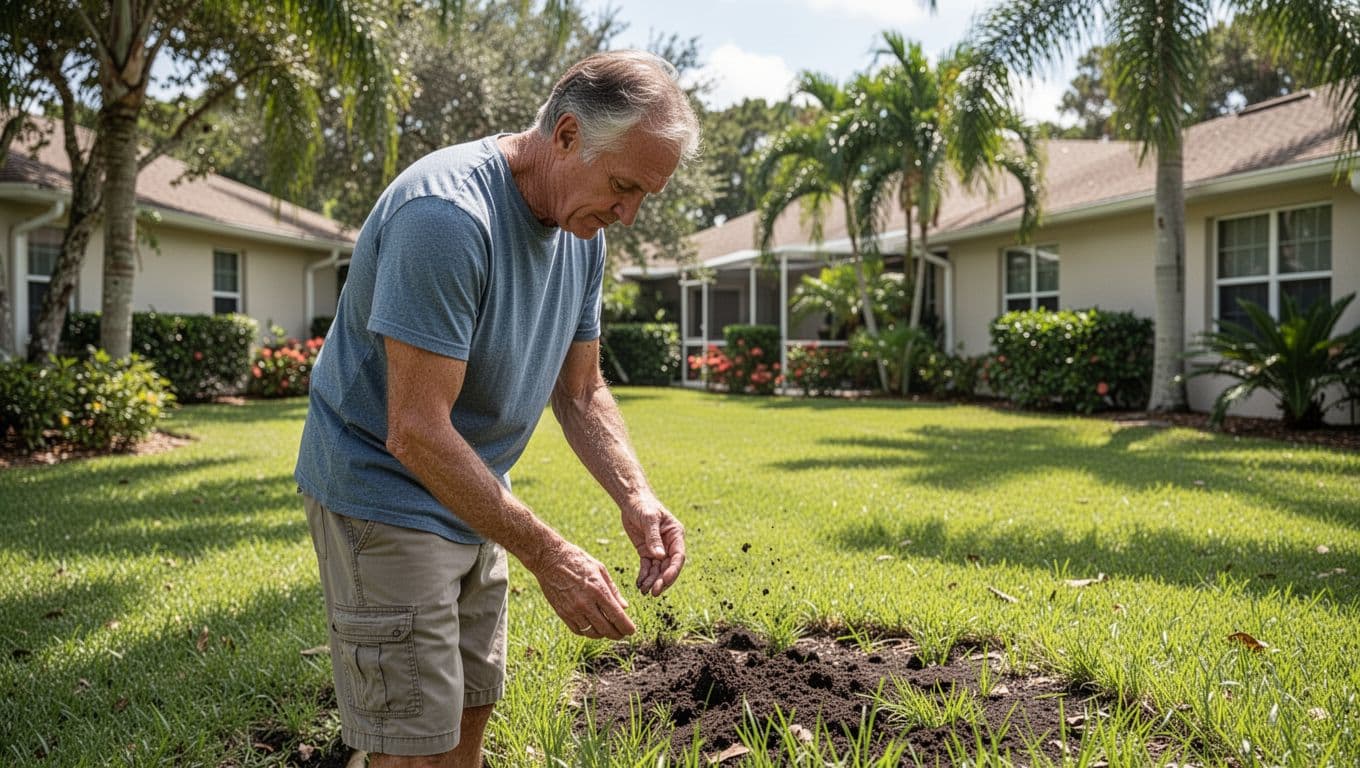
A soil test can add useful information, especially when the lawn has struggled for months. It may show that the real issue is pH, nutrient imbalance, salinity, or organic matter. Aeration cannot correct those conditions.
Timing matters as much as the symptoms. Warm-season turf needs active growth to fill open holes and recover from the machine's traffic. In South and Southwest Florida, that often means a warm period in late spring or summer, but avoid the hottest, driest weeks. In North and Central Florida, the active growing season may provide a wider spring-to-early-fall window.
Rainfall alone doesn't determine the timing. Wait until the soil is moist enough to accept plugs, but not so wet that the aerator smears the surface or sinks into the ground.
When Aeration Can Hurt a Florida Lawn
Aeration creates temporary stress. The machine removes soil, drives across the turf, and opens the root zone. Healthy grass can handle that disturbance, but stressed grass may thin further.
Don't aerate during drought conditions. If irrigation restrictions or broken sprinklers have left the lawn dry, repair the watering problem first. Aerating dry soil produces poor plugs and can tear roots. Watering a drought-stressed lawn immediately before machine work also creates a muddy surface rather than healthy aeration channels.
Extreme heat creates another poor window. Florida's summer heat can push turf toward heat stress, especially in full sun or near concrete. Wait for a milder period when the grass is growing steadily. Avoid aerating dormant or cold-stressed turf in winter, since it may not close the holes quickly.
Active disease is also a reason to wait. Aerator tines can move contaminated soil and plant material into new areas. More importantly, diseased grass needs the correct diagnosis and treatment before additional physical stress. Look for expanding brown patches, unusual leaf spots, persistent gray growth, or other signs that don't match ordinary drought stress.
Recent herbicide application requires care as well. Read the product label for restrictions on mowing, soil disturbance, reseeding, and turf recovery. If you don't know which product was used or when it was applied, postpone aeration until you can confirm the label interval.
Underground irrigation and wiring create a practical safety concern. Mark sprinkler heads, valve boxes, shallow irrigation pipes, landscape lighting cables, invisible dog-fence wires, and other private lines before using a powered aerator. Call 811 for public utility locating before digging or disturbing soil, and have private irrigation and low-voltage lines identified separately when needed.
Aeration is a treatment for compaction, not a routine chore that every Florida lawn needs each year.
How to Aerate a Florida Lawn Safely
Start by identifying the turf and checking the soil. Mark irrigation heads and wires, remove stones and debris, and flag areas near tree roots or hardscape. A powered core aerator is heavy and can damage edging, pavers, shallow roots, and irrigation components when operated too close to them.
Choose a day when the soil is slightly moist. If a handful of soil forms a sticky ball, wait for it to dry. If it falls apart like dust, water lightly and allow the surface to absorb the moisture before working.
Core aeration is usually more useful than spike shoes or solid-tine tools. A core machine removes plugs instead of pressing more material into the ground. One or two passes may help a compacted section, but repeated passes can stress the turf and leave the surface rough.
Keep the treatment focused. If only the side yard has heavy traffic, aerate that section instead of disturbing the entire property. Avoid tree-root zones, freshly installed sod, exposed irrigation, and areas with standing water.
Leave the soil plugs on the lawn. They usually dry and break apart with mowing, rainfall, and normal activity. If plugs land on a walkway or paver surface, remove them before they dry into a hard layer. Regular paver cleaning is a separate maintenance task and won't correct soil compaction beneath nearby grass.
After aeration, return to a consistent irrigation schedule rather than soaking the lawn repeatedly. Mow at the correct height for the turf type, and avoid heavy traffic while the grass recovers. Don't apply fertilizer automatically. A soil test and the product label should guide any feeding.
For many homeowners, hiring a landscaping professional is safer when the yard contains irrigation, lighting, drainage systems, or recently installed hardscape. A trained crew can also tell whether the problem is compacted soil or something else.
When Aeration Isn't the Right Fix
Thin grass does not always need more air around its roots. Shade, poor irrigation coverage, chinch bugs, fungal disease, mowing too short, and the wrong turf for the site can create similar symptoms. Fixing those causes will produce better results than running an aerator over the lawn.
Standing water points toward grading or drainage work. A compacted low area may need soil correction, a drainage channel, or an irrigation repair. Aeration can improve infiltration in some compacted spots, but it won't move water uphill or correct a blocked drain.
Heavy thatch is another separate issue. Core aeration may open the soil, but it doesn't remove a thick layer of stems and roots at the surface. That condition may need dethatching or a different maintenance plan.
Some high-use areas may be better suited to hardscape or artificial grass. Homeowners comparing options may search for "artifical turf," but the installation still needs a stable base, proper drainage, and careful edging. A small artificial turf section can reduce wear beside a pool or outdoor seating area, while healthy turf may remain the better choice elsewhere.
Good landscaping starts with matching the treatment to the site. Sometimes that means aeration. Other times, the right project is irrigation repair, drainage work, new sod, mulch, or a change in turf coverage.
Conclusion
Florida lawn aeration should follow evidence from the yard, not a fixed annual schedule. Sandy soil may need no treatment, while compacted fill and high-traffic areas can benefit from carefully timed core aeration.
Check soil firmness, turf health, weather, recent chemicals, and underground lines before you begin. When the lawn is stressed or the problem involves drainage, disease, or shade, solve that issue first. The best result comes from using aeration only where compaction is actually limiting healthy growth .