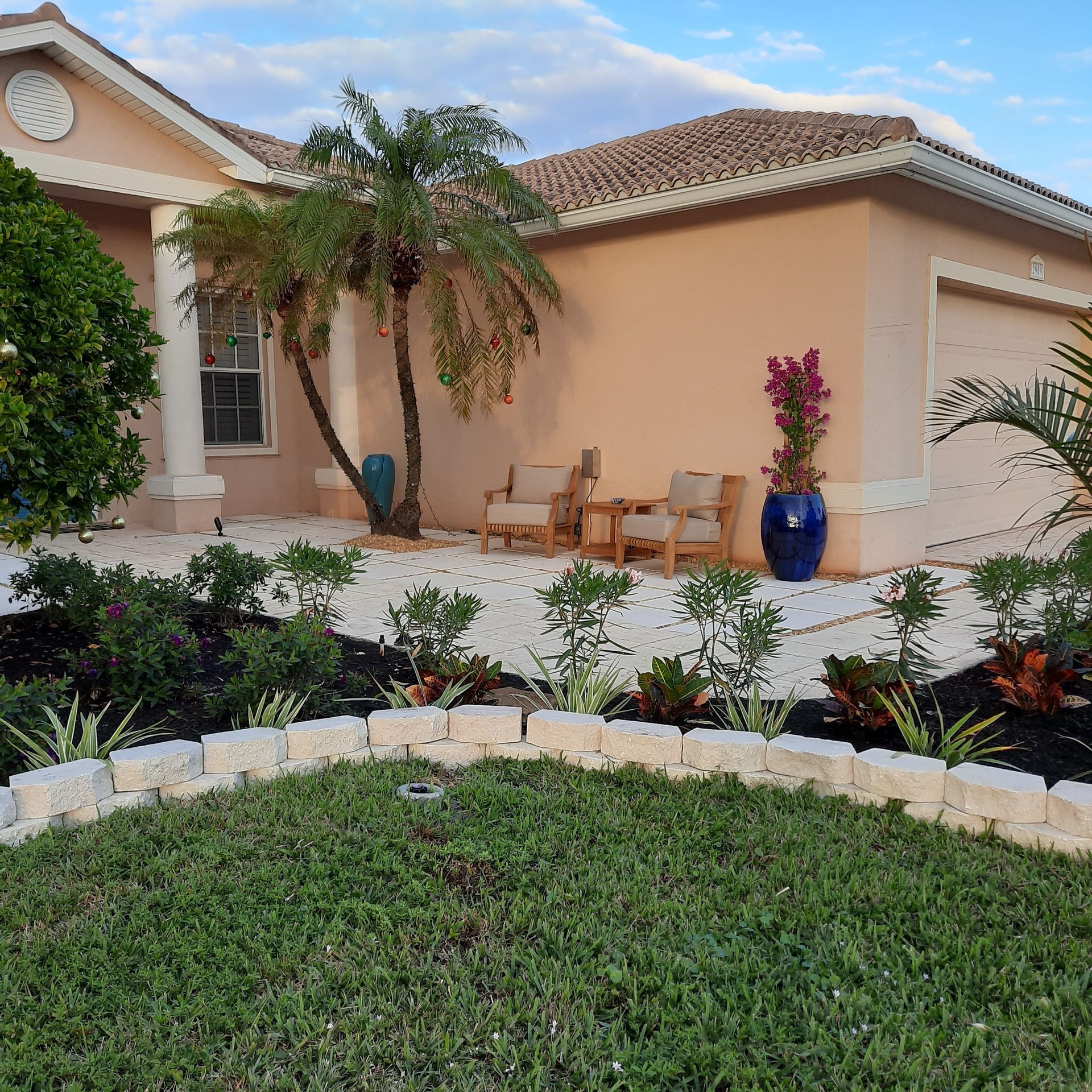



Ganoderma Butt Rot in Florida Palms: What to Do
If you suspect ganoderma butt rot in a Florida palm, have a qualified arborist assess the tree before deciding what to do. A fungal growth near the trunk or a declining crown deserves attention, but appearance alone doesn't establish the cause.
For homeowners, the safest first steps are to document what you see, keep people away from any obvious hazard, and arrange an assessment. Start with the palm's base and crown, then consider changes to the surrounding yard.
Recognizing Changes in Your Palm
A palm's appearance can change for several reasons, so look at the whole tree rather than focusing on one brown frond. Note whether the change affects older leaves, new growth, the trunk, or several areas at once.
A fungal growth near the base is a reason to call a qualified tree professional. Take a photo from a safe distance and leave the growth in place for the assessment. Avoid cutting into the trunk or pulling material away to get a closer look.
Also look for changes that may affect safety. A new lean toward a driveway, a crack in the trunk, or soil lifting around the base warrants prompt attention. Keep children, pets, and parked vehicles away while you arrange an evaluation.
If the palm is close to a roof, pool enclosure, or power line, tell the professional when you call. Those details help them plan a safe visit.
How a Conk Differs From Other Palm Problems
A conk is a shelf-like fungal growth. A growth on a palm may look different from ordinary leaf bases or loose debris, but its appearance doesn't tell you everything about the palm's condition.
An arborist can examine the growth along with the trunk and crown. That wider assessment matters because several unrelated problems can cause a palm to look unhealthy.
Fungal Growth Versus Brown Fronds
Brown fronds alone don't identify a fungal disease. Older leaves can turn brown after a palm is transplanted, especially when its roots have been disturbed. Watering problems, cold exposure, salt, and site changes can also affect foliage.
Look at the newest growth as well as the outer leaves. A firm, upright center spear and continuing new growth provide different information than a spear that collapses or pulls out easily.
If your palm was installed recently, our guide to why newly planted palms turn brown covers common transplant and watering concerns.
Crown Symptoms That Need Attention
A loose or dead center spear can point to bud rot or another problem at the growing point. One-sided canopy decline, particularly with a reddish-brown stripe along a leaf stem, can occur with vascular diseases such as Fusarium wilt.
Lethal bronzing is another concern in Florida. Its signs can include rapid bronzing of older fronds followed by death of the spear. These patterns need professional attention rather than an automatic increase in watering or fertilizer.
What to Document Before an Assessment
Clear photos and a short history help an arborist understand what changed. You don't need to climb, dig around the roots, or remove material from the palm to collect useful information.
Photograph the Whole Palm and Its Base
Take one photo that shows the full palm and its surroundings. Include nearby structures or paths so the professional can see where people and property are in relation to the tree.
Then photograph the crown, trunk, and any visible growth near the base. Take the close-up from a position where you can stand safely. If the growth is difficult to reach without moving debris or stepping near a leaning trunk, leave it alone.
A second set of photos taken later can help show whether the visible condition has changed. Keep the original images so the dates remain available.
Note Recent Yard Work and Care
Write down when you first noticed the problem and which part of the palm changed first. Include recent fertilizer or herbicide applications, irrigation adjustments, heavy rain, and construction work.
A newly poured patio or a repaired irrigation line may have changed how water reaches the planting bed. Those details don't identify a disease, but they give the arborist useful context when considering other causes of decline.
When Palm Safety Comes First
Treat a fresh lean, a cracked trunk, lifting soil, or damaged hanging fronds as a reason to keep your distance. Don't climb the palm, pull on loose material, or try to correct the lean yourself.
Move people and vehicles out of the area if you can do so safely. If the palm is near energized lines, keep away and tell the tree professional about the location. Work around power lines calls for an appropriate safety assessment.
Tall palms also require specialized equipment for close inspection and overhead work. A ladder and a chainsaw aren't a safe substitute for a trained crew.
Even without an obvious lean, mention nearby doors, walkways, driveways, and outdoor seating when arranging the visit. A professional needs to understand how the space is used as well as what is visible on the palm.
What to Ask a Palm Professional
An ISA-certified arborist or another qualified tree professional can assess the palm and explain the condition they find. Share your photos and yard history, then point out the changes you've noticed without disturbing the tree.
Discuss the Findings
Ask the professional to explain which observations support their assessment. The answer should address the trunk and crown, along with any other visible issues that may need attention.
If more than one palm looks unhealthy, show the professional each tree. Note whether their symptoms appeared at the same time or followed different patterns. A change affecting several palms may give the assessor additional information about the property.
Understand the Proposed Work
Request a written description of the proposed work and its estimated cost. The scope should make clear which areas of the yard the crew needs to access and what cleanup is included.
Tell the contractor about narrow gates, irrigation lines, landscape lighting, fences, and other features near the palm. Those details help plan access and reduce the chance of avoidable damage during yard work.
Review Watering and Nearby Hardscapes
While waiting for an assessment, avoid making major changes based on brown foliage alone. Adding fertilizer or increasing irrigation won't identify the cause and can complicate an existing care problem.
Check How Water Moves
Look for standing water after rain and note whether irrigation reaches the planting area. A broken line or a change in spray coverage can affect a palm, particularly after grading or other construction.
Soil conditions matter too. Sandy soil may drain quickly in one part of a yard, while compacted fill or construction debris can slow drainage elsewhere. Keep a record of what you observe rather than applying extra water on a fixed assumption.
Consider Recent Outdoor Projects
A concrete contractor's work on a patio, driveway, or walkway can change the way rainwater moves through a yard. Compacted material beneath pavers or artificial turf may also affect the planting area.
During paver cleaning, keep cleaning runoff out of nearby beds where possible. Some products can injure plant tissue if they collect around a palm. These site details are useful to share with the professional, especially if the palm began declining after work was completed.
Plan Around the Palm and Your Yard
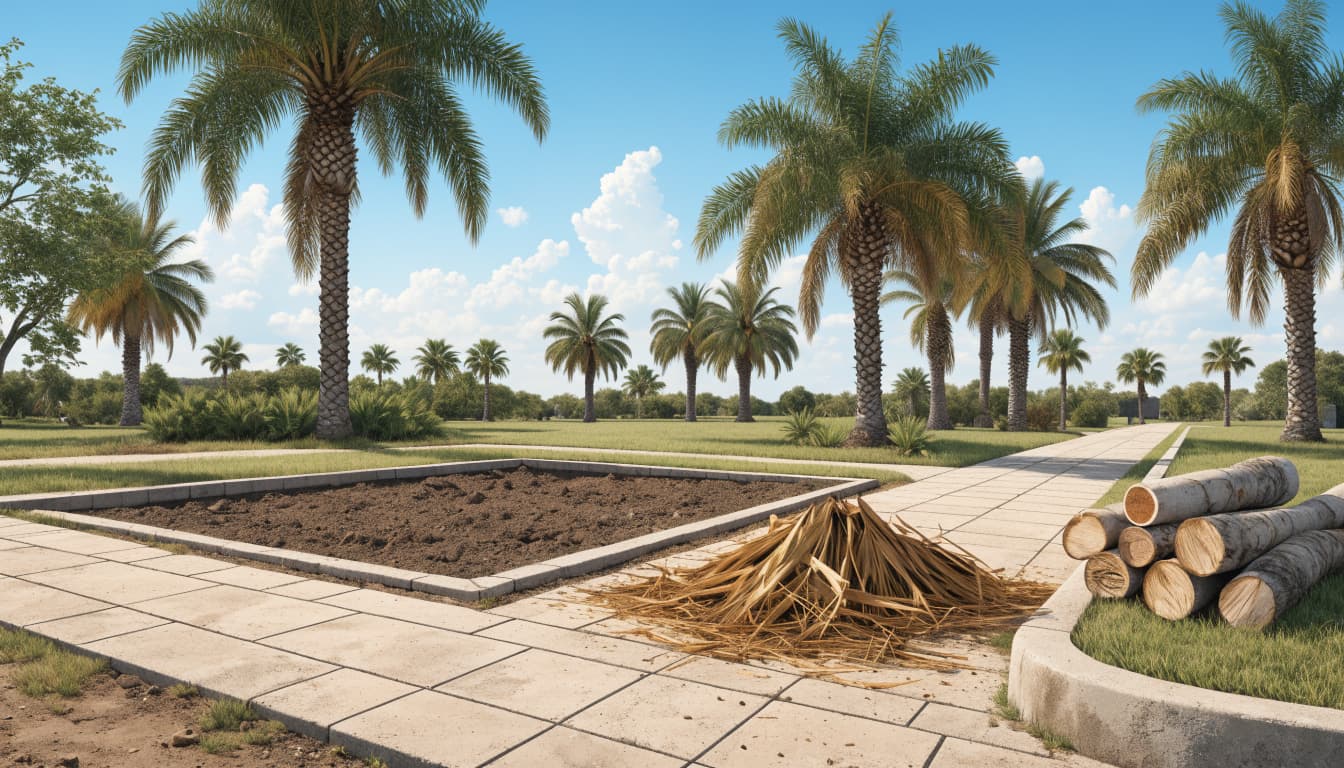
A palm assessment can affect the timing of other outdoor projects. If you're considering new pavers, irrigation repairs, or changes to a planting bed, discuss the palm first so the work can be planned together.
Protect Access and Existing Features
Show the contractor where irrigation lines and landscape lighting run before equipment enters the yard. Point out fragile surfaces, drainage areas, and tight turns around fences or pool enclosures.
Written project scopes are helpful when more than one crew is involved. They give each company a shared view of the access route, the areas included, and the expected cleanup.
Keep the Planting Bed Simple
Avoid piling soil or mulch against a palm trunk while you wait for the assessment. Don't dig into the root area or add a raised bed around the tree to cover an unsightly base.
If you're planning broader landscaping changes, consider drainage and finished grade alongside plant placement. In Southwest Florida, a bed that looks level during a dry spell may collect runoff after heavy rain.
Keep Watching Other Palms
A regular walk through the yard can help you notice changes early. Look at each palm's crown and base, and record anything that appears different from your previous photos.
Pay attention to new growth rather than judging recovery by old, fully brown fronds. Also note fast changes, a collapsed spear, unusual growth at a trunk base, or a new lean. Share those observations with a qualified professional.
For seasonal properties, our Southwest Florida landscape maintenance guide offers practical ways to prepare the yard before an extended absence.
Start With a Safe Assessment
A suspicious growth or declining palm deserves a closer look from a qualified professional. Photos and a record of recent yard changes give that person a useful starting point.
Keep your distance from obvious hazards, avoid guessing from brown fronds alone, and ask for a clear explanation of the findings. An informed assessment helps you plan the next step for both the palm and the surrounding yard.