


Irrigation Valve Box Water: Causes and Safe Fixes
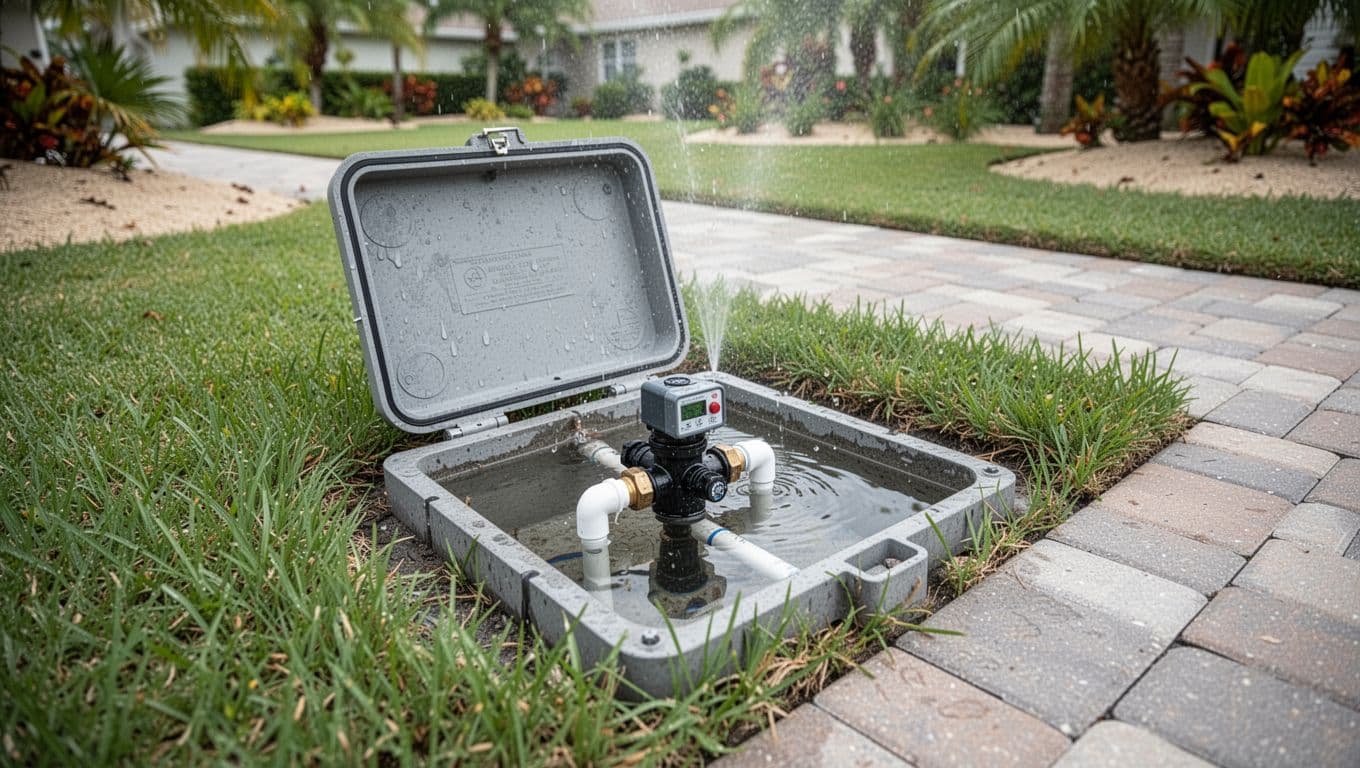
Finding irrigation valve box water after a cycle can be unsettling, especially when the box stays full or refills soon after you empty it. A small amount of water may appear after rain or watering, but persistent standing water needs inspection.
The water may come from surface runoff, poor drainage, a damaged valve, or an underground leak. Before you scoop it out or test a sprinkler zone, shut off the irrigation controller and the irrigation water supply if you can identify it safely.
What Irrigation Valve Box Water Can Tell You
A valve box provides access to sprinkler valves, underground pipes, and low-voltage control wires. It isn't designed to act as a permanent reservoir. The condition of the water and how quickly it returns provide useful clues, but they don't prove one cause by themselves.
Is a full valve box normal?
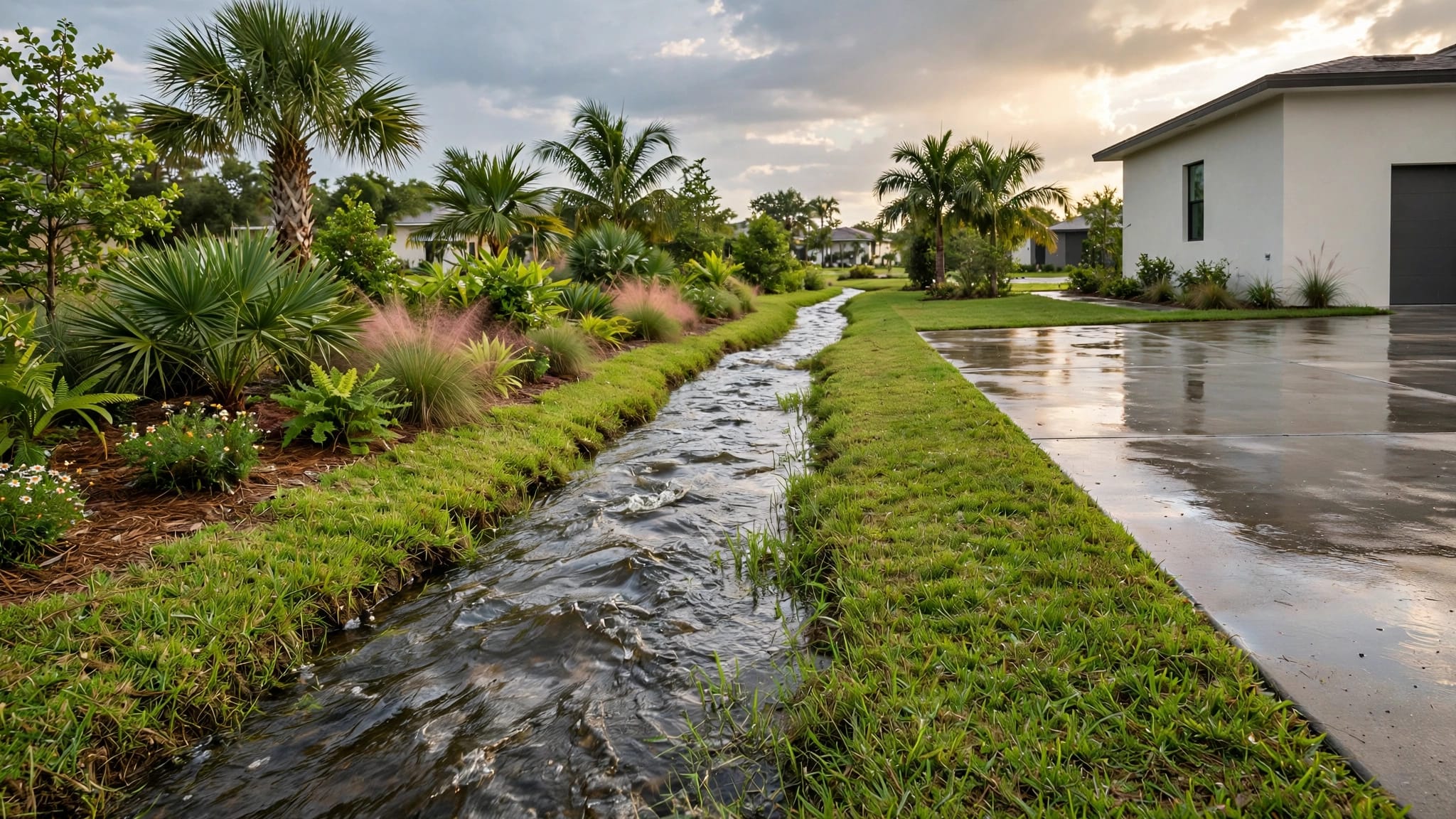
Water that appears after a heavy storm may drain away as the surrounding soil dries. Water can also enter through a lid that sits below grade, a cracked cover, or soil that slopes toward the box.
A box that remains full for days, refills when irrigation is off, or contains muddy water deserves more attention. Sandy soil may allow a leak to travel downward instead of creating an obvious puddle at the surface.
Keep people and pets away from soft ground around an open box. Avoid standing in pooled water while handling any nearby electrical equipment.
Common problems to investigate
A valve box full of water can accompany:
- A leaking valve body, fitting, or supply line
- A valve that remains partly open
- Debris beneath a valve diaphragm
- A damaged solenoid or wire connection
- A box, lid, or surrounding grade that allows rainwater to collect
- A larger drainage problem near the lawn or hardscape
The common irrigation repair problems found in Southwest Florida homes include leaks, broken valves, stuck zones, and controller issues. Inspection is needed because the visible water doesn't identify the failed part.
Inspect the Box Safely Before Testing
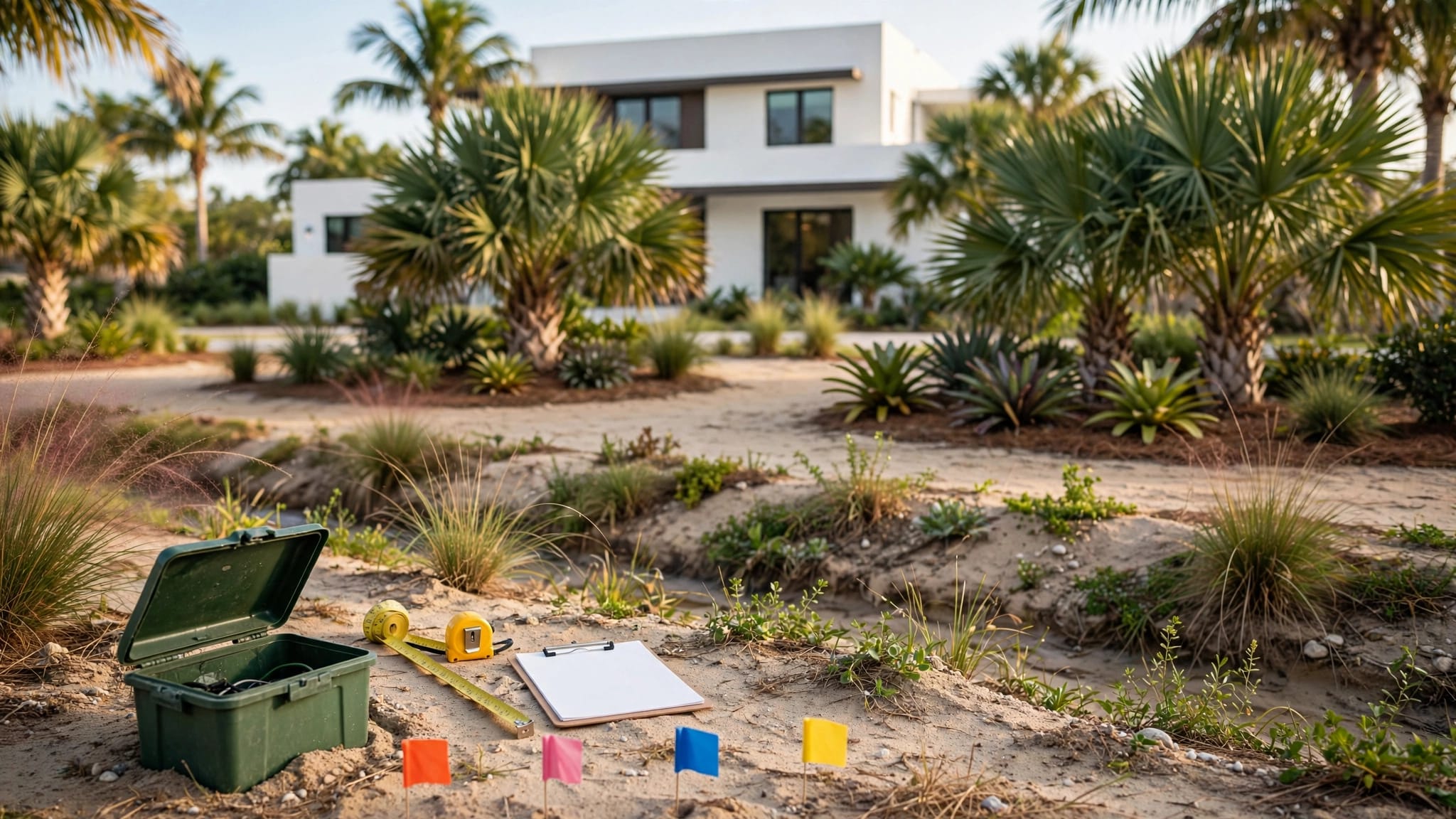
Start with observation rather than excavation. If the box is buried under grass, mulch, or stone, locate the lid carefully and expose only its immediate edges.
Shut off water and controller power
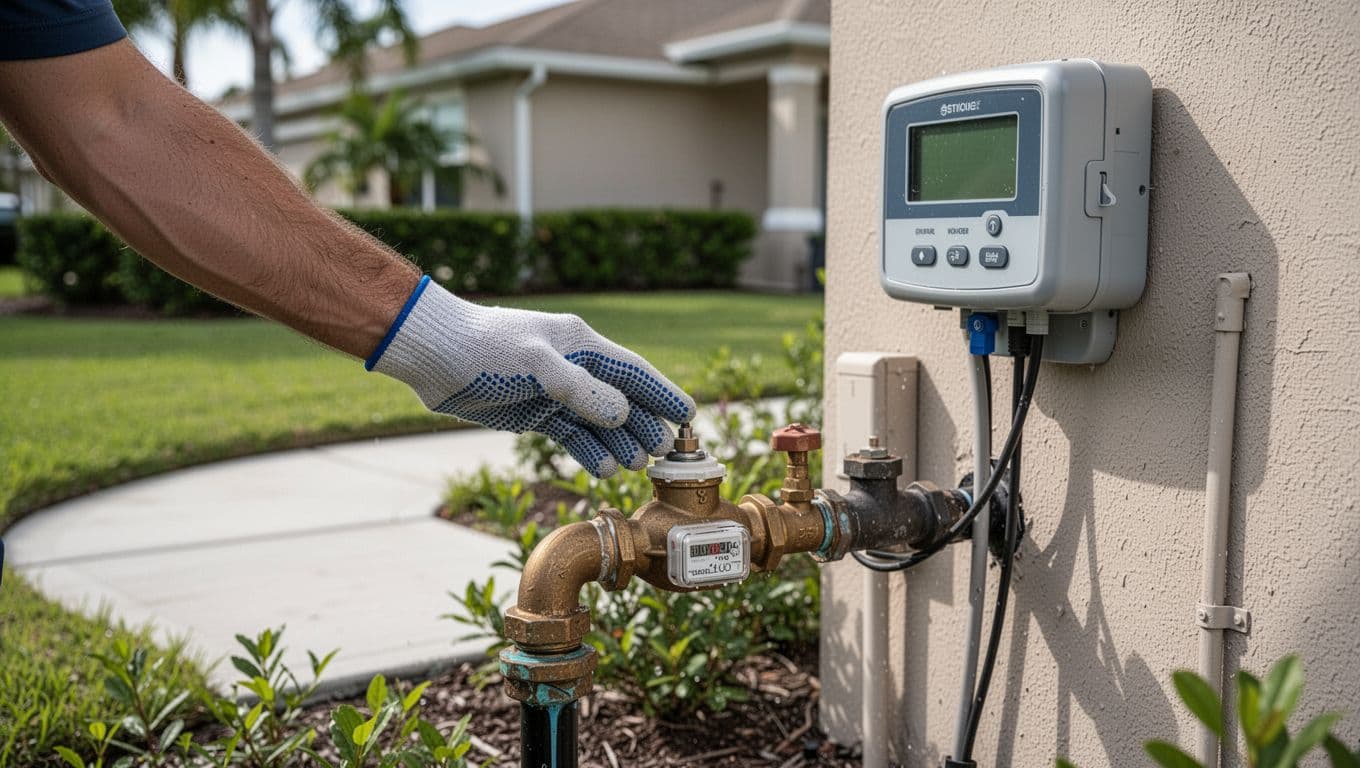
Turn off the irrigation controller before opening the box. If the controller has a plug-in transformer, disconnect it or turn off its designated breaker before touching wiring. Controller voltage is low, but damaged insulation, wet connections, and corroded terminals still require care.
Close the dedicated irrigation shutoff before removing a valve, disconnecting a fitting, or opening a pressurized component. If you cannot identify the shutoff, stop at visual inspection and arrange professional help.
Use a valve-box key or the slot designed into the lid. A flat screwdriver may work on some covers, but don't twist against brittle plastic or pry from an unsupported corner.
Record what you find
Take a photo of the valves and wire connections before touching anything. If several valves sit in the box, label each one by zone while the layout is visible. Keep soil out of the box, and don't pull on wires to move a valve.
Look for cracked plastic, loose fittings, wet soil beneath a connection, exposed copper, damaged insulation, and water entering from the lid or box wall. Never cut or move an unfamiliar cable or conduit.
If inspection requires digging beyond the box's immediate edge, call 811 before excavation where public utilities may be present. Ask how privately installed irrigation lines are handled, because they may not receive the same markings.
Match the Fix to the Cause
Pumping or scooping water out helps you see the components, but it doesn't repair the source. Use a small container or hand pump only after the water and controller are off. Keep the tool away from wiring and don't disturb the valve connections.
When surface water is the problem
After removing the standing water, inspect the lid and the finished grade around the box. Grass, mulch, soil, or decorative stone may direct runoff toward a low cover. Clear the lid edge and confirm that the cover sits stable and remains accessible.
A cracked lid or damaged box should be replaced with a properly sized component. If the box sits too low, a compatible extension or riser may help. Don't stack random blocks or materials underneath it, because movement can stress the connected pipes.
Avoid drilling drainage holes into the box without understanding the soil and groundwater conditions. Holes can allow soil into the box, and they won't solve an active supply leak.
When a valve or line is leaking
With the irrigation supply closed, inspect visible threaded connections and fittings. Don't wrap tape around a damaged section and return the system to service. A temporary patch can fail and leave water running underground.
A valve that won't shut off may have debris under its diaphragm, a damaged diaphragm, or a faulty solenoid. A solenoid that has backed out can also affect valve operation, but forcing plastic parts may crack the valve body.
If a pipe moves when you loosen a fitting, the valve body is buried, or water continues entering with the supply closed, stop. A qualified technician can isolate the line and determine whether the repair involves the valve, fitting, wiring, or underground pipe.
When the controller or wiring is involved
A zone that runs unexpectedly may have a controller fault, damaged station wire, poor common-wire connection, or a valve held open mechanically. Reprogramming the timer won't repair a leaking valve or broken pipe.
After the box is dry and stable, a professional can test the zone manually and check pressure, flow, valve response, and wiring. Leave corroded terminals, buried wire tracing, pump relays, and electrical testing to a technician.
Test the Irrigation System Without Guessing
A controlled test can show whether the issue appears only during watering or continues while the system is inactive. Complete the visual inspection first, and keep the box open only as long as needed.
Restore the irrigation supply slowly if there are no visible cracks, loose fittings, or active leaks. Turn on one zone manually for a short period. Watch the valve box, sprinkler heads, nearby soil, and hardscape. Stop immediately if water sprays from a fitting, the valve body leaks, wires shift, or the ground begins to erode.
When the zone ends, check whether the water stops. A valve that continues running after the controller shuts off needs service. If the zone never opens, the issue may involve wiring, the solenoid, debris, pressure, or the valve mechanism.
A basic meter check can also help. Turn off the controller, wait until all sprinklers stop, and turn off household fixtures. Watch the water meter for 15 to 30 minutes. Movement can indicate a leak, but it may come from household plumbing rather than irrigation. A plumber or irrigation technician can separate those possibilities.
Signs of an Underground Leak or Flooding
A full box is more urgent when other parts of the property show changes. Contact a professional when you notice:
- Soil that stays wet while irrigation is off
- Hissing or water movement after every zone stops
- A meter that continues moving with all fixtures off
- Soft ground, sinkholes, erosion, or repeated muddy spots
- Grass that grows unusually fast in one area
- A sudden pressure drop across several zones
- Pavers, concrete, or a walkway that begins to settle
- Water surfacing near a foundation, driveway, pool deck, or patio
In Cape Coral and other areas with sandy soil, water may move away from a broken pipe before it becomes visible. Persistent moisture can wash soil from beneath hard surfaces, creating voids or settlement.
Don't dig toward a suspected buried leak with a shovel. You could damage another pipe, wire, cable, or utility. Professional leak detection and pressure testing can limit unnecessary excavation.
Protect Landscaping and Hardscape During Repairs
Fix irrigation problems before replacing sod, installing beds, or changing the grade. Restoring the visible lawn first can hide the evidence and lead to repeated damage.
Before a concrete company pours a driveway, patio, or walkway, mark irrigation lines and plan sleeves where pipes must cross beneath the new surface. The concrete contractor in Cape Coral information from Outdoor Life Pros also emphasizes site preparation and grading for drainage.
Schedule valve and pipe work before paver cleaning or sealing. Digging after the joints are finished can disturb sand and stain newly cleaned surfaces. A paver edge that settles because of washed-out soil needs the water source corrected before surface repairs begin.
The same rule applies to turf changes. Whether a homeowner calls it artificial turf or searches for "artifical turf," the installation shouldn't cover a recurring wet spot. Repair buried irrigation problems and confirm drainage before installing a compacted base or new lawn surface. The Cape Coral backyard renovation guide covers the proper sequence for coordinating irrigation, turf, and hardscape work.
Key Takeaways
- A little water after rain may drain normally, but a box that stays full or refills needs inspection.
- Shut off both the irrigation controller and the irrigation water supply before handling valves or wiring.
- Scooping water out is only a temporary step that makes the components easier to see.
- Never force brittle lids, solenoids, handles, fittings, or unfamiliar wires.
- Wet soil, constant flow, meter movement, erosion, low pressure, and settling hardscape point to a problem that may be underground.
- Repair irrigation leaks before landscaping, concrete, paver, sod, or artificial turf work.
FAQ About Water in Irrigation Valve Boxes
Should I pump all the water out of the valve box?
You can remove water carefully after shutting off the controller and irrigation supply. This helps you inspect the valves and fittings, but it won't correct drainage, a failed valve, or an underground leak. If the box refills quickly, stop testing and arrange service.
Can rainwater cause a full valve box?
Yes, rainwater can collect when the lid sits below grade, the surrounding soil slopes toward the box, or the cover is damaged. However, water that returns during dry weather or while irrigation is off may indicate a supply or valve problem. Observe the timing before choosing a repair.
Can I replace the solenoid myself?
Only consider a replacement when you can identify the correct valve, shut off the water safely, and access the wiring without disturbing other components. Turn off controller power and irrigation water first. Stop if wires are corroded, the valve body cracks, the solenoid will not loosen, or water continues flowing.
When should I call an irrigation professional?
Call when the valve box is flooded, several zones fail, the shutoff cannot be located, or water continues after the controller is off. Service is also the safer choice near concrete, pavers, foundations, established plants, buried utilities, pumps, or damaged wiring. Outdoor Life Pros offers irrigation repair and landscape installation for properties in Cape Coral and nearby Southwest Florida communities.
Conclusion
Water in an irrigation valve box isn't automatically proof of a broken valve, but persistent water should never be ignored. Shut off the controller and supply, inspect without digging blindly, and use a short controlled test only when the box is dry and stable.
If water keeps returning, the meter moves, or nearby soil and hardscape change, the safest fix is a professional diagnosis. Finding the source before restoring the yard protects your irrigation system, landscaping, and outdoor surfaces.