


Irrigation Pressure Regulator Problems and Replacement Warning Signs
A failing irrigation pressure regulator can make a healthy lawn look dry, flooded, or unevenly watered. The same symptoms can also come from clogged nozzles, damaged valves, underground leaks, or too many sprinkler heads on one zone.
The right diagnosis starts with pressure readings, sprinkler patterns, and timing. Before replacing an irrigation pressure regulator, compare the affected zone with the rest of the system and check the basic components first.
What an irrigation pressure regulator does
An irrigation pressure regulator controls water pressure before it reaches sensitive sprinkler or drip components. Without suitable pressure, spray heads may mist, rotors may fail to turn correctly, and drip emitters may receive more pressure than they can handle.
Pressure and flow are related, but they are not the same. Pressure is the force pushing water through the line. Flow is the volume moving through the system. A gauge can show pressure changes, but it cannot confirm whether a zone has enough available flow.
Why pressure problems affect entire zones
Irrigation zones often combine a valve, supply pipe, sprinkler heads, and fittings. When the pressure drops at the beginning of a cycle, every head in that zone may perform poorly. Heads may rise slowly, spray a shorter distance, or leave dry strips between coverage areas.
A zone can also be overloaded. Adding new landscaping, turf, or sprinkler heads without increasing the available flow may weaken the whole zone even when no individual component has failed.
Well-organized systems group turf heads separately from shrub beds. Rotors, spray heads, drip lines, and micro-sprayers often need different operating conditions. A sound landscape irrigation system design accounts for those differences.
Regulator symptoms can resemble other failures
A regulator problem is only one possible cause of abnormal pressure. A clogged filter, partly closed valve, damaged nozzle, leaking pipe, stuck valve diaphragm, or restricted supply line can create similar symptoms.
If one or two heads look weak, inspect those heads and nozzles first. If every head on one zone struggles, focus on that zone's valve, wiring, pipe, and flow demand. When several zones perform poorly, inspect the main supply, shutoff, filter, backflow device, pump, and pressure regulator.
How to identify abnormal irrigation pressure
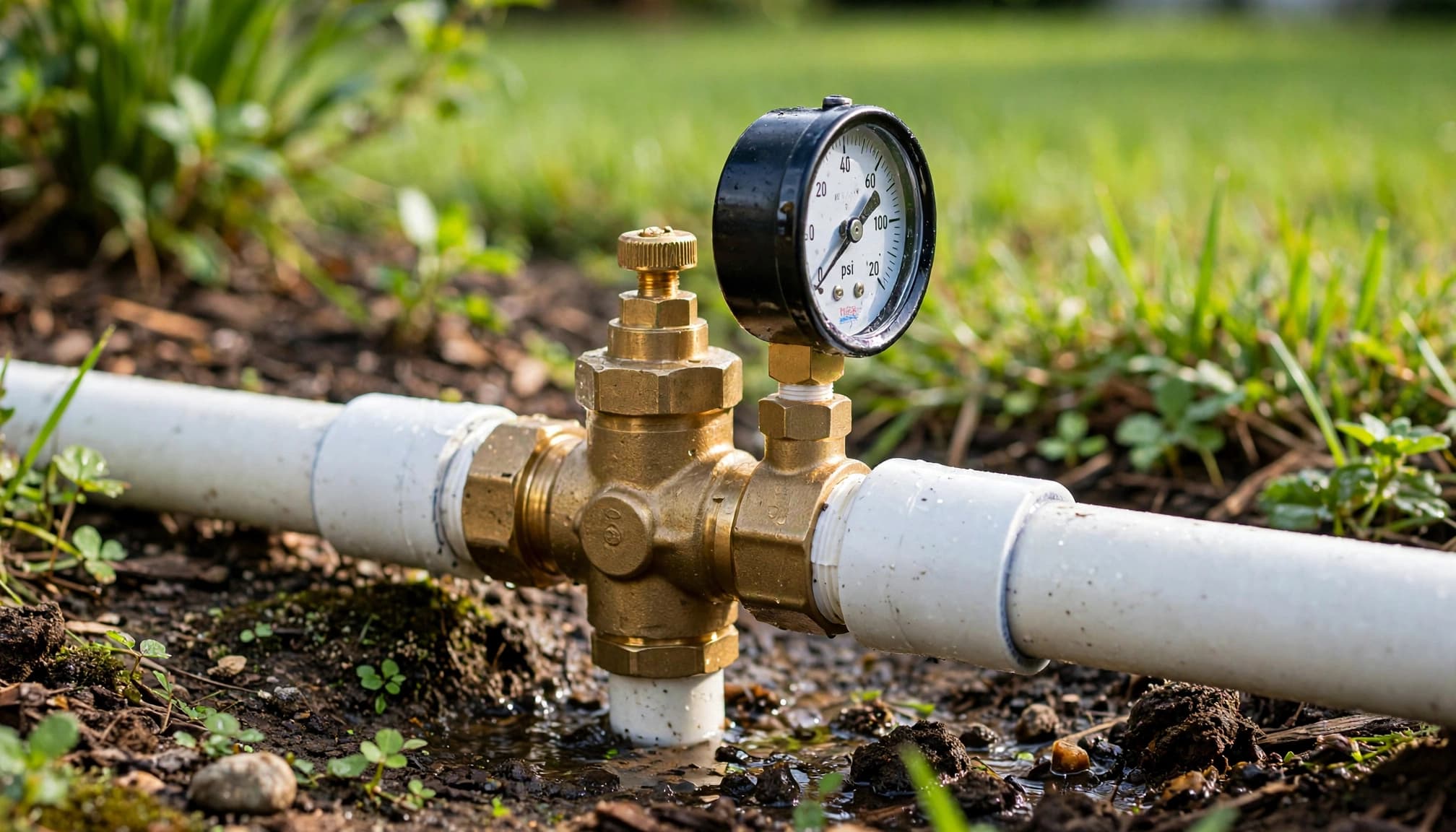
Pressure should be checked both when the system is idle and while a zone is running. A hose-bib gauge can help compare general household pressure, but the reading may differ from pressure at a distant sprinkler because pipe length, elevation, fittings, valves, and flow losses affect the result.
Always compare readings with the sprinkler manufacturer's specifications. Check the product manual, nozzle chart, cap, or manufacturer website for the correct operating range. Some pressure-regulating spray bodies list their regulated pressure directly on the body.
Signs of low pressure
Low pressure often appears as:
- Sprinkler heads that barely rise or fail to pop up
- Short throw distances and dry lawn edges
- Weak streams or incomplete rotor rotation
- Several heads becoming weaker at the same time
- A zone that starts normally, then fades during operation
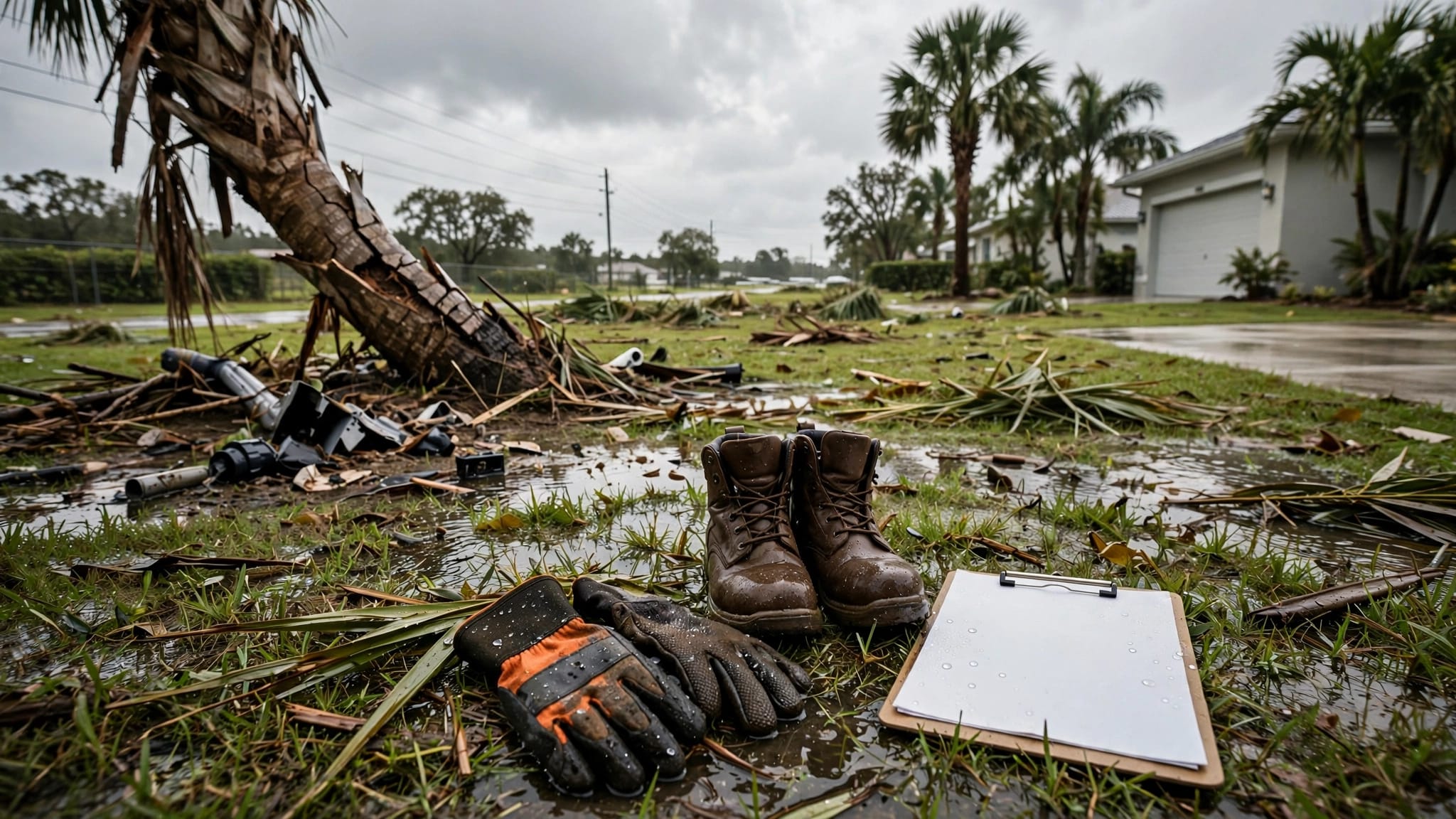
A sudden pressure loss deserves prompt attention. Look for water pooling near a head, a geyser from a cracked fitting, soggy soil, unusually green grass, or a soft area near a sidewalk, driveway, patio, or pool deck. Water escaping underground can reduce pressure before it reaches the sprinklers.
Low pressure across the entire property may point toward the supply, pump, filter, shutoff, backflow device, or regulator. A single weak zone is more likely to have a local valve, pipe, wiring, blockage, or design problem.
Signs of high or fluctuating pressure
High pressure can produce fog-like mist, overspray, and uneven distribution. Fine droplets may drift onto windows, stucco, fences, sidewalks, or pavers instead of reaching the intended planting area. Excess pressure can also increase evaporation.
A worn or damaged nozzle can create misting, so replace or clean the nozzle before blaming the regulator. Pressure that starts normally and falls during the cycle may indicate a restriction, slowly closing valve, leak, or demand elsewhere in the property.
Water hammer is a sharp bang or vibration that occurs when water flow stops or changes quickly. A pressure regulator may contribute to the problem, but the cause could also involve a fast-closing valve, loose pipe, trapped air, or another plumbing condition. Repeated hammering should be inspected rather than ignored.
A practical troubleshooting checklist
Start with visible problems before changing pressure settings. Run one zone at a time and watch the entire area. Do not adjust several components at once, because you may lose track of which change affected the result.
Use this sequence:
- Record when the problem began and whether it affects one zone or the whole system.
- Check the controller for the correct zone, run time, seasonal setting, and rain sensor status.
- Inspect heads for dirt, damage, tilted bodies, low placement, or grass and mulch blocking the spray.
- Look for bubbling water, wet soil, settled ground, broken fittings, or water flowing when the controller is off.
- Clean a clogged nozzle or filter according to the manufacturer's instructions.
- Compare the weak zone with a nearby zone that uses similar sprinkler equipment.
- Test pressure at rest and while the affected zone runs, then repeat the test to confirm the pattern.
- Shut off the water if a leak continues, a fitting breaks, or water collects near a structure.
What one weak zone can tell you
When surrounding zones spray normally, the home's general water supply may be adequate. Focus on the weak zone's valve, wiring, filter, pipe, heads, and total demand before changing the main pressure setting.
If the first heads spray well but heads farther along the route weaken, a leak, restriction, undersized pipe, or excessive demand may be involved. If every head is weak from the moment the zone starts, inspect the valve and zone supply first.
Do not dig based on guesswork. Irrigation lines and electrical wires may run near the suspected leak. If excavation becomes necessary, call 811 before digging and use a qualified technician when the line runs beneath concrete, pavers, or a driveway.
When the whole property has low pressure
Several weak zones point toward a shared component or supply condition. Check for a partly closed shutoff, clogged filter, damaged backflow device, failing pump, or regulator problem. Indoor faucets and outdoor hose bibs may also show weak flow if the issue is outside the irrigation system.
Avoid increasing pump settings without testing the pump, pressure tank, supply piping, available flow, and system demand. A pressure change can hide a failing well or place more stress on other equipment.
When should you replace the pressure regulator?
Replacement becomes more likely when testing shows that the regulator cannot hold the required pressure, pressure changes sharply without another visible cause, or the component leaks, corrodes, or has damaged threads.
A regulator should not be replaced only because one sprinkler sprays poorly. First rule out a clogged nozzle, wrong nozzle type, tilted head, valve restriction, underground leak, or overloaded zone. If drip tubing is involved, confirm that it has the dedicated pressure regulator required for that type of system.
Match the replacement to the system
Before purchasing a replacement, record the existing connection size, flow requirement, irrigation type, and manufacturer's pressure specification. A regulator selected for a small drip zone may not suit a rotor zone. A replacement also needs to fit the pipe and valve arrangement without forcing or stressing the connections.
If the system was installed during a landscaping project, locate the plan, invoice, or equipment list. Mixing high-pressure rotors with standard spray heads on one zone can create uneven watering even when the supply gauge appears acceptable.
Shut off and depressurize before service
Turn off the irrigation water supply before removing a regulator, opening a valve box, removing a nozzle, or handling a pressurized fitting. Then run the affected zone briefly, if safe, to release trapped pressure. Controller power and water pressure are separate, so shut off electrical power before inspecting wiring or working inside the controller.
Never force a stuck fitting or regulator. A cracked connection can create a larger leak, especially when the component sits beneath soil, mulch, pavers, or concrete. A professional can isolate the zone, test pressure at several points, and confirm whether replacement is justified.
Testing the system after regulator work
A replacement is only successful if the zone performs correctly afterward. Run each zone separately and observe the heads throughout the cycle. Check whether the regulator holds steady pressure, whether the heads rise fully, and whether the spray reaches the intended area without misting or overspray.
Check coverage, leaks, and drainage
Look for dry edges, brown turf beside saturated turf, water flowing toward a storm drain, eroded mulch, and wet spots near valve boxes. Irrigation water should not repeatedly land on walls, windows, walkways, driveways, or parked vehicles.
A final inspection should also check broken heads, overspray, leaks, poor coverage, and drainage direction. The system should move water away from the house rather than toward the foundation or beneath hardscape.
Repair water problems before surface work
A leak beneath a walkway can wash away supporting soil and cause pavers to settle. Fix the irrigation source before hiring a concrete company to repair settled concrete or cracked surfaces. Likewise, schedule paver cleaning after the soil dries and the leak stops.
Artificial turf should not cover a recurring irrigation or drainage problem. Some online searches misspell the term as "artifical turf," but the installation still requires a stable base and a reliable path for water to leave the area. Correct buried leaks before installing turf, sod, mulch, or stone.
Questions to ask before approving replacement
A clear service diagnosis should connect the symptom to a tested component. Ask what pressure was measured at rest and while the zone ran, whether the reading was compared with the manufacturer's specification, and whether the problem affects one zone or several.
Also ask whether the technician inspected the valve, filter, heads, nozzles, pipe, and flow demand. A regulator replacement may be necessary, but it should not be used as a substitute for finding a cracked fitting or leaking underground line.
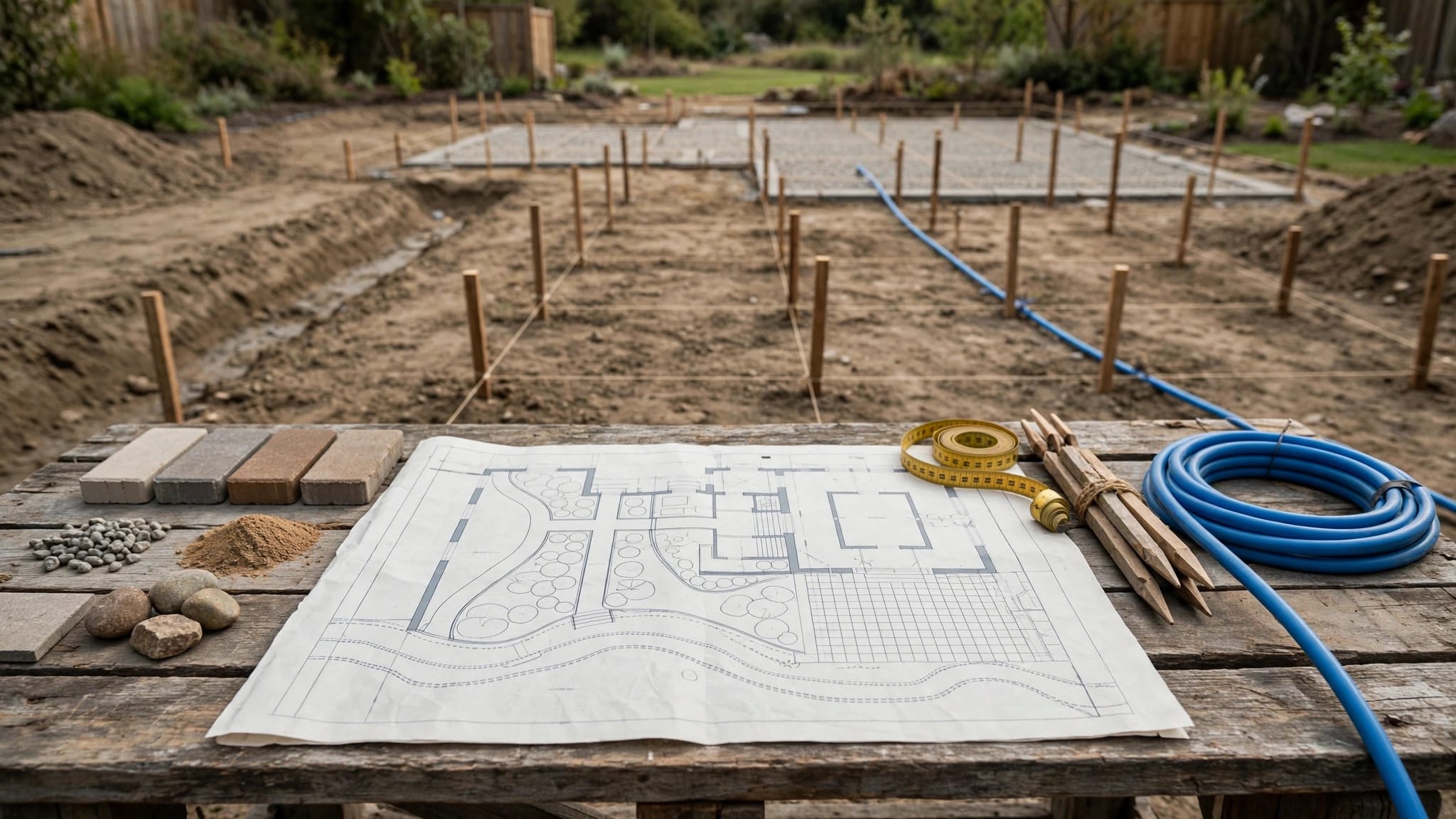
For larger landscape changes, discuss responsibility for future zone adjustments, irrigation repairs, paver work, and drainage. Planning coordinating irrigation and hardscape projects before construction can reduce the chance of burying a repair beneath a finished surface.
Key takeaways
- Low pressure can cause short spray distances, weak streams, incomplete rotor movement, and heads that fail to rise.
- High pressure can create misting, overspray, drift, and uneven coverage.
- Water hammer may involve pressure, valves, loose piping, or another flow problem.
- One weak zone usually requires local inspection before replacing the main regulator.
- Several weak zones may point toward a shared supply, filter, pump, backflow device, or pressure regulator.
- Always compare readings with the installed equipment's specifications.
- Shut off and depressurize the system before servicing pressurized components.
- Test every zone after repairs and correct leaks before restoring turf or hardscape.
Frequently asked questions
Can a bad pressure regulator cause sprinklers to stop working?
It can contribute to weak or inconsistent sprinkler performance, but a failed regulator is not the only possible cause. Check the valve, filter, heads, nozzles, pipe, controller, and water supply before replacing it.
Why does only one irrigation zone have low pressure?
A single weak zone may have a clogged filter, restricted valve, damaged pipe, leaking fitting, wiring problem, too many heads, or mismatched sprinkler equipment. Compare it with nearby zones before changing the property's main pressure control.
How can I tell whether low pressure is caused by a leak?
Run the zone and look for bubbling water, soggy soil, a geyser near a head, settled ground, or pressure that falls during operation. Some leaks remain underground, so a professional test may be needed when visible inspection does not reveal the source.
Does a pressure gauge identify the failed component?
No. A gauge shows pressure at one test location and one point in time. It helps show whether pressure changes between zones or during a cycle, but the valve, pipe, flow demand, and sprinkler equipment still require inspection.
Conclusion
An irrigation pressure regulator can cause major watering problems when it fails, but the symptoms often overlap with clogged heads, leaking pipes, damaged valves, and poor zone design. Compare pressure readings with manufacturer specifications, observe the entire zone, and test before replacing parts.
The safest repair process starts with shutting off and depressurizing the system. Once the cause is confirmed, run every zone again and verify spray coverage, leaks, drainage, and hardscape protection. Consistent irrigation depends on solving the pressure problem at its source, not adding more watering time.