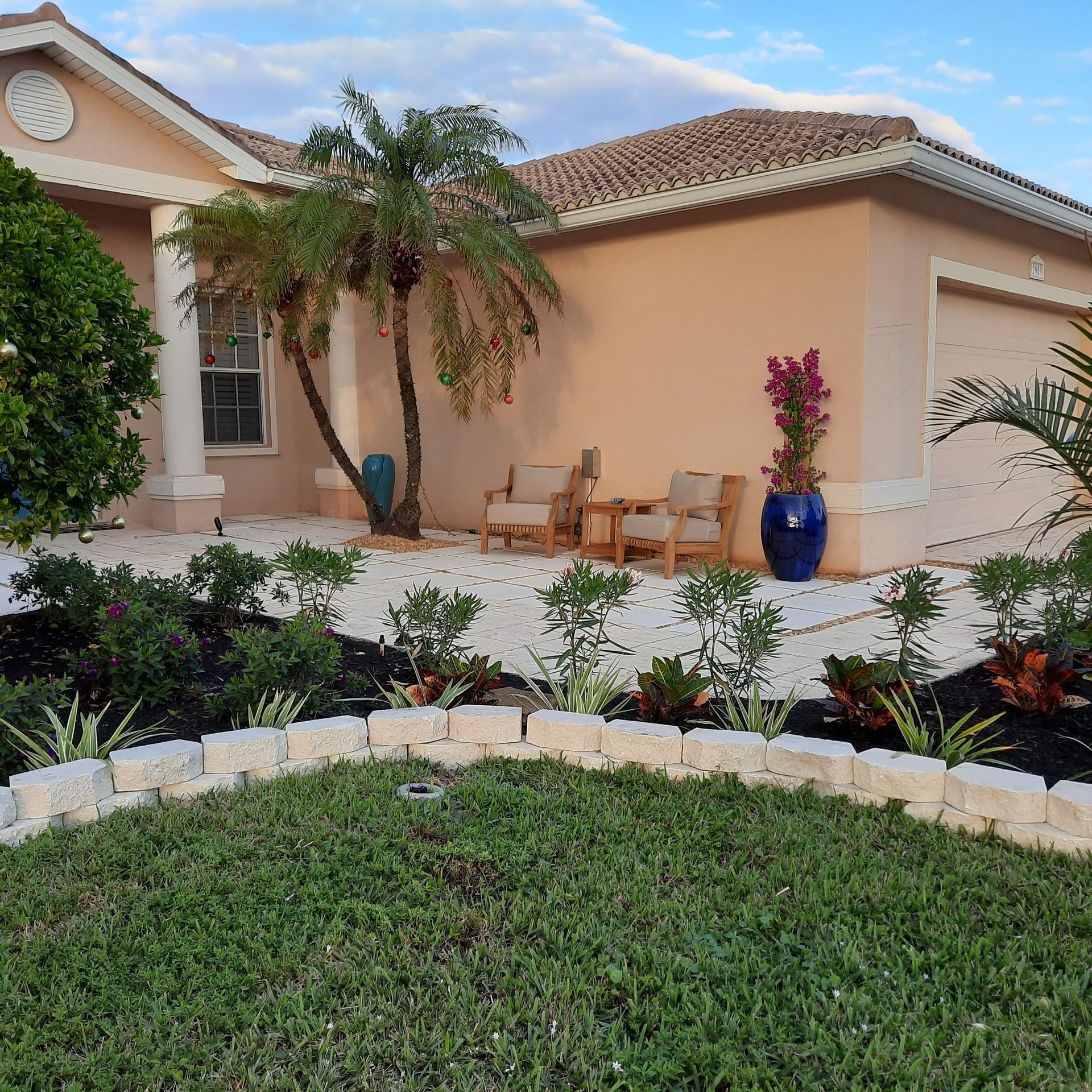



Cape Coral Swale Maintenance That Keeps Drainage Open
A neat lawn can still flood if grass clippings, raised edging, or a new driveway apron blocks the low strip beside the street. Water needs a clear route , and small yard changes can interrupt it.
Cape Coral swale maintenance starts with simple upkeep: protect the grass, remove debris, and watch where rain goes. Larger changes to grade, plants, or hardscape call for a closer look at the city's rules. First, identify the drainage path you're trying to preserve.
Understand What Your Swale Is Supposed to Do
A swale is a shallow depression that collects runoff and guides it along an established drainage route. On many Cape Coral lots, you'll find one between the front yard and the street. Its shape may be subtle, especially when grass covers the slope.
Cape Coral's Swale Grading Program addresses swales in the public right-of-way as part of the city's stormwater system. That distinction matters: the strip may look like your front lawn without being a place where you can freely add fill, install edging, or reshape the ground.
Walk the property while it's dry. Look for the lowest continuous line, nearby drainage inlets, driveway crossings, and spots where runoff enters from your yard. After rain, observe the same route from safe, firm ground. Water should follow the intended path without backing toward the house or spilling over a neighbor's property.
If you're unsure where your yard ends and the right-of-way begins, check before starting a project. The Cape Coral swale landscaping rules for homeowners offer more context for planning work near that boundary.
Keep Vegetation Healthy Without Closing the Channel
Grass or suitable ground cover helps hold soil in place. Bare sand can wash into the low point and collect around an inlet. Dense growth, on the other hand, can hide debris and slow surface flow.
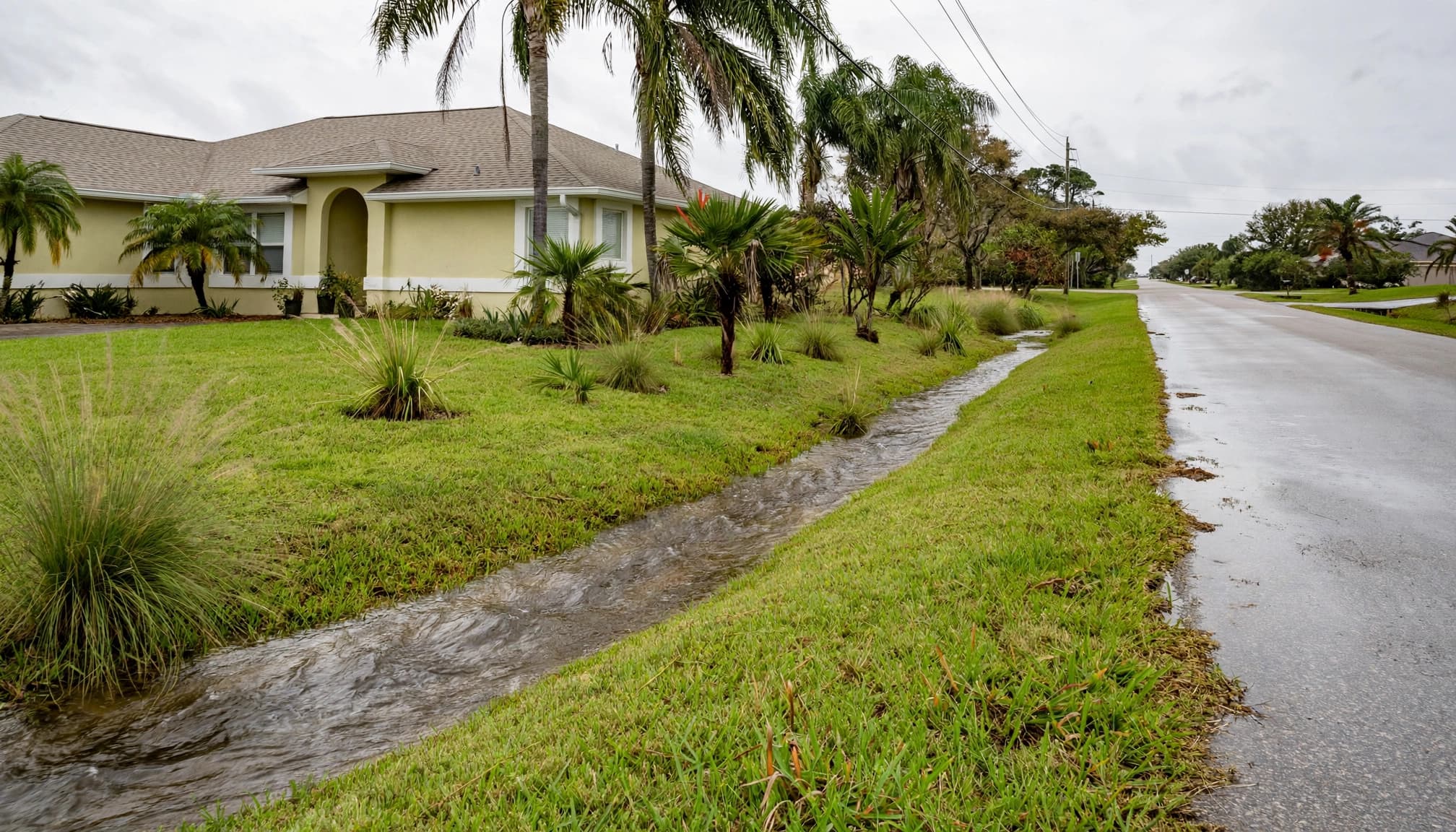
Mow carefully and collect the clippings
Keep existing turf manageable so you can see the swale's shape. When mowing, avoid scalping the low area or driving heavy equipment across soft ground. Ruts can hold water, and bare patches can erode during a hard storm.
Bag or collect excess clippings rather than blowing them downhill. Cape Coral's swale guidance calls for healthy turf or native ground cover, no bare soil, and removal of excess grass clippings and horticultural material. It also advises limiting fertilizers, pesticides, and herbicides that runoff can carry away.
Treat planting and turf replacement as changes to check
A row of shrubs may look tidy at installation, then spread across the drainage line. Mulch can also migrate into the channel. Keep any proposed landscaping outside the flow path, and account for a plant's mature size.
If the swale needs new sod or a different ground cover, ask Cape Coral what applies before removing vegetation in the right-of-way. For lawn areas elsewhere on the lot, sod and artificial grass options can be planned alongside grading. Artificial turf still needs a draining base and an open route for surface runoff.
Clear Debris Without Digging or Reshaping
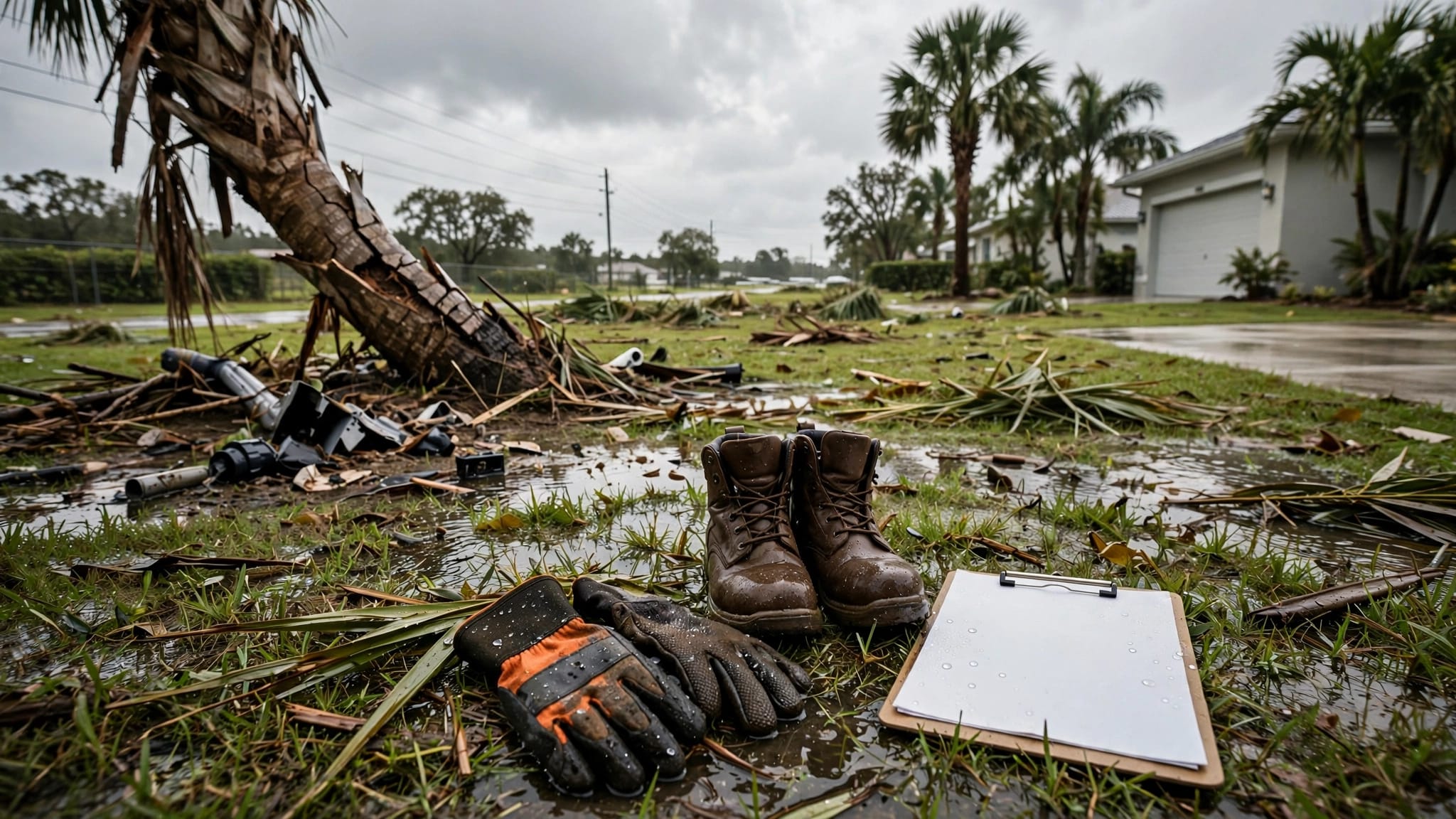
The easiest maintenance check comes after mowing, landscape work, or a storm. Walk the visible drainage route and remove loose material you can reach safely: palm fronds, leaves, litter, loose mulch, and grass clumps. Pick debris up and dispose of it elsewhere. Don't rake it farther down the swale for the next property to handle.
Pay particular attention to drainage inlets and driveway crossings. A small pile of leaves at an opening can stop water even when the rest of the swale looks clear. Keep brush and yard waste away from inlet openings, and never use the depression to store soil or construction materials.
If sediment has built up enough to change the swale's shape, don't excavate it on a guess. The original grade may be hard to judge by eye. Likewise, don't spread leftover topsoil over a low spot simply because it stays wet after a storm. Filling one depression can push water toward a driveway, the house, or another yard.
After driveway or patio work, check for washed-out joint sand and loose aggregate. Schedule paver cleaning with runoff in mind: collect the grit instead of pressure-washing it into the street-side swale. Routine debris pickup helps preserve the channel; removing accumulated soil or rebuilding its profile is a different scope of work.
Check Drainage After Rain, Not Just on Dry Days
Dry grass can conceal a blocked outlet. Rain shows where water gathers, which direction it moves, and whether a new landscape feature has changed its route.
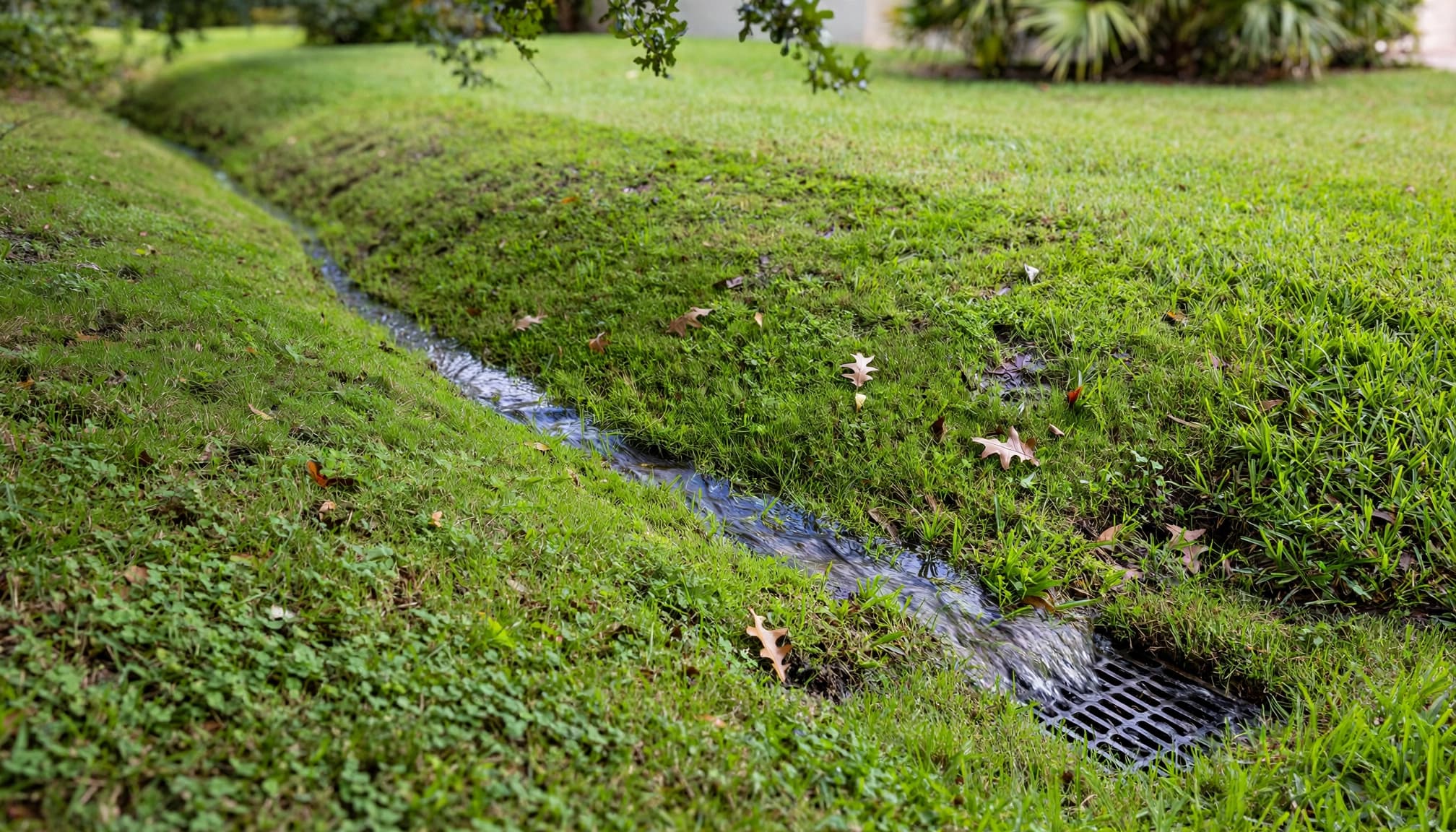
Give ordinary ponding some time
Water in a swale doesn't always disappear as soon as rain stops. Cape Coral's guidance says temporary ponding can last 24 to 72 hours , depending on the rain event. Saturated ground and additional rainfall affect what you'll see.
Watch from dry pavement or stable ground instead of walking through standing water. You may not see a rut, open drain, sharp debris, or displaced cover beneath it. Keep children away from flooded inlets, and stay clear of any electrical equipment near water.
Look for a pattern that points to a blockage
Compare the water level soon after rain with what remains over the following days. A patch that repeatedly holds water long after nearby swales drain deserves attention. So does water backing across a driveway, collecting against a slab, or appearing after an irrigation cycle when it hasn't rained.
Photos taken from the same safe spot can help you show where the problem begins and how long it lasts. Note whether an inlet is covered, a driveway crossing looks clogged, or soil has washed into the channel. A recurring problem may involve the outlet or a wider drainage route, not simply the wettest patch you can see.
A puddle after a storm isn't proof that the swale needs filling. Compare how it drains with nearby areas before changing the grade.
Preserve the Grade and Control Water Entering the Swale
A swale needs an uninterrupted low route. Even a modest ridge of soil, a raised bed border, or a strip of concrete can interrupt shallow runoff on a flat lot.
Keep heavy loads and added materials out
Avoid parking vehicles in the swale. Cape Coral warns that compaction reduces its ability to absorb runoff. Protect the area when landscaping deliveries arrive, too: don't place pallets, piles of mulch, or excavated soil across the depression.
Watch what happens at the driveway apron. If water ponds on the uphill side after repairs, ask the contractor to review the finished elevations rather than cutting a channel yourself. A concrete company replacing an apron should understand the existing drainage route before work begins.
Manage runoff before it reaches the street
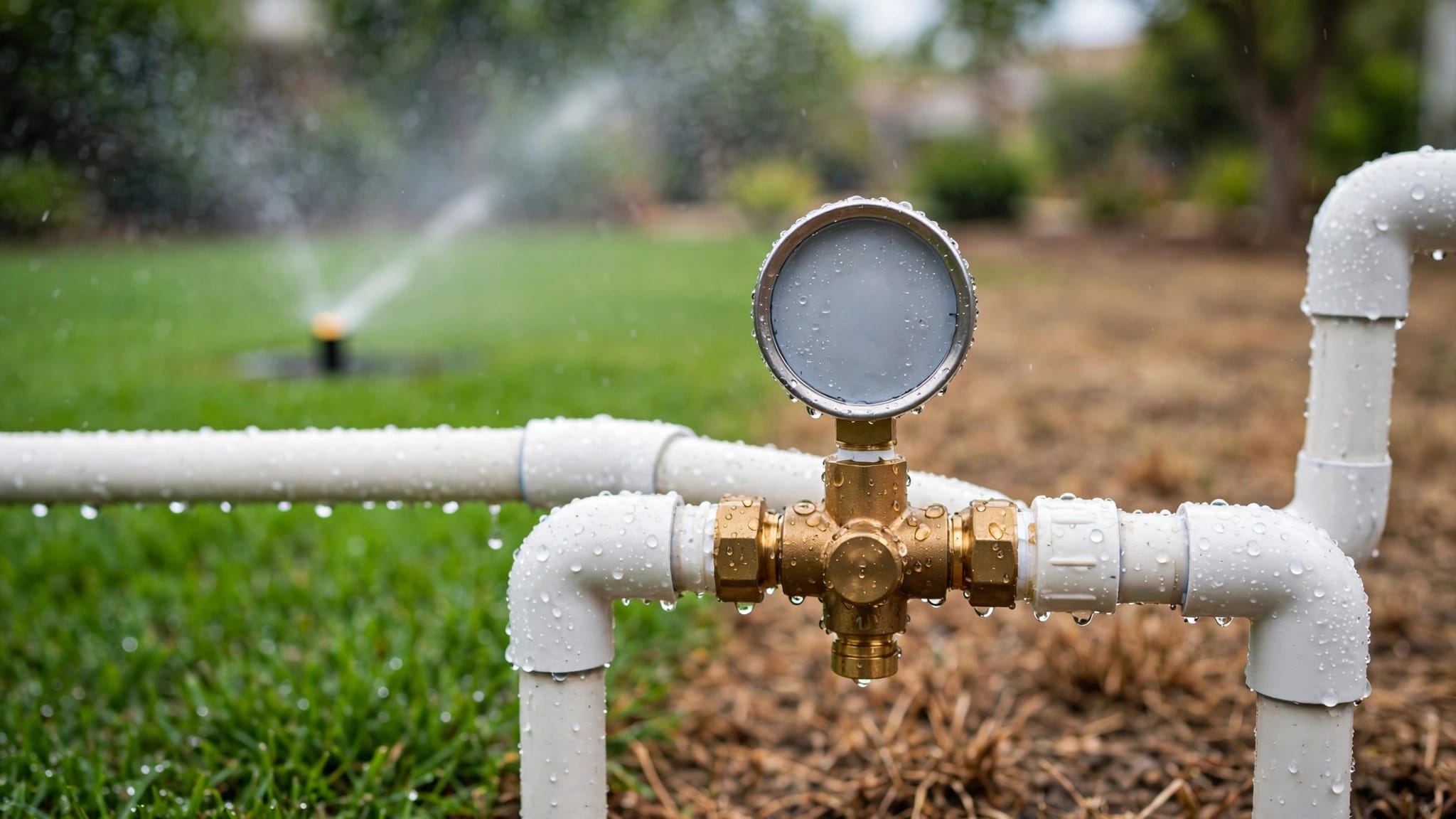
Downspouts and irrigation can concentrate water in one place. Cape Coral advises directing downspouts onto lawn or landscape beds rather than pavement. Check for sprinkler leaks and overspray that wash sand or mulch toward the swale.
Don't redirect a downspout or buried drain onto a neighbor's lot. If a patio, lanai, or side yard stays soggy, identify a suitable outlet before installing a pipe. Private-yard drainage work may be part of the answer, but connecting it to a public swale or changing a right-of-way feature calls for city guidance first.
Plan Yard Upgrades Around the Drainage Route
New features can work beside a swale when their elevations and edges leave runoff a path out. Problems often begin at the transition between materials: a paver border sits above the lawn, a turf base forms a lip, or fresh sod covers a low opening.
Set the drainage plan before finishing the yard
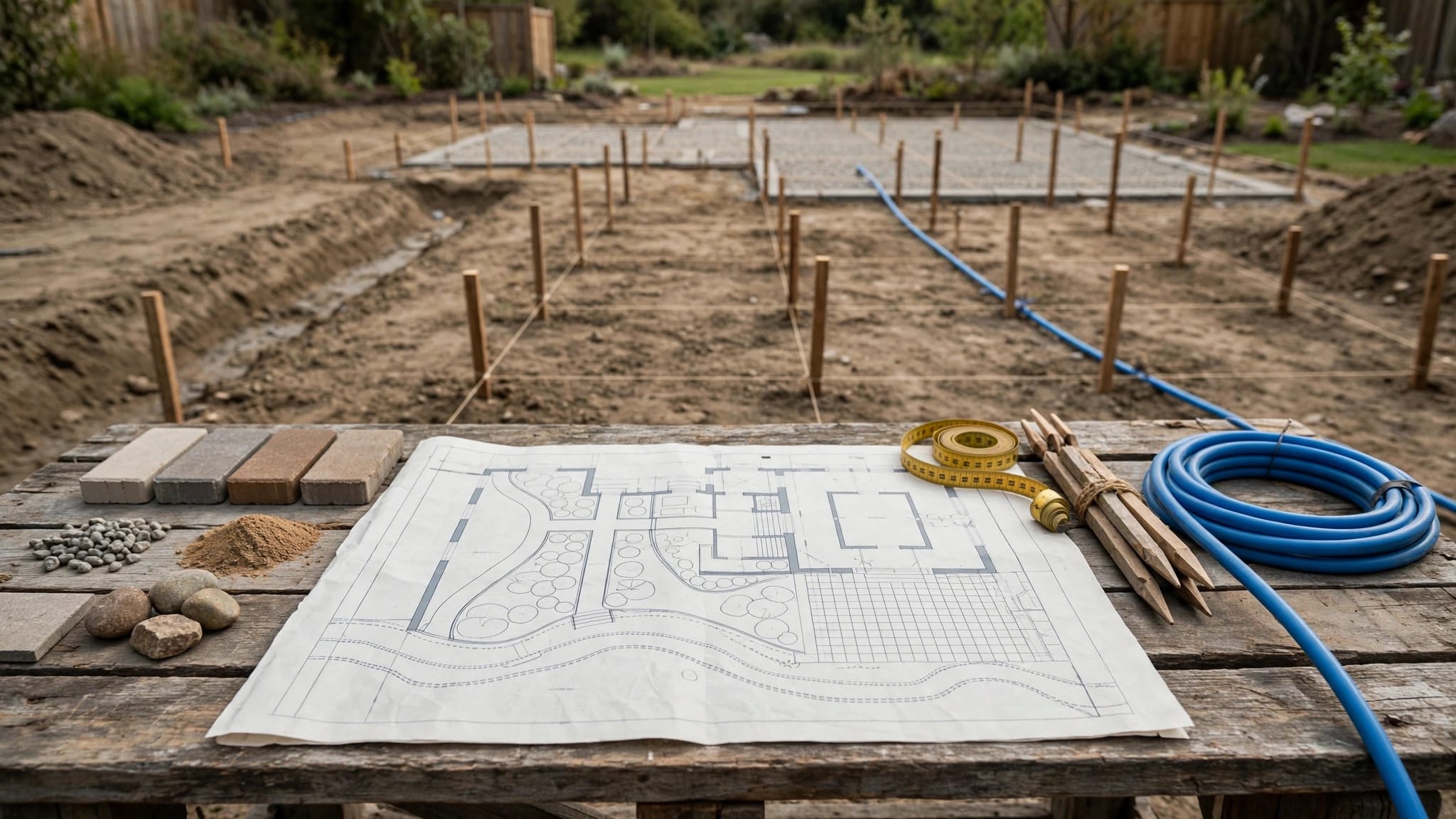
For a larger project, decide where rainwater should go before installing beds, pavers, or turf. Landscape design and installation in Cape Coral can account for grading and soil preparation along with the finished planting plan.
Keep private-yard improvements separate from assumed permission to alter a public swale. If a design calls for moving soil at the street, replacing right-of-way vegetation, or adding a drain outlet there, confirm the requirements with Cape Coral before scheduling the work. Drainage corrections should come before final sod and surface cleaning, so crews don't have to disturb finished areas.
Check every new edge after the first storm
Inspect where a walkway meets the lawn and where a driveway meets the street-side depression. Look for mulch washing out of beds, sand collecting at an inlet, or water skirting around a raised border. These observations give a contractor more to work with than a request to "make it drain."
If new pavers settle or shift near the route, review the base and surrounding elevations before resetting them. Paver installation and repair should preserve the intended flow, not create a neat surface that sends runoff toward the house. For major yard changes, compare conditions during more than one rain event before treating a single puddle as the whole problem.
Know When to Call Cape Coral Before Doing More
Routine care and construction are different. Picking up loose leaves, collecting clippings, and observing runoff won't change the swale's profile. Adding fill, excavating, changing vegetation, installing a culvert, or rebuilding a driveway crossing can affect the public drainage system.
Ask before altering the right-of-way
Cape Coral's right-of-way ordinance restricts construction or alteration in a city-owned right-of-way or swale, including changes to fill or vegetation, except as allowed under its land-use rules. The city's Surface Water Management program handles review and permits for right-of-way work involving swales, culverts, driveway construction, and re-sodding.
Requirements depend on the location and scope. Contact Surface Water Management at (239) 574-0414 before hiring someone to reshape a swale or install a connection. For broader property regrading, check with the Building Division about possible permit requirements. Call 811 before any digging so buried utilities can be located.
Report drainage trouble you can't safely clear
If an inlet appears damaged, the swale has lost its shape, or water repeatedly backs up, document the location and report it. Cape Coral's 311 Call Center takes local calls at 311 , or you can call (239) 574-0425 . The city lists weekday hours of 7:30 a.m. to 4:30 p.m., with a 1:00 to 2:00 p.m. lunch closure.
Keep people away from deep or moving water while you wait for guidance. A city-maintained right-of-way problem doesn't become a homeowner excavation job because it sits in front of the house.
Key Takeaways
- Keep existing turf healthy, collect clippings, and remove loose debris before it blocks an inlet.
- Judge ponding against the storm and how nearby areas drain. Temporary water alone doesn't call for fill.
- Protect the swale's grade when planning beds, turf, pavers, irrigation, or driveway work.
- Check with Cape Coral before changing a right-of-way swale, and report problems you can't safely clear.
FAQ
Can I fill a low spot in the swale to stop standing water?
Don't add fill before checking what the low spot is meant to do. Swales can hold water temporarily after rain, and fill may obstruct the drainage route. If the area stays wet longer than surrounding swales or repeatedly backs up, ask Cape Coral to assess the problem.
Is mowing the swale different from replacing its grass?
Yes. Careful mowing and collecting clippings are routine upkeep. Removing existing vegetation and re-sodding a right-of-way swale may fall under city review, so confirm requirements before stripping turf or bringing in new soil.
Should I install a drain if my side yard stays soggy?
First, trace where the water comes from and where a drain could discharge. A high seasonal water table can also slow absorption. A drain without a suitable outlet may leave the yard wet, while a connection affecting the public swale needs city guidance.
Keep the Water's Route Visible
The most useful swale habit is simple: check it when you mow and again after rain. Clear loose debris, protect the grass, and notice changes before a blocked inlet becomes a larger problem.
For Cape Coral swale maintenance, preserve the existing flow path rather than trying to erase every puddle. When a fix calls for moving soil or changing the right-of-way, get the city's direction before work starts.