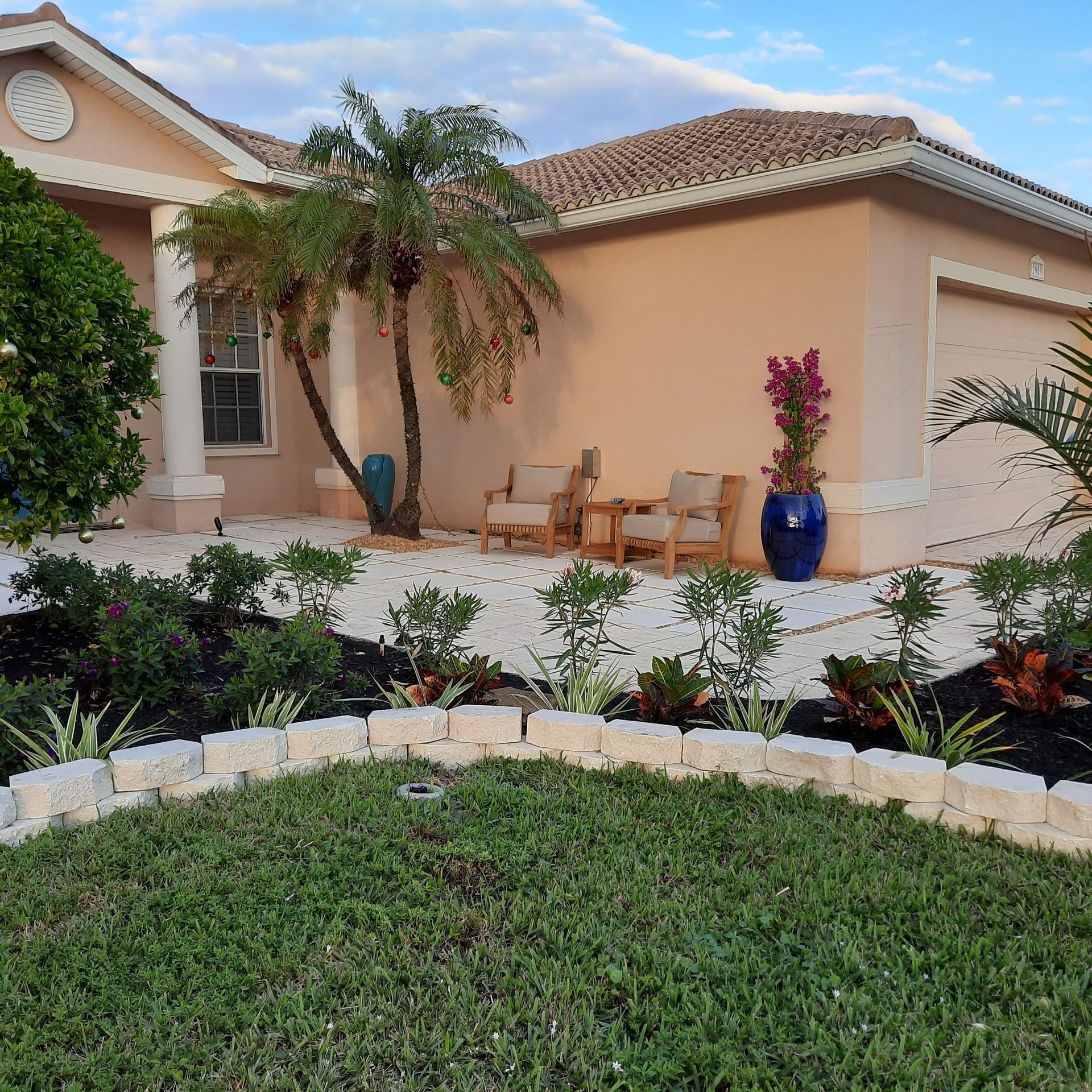



Landscape Design-Build Vs. Separate Contractors in Cape Coral
A new yard can look great on paper and still fail when summer rain exposes poor grading or an irrigation line crosses a future patio. Cape Coral projects need a plan that considers water flow, heat, sandy soil, salt exposure, and the order of each trade.
The landscape design-build Cape Coral homeowners choose can reduce handoffs, while separate contractors can offer more control over individual selections. The better fit depends on your project size, how involved you want to be, and who will manage the details.
Start by deciding how much coordination your yard will need before requesting bids.
Key Takeaways
- A combined design-build team plans planting, drainage, irrigation, pavers, and concrete as parts of one project. That can make sequencing easier to manage.
- Separate contractors may suit homeowners who already have a detailed plan or want to select specialists individually. However, scope gaps need close attention.
- In Cape Coral, grading and drainage should come before cosmetic upgrades. Heavy rain can expose low spots, washed-out soil, and poorly directed runoff.
- Ask every contractor for a written scope, material specifications, schedule expectations, change-order process, and warranty responsibility.
- Check permit and HOA approval requirements before work starts, especially for major hardscapes, drainage changes, irrigation, lighting, fences, or tree work.
Landscape Design-Build Cape Coral: How It Works
A design-build approach keeps planning and installation under one company. The same team develops the layout, helps select materials, sets the installation sequence, and manages the work through completion.
For a full yard renovation, that scope may include beds, sod, artificial turf, irrigation, drainage, pavers, lighting, and a small concrete feature. Cape Coral landscape design and installation services can help homeowners put those connected pieces into one property-specific plan.
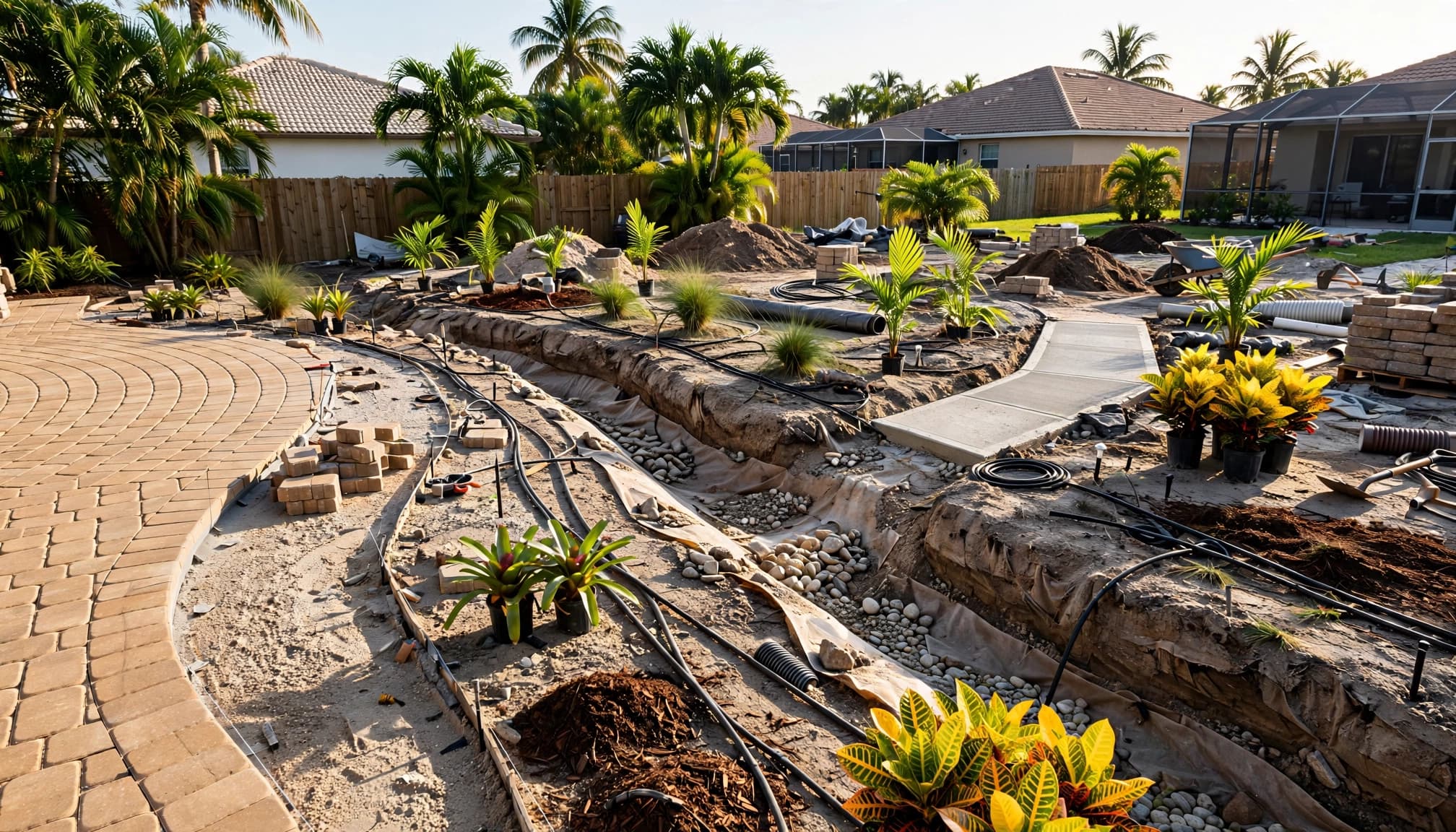
One plan connects the visible and hidden work
A patio, turf area, planting beds, and walkway need compatible elevations. Irrigation heads must clear plants without spraying walls or pavers. Drainage routes need to remain open after edging and mulch go in.
When one team owns the overall plan, it can spot conflicts before crews begin excavation. That does not remove the need for written details. Homeowners should still approve the layout, drainage intent, plant list, hardscape materials, and finish selections.
Scheduling follows a logical sequence
Underground work usually comes before finished surfaces. Irrigation lines, sleeves, drainage components, and electrical conduit are easier to install before paver bases, concrete, sod, or turf.
A combined-service provider can schedule each phase around the prior phase's completion. Weather, material availability, inspections, and approved changes can still affect timing, so ask how the company communicates schedule updates.
Cape Coral Conditions Should Shape Every Bid
A Cape Coral yard faces intense sun, frequent summer downpours, periods of dry weather, and occasional tropical storms. Sandy soil often drains quickly, but it can also shift, erode, and lose nutrients. A plan that ignores those conditions can lead to unhealthy plants, settling pavers, or standing water.
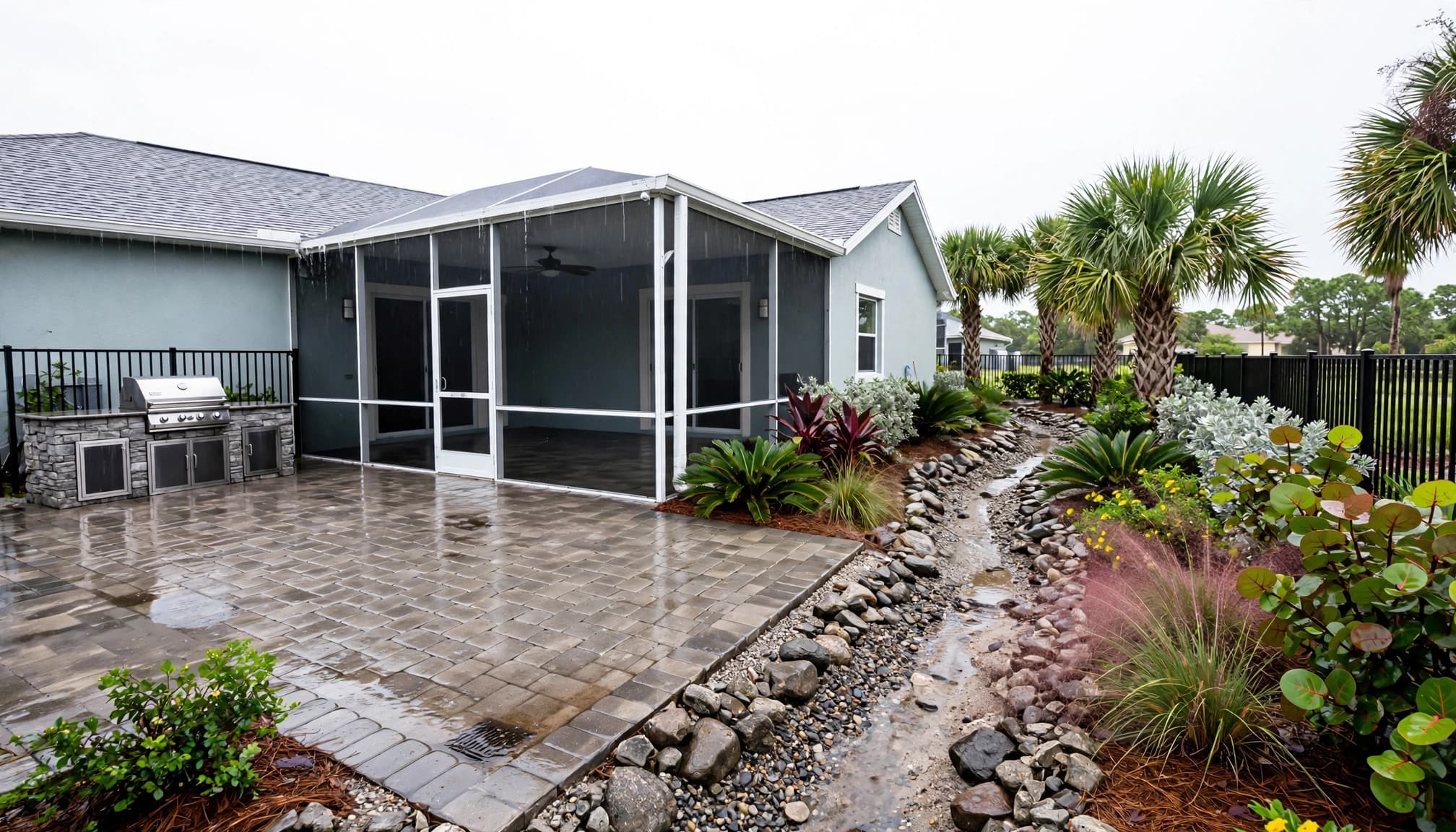
Water needs a planned path
Walk your property after a heavy rain. Note where water collects, where downspouts discharge, and whether runoff approaches the slab, driveway, pool deck, or a neighboring lot.
Grade changes, drains, swales, and turf transitions should direct water appropriately without sending it under hardscape bases. Before digging, call 811 for utility locates and confirm whether the planned work needs City of Cape Coral review or an HOA approval.
A low spot can stay hidden through the dry season, then become obvious during the first week of heavy summer rain.
Plants and materials need the right exposure
Use the "right plant, right place" rule. Full-sun areas, shaded side yards, windy corners, canal-side lots, and salt-exposed locations may need different plant choices and spacing.
Mulch can help conserve soil moisture, while properly grouped plants make irrigation zones more practical. Choose stable edging and well-secured features where wind may become a concern. Loose materials and top-heavy plantings deserve extra thought before hurricane season.
When Separate Contractors Make Sense
Hiring individual specialists can work well when you have a finished design, a simple scope, or a trusted contractor for each trade. For example, you may use one installer for a paver repair, another for irrigation repair, and a separate nursery or landscaper for plants.
This route gives you direct control over each bid. It also makes you the primary coordinator unless one contractor agrees in writing to manage the broader project.
You manage the handoffs
Separate trades need a shared site plan and clear start dates. Otherwise, a concrete company may pour a pad before drainage elevations are confirmed, or a turf crew may arrive before irrigation repairs are complete.
Ask who marks utilities, protects existing surfaces, removes debris, restores disturbed areas, and addresses damage caused during another contractor's work. Each agreement should state where one scope ends and the next begins.
Bids must describe the same work
A low estimate may omit base material, haul-away, soil preparation, sod restoration, permits, cleanup, or final grading. Compare line items, quantities, brands, thicknesses, and exclusions rather than comparing totals alone.
For larger renovations, a master plan keeps individual bids aligned. Complete landscaping services can cover hardscape, planting, and irrigation needs under a coordinated scope when that better suits the project.
Compare Cost, Control, and Accountability
Neither approach is automatically less expensive. A design-build proposal may have a higher initial total because it includes planning and project management. Separate bids may appear lower until you add overlooked preparation, restoration, or coordination costs.
Use the same information when seeking either type of proposal.
| Decision point | Design-build approach | Separate-contractor approach |
|---|---|---|
| Communication | One main point of contact | Homeowner often coordinates trades |
| Scheduling | One team sequences phases | Each contractor confirms availability |
| Customization | Choices develop within one plan | Homeowner selects each specialist |
| Quality control | One company manages its scope | Scope boundaries require close review |
| Warranty questions | Ask who covers each installed feature | Confirm responsibility in every contract |
| Budget review | One combined proposal | Multiple itemized bids to compare |
The important point is clear responsibility , not the number of companies involved. A well-written contract can make either model easier to manage.
The 2026 ranges in this Cape Coral landscape design cost guide list paver patios or walkways at $10 to $25 per square foot, while irrigation updates or new zones are listed at $600 to $1,500 per zone. Treat those figures as planning context, not a total-project quote.
Technical Details That Affect the Finished Yard
Installation details often determine whether an outdoor improvement lasts. A clean drawing and attractive materials cannot compensate for a weak paver base, poor elevations, or irrigation installed at the wrong time.
Install irrigation before finished hardscapes
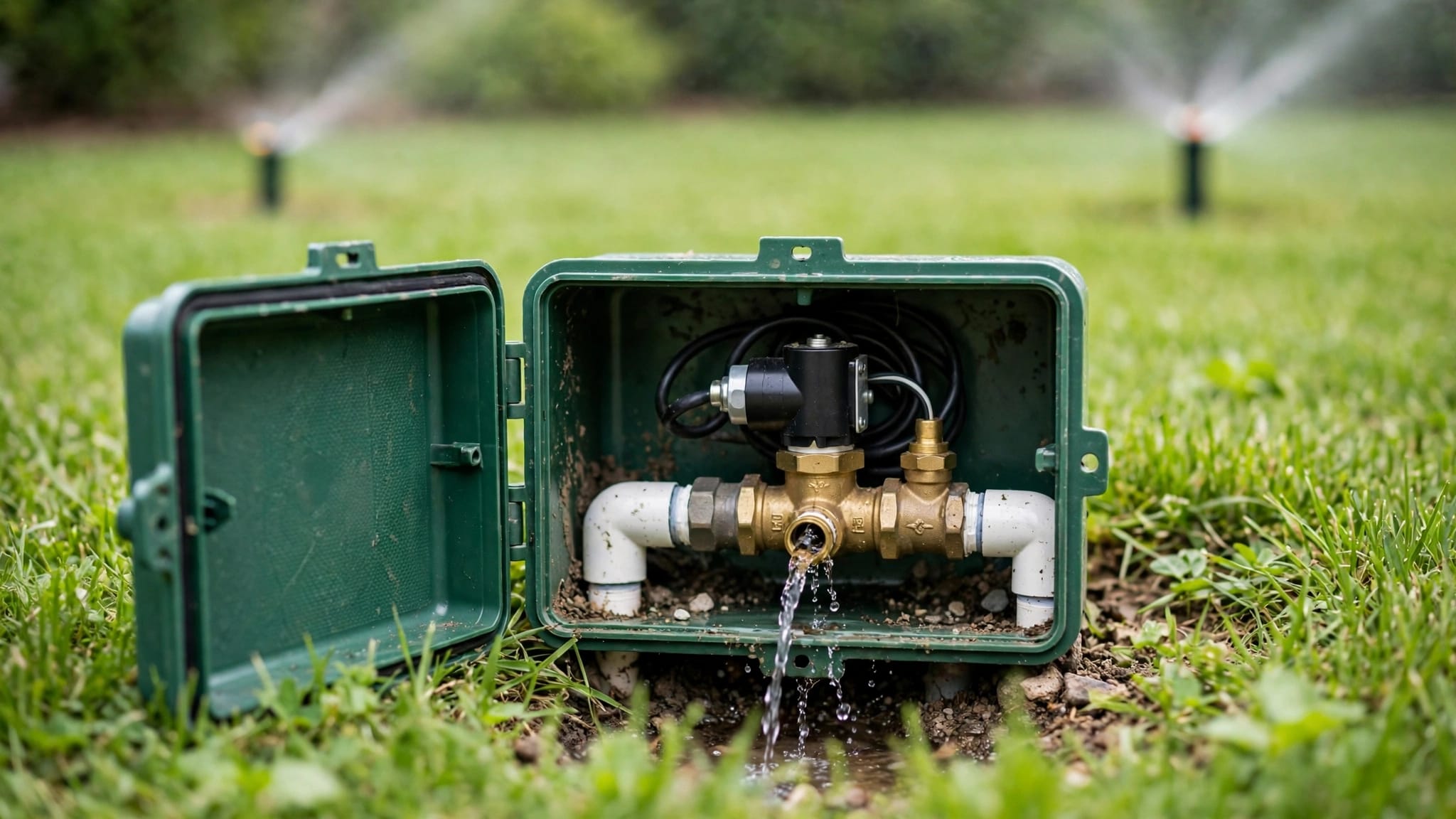
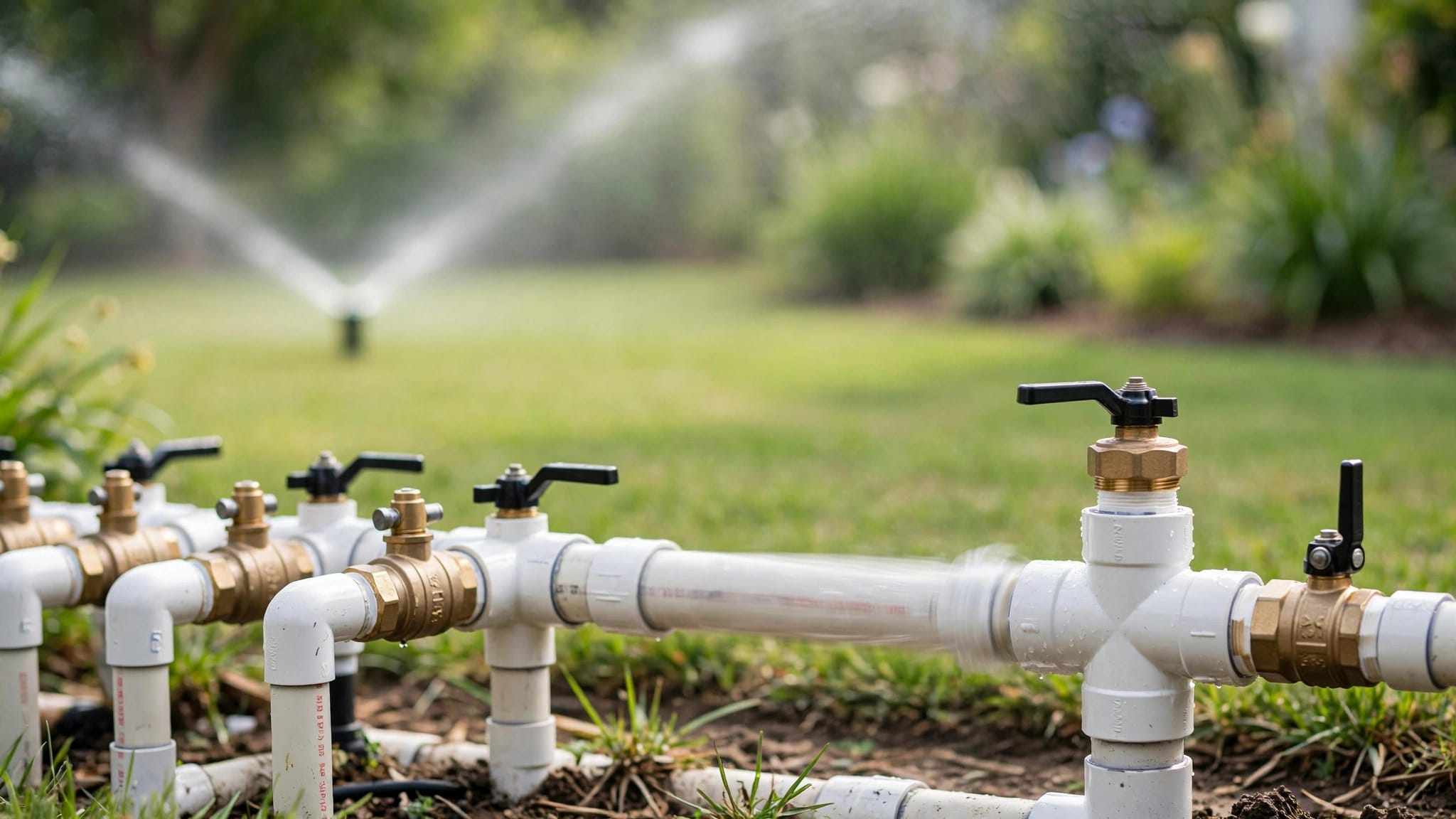
New irrigation zones may need rotors for lawn areas and drip lines or micro-sprayers for beds. Rain sensors and smart controllers can reduce unnecessary watering when used correctly.
Install trenching and irrigation components before pavers whenever possible. Irrigation planning before paver installation helps avoid digging through a completed patio or disturbing joint sand after paver cleaning and sealing.
Ask how paver and concrete elevations are set
Paver installation should include excavation, a stable base, compaction, and correct edge restraint. Geotextile fabric and compacted aggregate may be appropriate parts of the base preparation, depending on site conditions and the planned surface.
Discuss final elevations before work begins. Water should not sit against the home, flow toward a pool deck, or create trip edges at a driveway apron. For an existing surface with uneven areas, Cape Coral paver installation and repair can address sunken or shifting sections without replacing an entire patio.
Review Approvals, Warranties, and Future Care
Permits and HOA rules can change the project schedule. Requirements vary by scope and community, so do not assume an approval is unnecessary because a neighboring home has a similar feature.
Get approvals before materials arrive
Ask the City of Cape Coral or the relevant authority about permit expectations for your exact work. Then submit HOA plans early if your community requires architectural review.
Your plan may need dimensions, material colors, plant locations, drainage information, or site drawings. Approval delays are easier to handle before deposits, delivery dates, and crew schedules are set.
Put post-installation responsibility in writing
Ask what is covered if plants decline, an irrigation zone needs adjustment, pavers settle, or a concrete finish develops a problem. The answer may differ for labor, materials, plant health, and damage caused by storms or improper maintenance.
Artificial turf also needs written base, drainage, seam, and edge details. Cape Coral artificial grass installation can be a practical option for worn sections, pet areas, or places where maintaining natural grass is difficult. It still needs a stable base and a route for water to leave the area.
FAQ
Is design-build better for a small Cape Coral project?
It can be useful when a small project has several connected parts, such as a paver walk, new irrigation zone, planting bed, and drainage adjustment. For a straightforward repair or single installation, a specialist may be enough.
Compare the scope, communication plan, and warranty terms rather than choosing based on project size alone.
Can I save money by phasing the work?
Phasing can spread costs over time. Start with grading, drainage, irrigation repairs, and other work that would require digging. Then add hardscapes, turf, plants, and decorative elements.
Keep the full master plan available for every phase. That reduces the chance of placing a new feature where a later drain line, sleeve, or planting bed needs to go.
What should I ask before signing a contract?
Ask for a clear scope, site preparation details, materials, estimated schedule, payment schedule, cleanup expectations, and change-order process. Verify licenses and insurance that apply to the work, read recent reviews, and request references when appropriate.
Also ask who handles permits or HOA documents, who contacts utility-location services, and who resolves defects after installation.
Choose the Structure That Fits Your Yard
A successful Cape Coral project starts with water flow, site conditions, and a plan that connects each phase. Design-build can simplify communication for complex renovations, while separate contractors can work well with careful planning and tightly written scopes.
Whichever route you choose, protect the investment with documented details, approved plans, and clear accountability for every part of the yard.