


How to Protect Your Yard During Exterior Construction
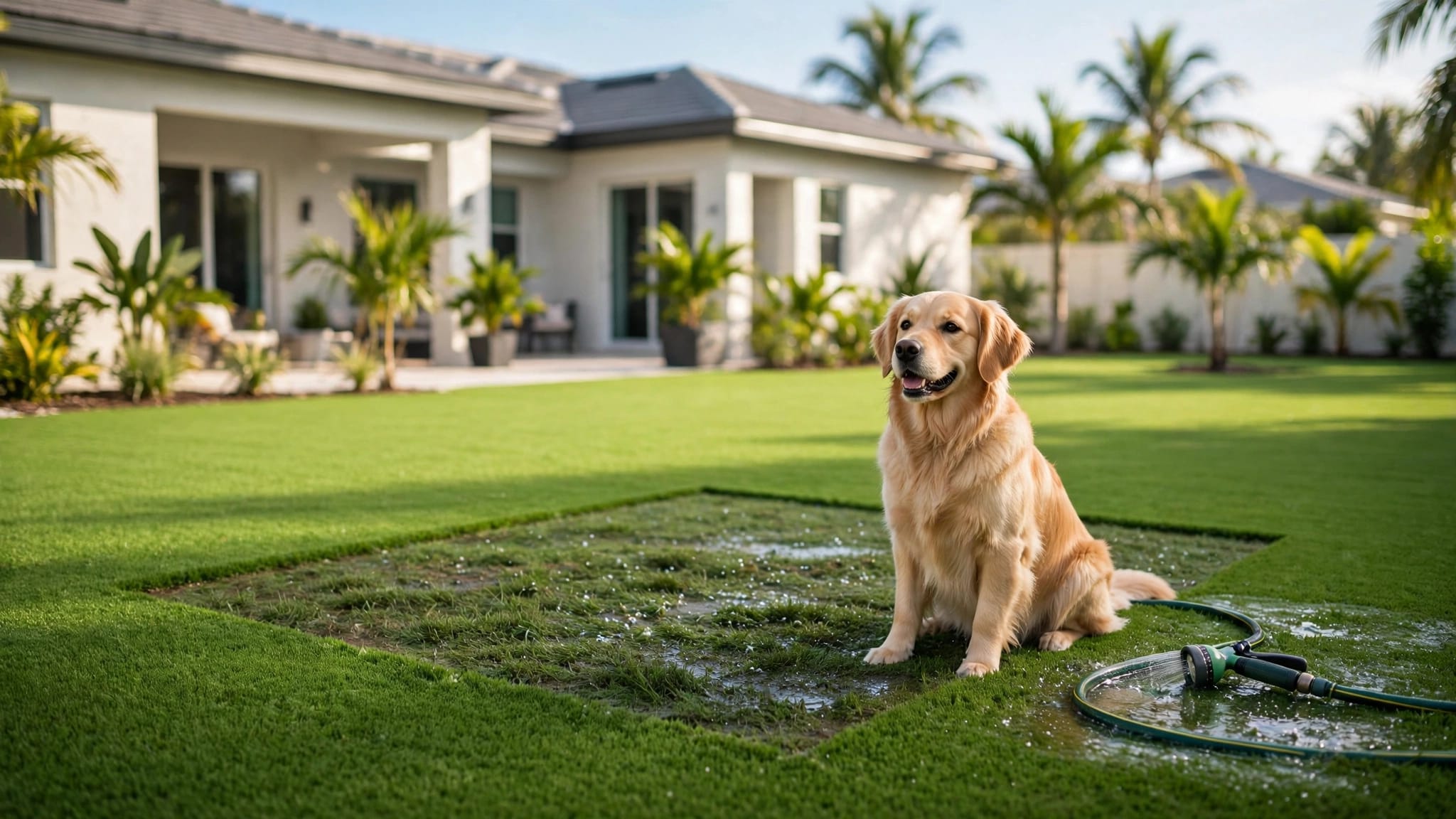
A roof replacement or new patio can leave your yard with damage that outlasts the project. Protecting your yard during construction starts with a clear protection plan , agreed on before workers, deliveries, or equipment arrive.
Your lawn, planting beds, and irrigation need different safeguards, depending on the work and site conditions. Start by walking the property with your contractor and deciding what must stay untouched.
Key Takeaways
- Agree on access routes, storage areas, and cleanup responsibilities before work starts.
- Choose protection that fits the equipment, surface, weather, and project duration.
- Locate irrigation components and finish underground changes before installing hardscape.
- Inspect protection during the project, then test irrigation and drainage before accepting the finished work.
Plan the Work Zone With Your Contractor
Record the yard's condition and boundaries
Take dated photographs of the lawn, trees, beds, pavers, and concrete before mobilization. Include existing cracks, uneven areas, exposed roots, and sprinkler heads. These records help distinguish pre-existing problems from damage that appears during work.
Next, mark areas that workers shouldn't enter. Identify fragile plants, landscape lighting, drainage inlets, and equipment that must remain accessible. Put those boundaries on a simple site sketch.
Agree in writing on who installs protection, checks it, and handles repairs. Also identify one contractor contact for questions, so delivery drivers and subcontractors receive consistent instructions.
Match protection to the actual work
Roofing creates falling debris and fastener hazards. Painting raises overspray and chemical concerns, while concrete work involves excavation, heavy loads, and washout. Each project needs a different setup.
Discuss truck access, dumpster placement, scaffolding, and material storage before scheduling deliveries. Ask whether crews can use an existing driveway rather than crossing the lawn.
For projects involving several trades, coordinating landscaping with exterior renovations helps keep underground work ahead of finished surfaces. Confirm protection costs and restoration responsibilities before approving the estimate, rather than assuming they're included.
Protect Lawns and Artificial Turf From Traffic
Establish one protected access route
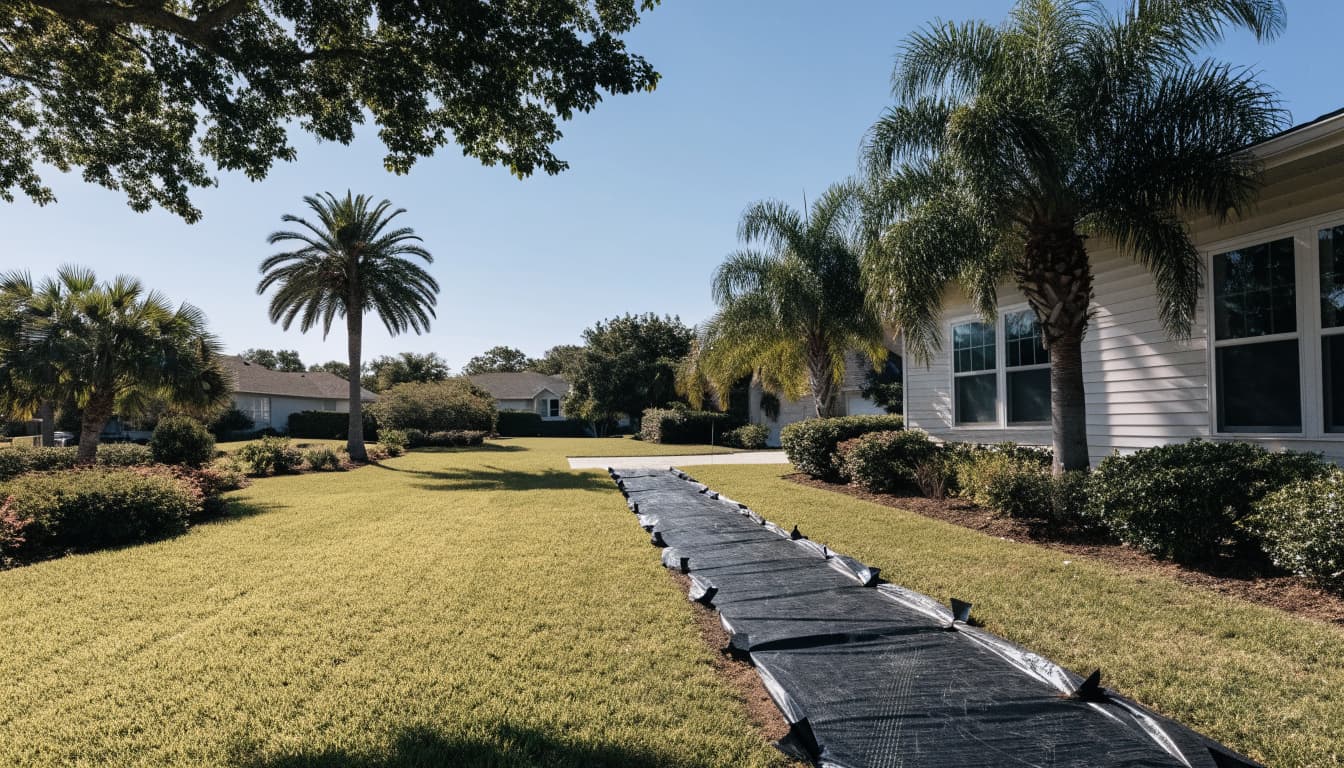
Repeated trips across grass can compact soil, tear turf, and create ruts. Choose one route with the contractor, then keep wheelbarrows and equipment on it. Avoid newly installed sod and wet ground whenever possible.
Ask the crew to select ground-protection mats appropriate for the equipment and soil. Thin plywood isn't automatically suitable for heavy machinery, and mats don't make saturated ground safe to cross.
Also consider how equipment turns. A route may handle straight travel yet suffer damage where wheels pivot. Keep fuel, solvents, and material stockpiles off both natural grass and synthetic surfaces.
Prevent heat, moisture, and surface damage
Covering a lawn for too long can block light and trap heat. Ask how crews will lift temporary coverings when access pauses, without compromising jobsite safety. In Southwest Florida, also check underneath after rain.
Artificial turf needs protection against hot equipment, sparks, spills, and torn seams. Don't assume that its appearance means it can support construction traffic. Ask its installer which coverings and loads suit the installation.
If damage requires replacement, sod and artificial grass installation involves different preparation and aftercare. Natural sod needs establishment watering, while synthetic turf requires attention to its base, seams, and drainage.
Keep Trees and Garden Beds Outside the Work Area
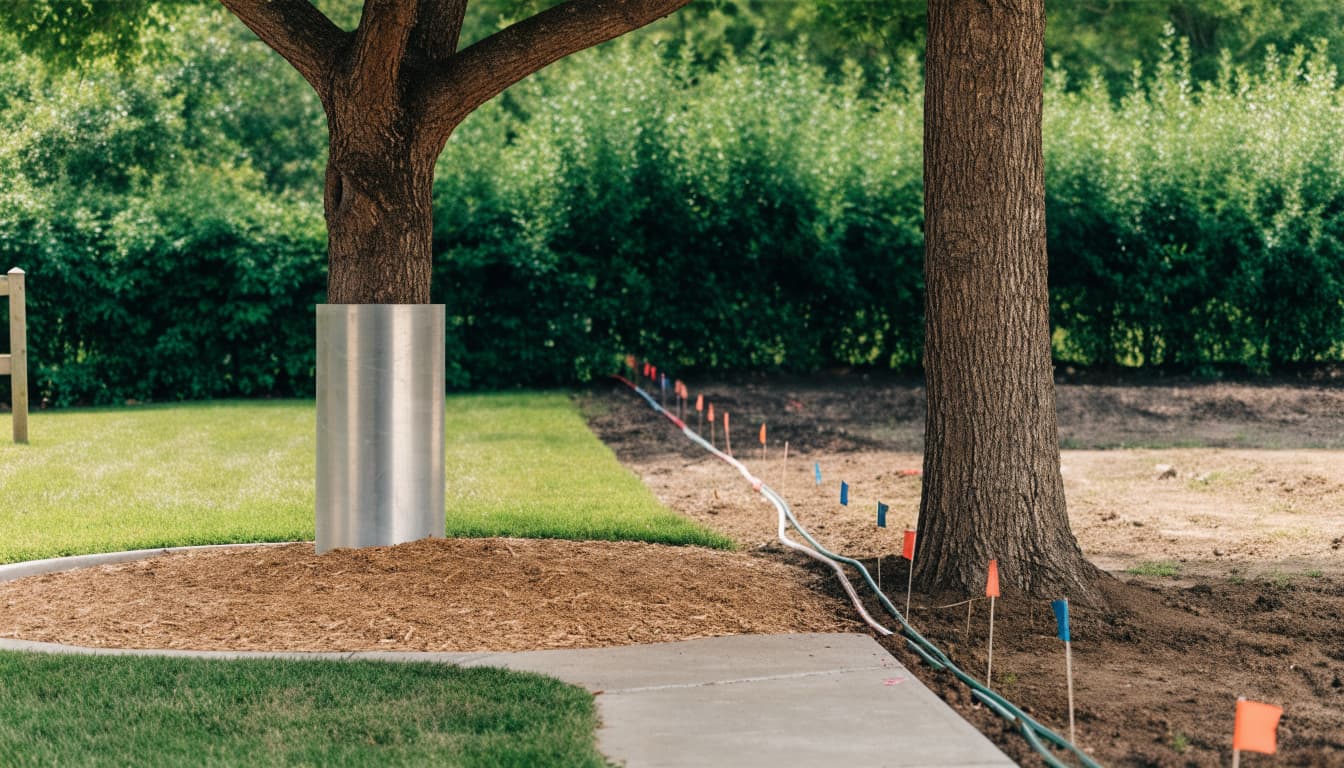
Protect roots as well as trunks
A tree's roots extend beyond the trunk, so protecting bark alone leaves much of the tree exposed. Ask the contractor to establish a fenced exclusion area before parking, trenching, or material storage begins.
Don't stack pallets, excavated soil, or demolition debris beneath trees. Added soil and compacted ground can interfere with root health. Keep concrete washout away from root areas, too.
When excavation may encounter substantial roots, involve a qualified arborist before cutting them. The appropriate protection area depends on the tree and proposed work, rather than a universal distance.
A trunk guard can reduce bark damage, but it doesn't protect roots from excavation or compacted soil.
Shield beds without crushing plants
Move portable planters, ornaments, and delicate container plants before the crew arrives. For established beds, discuss temporary barriers or supported covers that intercept debris without resting on branches.
Painting and pressure washing may require additional shielding. Ask how the contractor will contain overspray and cleaning runoff. Follow product instructions rather than assuming a rinse makes every chemical safe for plants.
Remove temporary covers when the task ends so plants receive light and airflow. If relocation is unavoidable, landscape design and installation can help coordinate planting locations, soil preparation, and drainage with the finished layout.
Locate Irrigation Before Anyone Digs or Pours
Mark components and preserve service access
Run every irrigation zone before work begins. Photograph sprinkler heads, valve boxes, exposed pipes, the controller, and any backflow assembly. Record existing leaks or poor coverage so they don't become hidden construction problems.
Have an irrigation professional identify likely pipe routes through the work area. Flags aren't a complete underground map , and locating public utilities may not include private irrigation.
Contact 811 before excavation and confirm which private lines need separate locating. Keep valve lids, shutoffs, and backflow components accessible. Construction shouldn't bury them beneath soil, turf, concrete, or decorative stone, or obstruct required service access.
Complete underground changes before hardscape
Before a concrete company pours a walkway, patio, or driveway, review irrigation crossings with the crew. Arrange sleeves or rerouting where needed while the ground remains open.
Also confirm finished elevations. A new patio edge can obstruct a sprinkler's spray, while grading can leave heads too low or expose shallow piping. Address these conflicts before the surface closes access.
If grass will become artificial turf, arrange proper capping or relocation of unnecessary heads. Nearby beds and palms still need water. After changes, test each zone separately and correct leaks or overspray before scheduling paver cleaning or sealing.
Shield Pavers, Concrete, and Other Finished Surfaces
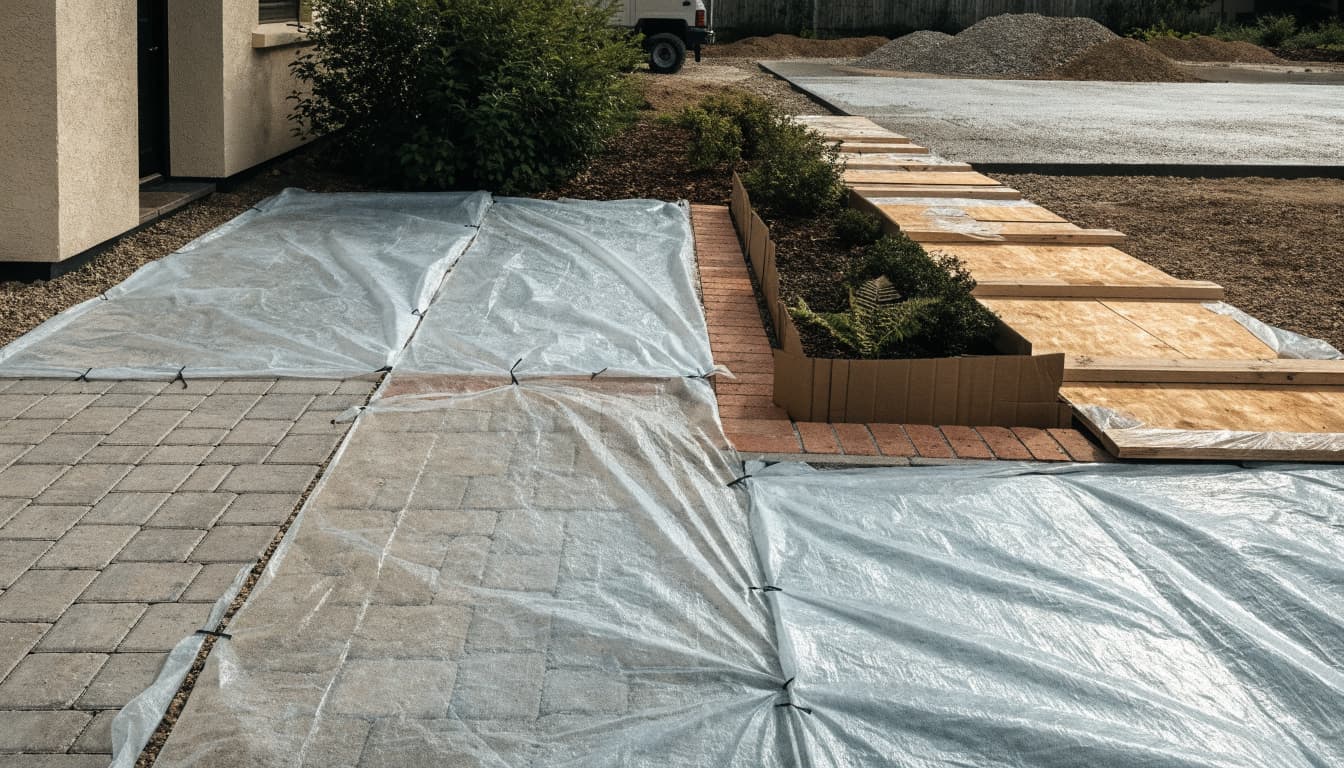
Walk the hardscape with your contractor and identify surfaces that aren't intended for construction loads. A pedestrian patio, for example, may not support a loaded truck just because it looks similar to driveway paving.
Ask the crew to choose coverings compatible with the surface and any existing sealer. Avoid adhesives or coverings that could stain, trap moisture, or pull away a finish. Keep grit beneath protection to a minimum because movement can scratch surfaces.
Designate a contained concrete washout location away from beds, drains, and finished paving. Never let workers rinse cement residue into the lawn or toward storm drains.
For concrete driveway and patio services, discuss equipment placement, finished grading, and drainage before excavation. Temporary soil piles and barriers mustn't obstruct runoff paths.
Around pavers, protect edge restraints and keep equipment away from unsupported borders. During cleanup, avoid directing high-pressure water at joints, nearby sprinkler components, or exposed turf seams. If paving shifts, investigate the base and water source rather than treating it as a cosmetic stain.
Check Protection Throughout the Project
Inspect accessible areas regularly without entering an active work zone. A mat that shifts or a barrier moved for delivery can open a new path into a previously protected bed.
After heavy rain, ask the contractor to reassess access before equipment returns. Southwest Florida downpours can soften ground and move sediment into drains, even when yesterday's route seemed stable.
Pause the affected activity if you notice a broken sprinkler, leaking pipe, damaged tree, or rutting. Photograph the issue and notify your contractor contact promptly. If irrigation leaks, shut off its supply only when you can identify the shutoff safely.
Before the final walkthrough:
- Run each irrigation zone and check coverage, leaks, head height, and valve access.
- Compare the yard with the original photographs, including beds and hardscape edges.
- Check drainage after rain or an agreed test, then document any remaining repairs.
Include fastener collection after roofing or siding work, and don't mow until the crew clears debris. If washed-out bedding has left pavers uneven, paver re-leveling and repair may be necessary. Cleaning won't restore a failing base.
Frequently Asked Questions About Yard Protection
Should the irrigation system stay off during construction?
Coordinate watering with the contractor instead of leaving the entire system off indefinitely. Active work may require isolating a zone, while unaffected plants still need care. Keep watering away from excavation, temporary walkways, and stored materials.
After repairs or grading, test the affected zones before returning to normal operation. Adjust schedules for weather and plant needs, and follow current city, utility, and HOA watering requirements.
Who should pay to restore construction damage?
Set restoration responsibilities in the written agreement before work starts. Clarify whether the price includes removing protection, repairing irrigation, replacing damaged plants or sod, and addressing affected paving.
Photos and prompt reporting help document what happened, but they don't replace clear contract terms. During the final walkthrough, record unresolved items, the agreed repair method, and who will complete the work.
Finish the Exterior Work Without Sacrificing the Yard
The strongest yard protection starts before the first delivery: agree on boundaries, locate irrigation, and choose safeguards for the actual work. Then check those precautions as conditions change.
Keep restoration and testing in the project scope, rather than leaving them for later. A finished exterior should come with a functioning irrigation system, sound drainage, and a yard that's ready to enjoy.