


How to Choose a Landscape Contractor for a Major Renovation
A large yard renovation can look straightforward on a drawing, then become complicated when grading, irrigation, pavers, and planting crews arrive. Choosing a landscape contractor means finding someone who can coordinate that work and explain what happens when the plan meets the ground.
You need more than an attractive estimate. You need evidence of relevant experience, a clear scope, and a contract that spells out responsibility before work begins. Start by looking closely at projects the contractor has completed.
How to Vet a Landscape Contractor's Experience
A company that maintains lawns may do excellent work, but a full renovation requires different skills. Ask about completed projects with a similar mix of hardscape, planting, drainage, and irrigation.
Look beyond finished photos
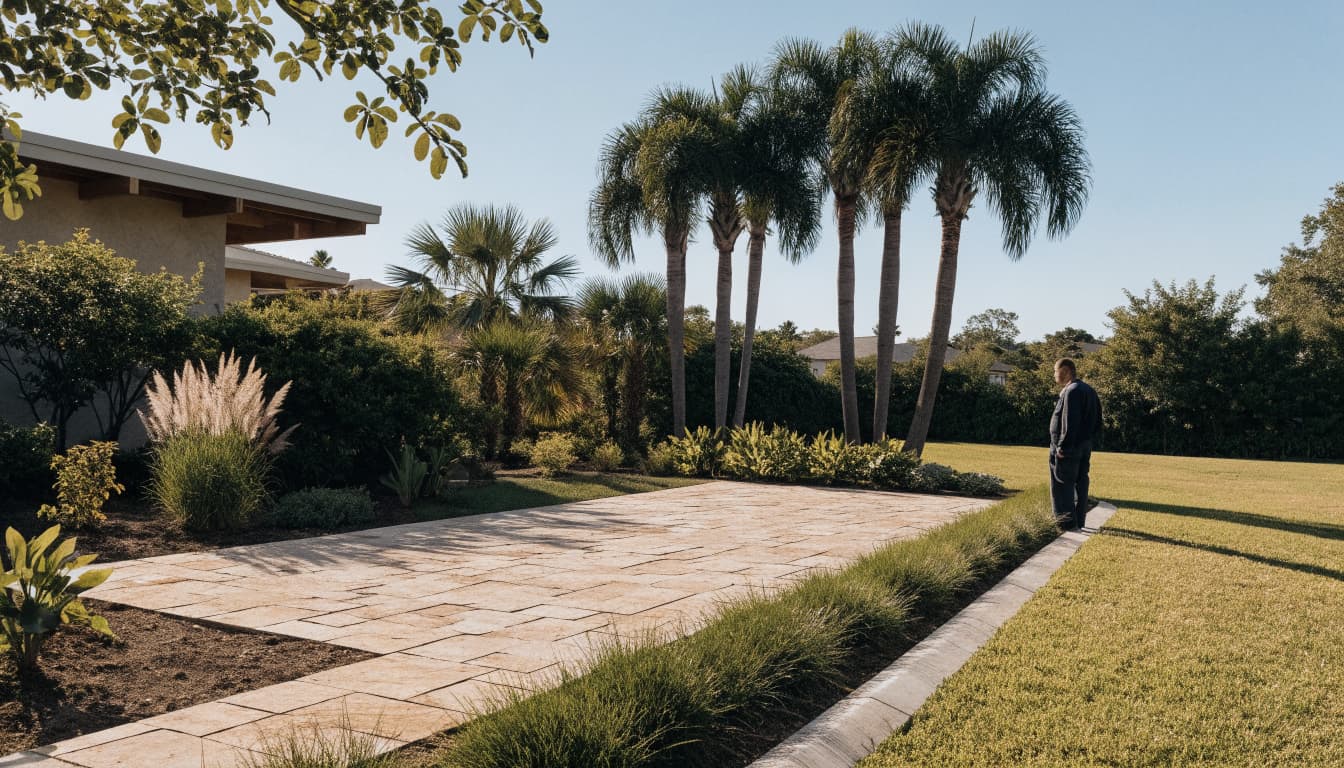
Request photos of projects at installation and after several months of use. For a patio or driveway, ask how the crew prepared the base and handled edges and drainage. If the proposal includes repairs, discuss how they diagnose sunken or shifting units. Paver installation and repair in Cape Coral involves different decisions than replacing mulch or adding plants.
Ask who performed each part of the work. A contractor may manage the project while hiring specialists for concrete, electrical work, or irrigation. That arrangement can work well when responsibilities are clear.
Speak with recent customers
Ask for references whose projects resemble yours in size and scope. Find out whether the crew protected existing features, kept the site reasonably accessible, and resolved problems after completion.
A useful question is: "What changed during the project, and how did the contractor handle it?" The answer tells you more about day-to-day performance than a general rating does.
Get the Design and Scope Clear First
Contractors can't price the same renovation if they're working from different assumptions. Before requesting final bids, identify what stays, what goes, and how you want to use the space.
Walk the property together
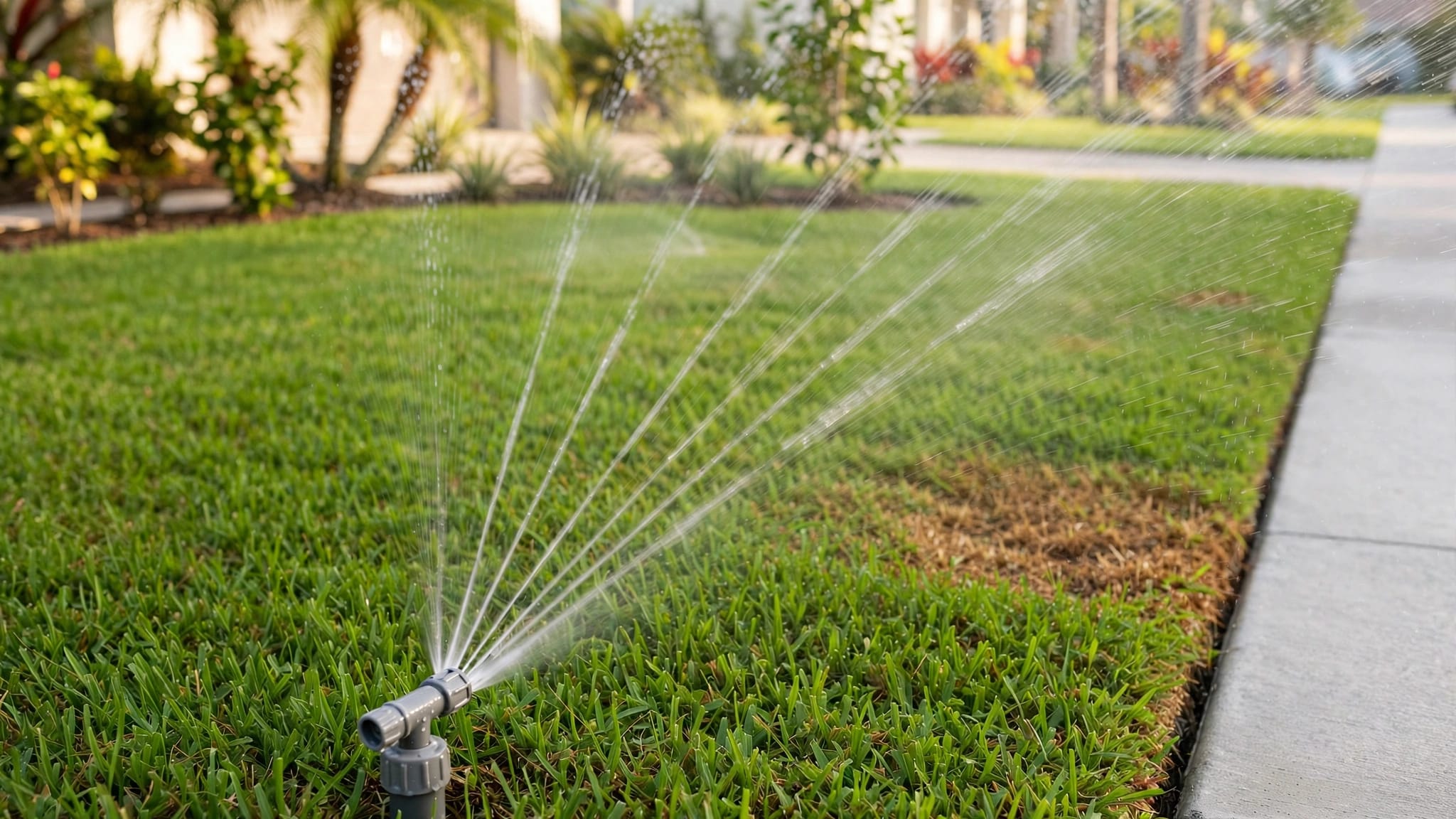
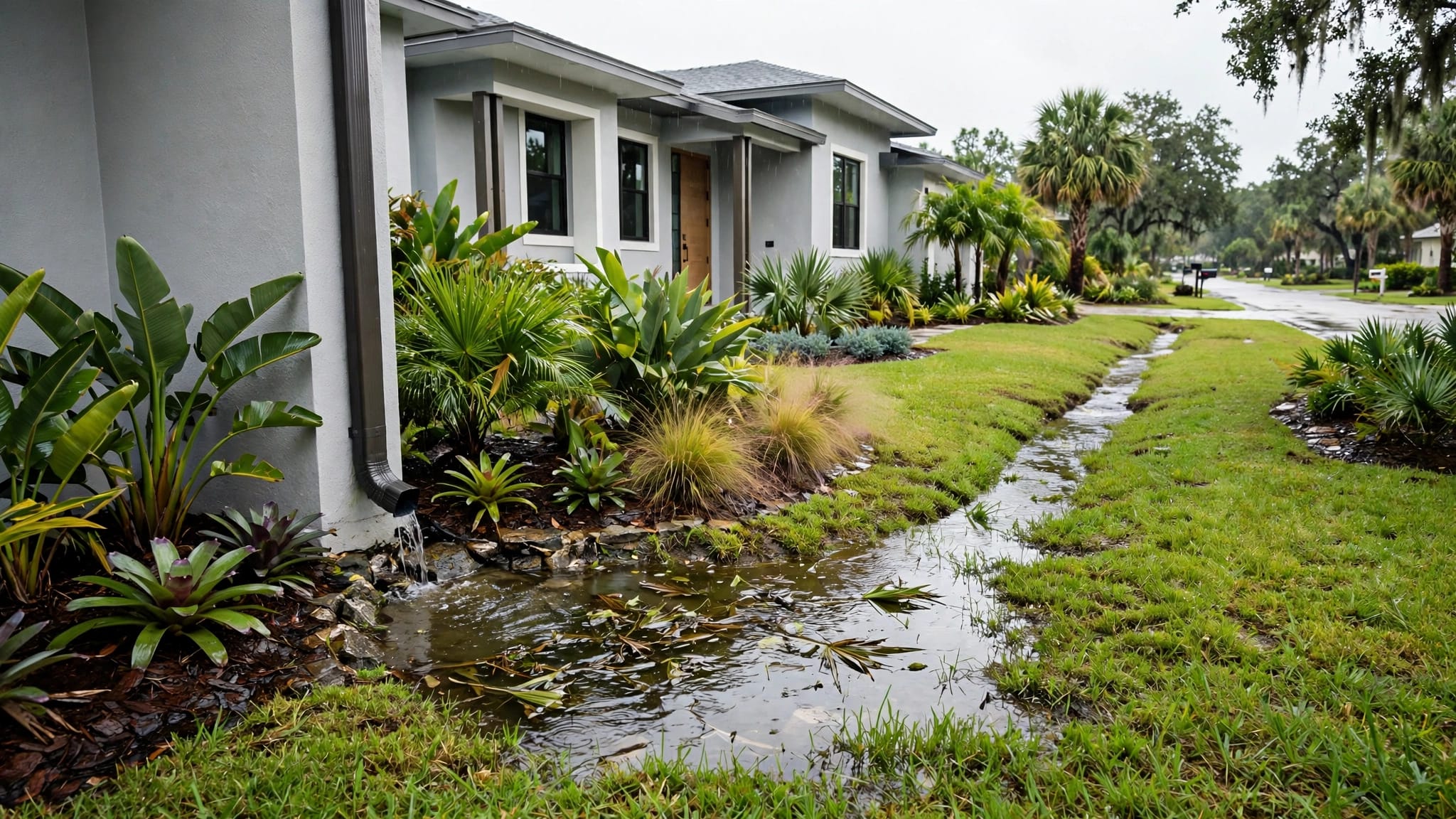
Show each bidder puddling areas, damaged irrigation, uneven paving, tree roots, and spots that receive intense sun. In Southwest Florida, seasonal rain and sandy or compacted soil can affect plant selection and site preparation. Coastal exposure may matter too.
Ask how the proposed layout addresses those conditions. A plan for Cape Coral landscape design and installation can include grading, soil preparation, pathways, planting beds, and materials suited to Florida's climate. Your contractor should explain which of those tasks your property needs.
Put choices on the plan
Mark patio dimensions, walkway routes, planting areas, lighting locations, and irrigation changes. If you want to keep an existing tree or repair part of a patio, show that on the drawing and in the written scope.
A drawing shows where a patio goes; the scope should also say what happens beneath it and where rainwater will flow.
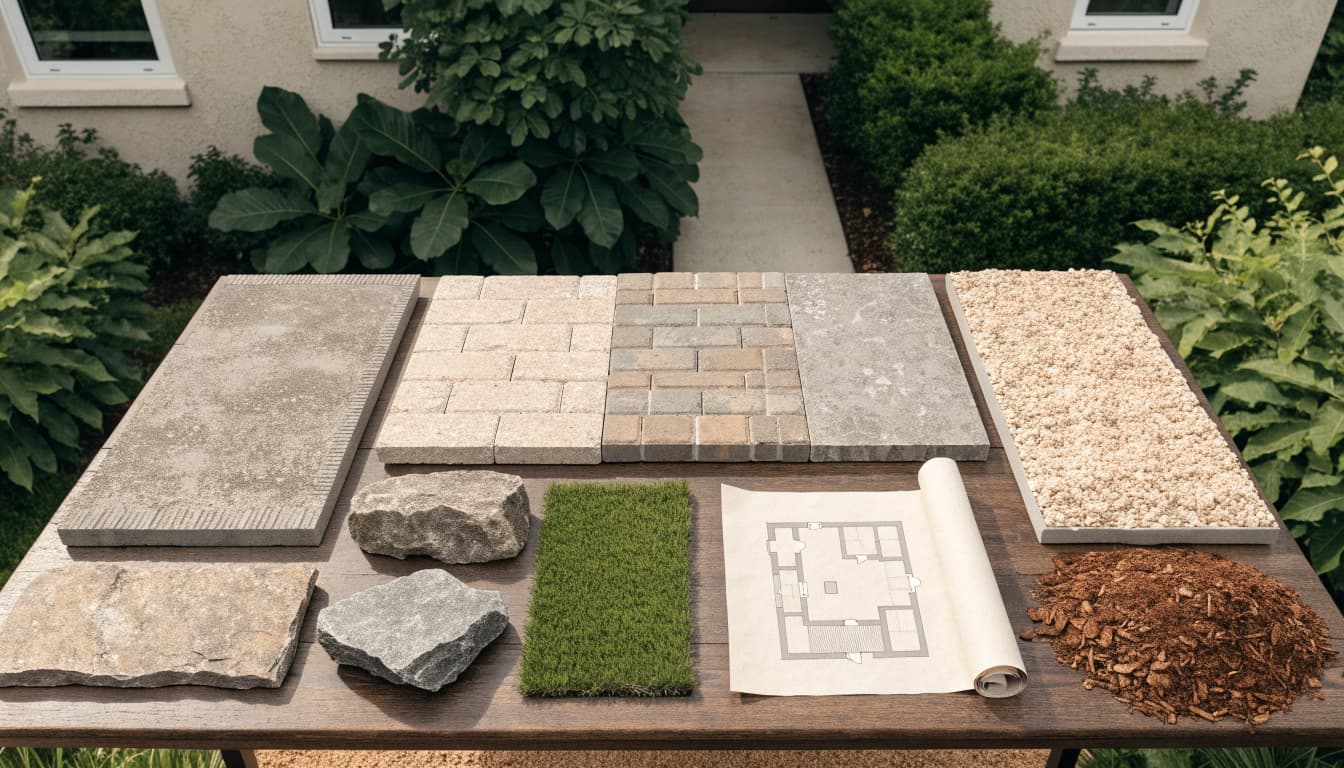
Decide which choices remain open. Material samples help, but an unspecified paver or plant can produce a price that changes after you sign.
Verify Credentials, Coverage, and Permit Responsibilities
Licensing and permit requirements vary by location and by the type of work. A landscaping registration, for example, may not authorize every kind of concrete, electrical, or irrigation work. Confirm the requirements for your address with the relevant local building department and licensing authority.
Check the company and its workers
Ask for the company's legal name, applicable license or registration details, and proof of general liability coverage. Request a current insurance certificate, then verify coverage directly with the insurer or agent if you have questions.
Ask how workers' compensation is handled for employees and subcontractors, according to local requirements. If another company will perform specialized work, find out who it is and how its qualifications and insurance will be checked. A polished proposal doesn't replace these checks.
Assign permits before signing
Ask which parts of the renovation need permits, who will apply, and who will schedule inspections. Also check whether your homeowners association must approve the design or materials.
The contract should identify who handles utility location requests before excavation. Private irrigation lines and landscape wiring may need separate attention because a standard utility locate won't necessarily identify them. Don't assume the first crew on site will sort this out.
Compare Detailed Bids, Not Just Totals
Ask each contractor to price the same plan. Then compare quantities, preparation, materials, disposal, and finishing work. A lower total means little if one bid leaves out grading or irrigation repairs.
Look for measurable details
These questions help expose differences between proposals:
| Work item | What the bid should clarify |
|---|---|
| Demolition | What comes out and how debris is removed |
| Pavers or concrete | Area, material, base preparation, drainage, and finish |
| Planting | Species, sizes, quantities, soil work, and mulch |
| Lawn | Area, sod or turf selection, preparation, and edging |
| Irrigation | Zones, repairs, adjustments, and testing |
For artificial turf, ask about the base, drainage, seams, and edges rather than comparing the surface alone. Discussing natural sod and synthetic turf options early also prevents bidders from pricing different lawn solutions.
Identify allowances and exclusions
An allowance is a budget placeholder for an item you haven't selected. Ask what happens if your chosen paver, stone, fixture, or plant costs more. Optional upgrades should have separate prices.
Check whether the proposal includes cleanup, hauling, paver cleaning or sealing, and restoration of lawn areas disturbed by equipment. If an item is excluded, make sure you know who will do it and how it affects the schedule.
Decide Who Will Coordinate the Trades
A major landscaping project has a sequence. Drainage and buried lines generally need attention before finished paving and planting. Someone must also check that patio elevations work with doors, walkways, and surrounding ground.
Compare one project lead with separate contractors
With design-build, one company develops the plan and manages installation. With separate contractors, you may hire the designer, installer, and specialty trades yourself. Both approaches can work. The question is who owns the schedule and resolves conflicts between scopes. Comparing design-build with separate landscape contractors can help you decide which arrangement fits your project.
If a separate concrete company pours a slab, establish who sets its elevation and prepares the adjoining landscape. Otherwise, two crews may each assume the other is handling drainage at the joint.
Name one point of contact
Ask who will supervise the site and who can approve decisions when a problem appears. Find out whether subcontractors report to that person or directly to you. Put that structure in writing so a change to one trade doesn't surprise another.
Review the Contract, Payments, and Warranties
The signed agreement should match the final drawings and bid. Attach material selections and written specifications rather than relying on conversations or photos saved on a phone.
Match payments to progress
Ask for a payment schedule tied to defined stages, such as completed preparation or installed hardscape. Confirm what a deposit covers and check local rules that may apply. Avoid a schedule that leaves most of the price paid before substantial work is complete.
The agreement should address the final walkthrough, unfinished items, required inspections, and final payment. If subcontractors are involved, ask what documentation confirms they've been paid, where applicable.
Read warranty terms by component
Ask for written warranty terms covering installation labor, pavers or concrete, irrigation work, and plants. Manufacturer coverage and contractor workmanship coverage aren't always the same.
For plantings, clarify the care you must provide and whether storm damage, watering problems, or neglect are excluded. For paving, ask how settlement or shifting will be assessed. A promise to "stand behind the work" is less useful than a written process for reporting and resolving a problem.
Set Rules for Communication and Changes
Even a well-planned renovation may reveal an old irrigation leak or unsuitable material beneath a patio. Agree on how the contractor will raise the issue before extra work starts.
Require written change orders
A change order should describe the new work, its price, and any effect on the schedule. Both sides should approve it before the crew proceeds. The same rule applies when you request an added feature halfway through the job.
Set expectations for updates, including who contacts you and how often. Ask how the contractor will report delays caused by weather, material availability, or inspections. A clear installation sequence helps you understand when work areas will be inaccessible; what to expect during landscape installation offers useful context for that conversation.
Key Takeaways
- Choose a contractor with completed projects that match the mix of work in your renovation, then speak with relevant references.
- Compare bids against one plan. Check quantities, preparation, allowances, exclusions, and responsibility for each trade.
- Verify applicable credentials, insurance, permits, payment terms, and warranties before signing.
- Put communication expectations and change-order approval in writing so surprises don't become disputed charges.
Frequently Asked Questions
How many bids should I request?
Request enough bids to compare approaches and spot missing work. Three is a practical starting point, but a well-defined scope matters more than the number of proposals. If totals differ widely, ask each bidder to explain the assumptions behind the price.
Can one landscape contractor handle concrete and planting?
Some companies manage both; others use a specialist for concrete. Ask who will perform each task, who will supervise it, and which qualifications apply locally. The company coordinating the job should explain how the concrete work connects to grading, drainage, and planting.
Should I sign before the design is fully detailed?
You can commission design work separately, but avoid approving an installation price based on unresolved choices. The final construction agreement should identify the layout, materials, scope, exclusions, and how future changes will be priced.
Choose the Contractor Who Can Explain the Work
The right choice is the contractor whose experience fits your property and whose proposal answers the difficult questions. A clear plan, verified credentials, and written responsibilities give you a sound basis for comparing bids.
Before you commit, walk through the scope one last time and ask who will handle the unexpected. That conversation is often where a promising estimate becomes a dependable working agreement.