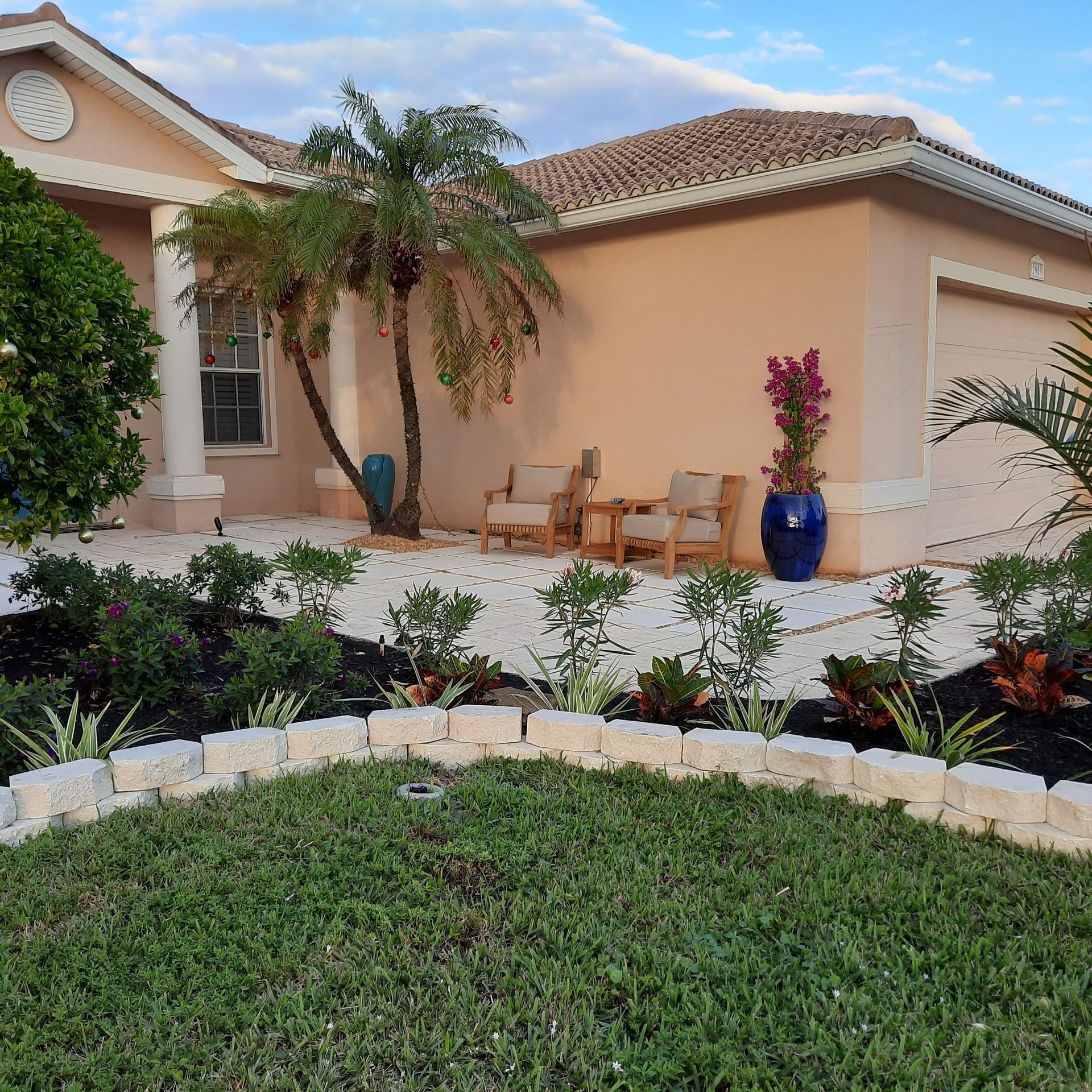



Repairing Salt Damage in Cape Coral St. Augustine Lawns
A brown strip beside your canal or driveway can tempt you to replace the sod right away. But salt damage in St. Augustine grass can look much like drought, disease, or an irrigation problem, and new turf will struggle if the cause remains.
The first step is diagnosis : look at where the damage starts, check the soil, and find out what water reaches the lawn. That will tell you whether the grass has a chance to recover and what needs fixing first.
Recognize Possible Salt Injury in St. Augustine Grass
Salt can affect leaves directly or accumulate in the soil around roots. Both can leave a lawn brown and thin, but the pattern of injury often provides the better clue.
Look closely at leaves and runners
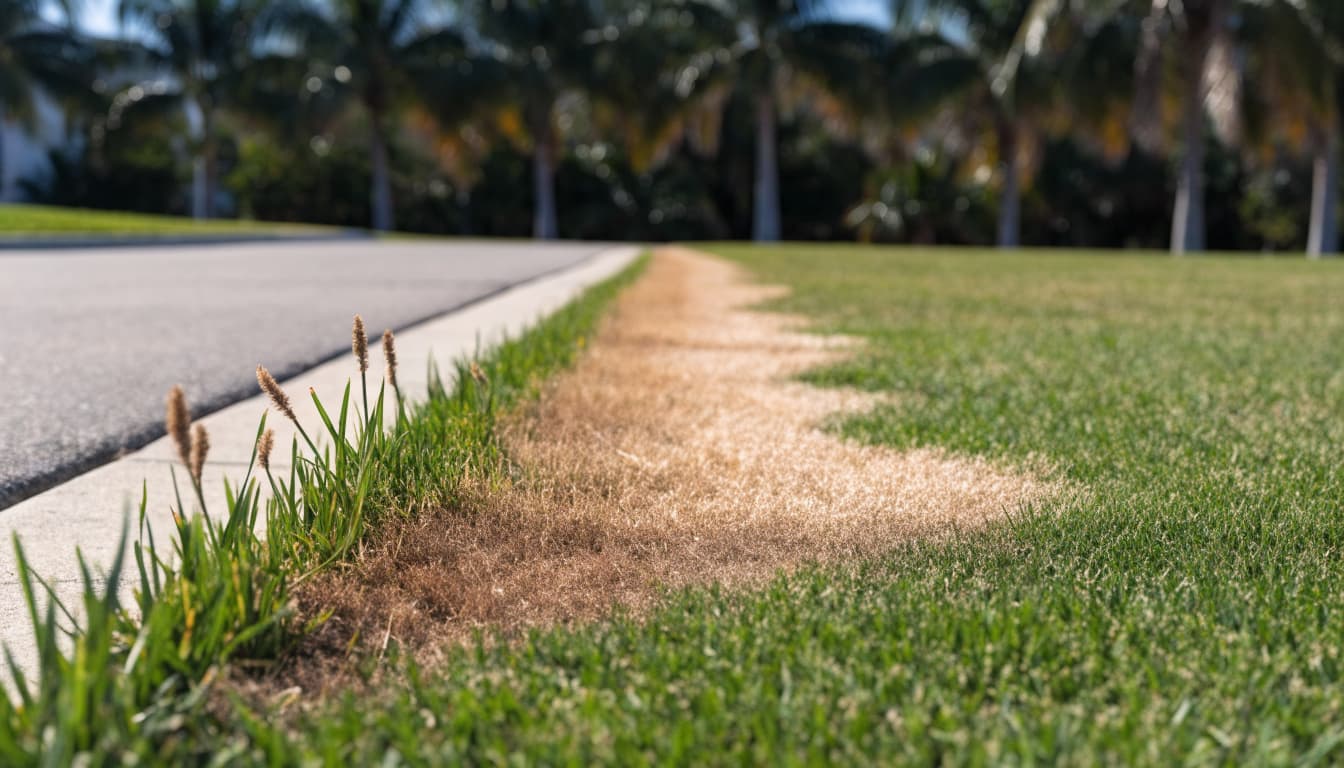
Brown leaf tips or margins, yellowing, and stalled growth can fit salt injury. Check the runners, called stolons, beneath the blades too. Firm runners with green tissue suggest that some of the lawn may still grow back. Brittle runners and dead crowns are less encouraging.
A pale residue on leaves or the soil surface can raise suspicion, but it doesn't confirm salt as the cause. Fertilizer and other materials can leave residue, while salt-stressed turf may show none.
Follow the boundary of the damage
On an exposed waterfront lot, injury may appear first along the canal-facing edge after windy weather. If the decline follows a sprinkler's reach, test that water source. A low spot affected after flooding points toward a different problem: salt may have reached the roots, while standing water may also have deprived them of oxygen.
Compare damaged grass with healthy turf a few feet away. A sharp boundary tied to exposure is useful evidence, though it still isn't a diagnosis by itself.
Separate Salt Damage From Other Lawn Problems
Brown St. Augustine needs more than a glance. Soil moisture, leaf condition, and the location of each patch can narrow the possibilities before you change the watering schedule or buy a treatment.
| Possible cause | Clues to check first |
|---|---|
| Salt exposure | Damage follows spray, flooding, or a suspect irrigation zone; soil or water testing can help confirm it. |
| Drought | Blades fold or turn dull blue-gray, and soil below the surface feels dry. |
| Disease | Patches expand in moist turf, sometimes with leaf lesions or weak roots. |
| Nutrient problem | Color changes are more widespread or recurring; a soil test helps guide the next step. |
| Chinch bugs | Irregular decline develops in hot, sunny areas even when soil has moisture. |
The table points to checks, not conclusions. Several problems can affect the same patch at once.
Check moisture before adding water
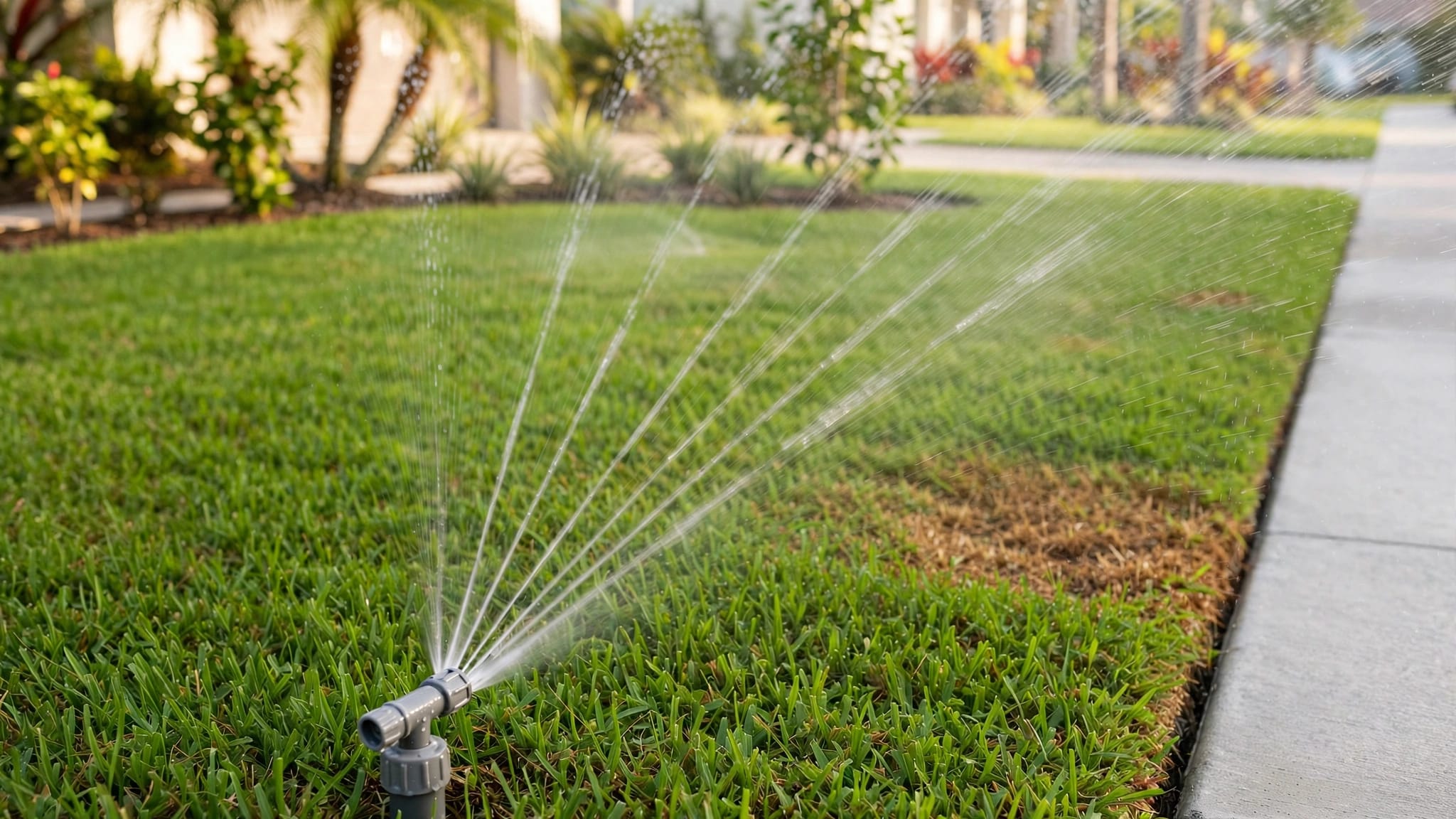
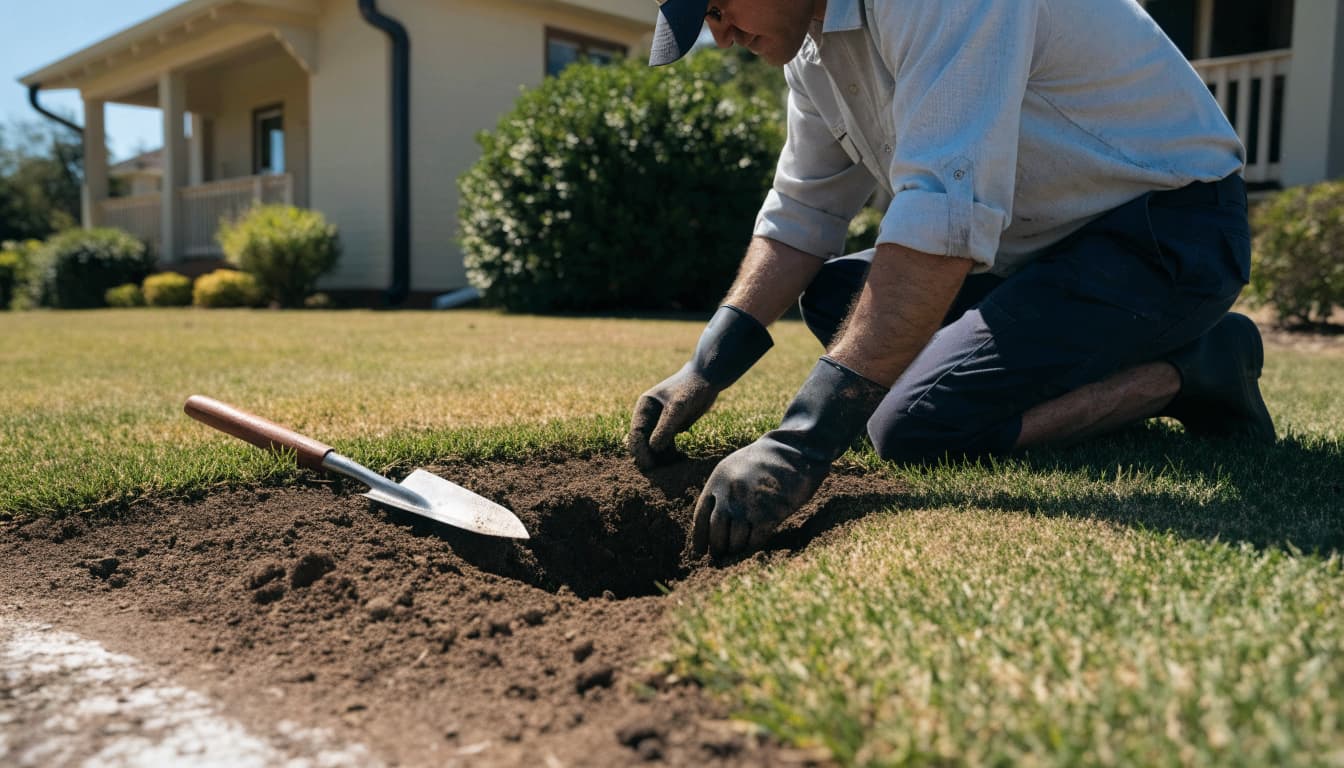
Push a narrow trowel into affected turf and a healthy area nearby. If the damaged soil is dry several inches down, inspect sprinkler coverage and any blocked heads. If it's damp and the grass keeps declining, watering longer could make matters worse.
Inspect leaves and recent work
Look for spots or lesions on individual blades and note whether patches are expanding after wet weather. Also consider recent fertilizer or herbicide use, mower damage, and work near the lawn edge. If a product was applied recently, keep its label handy before attempting to flush anything.
Find Out How Salt Reached the Yard
Cape Coral canal-front properties don't all face the same exposure. A lawn can receive salt on its leaves, around its roots, or through flooding. The repair plan depends on which route is involved.
Wind-driven spray affects exposed turf
Spray can settle on grass near a waterfront edge during windy conditions. An exposed strip may brown while a sheltered area stays green. Once conditions are safe, rinsing foliage with a confirmed freshwater source may help remove surface residue. It won't remove salt already in the soil.
Salty water can reach roots
Brackish irrigation, splash, or storm-driven saltwater can leave salts where roots grow. Saltwater intrusion is also a concern when an irrigation source becomes saline. Don't assume that water from a well, canal, or storage system is suitable for flushing simply because it looks clear.
Trace the timing. Did decline follow a storm, a change in irrigation source, or repeated watering from one zone? For a malfunctioning zone, Cape Coral irrigation repair costs can help frame a repair discussion, although sprinkler repair and salt-damage restoration are separate costs.
Approach Freshwater Flushing With Drainage in Mind
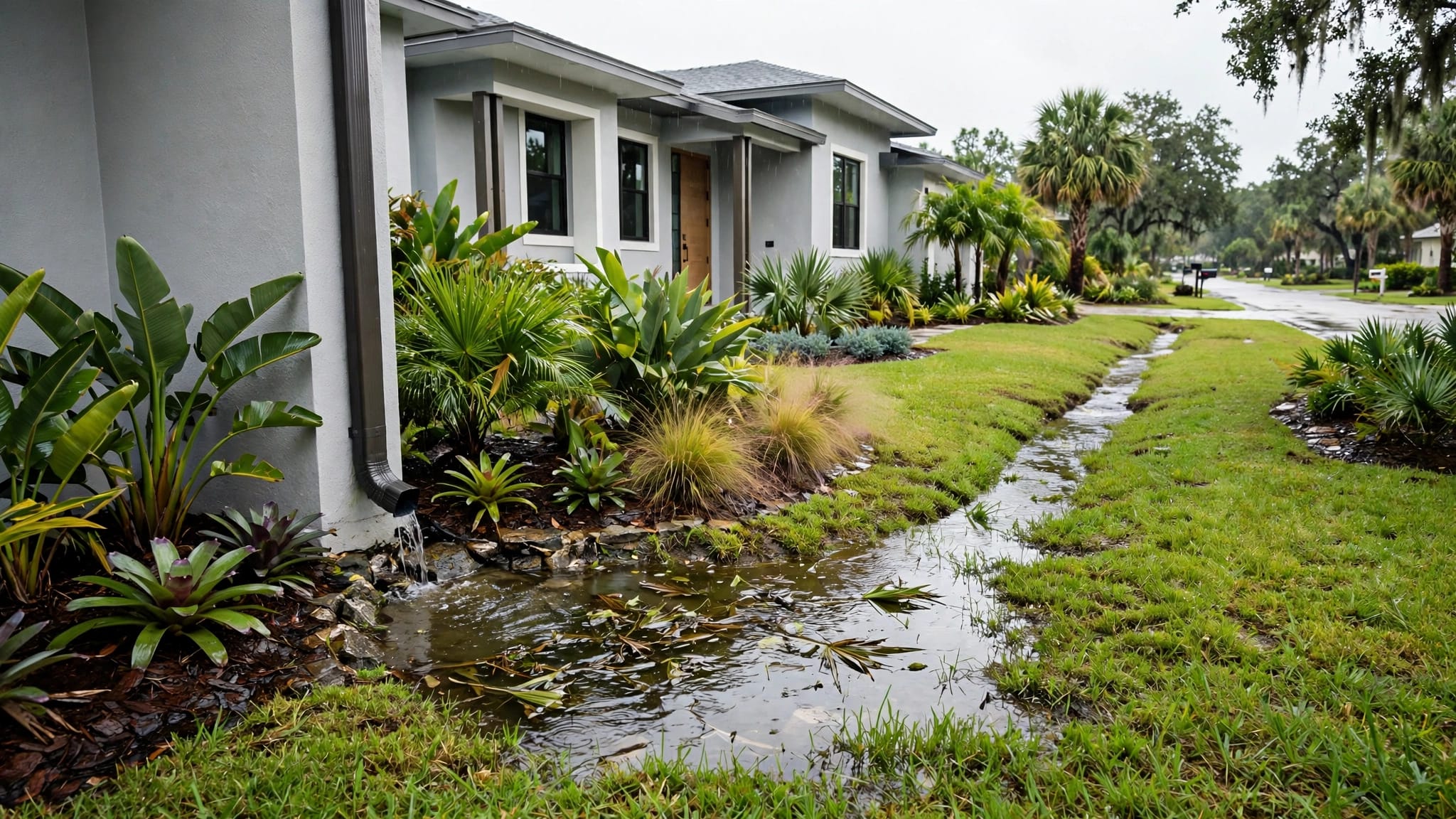
Freshwater can move soluble salts below roots only if the water has somewhere to go . Saturating an already flooded lawn can prolong root stress and carry runoff toward a canal or neighboring property.
Confirm the water and wait for saturated ground
Before attempting to rinse a salt-affected area, verify that the water source is fresh. After flooding, allow standing water to recede and check whether the soil begins to drain. If water remains on the surface or runs straight off, more irrigation is unlikely to help the roots.
Where drainage is working, a lawn professional can assess whether careful freshwater leaching suits the site. Avoid a fixed watering prescription without knowing the water quality, soil condition, and route the drainage will take.
Correct the path of runoff
Watch the yard during irrigation or rain. A low spot beside a walkway can hold water, while a poorly pitched slab can send it into the turf. If a hard surface directs runoff toward the house or lawn, ask a local concrete company to assess its slope before replacing grass.
Paver cleaning may remove surface residue, but it won't correct a drainage path feeding the same patch. Plan grading and irrigation work before cleaning or resealing nearby pavers so finished surfaces aren't disturbed.
Use Testing to Confirm the Problem
A routine nutrient test won't necessarily tell you whether salts are stressing the roots. Ask a soil-testing lab or local Extension office which tests assess soluble salts , often reported as electrical conductivity. If sodium is a concern, ask whether additional soil chemistry testing is appropriate.
Collect a sample from the injured area and another from healthier turf with similar sunlight and care. Tell the lab about any flood exposure, irrigation source, or recent fertilizer use. Sampling before major changes gives you a more useful starting point; follow-up testing can show whether conditions have improved.
Water testing matters when the same irrigation supply keeps reaching the affected strip. A soil result describes the ground at one point in time. It won't identify a continuing source on its own.
Skip a quick gypsum application based solely on brown tips. Gypsum has a role under certain soil conditions, but it isn't a universal cure for saline soil. Test results should guide any amendment decision, particularly on a waterfront property where excess material can wash away.
Give Living Turf Room to Recover
Once the exposure has stopped and moisture conditions are stable, inspect the lawn for new growth. St. Augustine spreads through aboveground runners, so surviving stolons can gradually fill small gaps during active growth.
Reduce stress while new growth appears
Keep heavy foot traffic and repeated mower turns off weakened patches. Avoid aggressive raking or dethatching that could tear living runners. Mow at the appropriate height for the cultivar with a sharp blade, and don't scalp the lawn to remove brown leaves.
Hold off on heavy fertilizer while the cause remains uncertain. Adding salts through fertilizer won't solve a water-quality problem, and fertilizer won't bring dead crowns back to life.
Judge progress by growth, not color alone
Old brown blades won't turn green. Look instead for fresh leaves, extending runners, and improving coverage at the edge of a patch. Photograph the same spot every week or two so small changes are easier to see.
Recovery depends on the severity of exposure, drainage, season, and whether the source continues. If there's no new growth after roughly six weeks of active growing conditions, reassess the turf and irrigation before waiting longer.
Replace Turf Only After Fixing the Cause
Where runners and crowns are dead, fresh sod or plugs may be more practical than waiting for bare ground to fill in. Yet replacing grass before checking irrigation and drainage risks damaging the new installation in the same place.
Match sod to the site
Check sunlight, soil condition, and sprinkler coverage before ordering replacement St. Augustine. Prepare the area so sod contacts the soil evenly and water doesn't collect at its seams. Matching the existing turf type also avoids an obvious change in color and mowing needs.
Outdoor Life Pros offers Cape Coral sod and artificial grass installation for yards that need more than spot repair. Ask for a site-specific plan that identifies removal, ground preparation, irrigation adjustments, and establishment care.
Compare costs without treating them as a repair quote
The company's 2026 Cape Coral landscaping budget guide lists sod installation or replacement at $1.50 to $3.50 per square foot. That range isn't a quote for salt-damage repair; testing, drainage work, and site access can change the scope.
For a repeatedly failing side yard, artificial turf may be worth considering. It still needs an appropriate base and drainage. Covering a wet or poorly graded area with synthetic turf leaves the underlying water problem unresolved.
Reduce the Risk of Another Damaged Strip
After repairs, pay attention to the conditions that produced the original pattern. Check whether irrigation reaches the lawn evenly, whether its source is suitable, and where runoff goes after a heavy rain.
Waterfront landscaping also benefits from treating the exposed edge differently from a sheltered front lawn. Keep plant choices, irrigation layout, and drainage in mind when reworking that boundary. Storm exposure can't be eliminated, but a yard that drains properly is easier to assess and repair afterward.
Key Takeaways
- Diagnose the pattern and check living runners before removing brown St. Augustine.
- Rule out drought, disease, pests, and recent product injury before changing treatments.
- Confirm freshwater quality and drainage before considering any salt-flushing approach.
- Test soil and suspect irrigation water, then fix the cause before installing new turf.
Frequently Asked Questions
Can rain wash salt out of a Cape Coral lawn?
Rain may help move soluble salts when the soil drains well. A heavy downpour over saturated ground may instead leave roots waterlogged or produce runoff. Watch what happens to the affected area after rain, and use testing if the lawn continues to decline.
How do I know whether my St. Augustine is dead?
Part the blades and inspect crowns and runners near the soil. Firm stolons with green tissue or fresh shoots suggest recovery is possible. If the patch has no living runners and remains bare through active growth, replacement may be appropriate once the cause is corrected.
Should I fertilize a lawn with suspected salt damage?
Don't use fertilizer as a quick fix for brown color. First, check moisture, irrigation water, and soil conditions. A nutrient test can help determine whether feeding is needed after the lawn resumes growth.
Conclusion
A brown waterfront strip doesn't tell you, by itself, whether St. Augustine needs water, treatment, or replacement. The strongest repair starts with the exposure pattern, soil moisture, water source, and living runners.
Fix the cause before replacing the turf. That gives surviving grass a fair chance to recover and protects new sod from the same damage.