


Cape Coral Permit Guide for Patios, Driveways, and Pergolas
Cape Coral permits can slow a patio, driveway, or pergola project if the details aren't clear. The city looks past the finished look and checks slope, setbacks, structure, drainage, and electrical work.
That matters more here than in many places. Southwest Florida weather changes how outdoor projects get reviewed, and a clean site plan can save weeks of back-and-forth. If you're planning new hardscape or tying it into landscaping, the permit path should come first.
The good news is that most delays come from avoidable gaps. A good survey, clear drawings, and the right permit type usually make the process much smoother.
When Cape Coral usually wants a permit
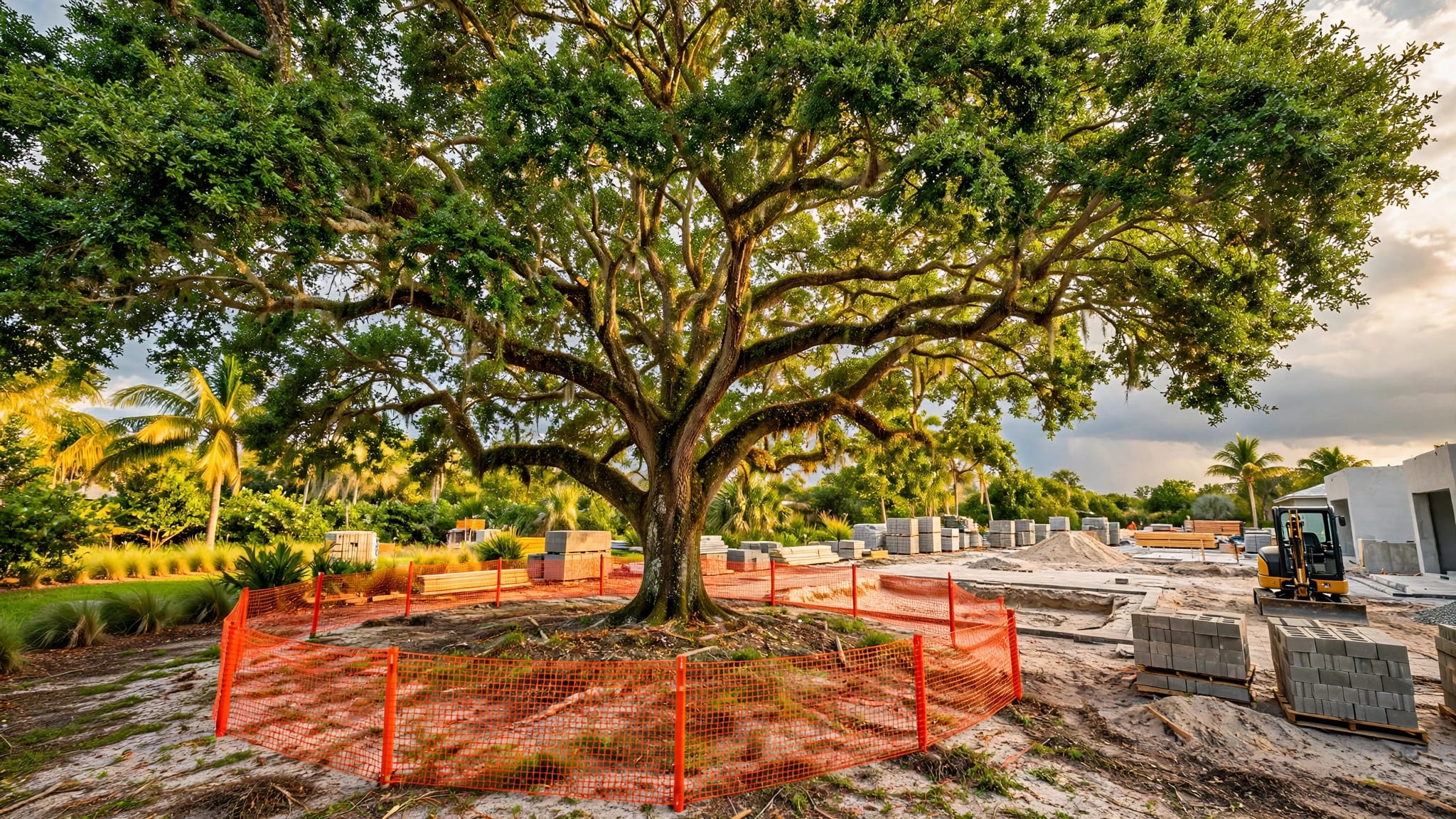
For Cape Coral homeowners, the safest rule is simple: if the project changes the site, the structure, or the drainage, assume the city wants a permit review. That includes new concrete, paver installations, pergolas, patio additions, and any electrical work tied to the project.
Small cosmetic fixes may not need the same level of review, but size and location matter. A patio in the backyard is one thing. A patio that connects to the house, crosses an easement, or changes runoff is another.
The city's current permit pages, document center, and common permit map are the best places to confirm the right packet. They also help you match your project to the right form before you start spending money on materials.
If your project changes grade, runoff, or structure, plan for permit review first.
Patio permits in Cape Coral
Patios can look simple on the surface, but the permit question usually depends on what the patio touches. A small freestanding paver area in a flat yard may be easier to process than a slab tied into the home. Once you add a roof, screen enclosure, or electrical, the review gets more detailed.
If you're deciding between materials, pavers or concrete for patios is a useful comparison. It helps you think through heat, cracks, and upkeep before you file anything.
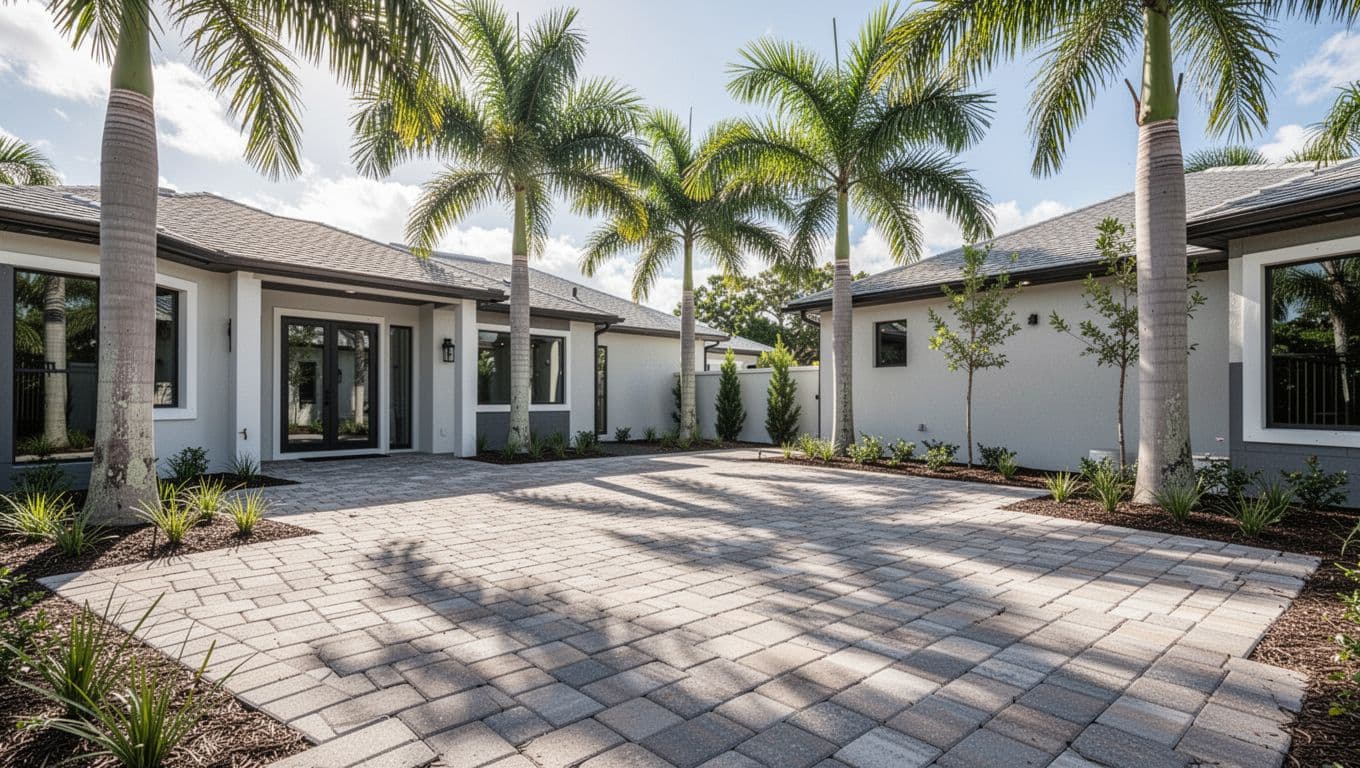
If your patio will sit near irrigation lines, drains, pool equipment, or a retaining edge, put those notes on the plan. The city wants to see how water moves, especially when the project sits close to the house. If the patio is part of a larger landscaping update, show the finished grade and any border details too.
An existing slab can also change the plan. If you're thinking about resurfacing or covering an old concrete area, pavers over concrete in Cape Coral explains when that approach works and when it creates more problems. A sound base matters more than a pretty finish.
Driveway permits and curb-cut details
Driveways usually bring more permit questions than homeowners expect. The city pays attention to the apron, the swale, the right-of-way, and any change to water flow. A driveway that looks fine in a yard sketch can still get flagged if it pushes runoff the wrong way or drifts into an easement.
A concrete company should look at slope, joint layout, and how the new slab meets the street. If the project uses pavers, base depth and thickness matter too, because driveways carry more load than patios. For that side of the project, driveway paver thickness recommendations can help you plan the build before the permit packet goes in.
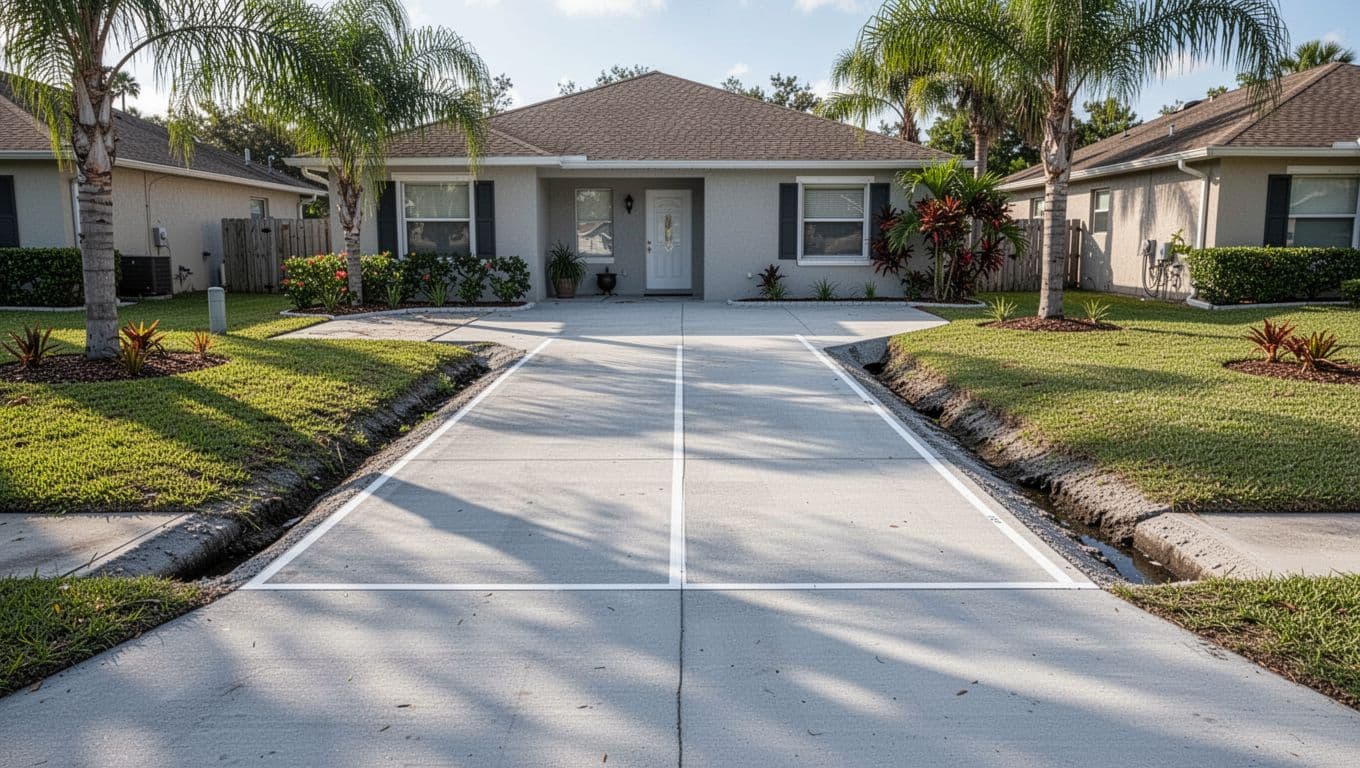
If your driveway project includes gate lights, outlet posts, or a motor, those usually need separate electrical review. That extra trade work can slow the permit if it's buried inside the main drawings. It's better to call it out clearly from the start.
Driveway drainage also deserves a close look. When runoff is a concern, a permeable surface may help in some yards. Cape Coral permeable paver guide is helpful if you're comparing looks, water flow, and maintenance.
Pergola permits for attached and freestanding structures
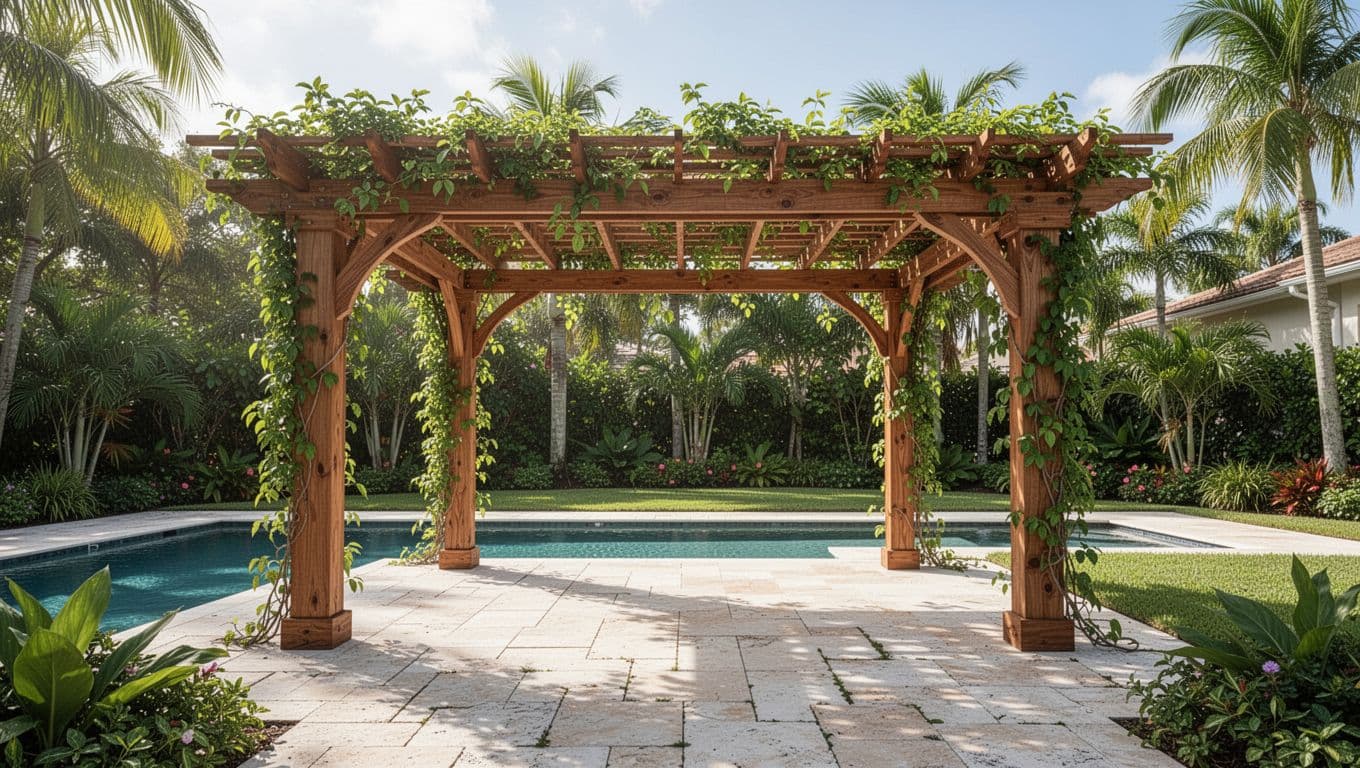
Pergolas often surprise homeowners because they look light, but the city still checks structure and setback rules. A freestanding pergola in a backyard may need less review than an attached one, yet both can trigger a permit if they're large, engineered, or tied to other work.
Once a pergola attaches to the house, carries a roof, or includes fans and lights, the packet usually gets more detailed. The city may ask for product approvals, engineering, or a layout that shows how the frame is anchored for local wind loads. Prefab kits don't automatically skip permit review.
If the pergola sits over a patio or paver area, plan the layout before you build. That keeps post locations clear of drains and avoids cutting into a finished surface later. It also makes it easier to coordinate with recommended base depths for patios if the hardscape is part of the same job.
What to gather before you apply
A clean application starts with clean paperwork. Before you submit anything, line up the documents the city is most likely to ask for.
- Pull a current survey or site plan. Mark property lines, easements, setbacks, and existing structures.
- Show the project clearly. Include dimensions, materials, and whether the pergola is attached or freestanding. If drainage changes, show where the water goes.
- Gather permit support documents. For pergolas, the city's document center has a dedicated packet and summary sheet. For patios and driveways, use the common permit category that fits the work.
- Check HOA approval first if your neighborhood requires it. That step can save you from filing a permit that later needs a redesign.
- Add any trade details. Electrical, grading, or drainage work often needs its own notes or permit path.
If your plan also includes artifical turf, set the elevations before finalizing the hardscape. Water flow, edging, and finished grades need to work together. The same is true when pavers meet a planting bed or a new seating area.
What happens after you submit
After you submit, the city reviews the packet for completeness first. If something is missing, the permit stops until you fix it. That missing item might be a survey note, a setback issue, or a separate trade sheet.
If the packet passes intake, plan review checks the code details, drainage notes, and any engineering. Then the city sends corrections or approval. Answer correction requests quickly, because the file usually sits until the missing piece is returned.
Fee totals can vary a lot by project scope, so it's better not to guess. Cape Coral posts current fee schedules and calculators, and those are the safest sources for the final number. Turnaround times also vary, especially if the plan needs revisions or another agency has to weigh in.
Once the permit is active, keep it available on site. If the project includes work over the threshold that triggers a Notice of Commencement, handle that before the first shovel hits the ground.
Practical ways to avoid delays
A few small habits can keep a permit moving.
- Match every drawing to the survey. A tiny mismatch on setbacks can stall the file.
- Show drainage in plain language. If water leaves the site, say where it goes.
- Separate electrical from structural work. Lights, outlets, and fans need their own attention.
- Don't swap materials after review starts. A late change can force a new check.
- Save the paver cleaning and sealing plan for the end, but think about it early. Finished surfaces last longer when maintenance is part of the layout.
The fastest permits are usually the ones that leave no guessing about grade, setbacks, or electrical work.
Conclusion
Cape Coral permits get easier when you treat patios, driveways, and pergolas as site projects, not just finish work. The city wants to know how the structure fits the lot, how water moves, and whether any electrical work is part of the job.
If you start with a survey, a clear layout, and the right permit packet, you avoid most of the common delays. That leaves more time for the part that matters, a backyard that fits your home, your landscaping, and the way you use the space.