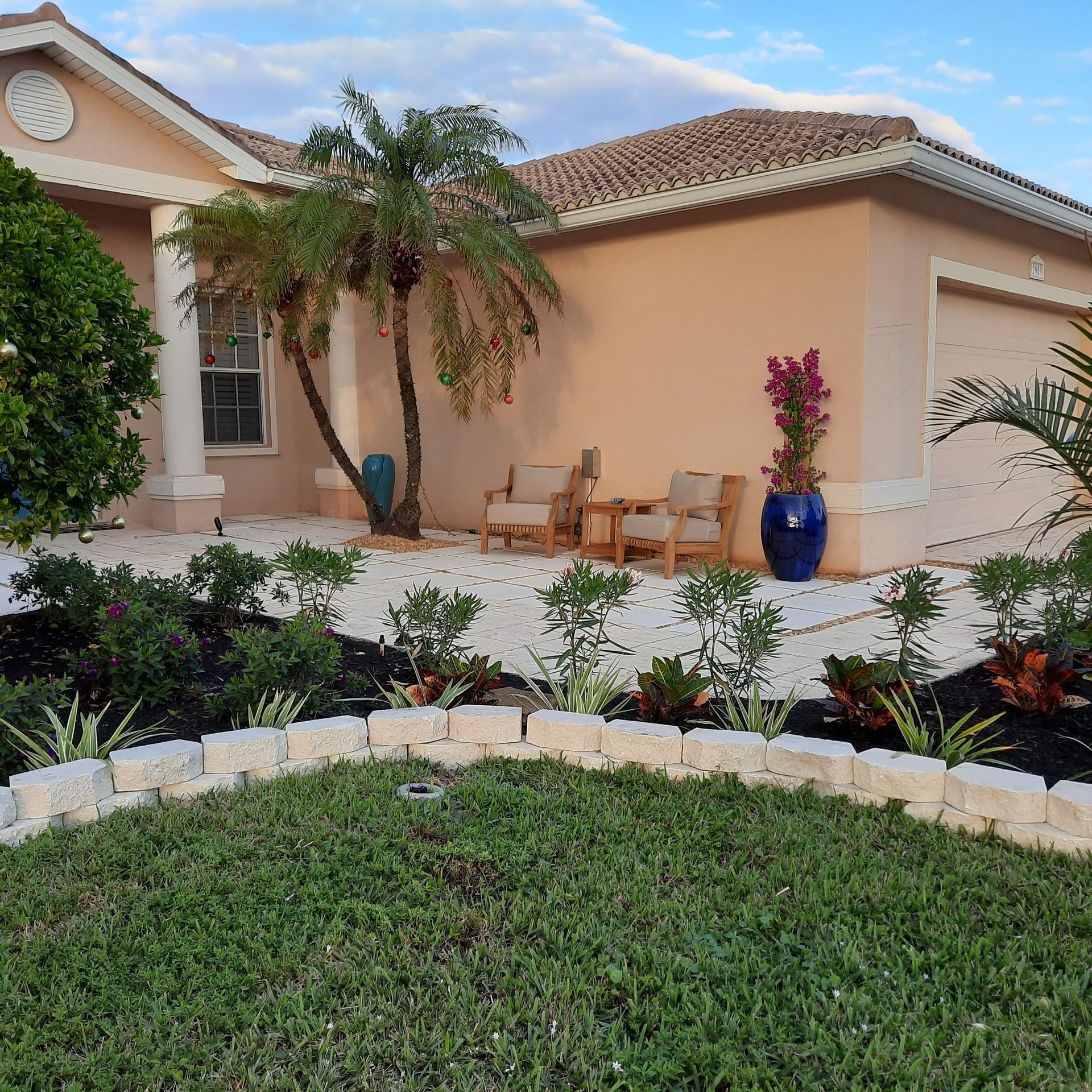



Pavers Over Concrete in Cape Coral: What Works and What Fails
A paver overlay can look sharp, but the slab underneath decides how long it lasts. In Cape Coral, that matters even more because heat, rain, and sandy soil punish weak prep fast.
If the concrete is sound, level, and draining well, pavers over concrete in Cape Coral can be a smart upgrade for a driveway, patio, pool deck, or walkway. If the slab is cracked, sinking, or holds water, the new surface often inherits the same problems.
When paver overlays make sense
The best overlay jobs start with a concrete slab that already does its job. That means no major settling, no broken edges, and no soft spots underfoot. It also means the surface already has a slope that moves water away from the house.
A good concrete company will check more than appearance. They should look for hollow spots, wide cracks, old patches, and height issues at doors and garage thresholds. If the slab passes that test, a paver overlay can improve curb appeal without full demolition.
This is where a project can save time and money. A solid slab gives the pavers a stable base, and the finished surface can feel more refined than plain concrete. It also makes future repairs easier, since individual pavers can be reset if needed.
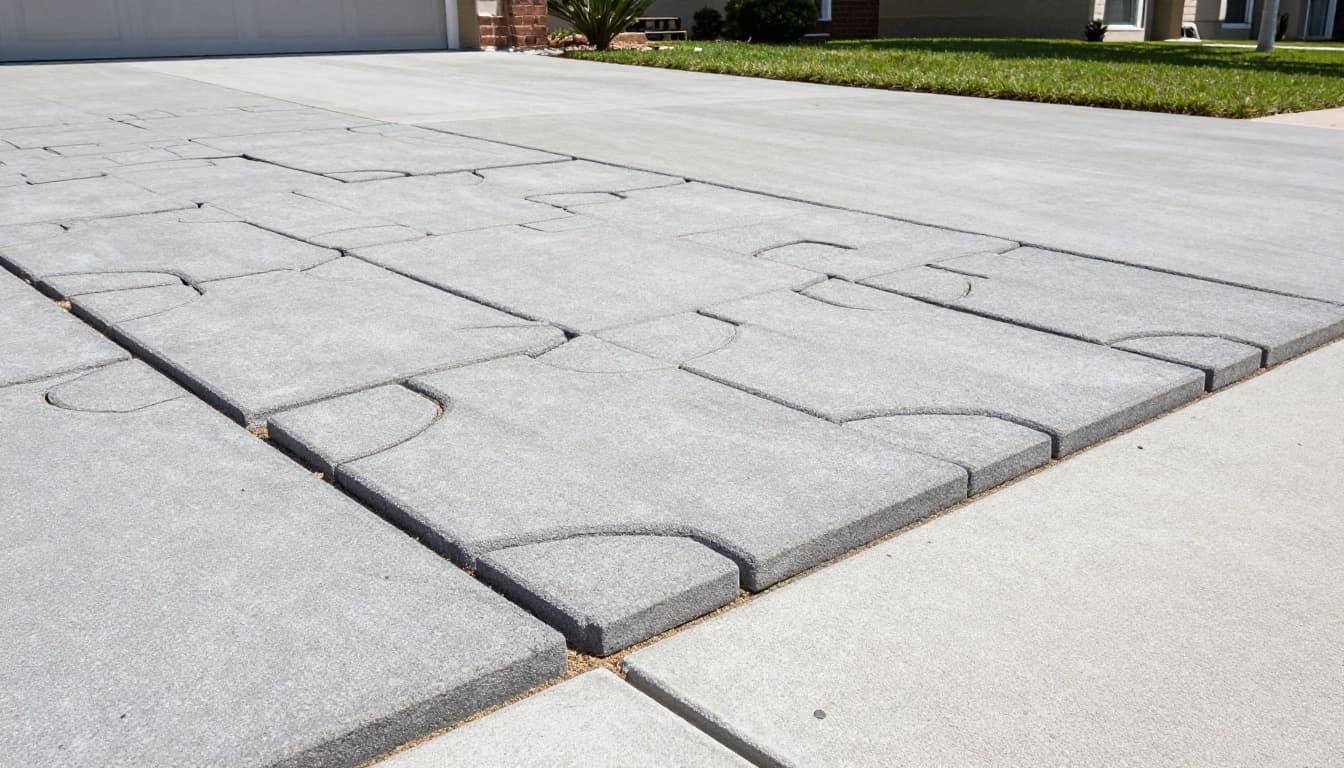
Here is a quick way to think about it:
| Condition | Overlay usually works | Overlay usually fails |
|---|---|---|
| Surface shape | Flat and even | Wavy or sunken |
| Drainage | Water moves away | Water ponds or runs back |
| Cracks | Hairline, stable | Wide, active, or heaving |
| Height | Enough door clearance | Too high at thresholds |
That table says most of it. If the slab is stable and dry, the overlay has a chance. If the slab already misbehaves, pavers will not hide it for long.
For homeowners who want a local install team, paver installation and repair Cape Coral is the kind of service that fits this work.
Where pavers over concrete usually fail
Failure starts with movement. If the old slab shifts, the overlay moves with it. That is true whether the project is a patio, a walkway, or a pool deck.
Expansion cracks are a common problem. Concrete expands and contracts in Florida heat, then takes a beating from heavy rain. If those cracks are active, they can telegraph through the new surface or break the bond between layers.
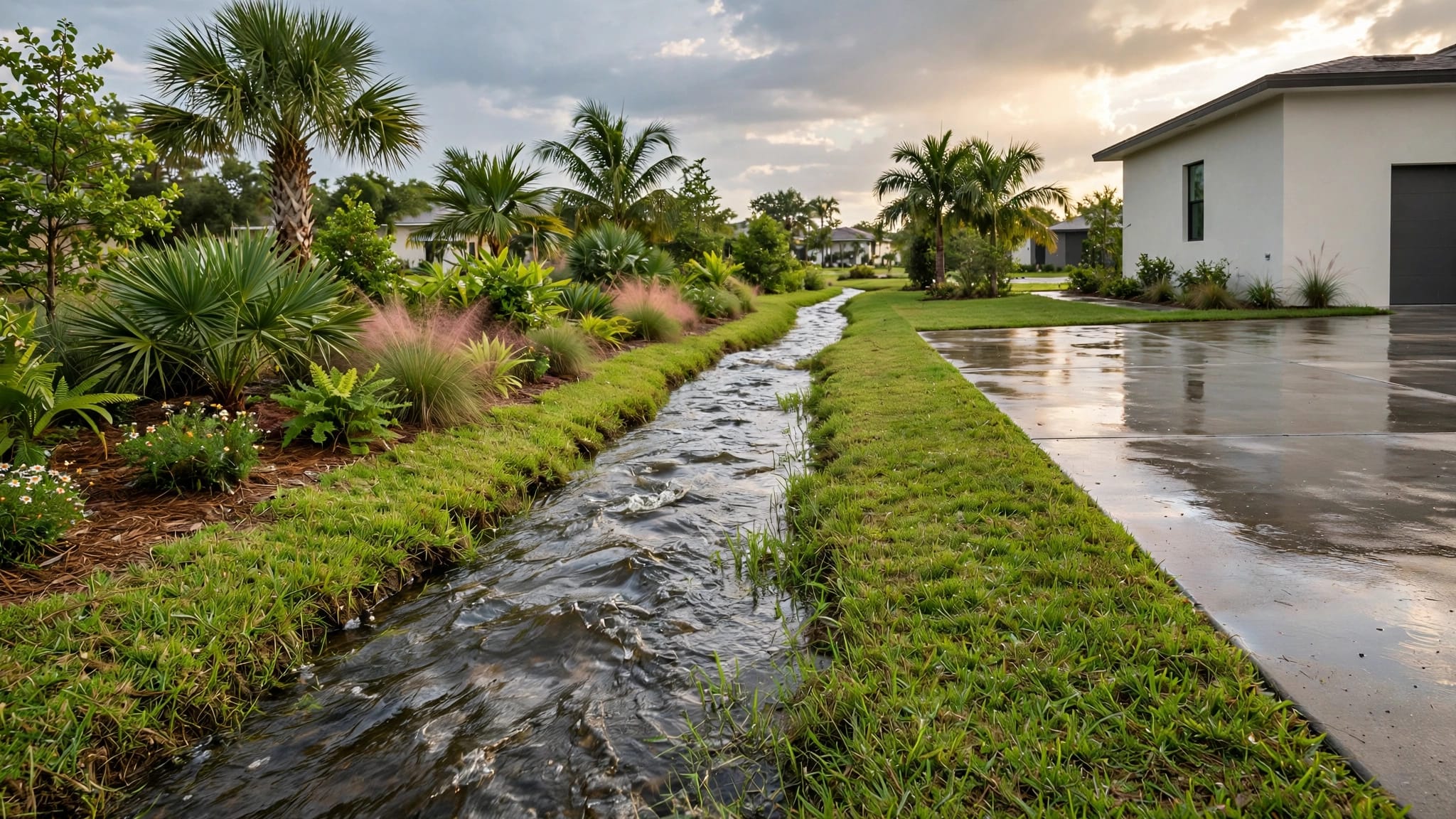
Drainage is another deal breaker. Concrete does not drain like a compacted paver base. So if the slab is flat, water can sit under the pavers and soften the install over time. That is how you get loose corners, rocking pieces, and staining.
If the slab is already failing, pavers do not fix it. They only hide it until the damage shows again.
Elevation can also ruin a good idea. A nice-looking overlay can create a trip edge at a doorway, garage, or pool cage entry. In some cases, the finished height becomes the main problem.
Bonding issues matter too. A paver overlay depends on clean concrete, the right setting method, and a dry enough slab. If moisture is trapped below, the bond can weaken. In Southwest Florida, that risk is real after heavy rain and during humid stretches.
A few warning signs should stop the job before it starts:
- Cracks that keep opening
- Slabs that sound hollow in large areas
- Low spots that hold puddles
- Broken edges around the perimeter
- Soil movement that already lifted parts of the slab
When those problems show up, replacement is usually the smarter move.
The prep work that keeps the surface stable
Good prep is not a nice extra. It is the job.
First, the slab needs a deep cleaning. Dirt, algae, paint, and old sealer all get in the way. Then the crew needs to repair cracks, fill low spots, and check slope again. In Cape Coral, water should move away from the home, not sit beside it.
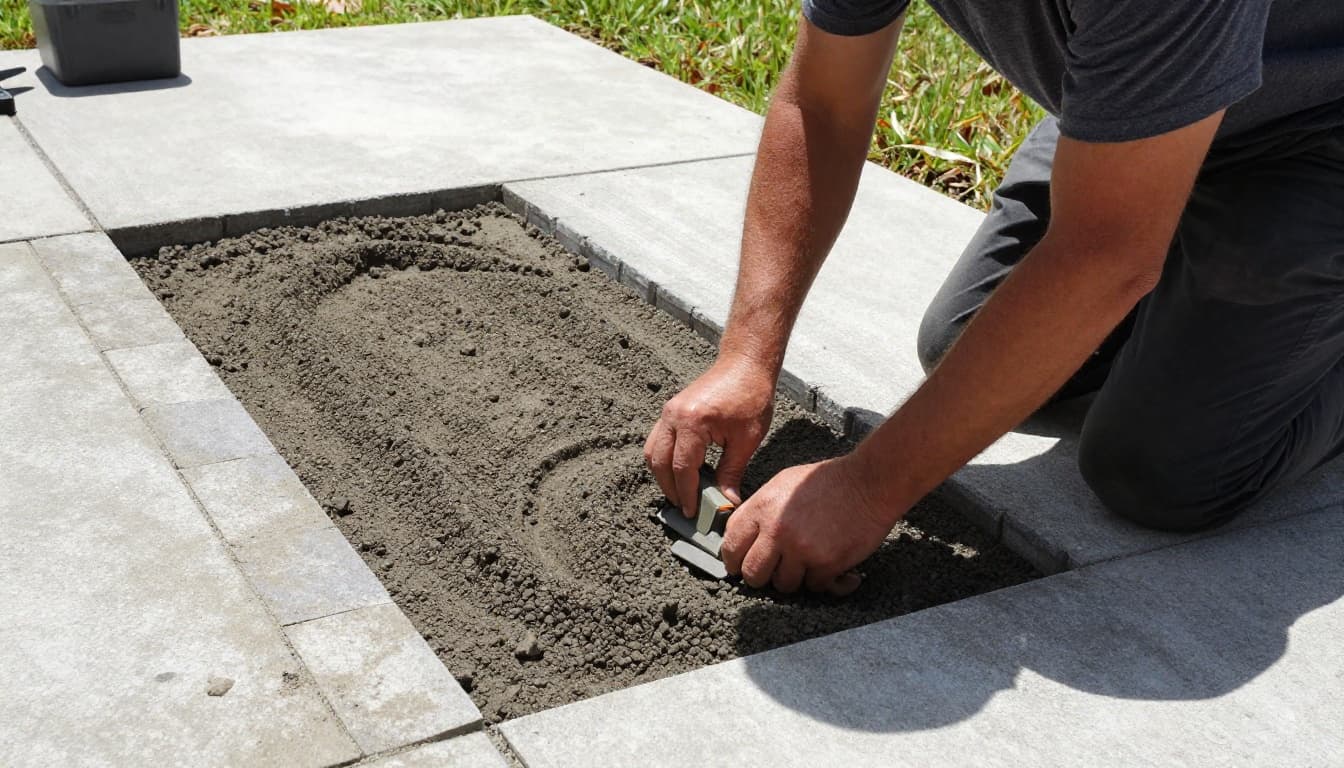
Edge restraint is another must. Without it, pavers can creep out of place over time, especially near driveways and outside corners. That border holds the surface together when rain, foot traffic, and heat cycles start working on it.
Joints matter as well. Polymeric sand helps lock the pavers in place and slows weed growth. After that, sealing can help with stains and makes paver cleaning easier. Just remember, sealer is the finishing step, not the fix for bad prep.
If you are planning more than one outdoor upgrade, the hardscape can be part of a bigger landscaping plan. Some homeowners pair pavers with artifical turf or stone beds to reduce mowing and keep the yard neat. That works best when the base work is solid first.
For readers who want the maintenance side explained, paver sealing in Cape Coral covers what sealing can and cannot do after the install.
Overlay or replacement in Cape Coral
The real choice comes down to slab quality. If the concrete is stable, dry, and well sloped, an overlay can be a smart upgrade. If the slab is cracked through, uneven, or too high at transitions, replacement usually protects your money better.
| Choose overlay when | Choose replacement when |
|---|---|
| The slab is sound and level | The slab is sinking or heaving |
| Drainage already works | Water pools near the home |
| Door and garage clearances are good | Height is already too tight |
| You want a faster refresh | You need to fix the base |
If the existing concrete needs major correction first, start with concrete installation Cape Coral FL. A new slab costs more upfront, but it solves the problems that overlays can only cover.
That is why the best answer is not about pavers alone. It is about the slab, the slope, and the long-term load on the surface.
Conclusion
Cape Coral overlays can work well, but only when the concrete beneath them is already strong. The slab has to drain, hold its shape, and leave enough room for a proper finished height.
When those conditions are missing, the safer choice is replacement. That path costs more at the start, but it avoids the quiet failures that show up after a few storms.
The best result comes from an honest look at the base, not from hoping the new surface will hide the old one.