


Best Cape Coral Plants for Downspout Splash Zones
A downspout can turn one small corner of your yard into a mess fast. One storm sends a blast of water, then the area dries out and bakes for days. That swing is hard on plants, mulch, and even pavers.
The best Cape Coral plants for that spot can take both extremes without constant handholding. They need to handle sun, sudden runoff, sandy soil, and long dry stretches, all in one bed.
A splash zone is a stress test, so the plant choices need to be tougher than they look.
What a downspout splash zone needs to handle
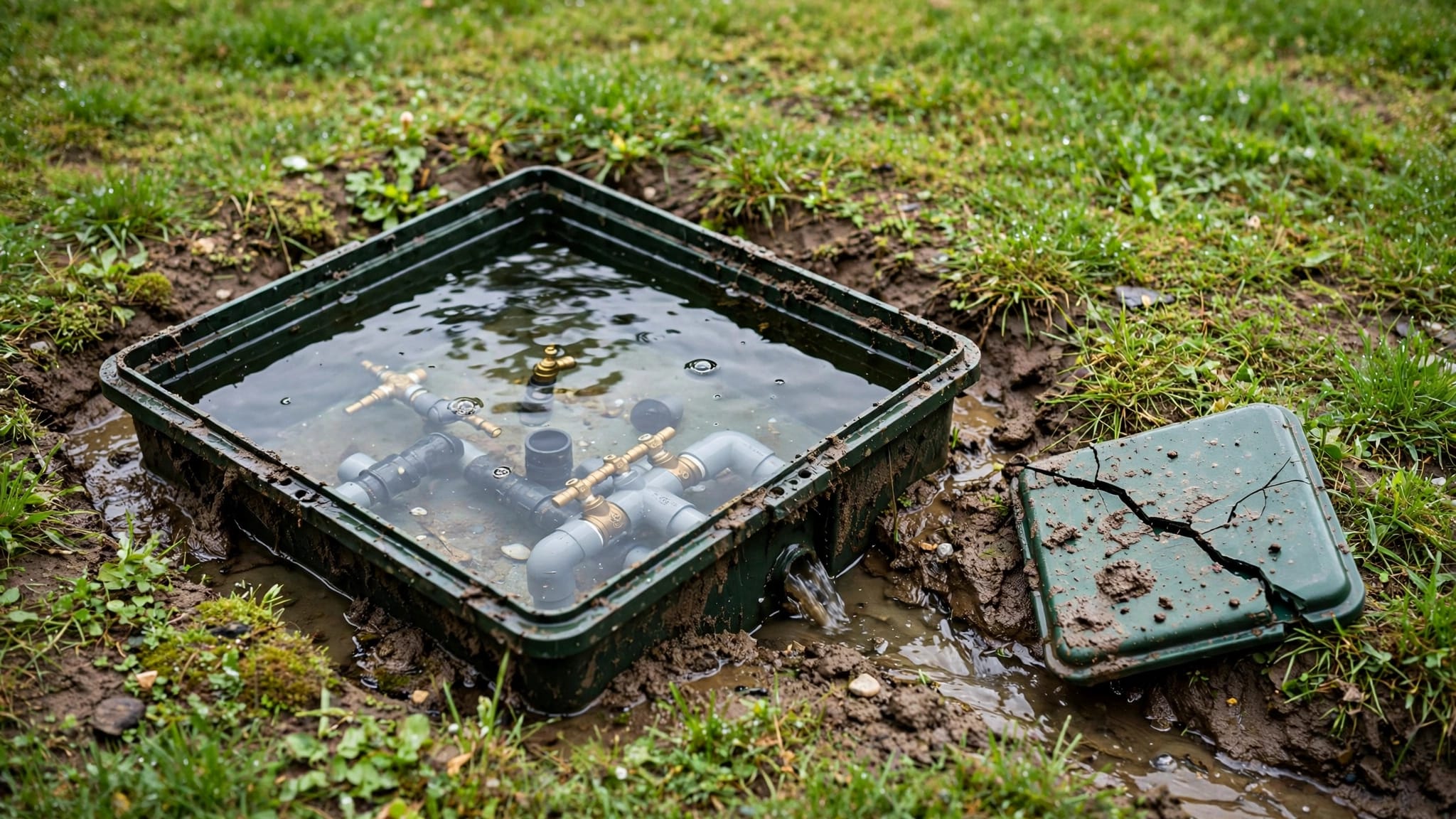
In Cape Coral, a splash zone is rarely wet in a gentle, steady way. It gets slammed during storms, then dries out quickly because the soil drains fast and the heat comes back strong. That means a plant needs roots that can deal with both soggy bursts and lean, dry days.
The safest choices are usually Florida-friendly plants with flexible water needs. They should accept full sun or light shade, stay in a manageable size, and hold together without constant pruning. That also helps your landscaping look neat instead of overgrown.
Here's a quick comparison of plants that fit that job well.
| Plant | Sun tolerance | Moisture tolerance | Mature size | Maintenance |
|---|---|---|---|---|
| Dwarf firebush | Full sun to part shade | Handles runoff and short dry periods | 3 to 4 feet tall | Low |
| Pink muhly grass | Full sun | Tolerates wet bursts and dry spells | 3 to 4 feet tall, 2 to 3 feet wide | Low |
| Coontie | Sun to shade | Tolerates occasional wet soil, then dry spells | 2 to 3 feet tall and wide | Very low |
| Walter's viburnum | Sun to part shade | Likes moderate moisture, tolerates storms | 6 to 10 feet tall | Low to moderate |
| Dwarf yaupon holly | Sun to part shade | Handles wet and dry swings well | 4 to 6 feet tall and wide | Low |
| Silver buttonwood | Full sun | Good with splash and heat, after establishment | 8 to 15 feet tall | Low |
The right choice depends on how hard the downspout hits the bed. If the water is blasting out hard, start with drainage fixes before planting. A downspout drainage solution for soggy yards can keep roots from sitting in mud after every storm.
Cape Coral plants that work well in splash zones
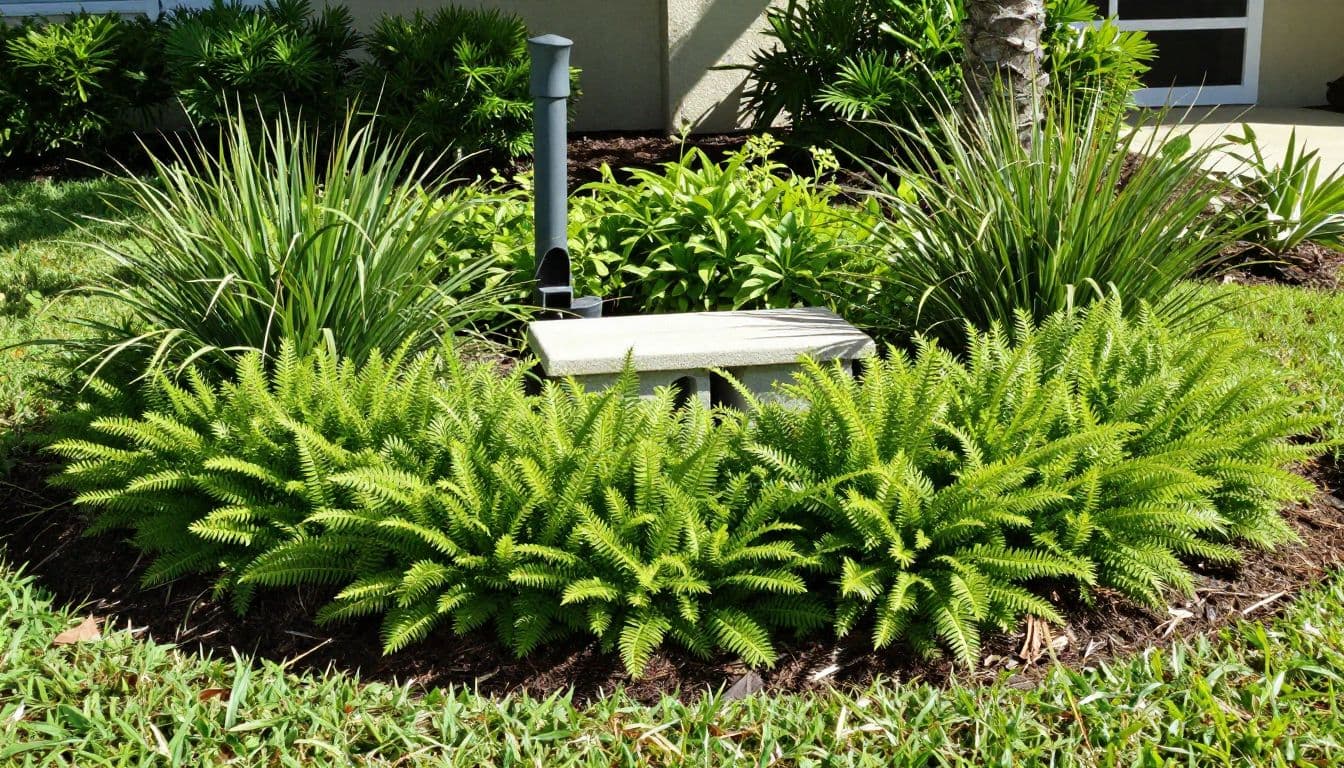
Dwarf firebush
Dwarf firebush is one of the easiest picks for a sunny splash zone. It likes full sun, takes heat well, and handles regular watering from storms without turning fussy. Once it settles in, it also gets through dry stretches without much trouble.
Its smaller size works well near a downspout because it won't crowd the house. Most dwarf forms stay around 3 to 4 feet tall, so they give you color without blocking windows or swallowing the bed. Maintenance stays light if you trim it back once or twice a year.
Pink muhly grass
Pink muhly grass brings texture and movement to a rough spot. It loves sun, and its roots do fine with brief runoff followed by dry weather. That makes it a strong fit for Cape Coral yards where the ground changes fast after a storm.
This grass usually grows about 3 to 4 feet tall and wide. It looks good in groups, especially when you want a softer edge around a splash block or paver border. It's also low maintenance, which helps if you want a cleaner bed with less weekly care.
Coontie
Coontie is a good choice when you want a low, tidy plant that can handle tough conditions. It tolerates sun, partial shade, and dry weather very well. It also accepts occasional wet soil, so it can sit near a splash zone without constant decline.
The size is another plus. Coontie stays compact, usually around 2 to 3 feet tall and wide. That makes it useful in narrow beds where a bigger shrub would feel cramped. It also needs very little pruning, which keeps upkeep simple.
Walter's viburnum
Walter's viburnum works well when you need a fuller shrub with a natural look. It handles sun to part shade and tolerates normal runoff better than many landscape shrubs. In a Cape Coral bed, it gives you volume without feeling too delicate.
This plant can grow larger than the others, so give it room. A mature plant may reach 6 to 10 feet, depending on conditions and pruning. That size is helpful if you want to screen the side of the house or soften a blank wall near the downspout.
For a broader planting plan, Florida-friendly landscape design principles can help you match the bed to the rest of the yard. The best results come when the splash zone fits the whole site, not just the drain point.
Dwarf yaupon holly
Dwarf yaupon holly is a strong structural shrub for runoff-prone spots. It handles sun and part shade, and it puts up with both wet storms and dry days. Once established, it keeps its shape with very little fuss.
Its rounded form makes it easy to place near a downspout without blocking airflow or light. It usually stays around 4 to 6 feet tall and wide, which gives you a neat evergreen mound. If you want a polished look with low effort, this is a solid pick.
Silver buttonwood
Silver buttonwood is a smart option for sunny, open areas with heavier splash. It likes heat, full sun, and the kind of rough conditions that show up in Southwest Florida yards. It also handles occasional wet soil once it gets established.
The silvery foliage adds a clean look that pairs well with stone, stucco, or pavers. It can become a large shrub or small tree, so it needs room. In the right spot, it gives the bed a strong shape with low maintenance.
How to build a splash-zone bed that stays neat
Plant choice matters, but placement matters just as much. A good downspout bed starts with a clear path for water. If the runoff hits one point too hard, no plant can fix the damage alone.
Set the splash block or discharge point so water spreads out instead of drilling into the same hole. Keep mulch shallow near the outlet, because a thick pile can float, wash away, or trap moisture against stems. A small ring of stone or a low paver edge can help hold the bed together.
If you want a more finished look, a local concrete company can pour a small apron, curb, or splash pad that sends water where it should go. That can be a smart move near walkways, entry beds, or tighter side yards. It also helps if the area gets heavy foot traffic.
Pavers near a downspout need a little extra care too. Fine soil and mulch often wash onto the joints, so paver cleaning becomes part of the routine after a few strong storms. Keeping the surface clear helps the whole area look sharp.
Some homeowners also use artifical turf on nearby dry strips, but that surface should stay out of the direct splash path. Roof runoff can pool at the edge and make the transition look messy. If the bed keeps flooding, it may need grading, drainage pipe, or a rain garden shape instead of a simple planting bed.
When runoff is bigger than a splash block can handle, a rain garden design can turn a problem area into a planted basin that catches and slows the water. That works especially well when the spot already wants to stay damp for a short time after storms.
Mistakes that make downspout beds fail faster
A few common errors can wreck an otherwise good planting plan. The first is choosing plants that only like constant moisture. A splash zone in Cape Coral dries out too fast for that. The second is planting too close to the outlet, where the water hits with too much force.
Overmulching causes problems too. A thick mulch mound can smother roots and wash into the drain path. Keep mulch thin and replace it after storms instead of building a deep pile.
It also helps to avoid fast-spreading or invasive plants that crowd the bed and take over the drainage area. A downspout bed should stay open enough for water to move and for you to service it later. If the plants need constant trimming just to stay in bounds, they're the wrong fit.
Finally, don't pick plants that can't handle Cape Coral heat. A spot that seems damp after rain can still get hot and dry in a few hours. The best plants are the ones that can take that swing without looking tired.
Conclusion
Downspout splash zones need tougher plants than a typical front bed. The best ones handle heavy runoff, dry spells, and Florida sun without asking for much in return.
If you want a cleaner yard, start with plants that fit the space, then support them with smart drainage and simple hardscape. That mix gives you a bed that looks good after storms, not just the day you plant it.