


Downspout Drainage Fixes In Cape Coral For Soggy Side Yards
If your Cape Coral side yard turns into a wet, squishy runway every time it rains, your downspouts might be doing more harm than good. Roof water dumps fast, and in a narrow side yard it doesn't have many places to go.
The good news is that most downspout drainage fixes are straightforward once you know where the water should discharge. The goal is simple: move water away from the slab, keep positive drainage , and avoid sending runoff onto a neighbor's lot.
Why Cape Coral side yards stay soggy (even with sandy soil)
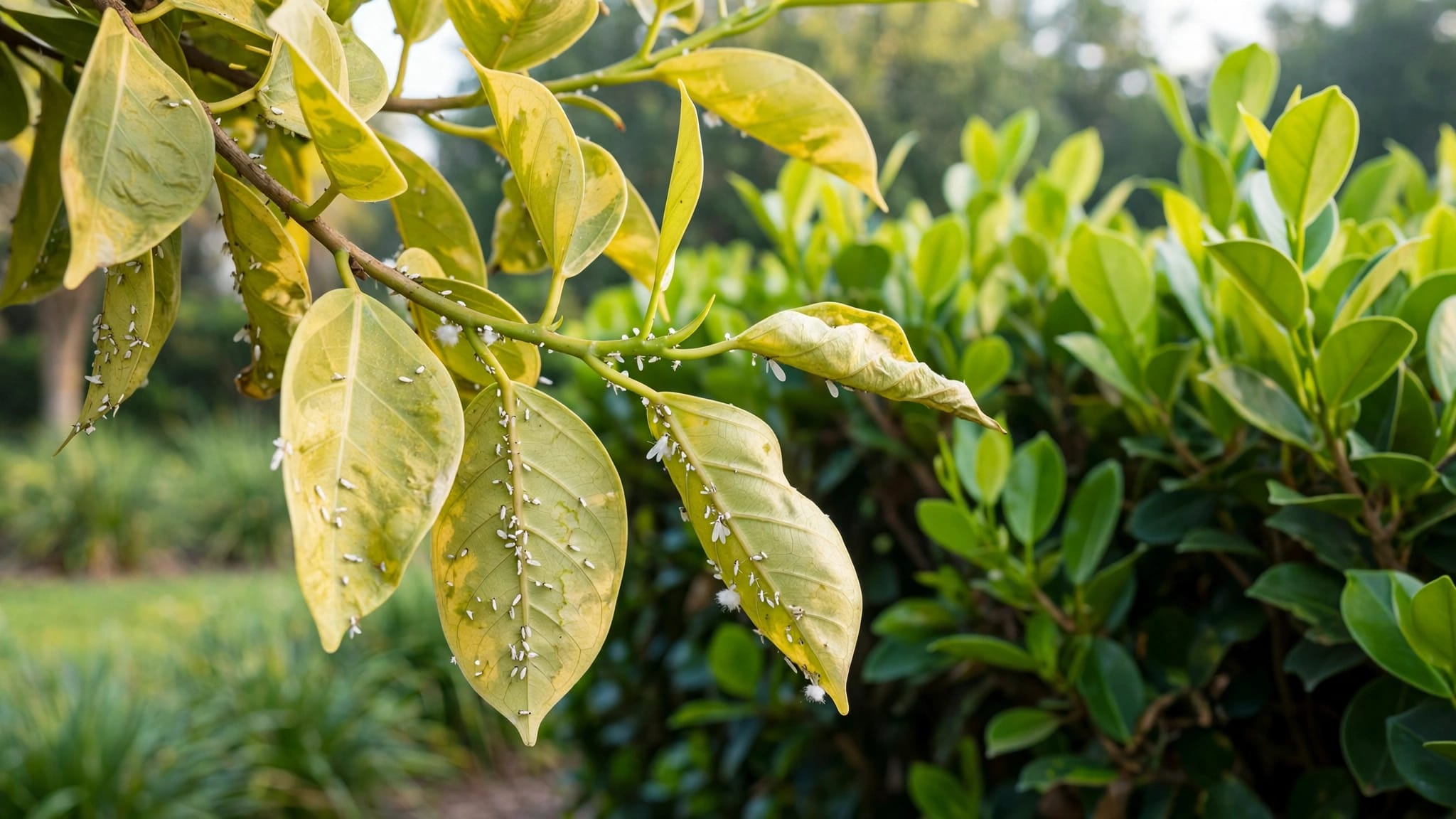
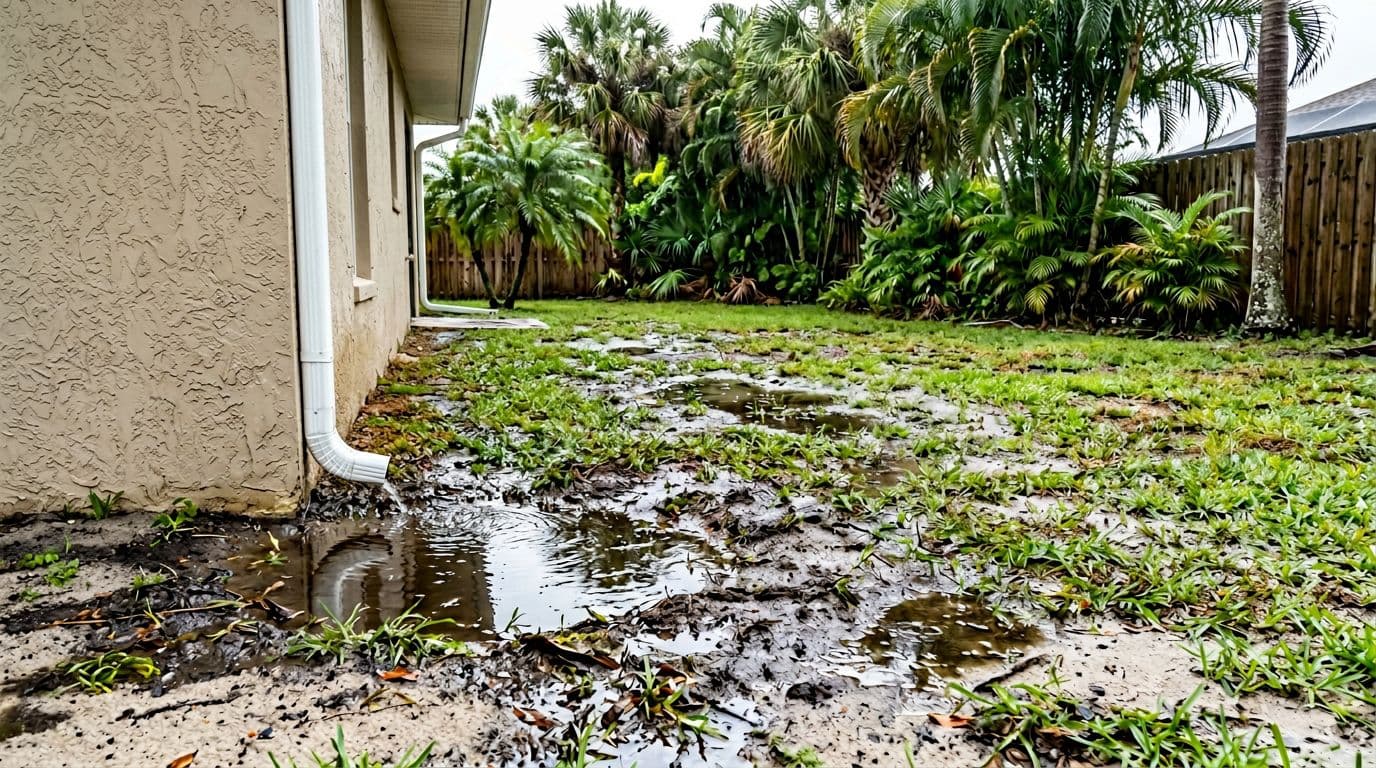 Standing water near a downspout in a typical Cape Coral side yard after heavy rain, created with AI.
Cape Coral gets intense rain bursts, even outside peak summer storms. In late February 2026, local thunderstorms left many yards saturated, and side yards are usually the first to show it. They're tight, shaded, and often flatter than the front yard.
Sand drains well, but it's not magic. Over time, fine sand and organic debris can form a thin "cap" that slows soaking. Some lots also have pockets of hardpan that act like a dinner plate under the grass. Then add a seasonal high water table , and water can't soak down because the ground is already full.
Downspouts make it worse because they concentrate gallons into one spot. That repeated dumping can carve a low bowl along the house line. Water then sits near the foundation, splashes onto walls, and keeps mulch beds soggy.
Standing water is also a mosquito factory. A small puddle that lasts a day after each storm can turn your side yard into the most annoying part of the property. If you've got St. Augustine grass, it may thin out in that wet shade, which makes mud even easier to form.
In other words, the side yard is like a narrow hallway. When a crowd rushes in (roof runoff), it jams up fast.
Start with a safe drainage plan (before you extend anything)
Before you install pipes or dig a trench, take five minutes and map the "legal" direction for water. In most Cape Coral neighborhoods, the safest target is a swale or a front yard area that naturally drains toward the street system, not sideways into a fence line.
Gotcha: Don't aim a downspout at the property line or under a fence. It can create disputes and can also wash out the neighbor's side.
A good plan follows three basic rules:
- Keep water away from the slab and stem wall. Try to discharge at least 8 to 10 feet from the house when space allows.
- Maintain positive drainage. A simple target grade is about 1/4 inch per foot sloping away from the home for the first several feet.
- Send water to a place that can handle it. "Daylight" to a swale, a front yard slope, or another approved drainage path.
A few safety notes matter in Florida:
Call 811 before you dig. Side yards hide irrigation lines, lighting wire, and utilities. Also, never tie a downspout into the sanitary sewer . That can cause backups and code issues. If you connect to any storm piping on the property, include a cleanout so you can clear sand and leaves later.
Finally, fix the easy stuff first. Clean gutters, check for clogs at elbows, and add a simple leaf screen if you have trees. Many "drainage failures" are just blocked downspouts that overflow right at the wall.
Downspout drainage fixes that work in Cape Coral side yards
The best option depends on space, slope, and how often the area floods. Here are three solutions that fit most homes, plus a next-step option when the yard stays wet.
Above-ground extension and splash block (fastest, lowest cost)
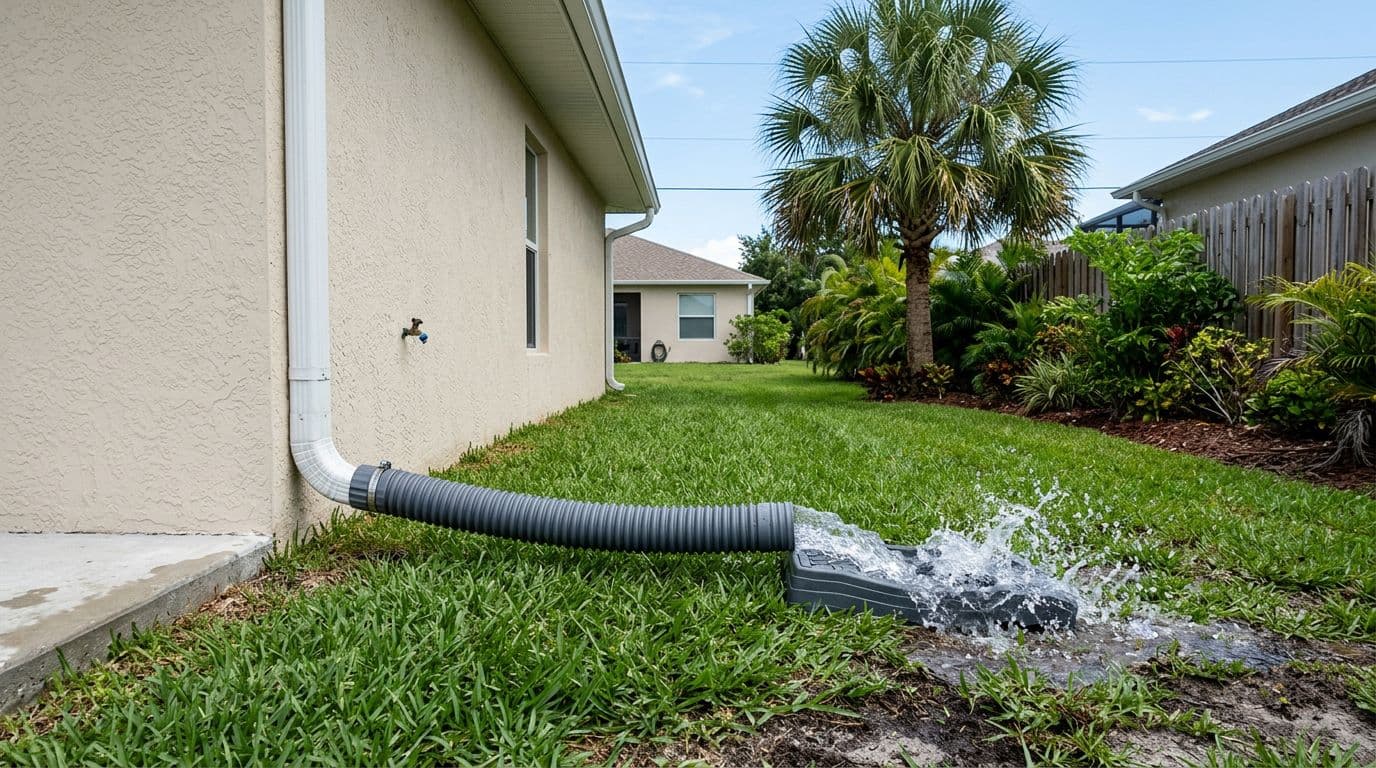 An above-ground extension moving roof runoff away from the house, created with AI.
If you need results this weekend, start here. A solid extension moves water away from the foundation and stops that constant dumping at the corner.
Place the outlet so it doesn't blow out a mulch bed. A splash block helps spread water on sandy soil and reduces erosion. This fix is also easy to adjust after a storm. If you see water running back toward the house, reposition it.
This is a great choice when you have a clear path to the front yard and you don't want trenching in a tight side yard.
Buried 4-inch solid pipe to daylight (clean look, strong performance)
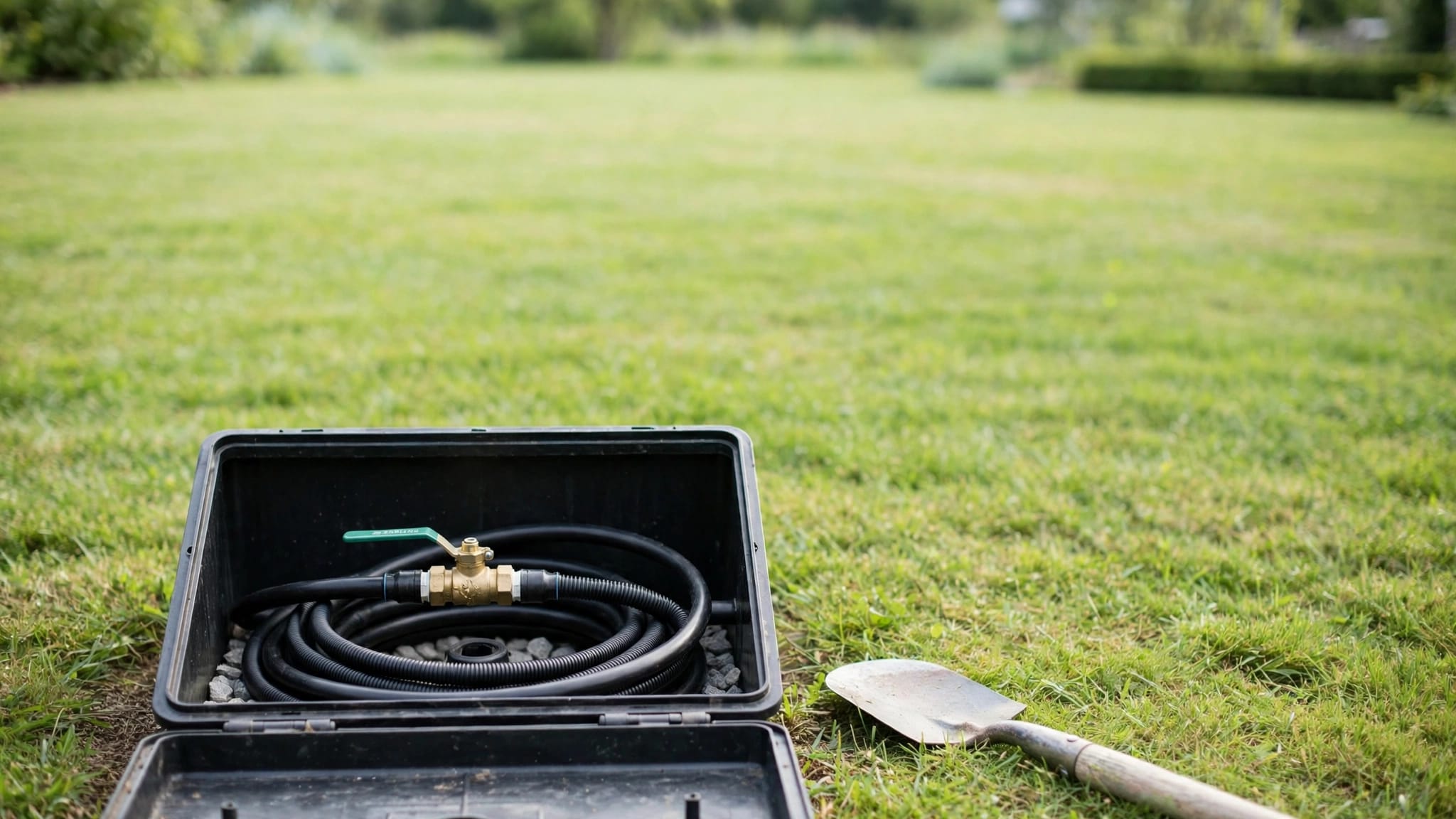
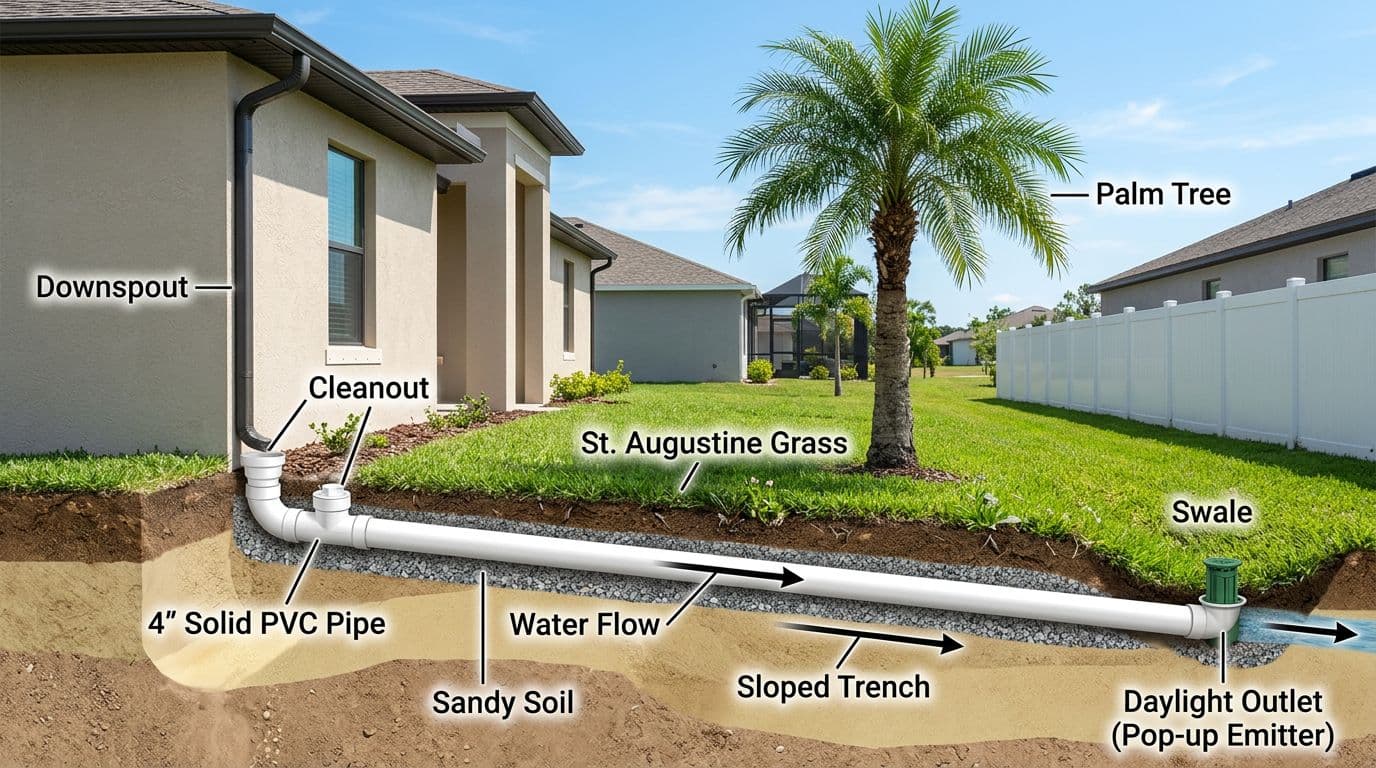 Buried solid pipe with a cleanout, sloped to daylight, created with AI.
When you want a long-term fix that stays out of sight, run a 4-inch solid pipe underground and discharge to daylight at a swale or another safe outlet. "Solid" matters because roof runoff carries grit, and you want it moving, not leaking along the foundation.
Keep the pipe sloped the whole way. In flat Cape Coral lots, tiny slope mistakes add up. A cleanout near the downspout is worth it because sandy soil and leaves can settle in elbows.
If your side yard includes beds, irrigation, or other landscaping features, this option protects them because the water is contained until it reaches the outlet.
For yards that also hold water between storms, pairing roof runoff control with an area drain system can help. A French drain can collect groundwater and move it out of the low spot. Learn what that involves on this page about French drains for soggy yards in Cape Coral.
Pop-up emitter discharge (good when you can't daylight to a swale)
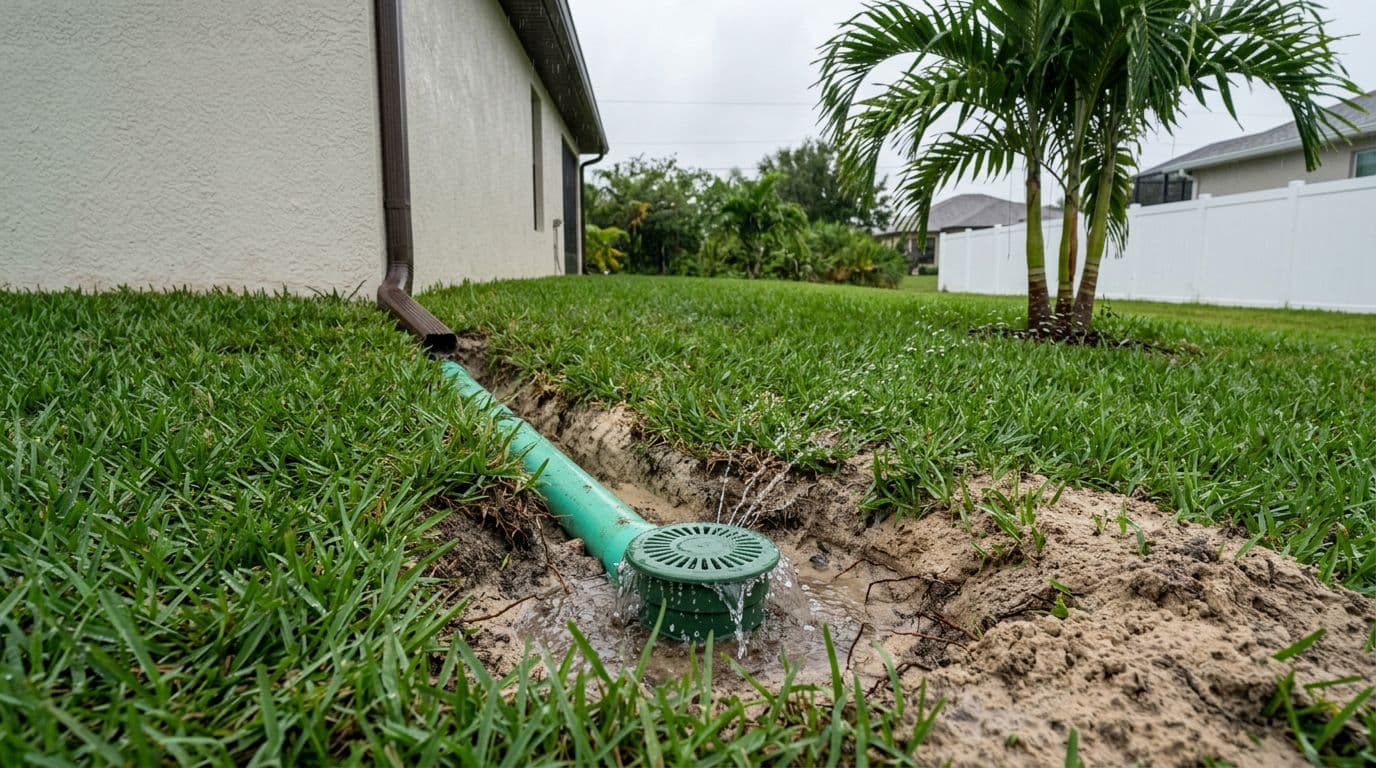 Pop-up emitter releasing water in the lawn away from the foundation, created with AI.
A pop-up emitter works well when you can't reach a swale without crossing hardscape or a narrow gate area. Water stays in the pipe, then pops out during heavy flow.
Place the emitter in a lawn area that drains away from the home. Avoid placing it in the lowest spot, or it can become a tiny fountain into a puddle. In a very flat yard, you might still need light grading so the discharged water runs toward the street side.
This setup also plays well with small side yards that use artifical turf . Turf stays cleaner when downspouts don't dump at the edge, but the base still needs a place for water to go.
DIY vs pro costs, timelines, and what can go wrong near hardscapes
Costs in Cape Coral depend on distance, digging access, and whether the water table is high that week. Sandy soil is easier to trench, but saturated sand can slump back in fast.
Here's a practical way to compare options:
| Fix type | Typical DIY cost | Typical pro cost | Time estimate | Best for |
|---|---|---|---|---|
| Above-ground extension/splash block | $30 to $120 | $150 to $400 | 30 to 90 minutes | Quick relief, easy reroutes |
| Buried solid pipe to daylight (10 to 40 ft) | $150 to $450 | $450 to $900 | 4 to 10 hours DIY, 1 day pro | Clean look, reliable discharge |
| Pop-up emitter (10 to 40 ft) | $180 to $500 | $500 to $1,000 | 1 day | No safe daylight outlet nearby |
| Add grading in low spot | $50 to $250 materials | $500 to $900 small area | Half day to 2 days | Helps water keep moving |
The biggest DIY mistakes are avoidable:
- No slope in the pipe , so it holds water and breeds mosquitoes.
- No cleanout , so a simple clog becomes a full redo.
- Bad discharge location , so water runs back toward the slab or over to the neighbor.
Hardscape adds another layer. If your soggy side yard borders a driveway, walkway, or patio, water can undermine bases and cause settling. That's when coordination matters with a concrete company , especially around slabs and joints. This guide on concrete driveway expansion joints explains why water and soil movement show up as cracks.
If runoff has already shifted pavers, don't ignore it. Resetting and stabilizing the base is often cheaper than repeated patch jobs. See typical pricing in paver repair costs in Cape Coral. After drainage work, many homeowners schedule paver cleaning to remove sand, stains, and storm residue, and to get the area looking finished again.
Conclusion
A soggy side yard in Cape Coral usually isn't "just the rain." It's roof water landing in the worst spot, on flat ground, with a high water table behind it. The right downspout drainage fixes move water to a safe outlet, keep it off the foundation, and stop the puddles that feed mosquitoes.
Pick the simplest solution that sends water where it should go, then upgrade to buried piping or a French drain if the yard still stays wet. Once the water has a clear path, the whole property feels easier to live with.