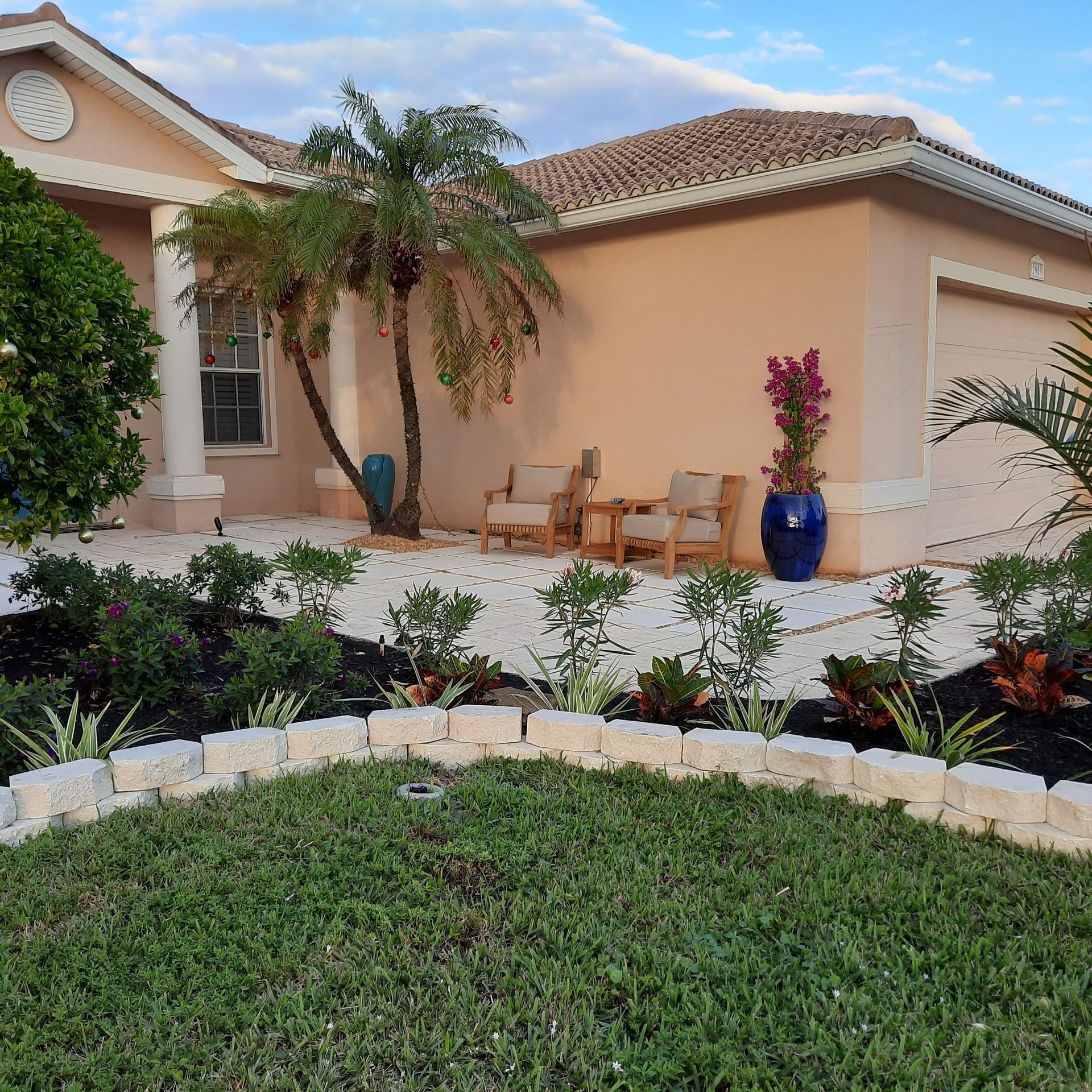



Aluminum vs Wood Pergolas for Cape Coral Backyards
Cape Coral sunshine makes an open-air patio inviting, but heat, humidity, heavy rain, and salt-filled air can challenge outdoor materials. When comparing aluminum vs wood pergolas , the right choice depends on more than appearance.
Aluminum usually offers easier long-term care, while wood brings natural warmth and easier style changes. Your patio surface, drainage, budget, and willingness to maintain the structure matter just as much. Start by looking at what Cape Coral conditions demand from a pergola.
Key Takeaways
- Aluminum resists rot and insect damage, but its finish and hardware still need care.
- Wood offers a warmer appearance and more customization, but it needs regular protection.
- Upfront cost doesn't show the entire financial picture. Include cleaning, staining, repairs, and replacement parts.
- A pergola should be planned with the patio, drainage, lighting, and planting beds.
- Confirm current local requirements and site-specific engineering with qualified professionals before construction.
What Cape Coral Weather Demands From a Pergola
A Cape Coral pergola must handle strong sun, high moisture, sudden rain, and seasonal storm conditions. The structure also needs a sound connection to its foundation or patio. Good materials cannot compensate for poor anchoring, weak footings, or water that collects around posts.
Salt air adds another concern, especially for homes near canals, the Caloosahatchee River, or the Gulf. Aluminum doesn't rust like steel, but salt and moisture can affect powder-coated finishes, screws, brackets, and other hardware over time. Wood faces a different set of problems, including swelling, fading, mildew, rot, and insect activity when moisture remains trapped.
The best pergola location also depends on the home's orientation. A structure beside a west-facing wall may need deeper shade because it receives intense afternoon sun. A pergola near a pool must work with splash water, deck drainage, screens, and access routes.
Your existing patio deserves attention before choosing a material. Cracks, settling, poor drainage, or a thin slab can affect the installation plan. If the project includes a new patio, a qualified concrete company can help determine whether the base suits the proposed structure. Local professionals can also review current permit requirements and any engineering needed for your property.
Comparing aluminum vs wood pergolas by total cost
The initial estimate is only one part of the decision. A lower purchase price can become less attractive when the structure requires frequent staining, repairs, or replacement components. A higher upfront investment may make sense if it reduces routine upkeep.
| Factor | Aluminum pergola | Wood pergola |
|---|---|---|
| Initial purchase | Often influenced by finish, size, roof style, and hardware | Influenced by wood species, design, joinery, and protective coating |
| Routine maintenance | Washing, inspections, and occasional finish or hardware care | Cleaning, sanding, staining, sealing, and repairs |
| Moisture concerns | No wood rot, but finishes and fasteners need inspection | Requires protection against moisture, mildew, insects, and rot |
| Appearance over time | Keeps a consistent manufactured look when maintained | Develops a natural patina but may fade or weather unevenly |
| Repairs | Damaged panels, brackets, or finishes may require matching parts | Individual boards can often be repaired or replaced |
| Design changes | Color and shape options depend on the product system | Easier to trim, stain, or customize during construction |
The total cost also includes site preparation. A pergola over pavers may need a different attachment method than one installed over a reinforced concrete slab. Moving irrigation lines, adding drainage, relocating plants, or running electrical service can affect the final estimate.
For a broader look at local project variables, review this Cape Coral patio cover cost guide. Use any published range as a starting point, not a guaranteed quote. Size, access, materials, foundation conditions, finish details, and site-specific engineering can change the price.
A useful comparison is simple: upfront cost pays for the structure, while lifetime cost pays for keeping it attractive and sound . Ask each contractor what maintenance the recommended material requires and which components may need replacement.
Aluminum Pergolas: Strength and Low Maintenance
Aluminum suits homeowners who want a clean appearance without recurring wood treatment. The material won't rot, warp, or attract termites in the same way untreated wood can. It also handles routine rain and sun exposure with less hands-on care when the finish and hardware are properly selected.
Most aluminum pergolas use a powder-coated finish. Color choices often include white, bronze, gray, and wood-look finishes, although available options vary by manufacturer. The finish can still scratch, chalk, or fade. Washing away salt and grime helps protect the surface, and damaged areas should be addressed before corrosion reaches exposed hardware.
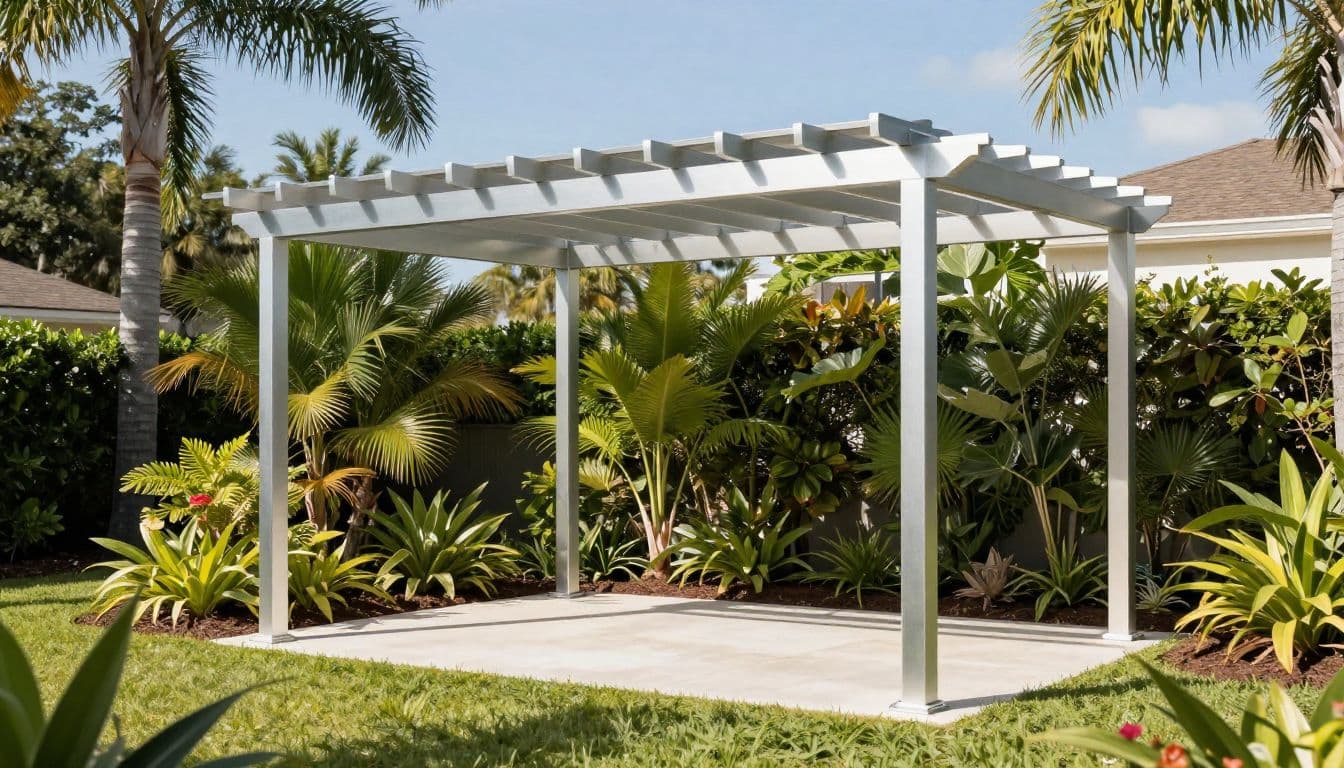
Aluminum also works well with modern homes, paver patios, outdoor kitchens, and simple planting beds. Its lighter construction can simplify handling during installation, but weight alone doesn't determine storm performance. The design, connections, foundation, and site conditions all matter.
Choose aluminum when your priority is predictable upkeep and a crisp architectural style. It may be the better fit for a second home, a rental property, or a homeowner who doesn't want seasonal staining on the maintenance calendar. Before ordering, ask how the product handles salt exposure and whether replacement hardware remains available.
Wood Pergolas: Natural Character and Custom Design
Wood creates a softer, more traditional look that blends easily with tropical landscaping. Its grain, color, and substantial posts can make a patio feel more connected to the surrounding yard. Wood also gives a builder more freedom to adjust beam sizes, trim, shade patterns, and decorative details during construction.
That appearance comes with a maintenance obligation. Florida's moisture and sunlight can break down protective coatings, while standing water can damage end cuts and post connections. Regular inspection helps identify peeling finish, mildew, cracks, soft spots, and loose fasteners before a small repair becomes structural work.
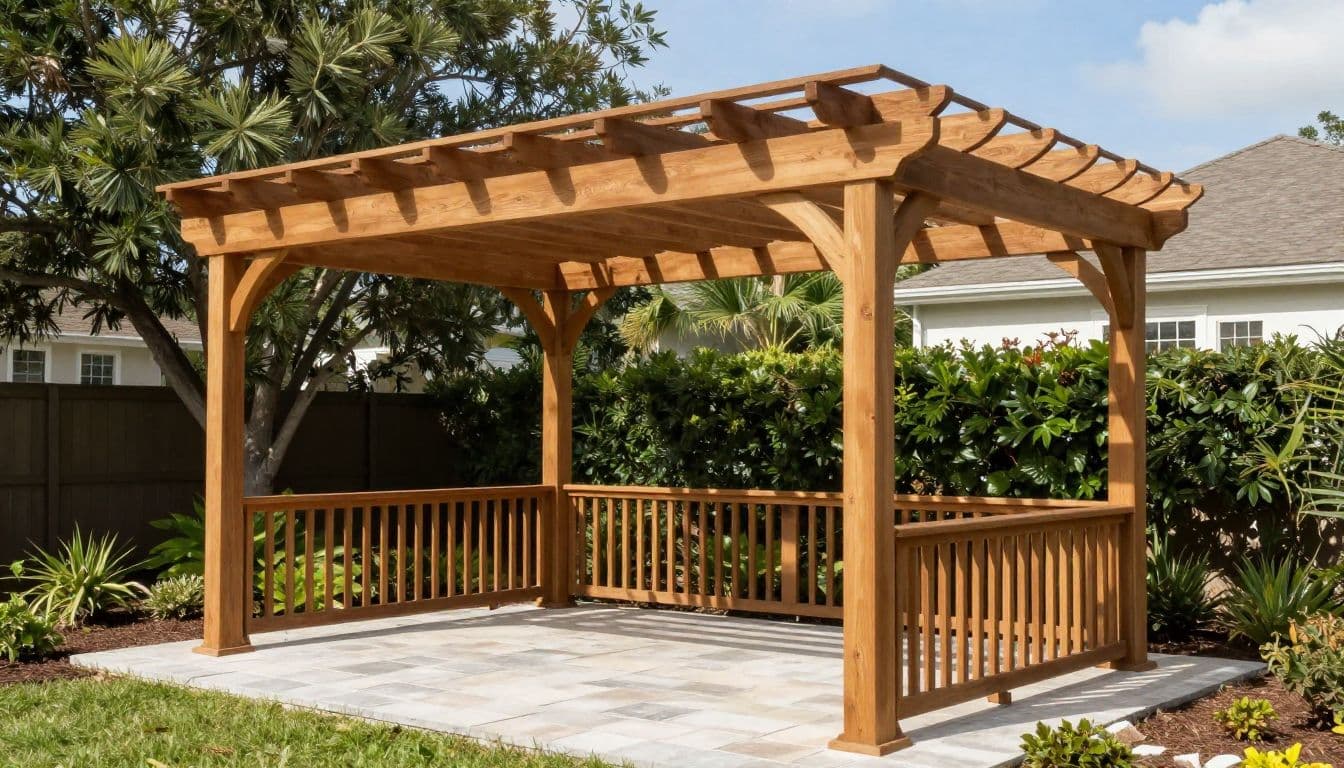
Wood species and treatment affect performance, but no species removes the need for maintenance. A coating must match the product and the exposure. The installer should also protect cut ends, keep posts away from persistent moisture, and use hardware suited to the environment.
Wood can make sense when design character matters more than minimal upkeep. It also fits homeowners who already maintain a wood deck, fence, or shutters. If you prefer a weathered appearance, you may accept gradual color changes. If you want the original color to remain consistent, plan for more frequent cleaning and refinishing.
In the aluminum vs wood pergolas decision, wood usually asks more from the owner after installation. That doesn't make it a poor choice. It means the purchase should include a realistic maintenance plan.
Coordinate the Pergola With Your Patio and Landscaping
A pergola should look like part of the backyard, not an object placed on top of it. Start with the walking path from the house, the location of doors, and the amount of shade needed at different times of day. Leave practical space around posts for furniture, grilling, pool traffic, and maintenance access.
The patio surface affects both appearance and construction. Pavers create a flexible design with many color and pattern choices, but the base, edge restraint, and drainage still need attention. Concrete provides a clean foundation, yet a new or existing slab must suit the attachment plan.
Plan plantings after you establish the structure's footprint. Vines may add shade, but they also add weight and moisture around beams. Keep large roots, irrigation spray, and dense foliage away from areas that need regular inspection.
A complete outdoor upgrade may also include sod or artificial turf, low-voltage lighting, drainage, mulch, or stone. These elements should follow a sensible installation sequence. This guide to Cape Coral backyard planning covers how patios, planting, drainage, and related improvements can fit together.
Hardscape maintenance matters after construction. Paver cleaning removes dirt and organic buildup, while sealing may help protect the color and joints when the surface and product are suitable. Nearby artificial turf also needs a plan for rinsing, debris removal, and drainage so the pergola area stays comfortable and clean.
Questions to Ask Before Choosing a Pergola Material
A local contractor should discuss the full site, not only the pergola kit or lumber package. Bring these questions to the consultation:
- How will the posts connect to the existing patio or new foundation?
- Does the location require additional footings, reinforcement, or drainage work?
- Which finishes and fasteners suit Cape Coral's moisture and salt exposure?
- What maintenance should the material receive during the first year?
- Can damaged parts, boards, brackets, or finish materials be replaced later?
- Will the structure affect doors, screens, utility lines, irrigation, or pool access?
- What current permits, approvals, and engineering documents apply to this property?
A professional should inspect the site before giving a final price. Ask for separate costs for demolition, foundation work, electrical service, lighting, landscaping, and surface repairs. That breakdown makes it easier to compare two proposals that appear similar at first glance.
For the surrounding yard, a design consultation can also help set priorities. The cost of Cape Coral landscape design depends on the lot, materials, drainage needs, planting plan, and project complexity. Planning these pieces together can prevent rework after the pergola is installed.
Confirm current local requirements with the City of Cape Coral or a qualified local contractor. Wind-related design, setbacks, permits, and attachment details can vary by structure and property. Site-specific engineering is the reliable way to address those questions.
Conclusion
The better choice between aluminum vs wood pergolas depends on how you use your backyard and how much maintenance you want to handle. Aluminum offers steady upkeep and a modern finish. Wood provides natural warmth and flexible customization, but it needs regular protection in Cape Coral's climate.
Compare the complete project instead of the material price alone. Include the foundation, patio, drainage, landscaping, maintenance, and future repairs in your decision. A well-planned pergola should provide shade and comfort without creating a new source of avoidable work.