


Why Sprinkler Heads Sink Below Sod in Cape Coral
A sprinkler head can disappear below your grass long before the irrigation system stops running. Sprinkler heads sinking below sod is common in Cape Coral yards, where loose fill soil, heavy rain, settling ground, and frequent lawn work can slowly change the finished grade.
Once a head sits too low, the turf blocks its spray. Water reaches fewer areas, dry spots appear, and lawn equipment may strike the fitting. Finding the cause early can prevent a small adjustment from becoming a larger irrigation repair.
Key Takeaways
- Cape Coral soil can settle around sprinkler heads after installation, rain, irrigation, or excavation.
- Low heads create blocked spray patterns, uneven watering, and dry patches.
- Mower wheels and trimming equipment can damage heads that sit below the turf line.
- Proper repairs require checking the riser, swing pipe, fitting, drainage, and surrounding grade.
- New sod, pavers, concrete, or other landscaping work can change sprinkler height.
Why Sprinkler Heads Sink in Cape Coral Lawns
The most common reason is soil settlement . When a sprinkler system is installed, workers disturb the soil around each head. Loose soil contains air pockets, and those pockets collapse as rain and irrigation water move through the ground. The head stays connected to the pipe, but the soil around it drops.
Cape Coral properties may also have areas built with imported fill. The ground can settle at different rates, especially near new construction, trench lines, driveways, patios, and drainage work. A sprinkler head installed at the correct height can end up several inches below the finished lawn after the surrounding soil compresses.
Heavy rainfall adds another source of movement. Water can wash fine soil away from the head or carry it into low areas. Poor drainage may also leave the ground soft, allowing mower tires, foot traffic, or lawn equipment to press the fitting deeper.
Roots can affect the surrounding grade as well. When nearby plants grow, their roots may lift some sections while other areas settle. A head beside a planting bed may appear low because the lawn edge changed, even though the irrigation pipe itself has not moved.
In other cases, the head was installed too low from the start. Installers sometimes leave the top just below grade to protect it from mower blades. However, too much clearance allows grass, thatch, and soil to cover the nozzle. The head should sit close to the finished soil level while remaining stable and accessible.
How Low Sprinkler Heads Affect Water Coverage
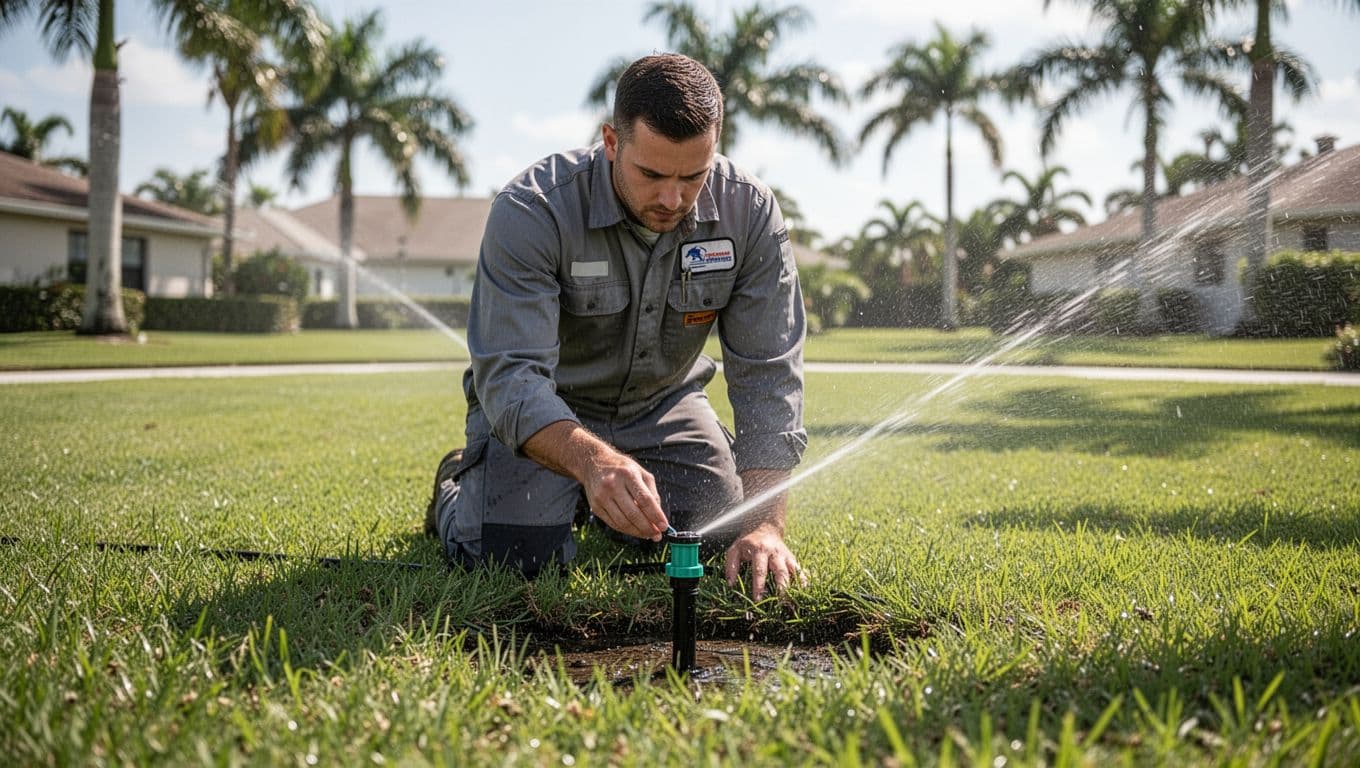
A pop-up sprinkler needs a clear path above the grass. When the body sits below the sod, the rising stem may not extend high enough to clear the blades. Grass then catches the water and bends the spray toward the ground near the head.
That creates a blocked spray pattern. The sprinkler may still appear to operate, but its water cannot travel to the intended distance. Areas at the far edge of the spray receive too little water, while the soil close to the head may become saturated.
Uneven watering often shows up as irregular brown or pale patches. You may notice dry strips along a walkway, a corner that stays green, or turf that looks stressed even though the zone runs on schedule. These symptoms can also come from clogged nozzles, damaged valves, poor pressure, or incorrect controller settings. A low head is one possible cause, so the full zone needs inspection.
Sprinklers depend on overlapping coverage. Each head should throw water toward nearby heads so the lawn receives consistent moisture. When one head sinks, that overlap disappears. The result can look like a turf problem when the real issue is the irrigation layout at ground level.
Low heads can also flood a small area. If grass blocks the nozzle, water falls in one concentrated spot. Over time, that wet soil may soften and settle further, which pushes the head even lower. This cycle can turn a minor height issue into repeated coverage trouble.
A sprinkler head can run for its full scheduled time and still leave part of the lawn dry when the turf blocks its arc.
Lawn Equipment Can Damage a Sunken Head
Mowers are designed to pass over level turf, not excavated sprinkler fittings. A head that sits below the grass may escape the blade but still take pressure from the mower deck, wheel, or roller. Repeated contact can crack the body, loosen the connection, or push the head farther into the soil.
String trimmers create a different risk. When grass hides the head, the operator may not see it while edging or trimming. The line can cut the cap or damage the pop-up stem. A broken nozzle changes the spray pattern and may send water onto a sidewalk, wall, or window.
Soil and debris create additional wear. When a head remains low, dirt can enter around the stem. The pop-up mechanism may begin sticking, retract slowly, or fail to rise. A nozzle can also clog with sand and organic material, reducing the flow through that head.
Signs of equipment damage include:
- A cracked or tilted sprinkler body
- Water spraying sideways from the base
- A head that rises only partway
- A missing nozzle or cap
- A head that leaks after the zone shuts off
- A new wet area beside an otherwise dry lawn
Don't pull a low head upward by force. The fitting may connect to flexible swing pipe, rigid PVC, or a threaded riser. Pulling without exposing the connection can break the pipe below the surface and create a hidden leak.
The Right Repair Depends on the Cause
A simple height correction may solve the problem when the pipe and fitting remain intact. A technician usually exposes the head, checks the connection, removes compacted soil, and resets the body at the correct level. The surrounding soil needs firm backfill so the head doesn't settle again after the next storm.
A broken riser or fitting needs replacement. The repair may involve digging farther around the head to find the damaged section. If the flexible pipe has kinked or pulled tight, the technician may reposition it or install a suitable connection that gives the head room to move with the soil.
Sometimes the head is low because the grade changed around it. Adding a small amount of soil may help, but covering the head with mulch or topsoil can create another blockage. The finished height must match the final surface, including any planned sod, mulch, stone, or pavers.
The nozzle should also match the zone. Replacing a damaged nozzle with the wrong type can create poor coverage even after the head is raised. Spray distance, arc, flow rate, and pressure all affect how the head works with its neighbors.
If several heads along one trench have sunk, the issue may involve broader soil settlement. Raising each head separately could provide a temporary fix while the pipe remains under stress. A complete inspection can identify whether the trench, grade, or drainage pattern needs attention.
Cape Coral homeowners can also review irrigation repair cost in Cape Coral before scheduling work. Repair cost depends on access, damaged parts, the number of heads, and whether the problem affects one zone or the entire system.
What Homeowners Can Check Before Calling
Start with a visual inspection while the system is off. Walk the lawn and look for heads that sit below the grass, lean to one side, or disappear under thatch. Mark each location with a small flag or another temporary marker that won't damage the mower.
Next, run one zone at a time. Watch whether each head rises fully and returns to its case after the water shuts off. Look for water bubbling around the base, a weak stream, misting, or a spray arc that stops against the grass.
Avoid digging deeply near an unknown irrigation line. If you need to clear grass from the top of a head, use a hand tool and work slowly. Don't use a shovel to pry the body upward, and don't cut the turf until you know where the pipe connects.
Record the affected zones and symptoms. For example, note whether only one head is low, whether several heads share a straight line, or whether a dry patch appears beyond a specific sprinkler. These details help a technician find the cause faster.
You can also check the controller schedule, but changing run time won't repair blocked coverage. Extra watering may leave the nearby soil wet while the dry area remains under-watered. Correcting the head position and spray pattern is more effective than adding minutes to the program.
If the lawn recently received new sod, make sure the installer accounted for the added soil layer and turf thickness. Sod can raise the surface enough to bury existing heads. A fresh grade after drainage, patio, or driveway work can create the same problem.
Preventing Sunken Heads During Yard Improvements
Irrigation work should happen before final grading and before new sod goes down. When a contractor adjusts the soil after installing the heads, the finished elevation can change. A final height check after the surface is complete prevents many callbacks.
This matters during projects that involve a concrete company , paver installer, drainage crew, or landscaping contractor. New slabs and walkways can alter water flow and create runoff toward the lawn. Trenches for sleeves, lighting, or drainage can also cross irrigation lines and leave disturbed soil that settles later.
Tell each contractor where the irrigation lines and heads are located. Before pouring concrete or setting pavers, confirm that sleeves protect lines crossing the work area. This avoids cutting into buried pipe and makes future repairs easier.
Paver work requires special care around adjacent spray heads. A head beside a new patio should sit at the finished grade, not at the old soil level. Schedule irrigation adjustments before paver cleaning and sealing services when possible. Digging after joint sand or sealer is fresh can disturb the finished surface.
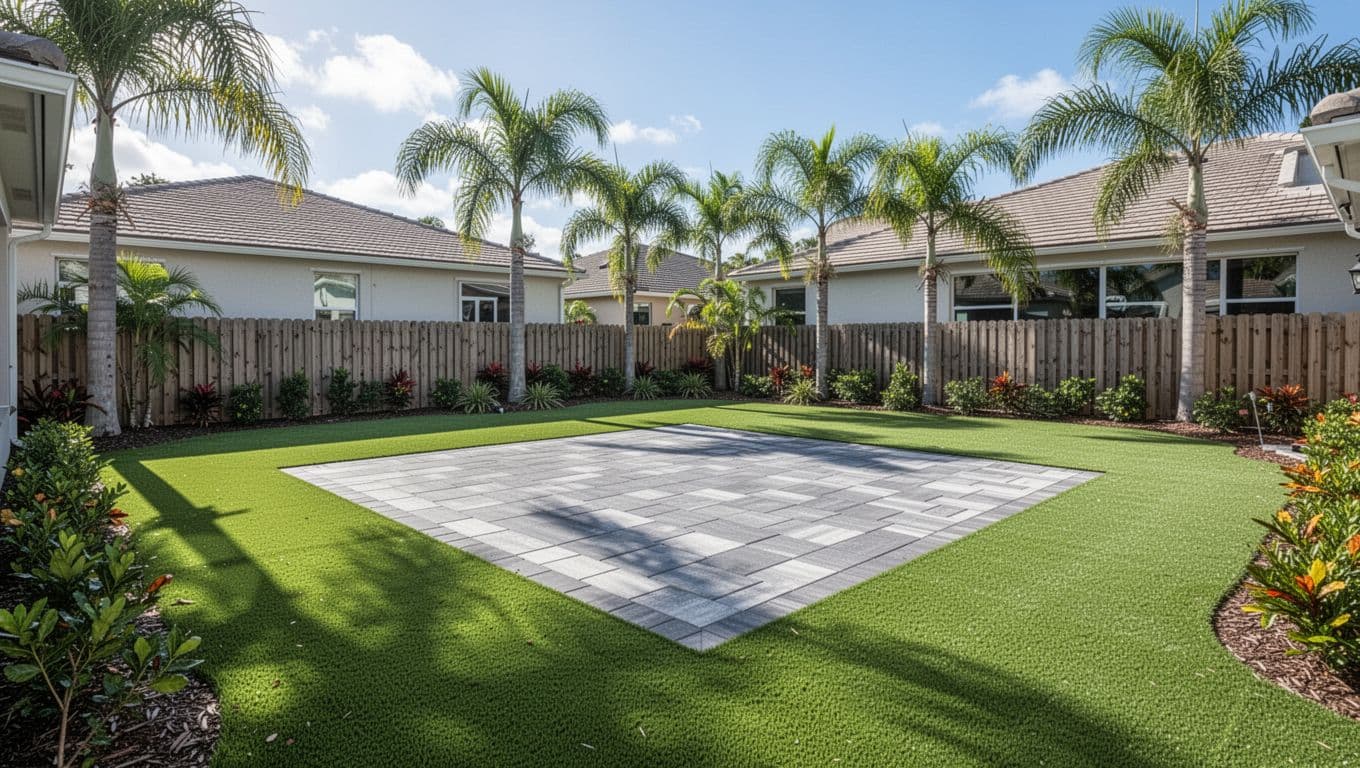
Homeowners replacing grass with artifical turf should review the irrigation plan before removing sod. Some zones may no longer need the same spray coverage, while nearby planting beds still require water. Capping or relocating unneeded heads should be done correctly rather than burying them under the new surface.
Regular inspection helps as well. Check sprinkler height when you mow, after major storms, and following any digging or grading. Keep grass trimmed around the cap without cutting into the fitting. Remove leaves and soil that collect around the body.
When to Schedule Irrigation Repair
Call for service when a head stays low after you clear the surrounding grass, leaks from its base, or fails to rise. Professional help also makes sense when multiple heads sink, a zone develops dry spots, or the system runs with weak pressure.
A technician can test the zone, inspect the head and underground connection, and compare spray coverage with nearby heads. That process separates a height problem from a valve, pressure, nozzle, or pipe issue.
Prompt repair protects more than the sprinkler. Consistent watering helps the sod recover, reduces wasted water, and limits soft soil around the fitting. It also lowers the chance that a mower or trimmer will turn a small adjustment into a broken line.
Conclusion
Sprinkler heads sink below Cape Coral sod because soil settles, grades change, water moves through loose fill, and lawn equipment presses on unstable fittings. Once a head drops, grass can block the spray and create dry spots, uneven watering, and damage at the connection.
The lasting fix is to inspect the entire head, reset it to the finished grade, repair damaged parts, and test the zone afterward. If your lawn looks dry even though the controller runs normally, check the sprinkler height before increasing the watering schedule. Sprinkler heads sinking is often a small repair with a noticeable effect on the whole yard.