


Why Sprinkler Heads Drain After a Zone Shuts Off
A small splash or short trickle after a sprinkler zone stops can be normal. Sprinkler head drainage becomes a concern when water keeps flowing, the area stays wet between cycles, or the discharge causes pooling near a home or hardscape.
The difference matters: brief leftover water may need monitoring, while ongoing flow can point to a valve, pipe, or head problem. Start by watching what happens after the controller ends the zone.
Key Takeaways
- A brief discharge that stops on its own can be residual water leaving the sprinkler system.
- Water that continues to run, returns between cycles, or creates a persistently soggy spot needs investigation.
- Run the affected zone and watch the heads, then check the area again after shutoff.
- A check valve may help when drainage repeatedly comes from a low head, but a professional should assess the head and zone first.
- Shut off irrigation if water keeps flowing. Avoid digging near buried lines or unmarked utilities.
Understanding sprinkler head drainage after shutoff
When a zone stops, water already in its pipes and sprinkler bodies can still escape through a head. The amount and duration vary with the system layout and the head's position. A low head on a slope may be where the discharge becomes easiest to see.
A short release that ends is different from a valve continuing to supply water. The first is limited to water already in the system. The second can keep replenishing the flow after the controller has stopped the zone.
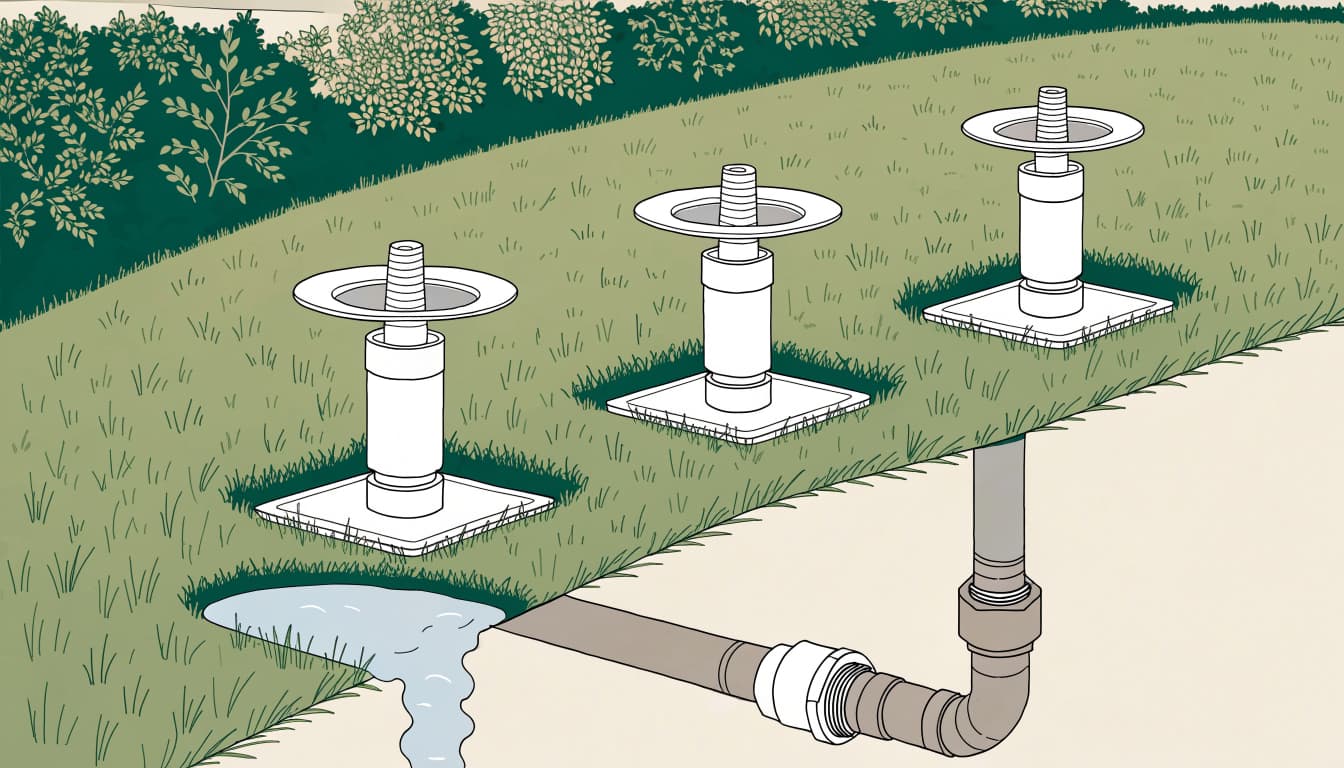
Why the lowest head may show it first
On a sloped lawn, the sprinkler at the lowest point may release more visible water than the others. That doesn't prove the head is broken. Note whether the flow comes from one head, how long it lasts, and whether it stops fully.
When the discharge is brief
A small amount of water that fades shortly after shutoff, with no continuing wet patch, is less concerning than a steady stream. Keep track of whether the pattern changes. A larger amount, longer discharge, or new pooling deserves a closer look.
Normal drainage and ongoing flow are not the same
Watch the zone while it runs, then stay nearby after it shuts off. A short discharge should taper away. If water keeps emerging or the soil remains soft between scheduled cycles, treat it as a possible system issue rather than routine drainage.
Signs of residual water
The flow appears right after the zone stops, comes from a low head, and ends without restarting. Nearby sprinklers aren't still spraying, and the ground doesn't keep getting wetter. Repeatedly seeing the same limited pattern helps distinguish it from a new leak.
Signs that water is still being supplied
A head continues spraying, a steady trickle returns, or one area stays wet while the rest of the yard dries. Bubbling soil, a sudden pressure change, or water moving when every zone is off also calls for attention. Common signs of irrigation leaks can help you recognize symptoms that go beyond a brief post-cycle release.
Practical checks you can make safely
Start with observation instead of digging. A controller display shows the programmed schedule, but it can't show whether a head is leaking or a valve has failed.
Run the affected zone and watch
Run one zone at a time. Note which heads spray, whether they rise fully, and whether water bubbles around a base or pools nearby. When the zone ends, watch the same heads for a few minutes and record whether the flow stops.
Check the controller for overlapping programs or an unexpected start time. If other zones operate normally but one area continues to run, the problem may be localized to that zone.
Look for visible clues, then stop if needed
Inspect head bodies and accessible valve boxes for cracks, damage, or standing water. Don't pry up a head, open electrical components, or probe the ground with a shovel. Irrigation lines and utility wires may be buried close to the surface.
If water continues after shutoff, turn off the irrigation supply if you can do so safely. Keep people away from soft ground near electrical equipment, and note the location and affected zone for a technician.
When a check valve may be needed
A check valve may be worth assessing when brief drainage repeatedly comes from a low sprinkler head, especially on a slope. Some sprinkler heads include check-valve features, while other systems may need a compatible part added or a faulty component repaired.
A check valve isn't a fix for every kind of discharge. If a valve keeps feeding the zone or a pipe is damaged, the underlying fault needs attention first.
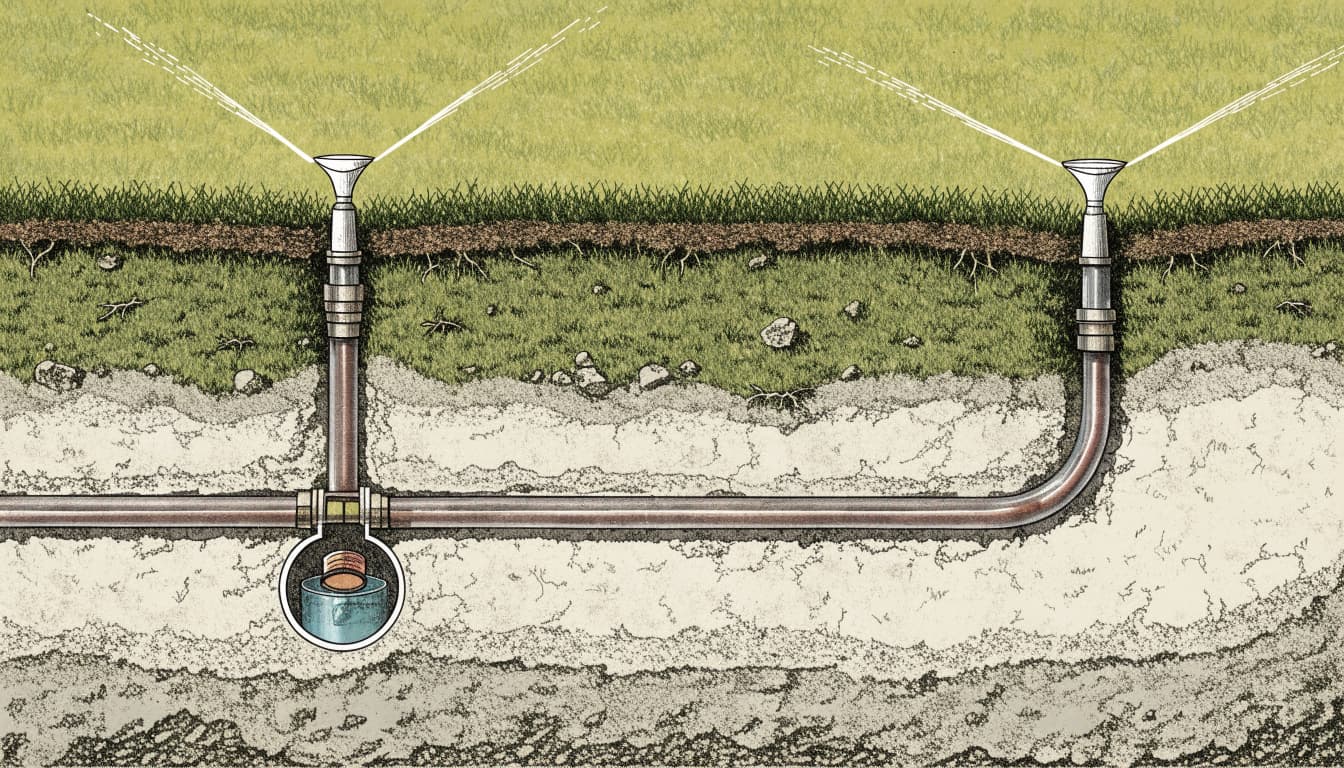
What an irrigation professional can assess
A technician can identify the low head, inspect its model and condition, and evaluate whether a check valve is appropriate. They can also test the zone valve and pressure, which helps separate ordinary drainage from water that continues to enter the line.
When a check valve alone won't solve it
If several heads keep running after the timer stops, or a wet spot forms away from the lowest head, the source may be a valve or pipe issue. Replacing a head without diagnosing the supply can leave the water loss unchanged.
Protect landscaping, concrete, and pavers
Persistent water can soften soil around a head and wash soil from beneath nearby surfaces. If a wet spot is close to a patio, walkway, driveway, or foundation, address the water source before repairing the surface. Otherwise, settling can recur after concrete or pavers are restored.
Before new landscaping, irrigation repairs, or an artificial turf installation, mark known sprinkler lines and valve boxes. If a concrete company is preparing a patio or walkway, coordinate pipe routes and sleeves before the pour. Finish paver cleaning or sealing after excavation and irrigation repairs, so the work doesn't have to be repeated.
When to call an irrigation professional
Call for help when water continues after the controller ends the zone, the ground stays wet between cycles, or the issue appears in more than one area. A valve that won't close, a buried leak, falling pressure, or suspected wiring trouble also needs proper diagnosis. Sprinkler valves that won't shut off can cause a zone to keep running after its command ends.
A professional can test the valve, inspect the head and pipe connections, and determine whether a check valve is appropriate. At Outdoor Life Pros, we provide irrigation repair for homes in Southwest Florida. Getting the water source identified before landscaping or hardscape repairs helps protect the finished work.
Frequently Asked Questions
How long should a sprinkler head drain after shutoff?
There isn't one fixed duration for every system. A small discharge that stops on its own is different from a steady trickle or repeated flow. If it lasts longer than usual or leaves persistent wet soil, watch the zone and arrange an inspection.
Should I replace the sprinkler head?
Not based on drainage alone. The head may be damaged, but water could also come from a valve or pipe. Observe the zone and check for visible cracks or pooling before deciding what needs repair.
Can a check valve stop the drainage?
It may help when a low head repeatedly releases water after shutoff. The right solution depends on the head and system. If water continues to flow or the ground remains wet, have the zone checked for a separate fault.
Keep brief drainage from becoming water damage
A short release after a zone shuts off can be residual water. Ongoing flow, recurring wet soil, or pooling points to a problem worth diagnosing. Watch the affected head, record what happens, and avoid digging until you know where the lines run.
When drainage repeats at a low head, ask a qualified irrigation professional to assess whether a check valve or another repair fits the system. Fix the water source before restoring nearby landscaping, concrete, or pavers.