


Irrigation Leak Signs Cape Coral Homeowners Should Know
A hidden irrigation leak can waste water for weeks before your lawn shows obvious damage. In Cape Coral, sandy soil, flat yards, intense heat, and buried irrigation lines can make a problem easy to miss.
The first clues may be a wet patch, a weak sprinkler, or an unexplained water bill. Knowing the common irrigation leak signs in Cape Coral helps you protect your lawn, avoid soil erosion, and schedule repairs before a small break affects nearby concrete or pavers.
Key Takeaways
- Wet spots, unusually green grass, and weak sprinkler pressure can point to a buried irrigation leak.
- A rising water bill or moving meter can reveal a leak that isn't visible above ground.
- Excess water near a slab, walkway, or paver area can cause erosion, settling, stains, and plant damage.
- Shut off the irrigation system before testing it, then schedule a professional inspection if the meter still moves or the leak location remains unclear.
- Prompt irrigation repair often costs less than replacing damaged landscaping, concrete, or turf.
Wet Spots and Other Visible Yard Warning Signs
The most recognizable warning sign is a patch of wet soil that remains after the irrigation cycle ends. If the rest of your yard dries normally but one area stays soft, muddy, or glossy, water may be escaping below the surface.
Walk the property several hours after irrigation runs. Check along sprinkler lines, valve boxes, planting beds, and the edges of driveways. A broken lateral line can release water under grass or mulch without creating a large puddle right away.
Unusually green grass also deserves attention. A narrow, bright-green strip may follow the path of a buried pipe. Grass grows faster where it receives extra water, even when the surrounding lawn needs irrigation. You may notice the strip after mowing because it becomes taller or thicker than nearby turf.
Other visible clues include:
- Mud, algae, or moss around a sprinkler head
- Soil that sinks or feels spongy underfoot
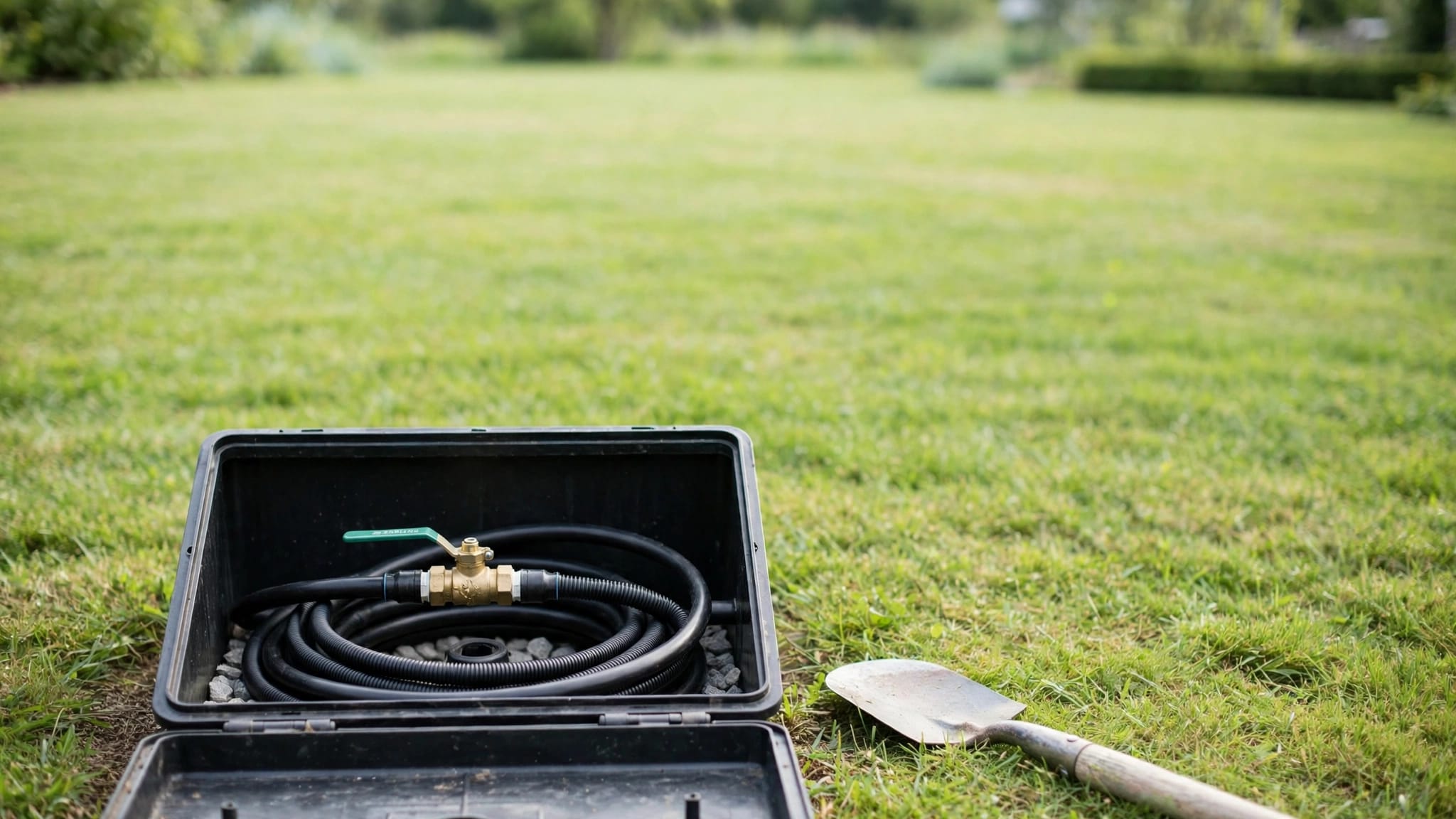
- Water bubbling from a valve box
- Small channels forming across mulch or sand
- Plants leaning, yellowing, or developing root problems
- A sprinkler head that sprays weakly or fails to pop up
A damaged sprinkler head usually affects one small area. A cracked mainline or lateral pipe can create broader wetness, lower pressure, or water movement underground. The difference matters because replacing a head won't correct a leak farther down the line.
Also watch areas near sidewalks, pool decks, driveways, and patios. Water escaping beneath these surfaces can wash away supporting soil. Over time, the surface may settle or develop a low spot.
Water Bills, Pressure Changes, and Silent System Clues
Some irrigation leaks never appear as standing water. Instead, they show up through the system's performance or your monthly water use.
Compare recent bills with the same season last year. Cape Coral's heat can increase irrigation demand, so a higher bill doesn't prove a leak by itself. However, a sudden increase without a schedule change, new sod, or extended dry weather deserves a closer look.
Low sprinkler pressure is another common clue. Several heads may spray weakly, fail to rotate, or cover less area than before. A clogged nozzle can cause one weak head, but a pressure drop across an entire zone may point to a leaking pipe, faulty valve, damaged backflow device, or pump problem.
You can perform a basic meter test:
- Turn off the irrigation controller and wait until all sprinklers stop.
- Turn off indoor and outdoor faucets, washing machines, and other water fixtures.
- Check the water meter, then wait 15 to 30 minutes.
- Look for movement on the meter's leak indicator or read the number again.
If the meter moves while all water use is off, another plumbing fixture may be leaking. If your irrigation system has a separate meter, test that meter as well. A licensed plumber can help distinguish a household plumbing issue from an irrigation problem.
A valve that keeps running after a zone shuts off is a strong warning sign. The controller may have a wiring fault, but the valve itself could have debris, a damaged diaphragm, or an electrical problem. Reprogramming the timer won't repair a leaking valve or broken underground pipe.
A sprinkler system shouldn't continue draining after its cycle ends. If water keeps flowing, shut off the irrigation supply and arrange an inspection.
Why Cape Coral Irrigation Leaks Can Damage More Than Grass
Cape Coral yards often depend on irrigation to keep turf, palms, shrubs, and planting beds healthy through hot, dry periods. That same sandy soil allows water to move quickly below the surface. A leak can travel away from its source before the ground looks saturated.
This movement makes buried leaks difficult to locate by sight. Water may collect beside a foundation, under a walkway, or near a driveway instead of directly above the broken pipe. Continuous moisture can also weaken the soil that supports hard surfaces.
Watch for these changes around the property:
- A walkway or paver edge begins to dip
- A driveway develops a soft shoulder or narrow depression
- Pool-deck soil washes toward a drain or low area
- Concrete develops staining near an irrigation route
- Mulch repeatedly floats or gathers after short watering cycles
- Soil pulls away from a slab or settles beside a wall
Irrigation water doesn't automatically cause foundation damage, but a persistent leak near a slab can saturate or erode supporting soil. The risk increases when water has no clear drainage path. A concrete company may need to repair a settled walkway or driveway after the irrigation problem is corrected, but surface work should come after the source of the water is found.
The same rule applies to landscaping. Replacing sod, mulch, or plants before repairing the line often leads to repeated damage. Even artificial turf, sometimes misspelled online as "artifical turf," won't solve a leaking pipe beneath the installation.
A Simple Homeowner Checklist Before Calling for Help
A short inspection can help you document the problem without disturbing buried lines. Walk the yard when the system is off, then observe one irrigation cycle if conditions are safe.
Look for wet soil, unusual growth, erosion, and standing water around valve boxes. Listen for hissing near exposed valves or sprinkler heads. Note which zone runs when the pressure drops, and take photos of wet spots, settled areas, or damaged plants.
Use this checklist:
- Record when you first noticed the problem.
- Compare the current water bill with recent bills.
- Check whether one zone or the entire system has low pressure.
- Confirm that the controller stops running at the programmed time.
- Watch the meter with irrigation and household fixtures turned off.
- Mark wet areas with a small yard flag, but don't dig.
- Keep people and pets away from soft ground near electrical equipment or open valve boxes.
- Shut off the irrigation supply if water continues to flow.
Don't probe the soil with a shovel to find a buried leak. You could damage another line, a cable, or a shallow utility. A professional irrigation technician can isolate zones, test pressure, inspect valves, and use equipment designed to locate underground leaks with less disruption.
Call promptly when the wet area sits near concrete, pavers, a pool deck, or the foundation. You should also schedule service when the meter moves continuously, the irrigation pump cycles without a watering program, or a valve won't shut off.
Repair the Leak Before Restoring the Yard
The correct repair depends on the failed component. A broken sprinkler head may need a quick replacement, while a cracked pipe may require careful excavation and a new section of line. Valve repairs, wiring faults, pressure problems, and backflow issues each require a different approach.
After the repair, the system should run zone by zone. The technician should check spray patterns, coverage, pressure, valve operation, and the controller schedule. This test can reveal a second weak head or an additional leak that the first repair didn't address.
Water conservation also depends on proper scheduling. Shorter cycles may reduce runoff in compacted areas, while drip irrigation can deliver water more directly to planting beds. Rain sensors and seasonal controller adjustments can prevent unnecessary watering after storms.
If a leak has damaged hardscape, coordinate the timing of related work. Paver cleaning may remove stains after the soil dries, but cleaning won't correct movement caused by washed-out base material. Likewise, a concrete company should repair settled concrete only after the irrigation line and drainage conditions are under control.
A qualified landscaping contractor can handle the related yard work, including sod replacement, mulch installation, grading, drainage improvements, or plant recovery. That approach keeps the visible repair connected to the water problem below it.
Conclusion
A wet patch is more than a lawn nuisance when it keeps returning. It may point to a leaking valve, damaged sprinkler line, or buried pipe that is wasting water and moving soil beneath your yard.
Check the system after irrigation runs, watch the meter, and shut off the supply if water continues flowing. When the signs point underground, schedule an irrigation inspection or repair service with Outdoor Life Pros before the leak affects your landscaping, concrete, pavers, or foundation area. Early diagnosis protects the yard and keeps a manageable repair from becoming a larger project.