


Why Paver Sealer Turns Cloudy in Cape Coral Yards
A cloudy paver sealer can make a fresh patio look neglected in a single afternoon. In Cape Coral, that problem shows up fast because humidity, afternoon rain, strong sun, and coastal moisture all work on the finish at once.
If your pavers turned milky, streaky, or dull after sealing, the issue usually comes down to moisture, prep, or product buildup. The fix depends on how bad the haze is, how long it has been there, and what sits under the surface.
What cloudy sealer looks like on pavers
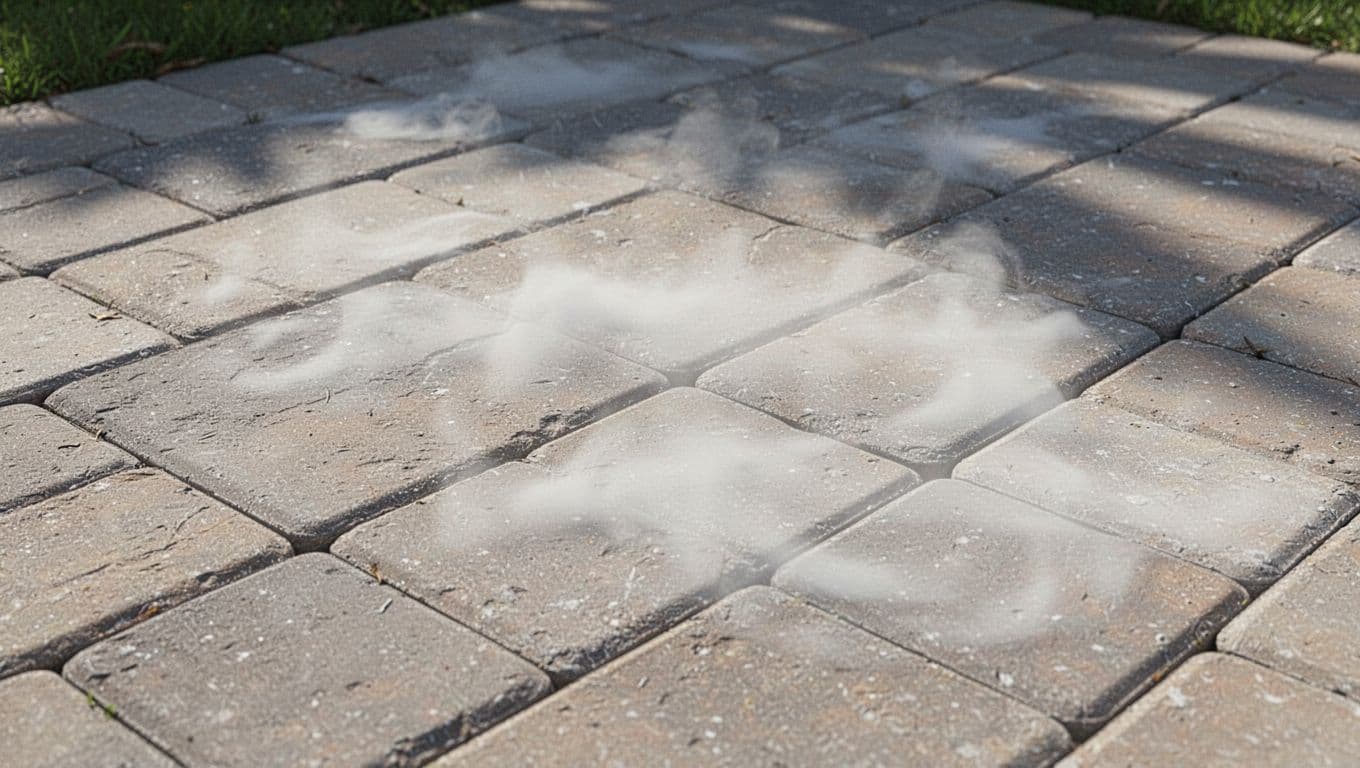
Cloudiness usually starts as a light milky film. Then it turns patchy, streaky, or chalky. The paver color still shows through, but the surface loses depth and shine.
A few signs are easy to spot:
- White haze that looks worse in direct sunlight
- Dull patches next to areas that still look glossy
- Sticky or soft spots that stay tacky after curing
- A powdery look in the joints or low spots
When the finish looks uneven, the sealer probably cured badly. A good coat should look clear and even across the whole surface.
If the pavers look fine in shade but turn milky in sunlight, the haze is often on the surface, not inside the paver.
Why Cape Coral weather makes haze more common
Cape Coral gives sealer very little room to fail. The air stays humid for long stretches, and afternoon storms can show up with little warning. That means the surface may look dry while moisture is still trapped in the joints.
Strong sun creates another problem. It can heat pavers fast and skin over the top layer before moisture escapes. The same patio can dry on the outside while holding dampness below.
Coastal moisture adds one more layer. Salt in the air, sprinkler overspray, and runoff from nearby beds can all leave the surface damp longer than expected. That is why cloudy paver sealer is more common here than in drier places.
Pool decks, driveways, and walkways near landscaping beds are the biggest trouble spots. Water moves through those areas all the time. If the surface never gets a clean dry window, the sealer can turn hazy instead of clear.
Common mistakes that cause a cloudy finish
Most cloudy finishes come from a prep problem, not bad luck. A rushed job can trap water, dust, or residue under the sealer, and Cape Coral weather makes that mistake show up quickly.
- Sealing before the pavers are fully dry . A fresh paver cleaning or pressure wash can leave water deep in the joints. If the next coat goes on too soon, that moisture gets trapped.
- Applying coats too thick . Heavy coats pool in the texture and dry into a milky skin. Thin coats work better on most paver surfaces.
- Leaving behind soap, sand dust, or algae . Residue keeps the sealer from bonding well. The finish can haze, peel, or turn patchy.
- Ignoring the weather window . High humidity, late-day storms, and evening dew can ruin a good application.
- Using the wrong product over old sealer . Some sealers do not work well over a previous coating. When the layers are mismatched, the finish can turn cloudy fast.
A bad prep job often starts with the cleaning step. If the paver cleaning is rushed, the sealer may lock in the mess instead of protecting the surface.
How to prevent cloudy paver sealer before you start
Good prep is the easiest way to avoid haze. The goal is simple, clean, dry pavers and the right amount of product.
- Clean the surface fully . Remove dirt, algae, leaf stains, and loose sand. A proper paver cleaning should leave no film behind.
- Rinse out the joints . Soap and fine debris can sit where you can't see them. Those leftovers often cause cloudy spots later.
- Let the pavers dry all the way through . The top may look dry while the base still holds water. Give the surface enough dry time before sealing.
- Check weather and surface temperature . Skip sealing if rain, heavy dew, or rising humidity is on the way. Early hours are usually safer than late afternoon.
- Use thin, even coats . Slow and steady beats a heavy pass. Thin coats cure clearer and are less likely to trap moisture.
- Protect the area after sealing . Keep sprinklers off, and watch runoff from landscaping beds or artifical turf edges.
When the prep is right, the finish should still show the paver texture. It should look protected, not painted over.
How to fix it when the haze is already there
The right fix depends on how much cloudiness you see. Mild haze sometimes clears with careful cleaning and more dry time. Heavy haze usually needs the bad layer removed.
| Haze level | What you see | Realistic fix |
|---|---|---|
| Mild | Light milky film, but the color and texture still show | Let the surface finish curing, then test a small area with a sealer-safe cleaner |
| Moderate | Patchy whitening, streaks, or tacky spots | Strip the damaged coat, dry the pavers fully, then reseal in thin coats |
| Severe | Thick white blush, peeling, blistering, or haze that returns after drying | Remove the sealer, correct the moisture problem, and reseal later |
A light haze is often a surface problem. A severe haze usually means the sealer trapped moisture or failed to bond. Recoating over the top without fixing the cause usually makes the same mess again.
If the pavers are loose, sunken, or cracked, a concrete company or paver specialist should check the base before any reseal. In those cases, professional paver installation and repair may matter more than another coat of sealer.
When the problem keeps coming back
Cloudiness that returns after each sealing cycle points to a deeper issue. Water may be collecting under the surface, or the pavers may sit in a low spot that never dries well.
Look at the area around the pavers. Downspouts, irrigation heads, and drainage paths can feed water straight into the joints. Heavy landscaping beds can hold moisture close to the edge. Even borders near pool cages or driveways can stay damp if the slope is wrong.
This is where the base matters as much as the finish. If the surface keeps clouding after rain, the sealer is reacting to the site, not just the product.
In some Cape Coral yards, the fix starts with drainage, joint repair, or base correction. That can be more useful than stripping and resealing over and over. The same is true on properties that mix pavers with landscaping features or artifical turf, since edge details often trap water longer than people expect.
Conclusion
Cloudy paver sealer in Cape Coral usually comes down to moisture, timing, or too much product. The heat, humidity, and coastal air make each mistake show up faster.
If the haze is light, a careful cleanup may help. If it is heavy or keeps coming back, the smarter fix is usually to strip, dry, repair, and reseal the right way.
A clear finish starts before the sealer goes down. Once the pavers are clean, dry, and set up for the weather, they have a much better chance of staying that way.