


Best Cape Coral Plants for Around Air Conditioners
Cape Coral heat can turn the space around an outdoor AC unit into a harsh little zone. The wrong plants crowd the condenser, drop debris, and make repairs harder than they should be.
The best Cape Coral plants for this spot stay low, handle reflected heat, and keep their mess to a minimum. They also leave enough room for airflow, which matters more than most people think.
A good AC-side bed should look clean without asking for constant trimming. That balance comes from picking the right plants, spacing them well, and planning for Southwest Florida conditions from the start.
Smart landscaping around an AC unit
An outdoor AC unit needs room to breathe. It pulls air in, pushes heat out, and works best when plants do not block either side.
That means the job is not to hide the unit. The job is to frame it with smart landscaping that still gives the system clear space and easy access for service.
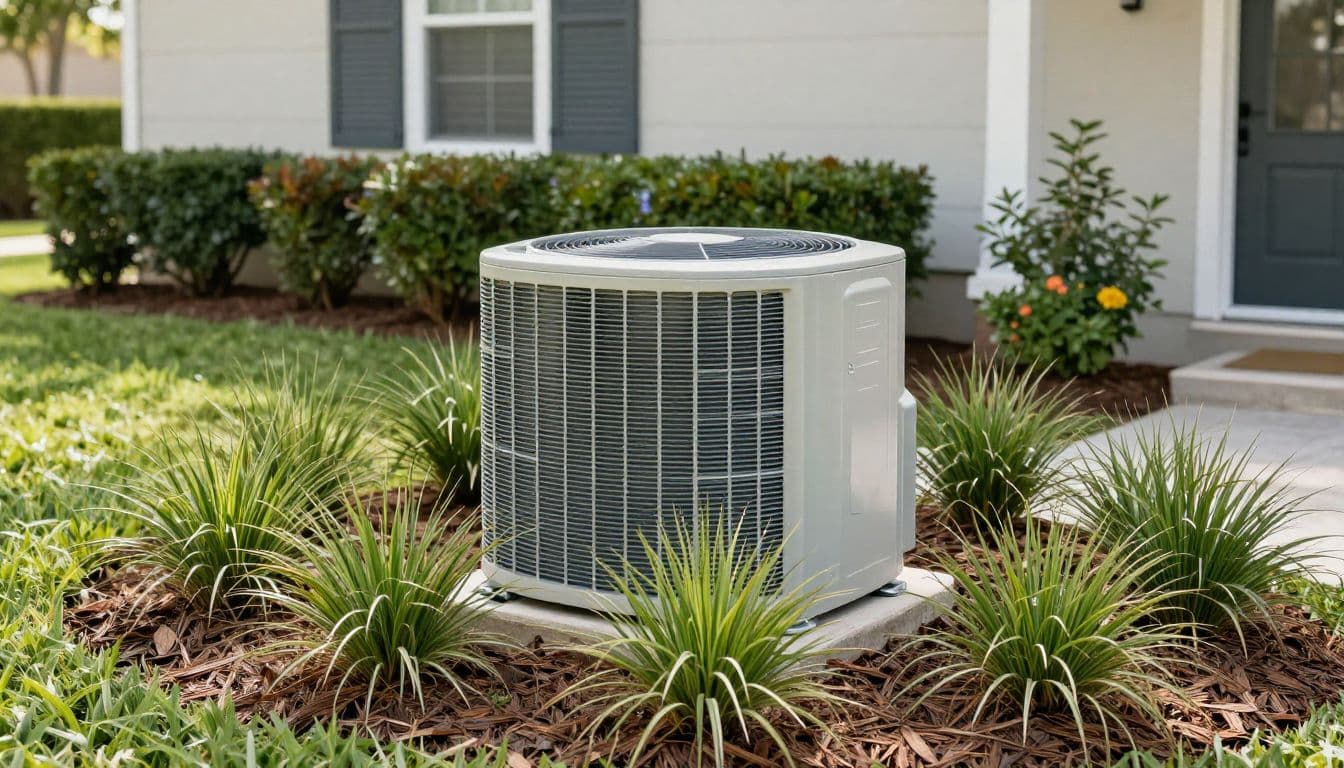
Plants should frame the unit, not hug it. Airflow and service access come first.
Cape Coral adds a few extra challenges. The sun is intense, the humidity stays high, and some homes get reflected heat from concrete, pavers, or block walls. On top of that, salt air can matter if your yard sits closer to open water or a canal.
Because of that, the best choice is usually a plant that stays compact, tolerates heat, and does not shed a lot. Fast growers and heavy droppers usually create more work than they save.
Cape Coral plants that stay neat near the condenser
A good planting mix near an AC unit usually starts with one or two steady plants, then adds a low groundcover or edging plant. The goal is a bed that looks finished, but never crowded.
Here is a quick comparison of strong options for this spot.
| Plant | Why it works | Best use near AC |
|---|---|---|
| Coontie | Slow-growing, native, heat-tolerant, and low-litter when managed well | Outer edge of the bed |
| Dwarf yaupon holly | Compact, trims cleanly, and handles full sun | Side areas with room to grow |
| Blue daze | Low, sun-loving groundcover with a tidy look | Front edge or open strip |
| Dwarf mondo grass | Stays low and gives a neat border | Narrow borders and corners |
| Society garlic | Tough, drought-tolerant, and narrow in form | Sunny spots with some space |
| Beach sunflower | Handles heat and salt air well | Farther from the unit, not tight to the cabinet |
Coontie is one of the safest picks for this kind of bed. It handles Southwest Florida heat, takes dry spells once established, and stays slow enough to avoid constant shaping. If you choose coontie, male plants are cleaner near the unit because they do not produce the seed clusters that female plants can drop.
Dwarf yaupon holly gives you a neat, rounded look without much fuss. It works best where the plant can stay off the cabinet and still get trimmed on all sides. Its small leaves are easy to manage, which helps if you want the area to look sharp year-round.
Blue daze is a strong choice for a low front edge. It hugs the ground, loves the sun, and adds color without forming a heavy, woody mass. That makes it useful in tight spaces where a bigger shrub would crowd the equipment.
Dwarf mondo grass is another practical choice. It creates a tidy border, tolerates the climate, and stays low enough to avoid blocking airflow. It works well when you want a finished edge without a tall plant near the unit.
Society garlic and beach sunflower both handle heat well, but they work best with a little more room. Their flowers can add interest, yet they are better placed away from the cabinet where cleanup is easier.
If your yard gets strong sun and reflected heat, stay with plants that hold their shape. If the spot is windier or closer to salt air, lean toward tougher native or near-native plants with simple growth habits.
Give the plants room to breathe
The right plant can still cause trouble if it sits too close. Clear spacing matters as much as the plant itself.
Keep the manufacturer-recommended clearance around the unit open. That is the real line you should respect, because different systems need different amounts of room. If a plant would force you to trim weekly, it belongs farther away.
A simple layout works best.
- Put low groundcovers at the front edge of the bed.
- Keep shrubs to the sides, not directly against the cabinet.
- Leave a clear service path for repairs and cleaning.
- Avoid anything that will lean into the vents after summer growth.
Tall plants create two problems. First, they can block airflow. Second, they trap debris where the condenser pulls it in. Leaves, petals, and seed pods can all end up where they do not belong.
If you want help getting that layout right, professional landscape design and installation can make the bed easier to maintain from day one.
A plant that needs to be cut back hard every month is a poor fit here. In this spot, small and steady beats fast and bushy every time.
Mulch, pavers, and other low-maintenance choices that help
Plants are only part of the picture. The material around them matters too.
A clean mulch bed can work well, but keep mulch below the base of the unit and away from the cabinet. Piling soil or mulch too high can hold moisture where you do not want it. That can create problems with rust, pests, and general wear.
If you want a more finished edge, a concrete company can help with a small border, pad, or curb that keeps the bed neat. Hard edges also make trimming easier and keep mulch from washing into the service area during heavy rain.
Pavers can work too, especially around nearby walkways or utility paths. Regular paver cleaning keeps that area looking sharp and helps you spot weeds or drainage issues before they spread.
Some homeowners ask about artifical turf near the AC unit. It can work in nearby side areas, but it usually is not the best choice tight to the condenser. Heat can build up, and you still need to keep the space clean and open.
Drainage matters just as much as the surface. If water pools near the unit, plant roots struggle and the area gets messy fast. Good grading and simple irrigation keep the whole bed healthier.
The local site also changes the answer. A yard with full sun and strong reflected heat needs tougher plants. A property closer to the water may need salt-tolerant choices and a more open layout. Even the same street can have different conditions from one home to the next.
Avoid plants that fight the space around them. Ficus, clumping bamboo, bougainvillea, and other heavy growers can turn a tidy bed into a maintenance job. Large palms can also drop fronds and seed pods that end up around the equipment.
The best landscaping around an AC unit should make the area easier to live with, not harder.
Choosing plants that match Cape Coral conditions
Cape Coral yards do best when the plant choice matches the site, not just the photo in the nursery. Sun exposure, irrigation, drainage, and salt air all affect how a bed holds up over time.
For a dry, sunny spot, coontie or dwarf yaupon holly is a safe starting point. For a lower border, blue daze or dwarf mondo grass usually makes more sense. If the area gets a little coastal stress, stick with the tougher, cleaner growers and keep the bed open.
Try to think about the whole yard, too. The AC bed should fit with the rest of your landscaping, not compete with it. If nearby pavers or concrete are already in place, choose plants that soften the hard edges without creating clutter.
That is where simple planning pays off. The right plant in the right spot looks good longer and asks for less work.
Conclusion
The best plants around an outdoor AC unit in Cape Coral are the ones that stay low, handle heat, and keep their mess under control. They should never block airflow or crowd the service space, no matter how good they look on day one.
When you pair the right Cape Coral plants with proper spacing, drainage, and a clean bed edge, the whole area stays cooler-looking and easier to maintain. That is the kind of landscaping that works through summer, salt air, and heavy rain without turning into a chore.