


Rain Sensor Problems in Florida Yards That Waste Water
A sprinkler system can run during a heavy Florida storm when one small sensor fails. That wasted water may flood beds, wash soil onto pavers, and leave grass weak from oversaturation.
Rain sensor problems in Florida yards often come from poor placement, clogged sensing material, damaged wiring, or a controller setting that bypasses the device. The good news is that many issues are easy to spot before they become expensive irrigation repairs.
Start by identifying what the sensor should do, then check the sensor, wiring, controller, and irrigation schedule in that order.
Key Takeaways
- A rain sensor pauses irrigation after detecting rainfall, but it doesn't measure soil moisture.
- Florida heat, debris, gutters, shade, and intense storms can cause sensor failures.
- A controller may ignore a working sensor if its bypass switch or settings are wrong.
- Test the system before changing watering times, and check local watering restrictions.
- Fixing runoff may require irrigation repairs, drainage work, or changes to nearby landscaping.
How a Rain Sensor Works in a Florida Irrigation System
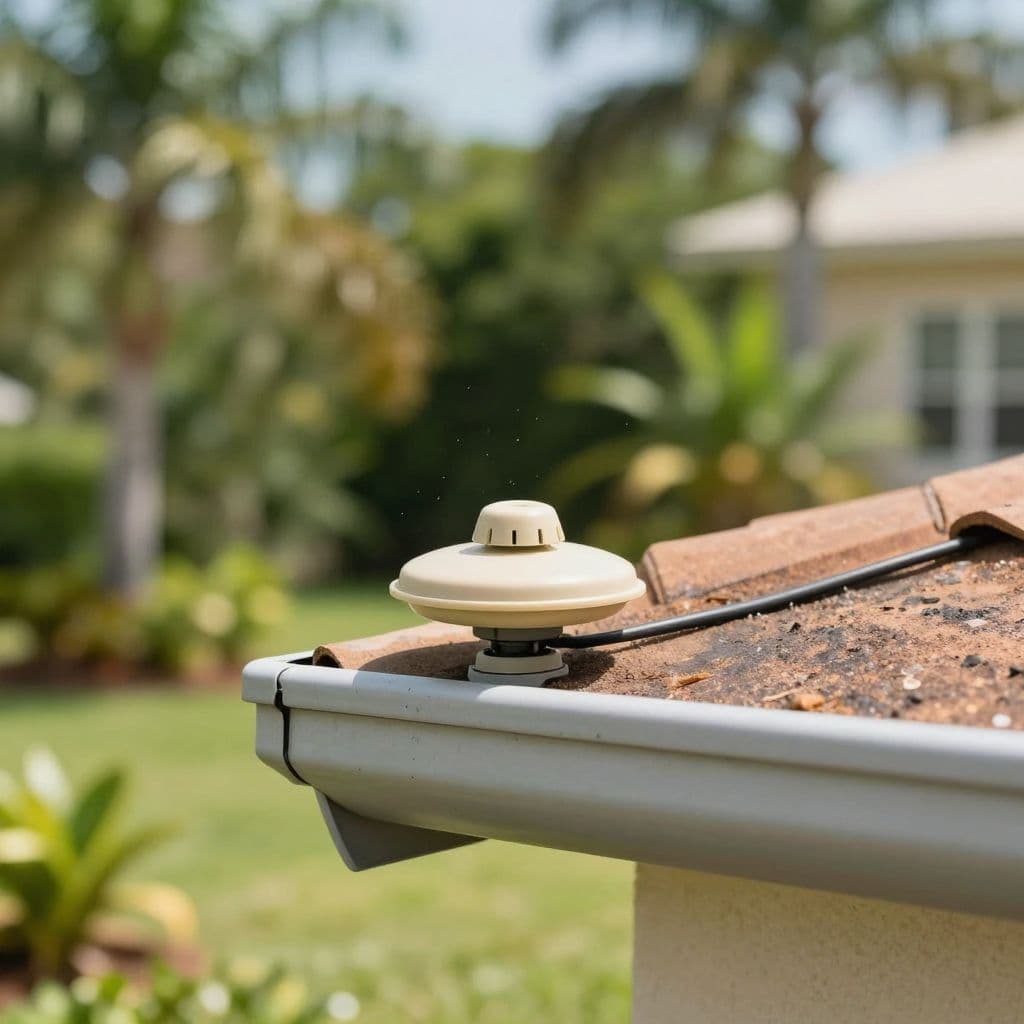
A rain sensor is a small device mounted outdoors, often on a gutter, fascia, or a nearby structure. When rain wets its internal discs or absorbent material, the sensor interrupts the signal between the irrigation controller and the sprinkler valves. The scheduled watering cycle then skips or stops.
Most residential sensors only answer one question: Has enough rain fallen to pause irrigation? An adjustable setting controls how much moisture the sensor needs before it reacts. Depending on the model, the system may resume after the sensor dries or after a timed delay.
That simple function helps prevent a sprinkler system from watering during or shortly after a storm. However, it doesn't know whether your sandy soil is dry below the surface. It also can't tell whether one planting bed received rain while another stayed under a covered patio.
Florida weather creates extra challenges. A short afternoon storm can drop heavy rain in one neighborhood while nearby yards stay dry. Strong sun and wind may dry exposed areas quickly, yet shaded soil can remain wet for days. A sensor mounted beneath a roof edge may receive too little rain, while one under a dripping gutter may stay wet long after the yard needs water.
A sensor also won't correct a sprinkler zone with broken heads, poor coverage, or a valve that won't close. It only tells the controller whether to allow a watering cycle. The rest of the irrigation system still needs proper adjustment and maintenance.
Common Rain Sensor Problems That Waste Water
The most common failure happens when the sensor doesn't interrupt the irrigation cycle after rainfall. Several causes can produce the same result, so look at the full setup instead of replacing the device immediately.
The sensor is set to bypass. Many controllers have a rain-sensor bypass switch or menu setting. If it sits in the "bypass" or "off" position, the controller ignores the outdoor sensor. This switch can move during maintenance or remain disabled after an installation.
The sensor has no clear exposure to rain. Eaves, tree branches, pool screens, and roof overhangs can block rainfall. A sensor tucked beside a wall may stay dry while the open yard receives enough water to skip irrigation.
The sensing discs are dirty or damaged. Dust, algae, insects, leaves, and mineral deposits can prevent the discs from absorbing water correctly. Older sensors may also have cracked housings or worn internal parts.
The wiring has failed. A lawn mower, hedge trimmer, storm, or animal can damage the low-voltage wire. Loose connections at the sensor or controller can create an intermittent problem. Some systems stop watering when a wire breaks, while others continue operating, depending on the controller and sensor design.
The sensor is compatible but incorrectly installed. A controller may support a rain sensor, yet the wiring terminals or sensor type may not match the installation. A sensor connected to the wrong terminals can appear functional while the controller continues its schedule.
The controller has a separate problem. A stuck relay, programming error, backup battery issue, or incorrect seasonal adjustment can cause watering even when the sensor works. If every zone runs at unexpected times, inspect the controller before blaming the sensor.
Florida homeowners should also watch for runoff. Water spilling across a driveway or sidewalk can indicate excessive run time, compacted soil, clogged nozzles, or a zone running too soon after rain. A rain sensor helps, but it can't repair those conditions.
Rain Sensor Troubleshooting Checklist
Test the system during a scheduled watering period, or use the controller's manual start function. Keep hands away from exposed electrical connections, and turn off the controller's power before handling wiring.
- Check the controller setting. Confirm that the rain sensor is enabled. Look for a bypass switch, sensor icon, or menu option labeled "rain sensor," "weather sensor," or "sensor active."
- Inspect the sensor location. Make sure the device sits in open air and receives natural rainfall. Remove nearby leaves and branches. Avoid moving it beneath an overhang where roof runoff gives it a misleading reading.
- Clean the sensing area. Follow the manufacturer's instructions to remove dirt and debris. Don't use force on delicate discs or soak an electronic wireless transmitter.
- Look at the wire and connections. Follow the cable from the sensor to the controller. Check for cuts, loose terminals, corrosion, or signs of chewing. Repair low-voltage wiring with outdoor-rated connectors.
- Test the sensor response. Wet the sensor according to the manufacturer's directions while the irrigation system is set to run. The controller should show a sensor interruption or prevent the valves from opening. The exact test differs by brand.
- Check the sprinkler zone itself. Watch for broken heads, geysering, misting, overspray, or water pooling. A working sensor won't stop a valve that stays open or a pipe that leaks outside the scheduled cycle.
- Review the watering schedule. Reduce run times if the soil stays wet or water reaches pavement. Also check local city, county, or water-management watering restrictions before changing days or start times. Restrictions can change during droughts or seasonal periods.
If the sensor passes its test but the sprinklers still run during rain, the controller, common wire, or valve circuit may need professional diagnosis. Irrigation repair services in Cape Coral can help identify whether the problem involves a sensor, valve, leak, or controller.
Rain Sensors, Soil-Moisture Sensors, and Smart Controllers
These three technologies manage irrigation in different ways. Choosing the right one depends on your soil, plants, system age, and willingness to adjust settings.
| System | What it measures | How it controls watering | Main limitation |
|---|---|---|---|
| Rain sensor | Rainfall at the sensor location | Pauses a scheduled cycle | May not represent the whole yard |
| Soil-moisture sensor | Moisture in a selected soil area | Allows watering when soil reaches a set dryness level | Needs correct placement and calibration |
| Smart irrigation controller | Weather data, forecast, schedule, and sometimes flow | Adjusts watering based on changing conditions | Needs reliable setup and internet or weather data |
A rain sensor is often the least expensive way to stop irrigation during a storm. It works well when the device has open exposure and the yard has fairly consistent conditions.
A soil-moisture sensor measures water near plant roots. That makes it more useful for properties with different beds, sandy soil, shaded areas, or plants with varying water needs. However, one probe still represents only the soil around that probe.
A smart controller can adjust runtimes using local weather information and estimated evaporation. Some models still pair with a rain sensor for immediate local rainfall detection. Smart controls don't remove the need to inspect sprinkler coverage, test sensors, or follow watering restrictions.
For many Southwest Florida homes, a properly installed rain sensor plus a well-programmed controller is enough. Properties with large planting beds, new sod, slopes, or drainage concerns may benefit from soil-moisture monitoring as part of a broader irrigation plan.
Stop Water Waste During Landscaping and Concrete Work
Outdoor construction can create new rain sensor and irrigation problems. New planting beds may change water needs, while grading, patios, and walkways can redirect runoff toward a house or neighboring property.
Before a concrete company pours a driveway, walkway, or patio, mark irrigation lines and valve locations. Ask about sleeves beneath the new concrete if irrigation lines need to cross the area. Replacing a buried line after the pour costs more than protecting the route beforehand.
Paver work needs the same planning. Complete irrigation repairs before paver cleaning or sealing when possible. Digging near freshly cleaned pavers can disturb joint sand and leave mud on the surface.
New sod and artificial grass also need different water planning. Fresh sod requires establishment watering, but the schedule should change as roots develop. If you're searching for "artifical turf," the correct term is artificial turf, and its drainage base still needs to handle Florida rainfall without sending water toward the house.
Plant placement matters, too. A rain sensor under a new tree canopy may stop responding to normal rainfall. Landscape lighting, privacy screens, and pool enclosures can also alter exposure and airflow around the device.
After any outdoor project, run each zone and inspect the entire property. Look for water hitting concrete, collecting beside foundations, or flowing across walkways. Adjust sprinkler heads and run times before those small issues become erosion, staining, or plant damage.
Conclusion
A rain sensor should prevent scheduled irrigation after sufficient rainfall, but it can only work when the device, wiring, controller, and sprinkler zones operate together. Poor placement, debris, bypass settings, and damaged connections are common reasons Florida yards keep watering through storms.
Check the sensor after major landscaping, roofing, tree, paver, or concrete work. A small inspection can prevent runoff, protect plants, and keep your irrigation schedule aligned with local watering restrictions. When the sensor passes its test but the system still wastes water, inspect the controller and valves before replacing parts.