


Shellock Pavers in Cape Coral: Cost, Heat, Grip, and Sealing Guide 2026
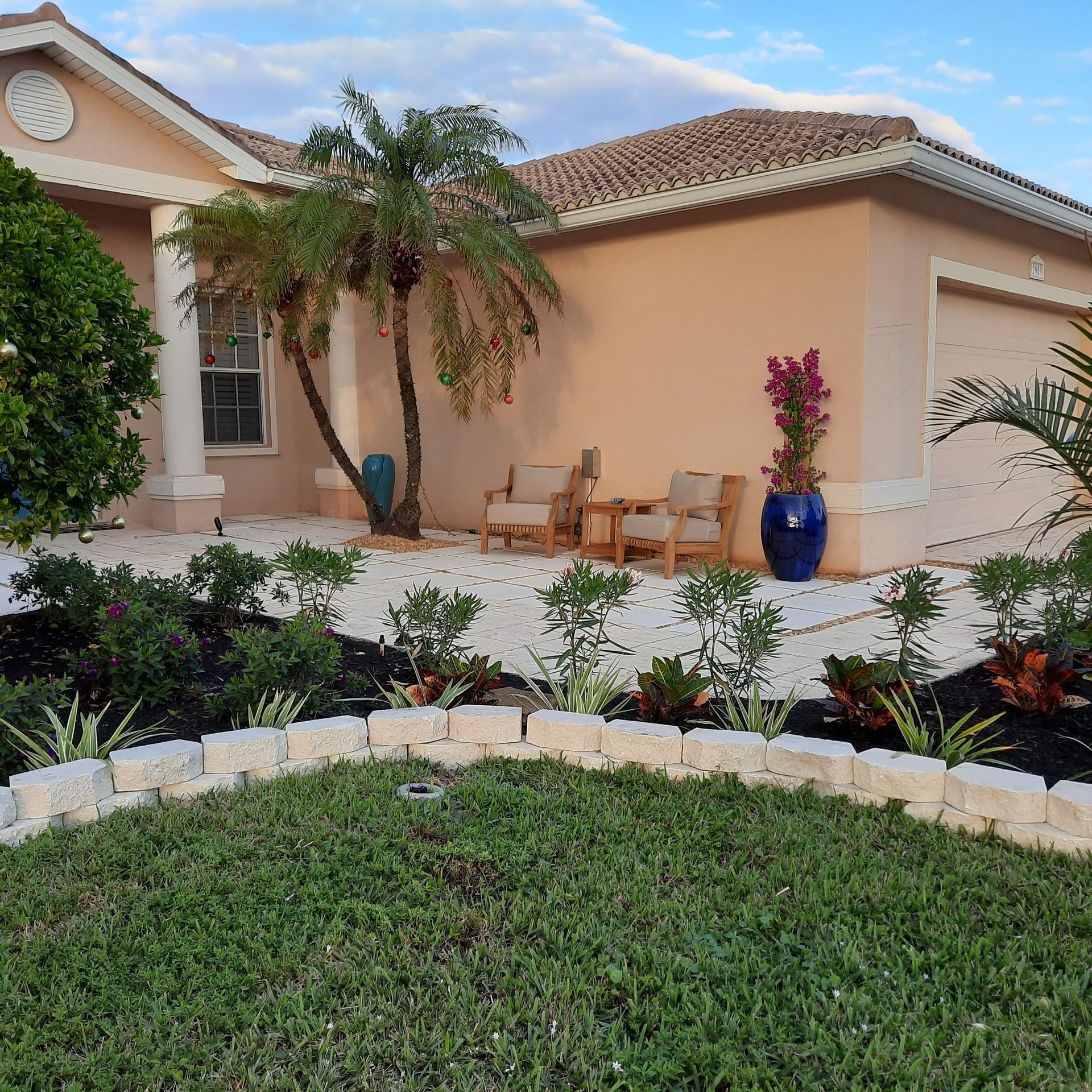
If you love the look of a bright, coastal pool deck but hate scorching hot surfaces, Shellock pavers Cape Coral homeowners choose can feel like a smart middle ground. They bring that beachy, shell-speckled finish, and they can stay more comfortable than darker hardscapes in full sun.
Still, the details matter. Price swings can be big in SWFL, sealing can change heat and traction, and Florida storms punish weak drainage. Below is a practical 2026 guide to cost, heat control, grip, and sealing so you can plan with fewer surprises.
What Shellock pavers are (and why they fit Cape Coral outdoor living)
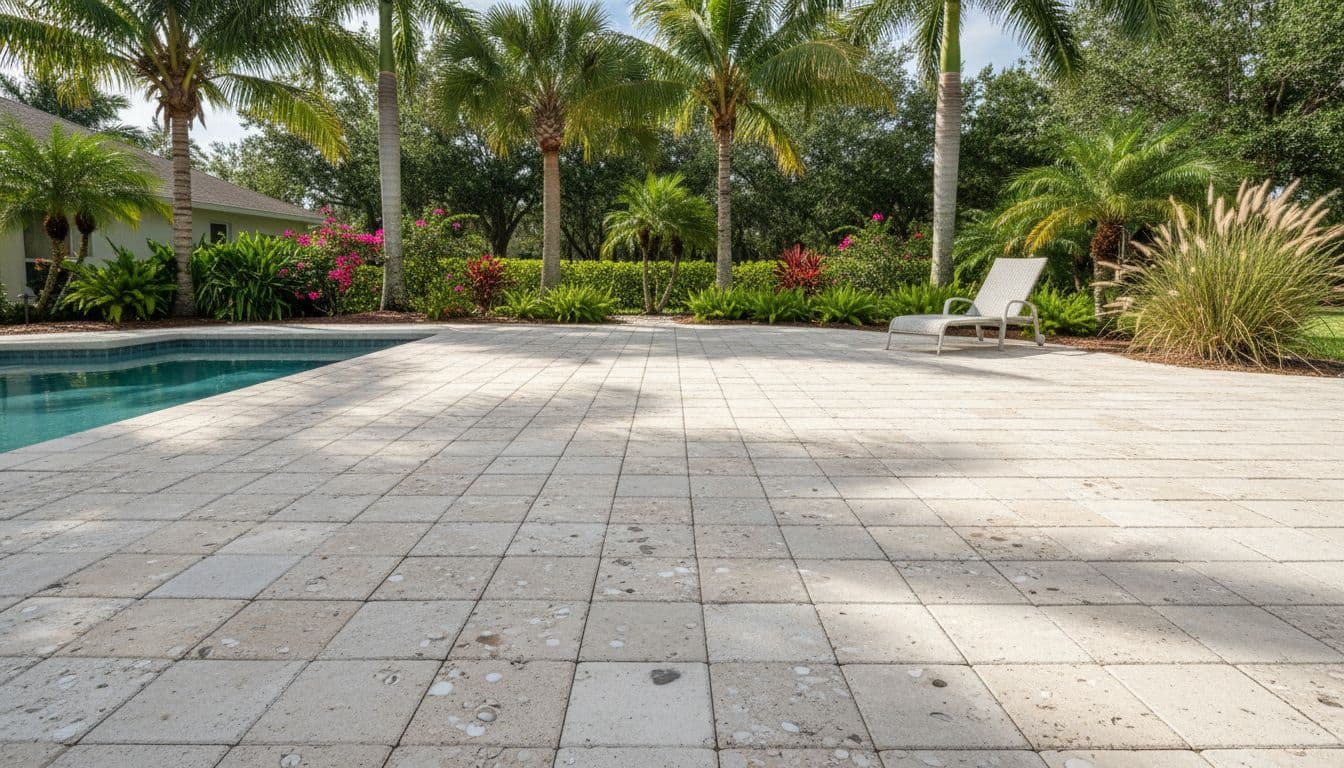
Shellock pavers are concrete-style pavers with real shell mixed into the surface. The result is a textured, natural look that feels right at home in Cape Coral, especially around pools, lanais, and waterfront patios.
Because the surface has natural variation, it hides small scuffs better than many flat finishes. That's helpful in busy homes with kids, pets, and pool traffic. Shellock also pairs well with tropical landscaping since the color range often leans sandy, ivory, and light tan.
In SWFL, the "win" is rarely just appearance. You also want surfaces that:
- drain fast after rain,
- don't grow algae every shaded morning,
- stay comfortable enough for bare feet,
- hold up to salt air and UV.
If you're blending hardscape with artifical turf , plan your edges early. A clean border (plus proper drainage) keeps sand from migrating into turf seams and keeps the whole yard looking intentional.
Shellock pavers Cape Coral cost in 2026 (installed $/sq ft + real totals)
Shellock pricing in Cape Coral isn't one flat number. Material choice, base build, drainage, and pattern complexity drive most of the spread. As a budgeting range in 2026, many SWFL paver installs (including premium finishes) commonly land around $12 to $30 per sq ft installed , with tougher sites and heavier drainage work pushing higher.
Here's a practical way to think about installed costs for typical residential projects.
| Project type (installed) | Common 2026 range ($/sq ft) | What usually moves the price |
|---|---|---|
| Patio or lanai extension | $12 to $22 | Access, cuts around screens, border details |
| Pool deck (Shellock often used here) | $14 to $26 | Drainage slope, coping tie-ins, slip needs |
| Driveway (thicker base) | $16 to $30 | Vehicle loads, edge restraints, apron work |
| Add-on drainage upgrades | +$2 to $5 | Extra base depth, drain inlets, tie-ins |
A few example totals (labor and materials included), using common Cape Coral assumptions:
- 500 sq ft patio at $16/sq ft : about $8,000 (simple shape, good access).
- 900 sq ft pool deck at $20/sq ft : about $18,000 (more cuts, more pitch control).
- 1,200 sq ft driveway at $22/sq ft : about $26,400 (thicker base, more compaction).

Photo by sirmudi_photography
So why do quotes vary so much locally?
- Base and soil reality : Cape Coral's sandy soils drain, but they can settle if the base is rushed.
- Drainage design : Florida storms demand pitch, and sometimes drains or a swale.
- Demolition and haul-away : Old concrete removal adds real cost.
- Cuts and patterns : Curves, inlays, and borders raise labor quickly.
- Transitions : Tying into a slab, walkway, or garage apron sometimes needs a concrete company involved.
If your existing pavers are sinking or shifting, fix the foundation before sealing or re-coating. Start with professional paver installers Cape Coral so you're not paying twice.
A low quote often means a thin base, weak compaction, or vague drainage notes. In Cape Coral, that can turn into settling after the first hard rainy season.
Heat and grip in real Cape Coral conditions (what helps, what backfires)
Heat and traction are tied together. When pavers run hot, people avoid them, then shaded damp areas grow algae, and that's where slips happen.
Heat mitigation that works (without turning your deck into a science project)
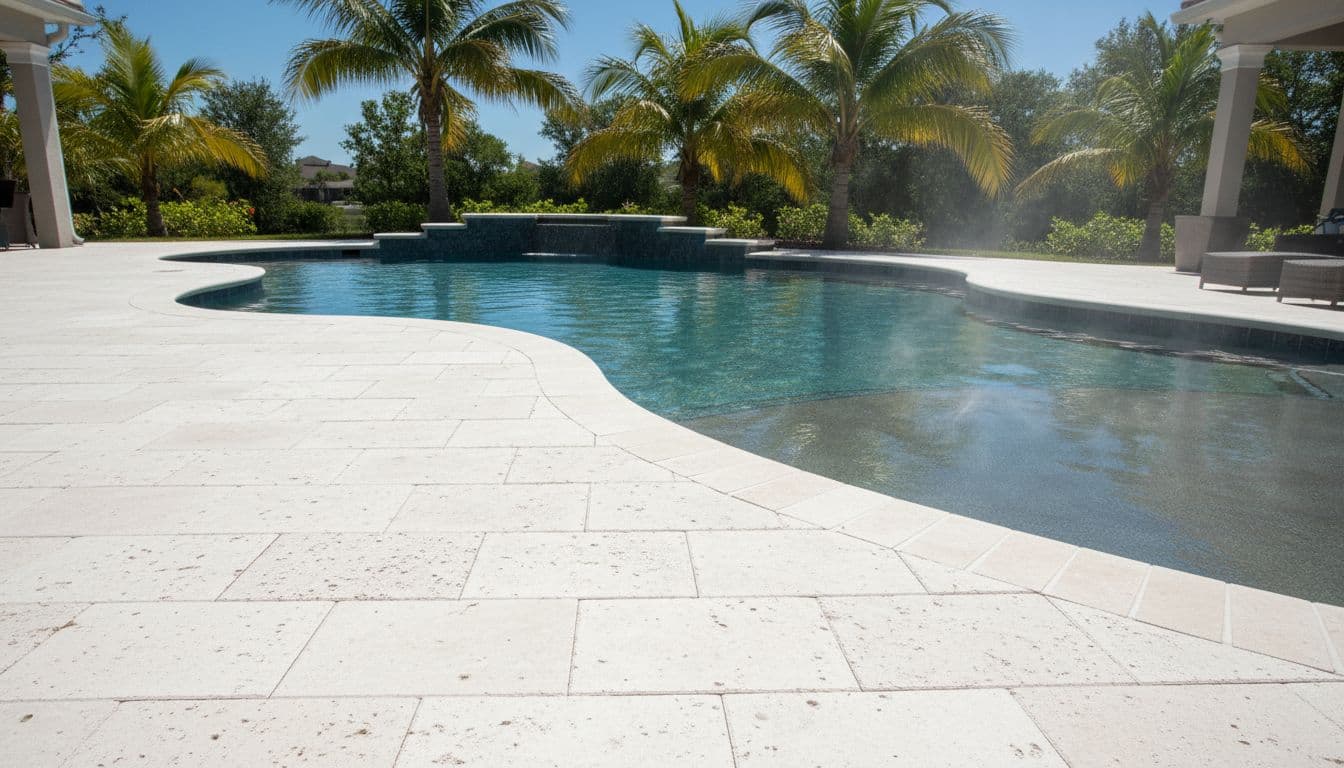
Light colors usually feel better underfoot than dark grays or browns. That's simple reflectivity at work. If you're choosing Shellock, lean toward lighter blends for pool decks and sunny lanais.
Shade is the next big lever. Pergolas, sail shades, and well-placed palms can cut surface temps more than many homeowners expect. Even partial shade during peak afternoon sun helps.
Misting can improve comfort around a pool deck, but don't overdo it. Constant moisture can feed mildew in joints. If you add misting, pair it with routine rinsing and smart drainage so water doesn't sit.
Grip and safety (especially when wet)
Shellock's texture can help traction, yet any surface gets slippery when algae builds up. Good joint sand, proper pitch, and regular paver cleaning matter more than people think. Also, a high-gloss topical sealer can add a slick feel if it's laid on too heavy, or if the wrong product is used near pools.
Sealing Shellock pavers: finish choices, cure times, maintenance, and installer questions
Sealing is where many Shellock projects either stay beautiful or start peeling, hazing, and tracking. The goal is protection without trapping moisture.
Penetrating vs topical sealers (and matte vs glossy)
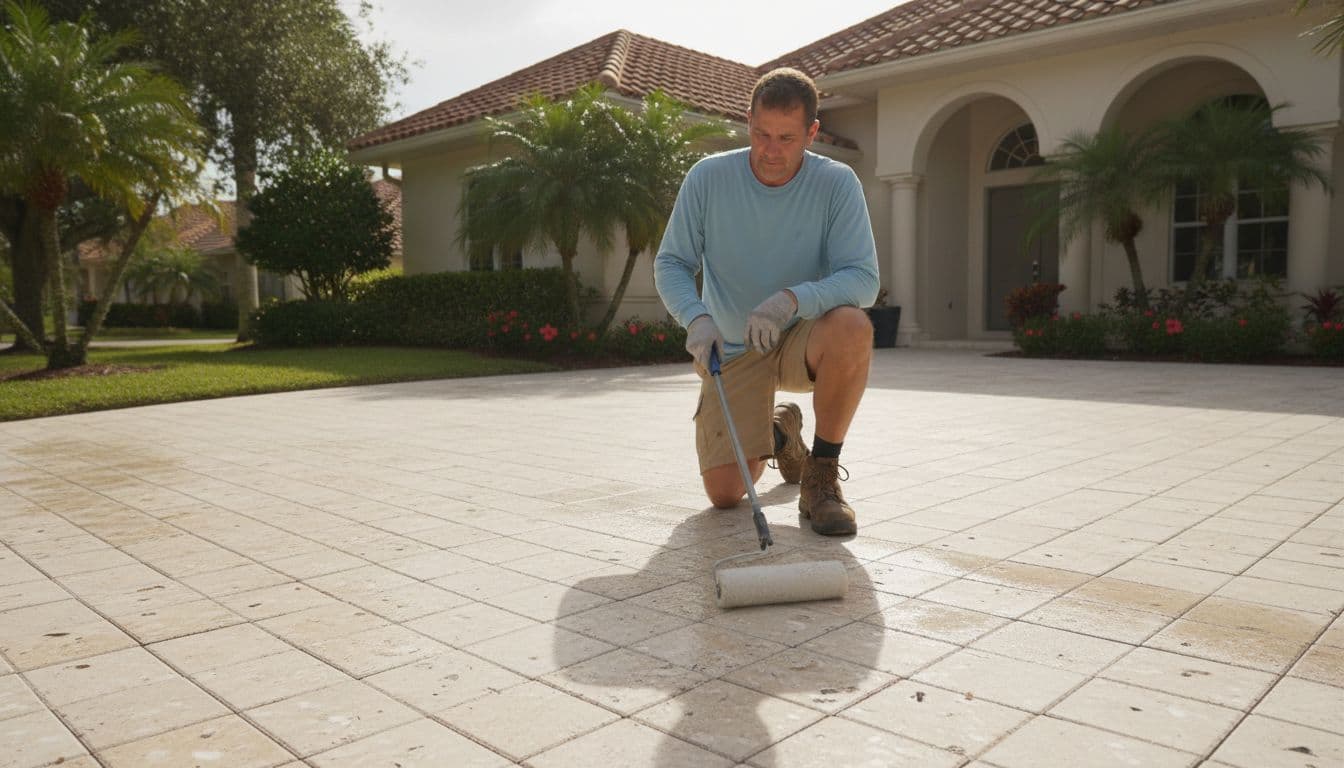
- Penetrating sealers soak in and usually keep a more natural look. They're often a safer choice in humid SWFL because they're more breathable and less likely to peel.
- Topical sealers sit on top. They can boost color, but they're more sensitive to moisture and over-application.
Matte and satin finishes usually hide dust, reduce glare, and feel more predictable for traction. A wet-look gloss can look great, but it may deepen color and feel warmer in full sun.
Polymeric sand compatibility and curing windows
If you're using polymeric sand, timing is everything. Seal too soon, or leave sand haze on the surface, and you can lock in a cloudy film. Many systems need joints to set before sealing, while others treat sealer as part of stabilization. Your installer should explain which system they use and why.
Cure time is also not negotiable in rainy season. Many sealers need 24 to 48 hours without water exposure, and vehicles may need 48 to 72 hours . If a contractor promises next-day driving in summer humidity, ask better questions.
For deeper local pricing on ongoing maintenance, see Cape Coral paver sealing benefits and Cape Coral paver resealing pricing.
Questions to ask Shellock installers (bring this to your estimates)
- What base depth will you install, and how will you compact it?
- How will you handle drainage, and what slope will you build (target 1 to 2 percent)?
- Will you add edge restraints, and where?
- Are permits or HOA approvals needed for this scope and color choice?
- How will you protect lanai screens, pool water, and surrounding plants during cutting and washing?
- What joint sand will you use (regular, stabilized, or polymeric), and why?
- What sealer type will you use (penetrating or topical), and what finish (matte, satin, gloss)?
- How many coats, and what dry time between coats?
- What's the cure-time plan if rain pops up?
- What voids the warranty (sprinklers, pool chemicals, pressure washing, standing water)?
- What maintenance schedule do you recommend for paver cleaning and resealing?
If Shellock isn't the best fit: quick alternatives
Travertine stays popular for pool decks because it can feel cooler and looks upscale, but it can cost more and needs the right sealer. Standard concrete pavers offer the most color and pattern options, plus easier repairs, yet darker colors can run hot. Stamped concrete can cost less upfront on some layouts, although cracking and repairs are harder to hide.
Conclusion
Shellock can be a great choice when you want coastal style, better comfort, and a surface that plays well with SWFL weather. Focus on three things: base and drainage , smart heat control, and the right sealer for your location and finish goals.
Get three quotes when the project is over 400 sq ft, includes a driveway, or needs drainage changes. Before you call, measure rough square footage, snap wide photos of slopes and downspouts, and note any HOA rules. A clear scope upfront leads to cleaner bids, and a better finished patio you'll actually use.