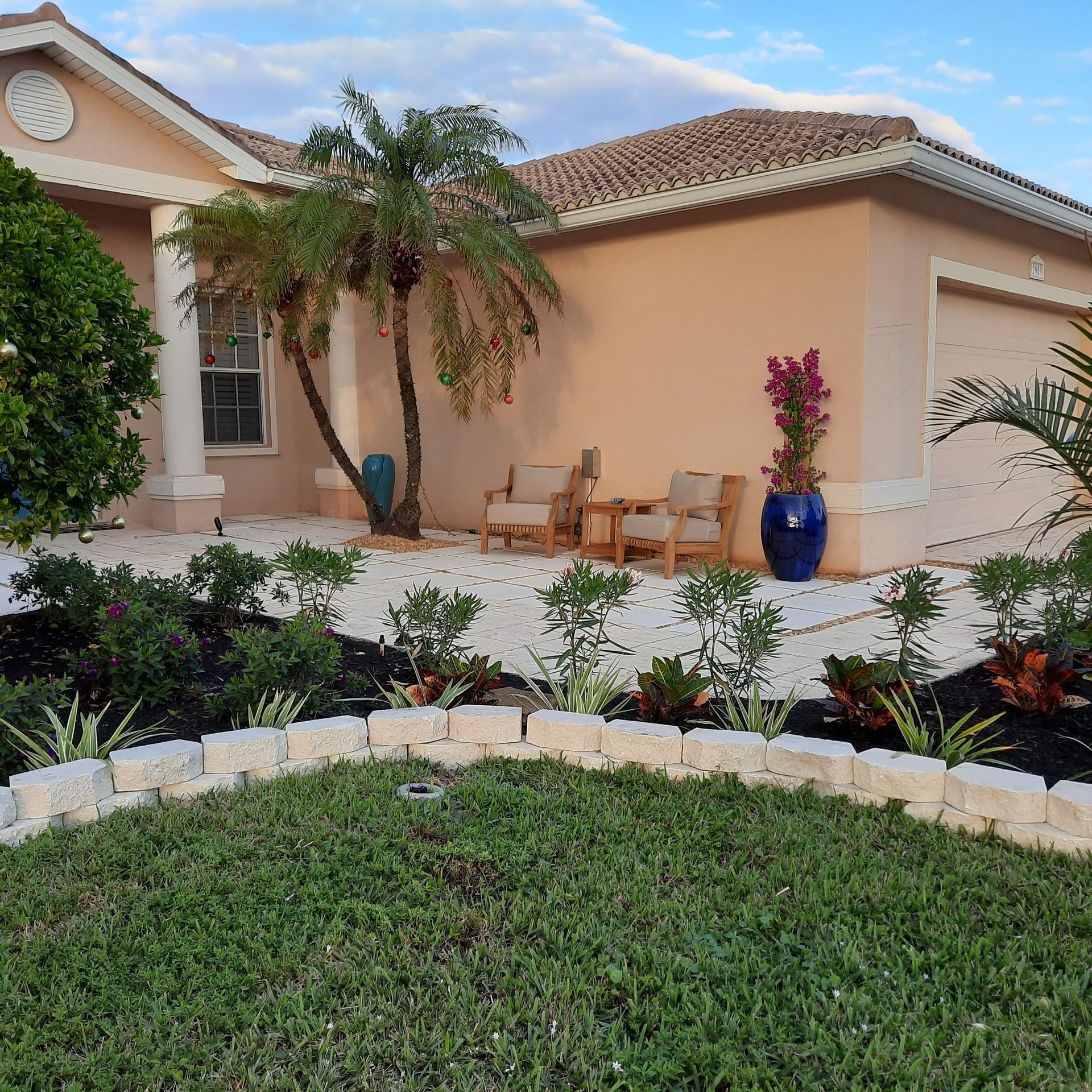



Paver Sealing in Cape Coral, What It Costs, What It Prevents, and How Often to Recoat
Ever look at a neighbor’s driveway and think, “Why do their pavers still look rich and clean?” In Cape Coral, sun, salt air, and daily rain cycles can age brick pavers fast. Paver sealing Cape Coral homeowners choose isn’t just about shine, it’s about protection that holds up in coastal Florida.
A good sealer works like sunscreen for your hardscape. It helps block fading, slows staining, and makes routine rinsing easier. But the results depend on the prep work, the type of sealer, and timing around weather.
Below is a clear breakdown of what sealing costs in 2026, what it prevents, and when it’s time to recoat.
What paver sealing prevents in Cape Coral’s heat, humidity, and rain
Cape Coral’s conditions are tough on hardscapes. UV exposure bleaches pigment, afternoon storms keep joints damp, and salty air can speed surface wear. Sealing helps reduce these problems, but it’s not magic, it’s a barrier that needs the right product and a clean surface.
Here’s what sealing is best at preventing:
Stains and tire marks are the big one for driveways. A sealed surface gives you more time to clean oil drips, rust from patio furniture, and leaf tannins before they soak in. That also makes paver cleaning less of a battle because grime sits closer to the top.
Algae and mildew growth are another Cape Coral issue, especially on north facing areas and pool decks. Sealers can’t stop spores from landing, but they can reduce how deeply growth anchors into the pores.
Joint sand loss matters more than most homeowners expect. When joint sand washes out, pavers start to move, edges open up, and weeds move in. Many professional systems include joint stabilization that helps lock sand in place.
Efflorescence (that chalky white haze) can show up as moisture pulls salts up through the paver. Some sealers handle this better than others, and proper prep is key, more on that below.
If you’re comparing options for your whole yard, it helps to look at sealing as part of the bigger outdoor plan, along with planting beds, edging, and landscaping layout. For an overview of related work, see Outdoor Life Pros landscaping & paver solutions.
2026 paver sealing costs in Cape Coral (per sq ft, with real-world examples)
In January 2026, local pricing commonly falls between $0.75 and $4.00 per square foot , with most “clean and seal” projects landing in the $1.25 to $2.50 per square foot range. Heavier restoration (deep cleaning, stain treatment, joint work, and premium sealers) is often $2.50 to $4.00 per square foot .
National pricing lines up with that, and you can compare against Angi’s 2026 paver cleaning and sealing cost data for another reference point.
Typical price ranges (Cape Coral)
| Service level (typical scope) | What’s included (assumptions) | Typical range (per sq ft) |
|---|---|---|
| Light clean and seal | Newer pavers, minimal stains, basic sealer | $0.75–$1.25 |
| Standard clean and seal | Pressure wash, spot stain treatment, 1–2 coats | $1.25–$2.50 |
| Premium restoration and seal | Deep clean, efflorescence work, re-sand, premium sealer | $2.50–$4.00 |
Prices move based on access, how uneven the surface is, how much joint sand is missing, and whether you’re sealing a slick pool deck material like travertine versus standard concrete pavers.
Example project totals (labor and materials included)
- 800 sq ft driveway : about $1,000–$2,000 (standard clean and seal)
- 1,200 sq ft driveway : about $1,500–$3,000 (standard, larger area pricing helps)
- 600 sq ft pool deck : about $1,200–$2,400 (often pricier per sq ft due to detail work, furniture moves, and slip concerns)
If pavers are shifting or settling, sealing won’t fix that. You’ll want repairs first, then sealing, so you don’t lock problems in. For re-leveling and reset work, start with Paver installation & repair Cape Coral.
Sealer types that actually hold up in humid coastal Florida
Sealer choice is where Cape Coral jobs win or fail. Heat and humidity change how products flash off, how they bond, and whether moisture gets trapped.
Water-based vs solvent-based
Water-based sealers usually have lower odor and are easier to work with. In high humidity, they may need tighter timing and can require extra coats to reach the same look.
Solvent-based sealers are often favored in hot, humid coastal areas because they can bite in well and build a stronger film, depending on the product. They also tend to give a richer “wet look,” but overspray control matters.
Acrylic vs urethane
Acrylic is common for residential pavers. It’s cost-friendly and can enhance color well, but it may need more frequent recoat cycles in strong sun.
Urethane is tougher, but it’s also less forgiving. Moisture-cured urethanes can bubble or haze if applied when humidity is high or the pavers are not fully dry. If you want to understand why timing matters so much, read best practices for applying urethane in humid weather.
Penetrating vs film-forming
Penetrating sealers soak in and stay breathable. They’re often a smart fit near pools and waterfront homes because they reduce the risk of peeling. They usually look more natural.
Film-forming sealers sit on top and can give that “just installed” pop. The tradeoff is they’re more sensitive to prep and moisture, and they can turn cloudy if water gets trapped underneath.
Matte, satin, or gloss
- Matte : best for a natural look and traction.
- Satin : a middle ground, color looks deeper without looking slick.
- Gloss : dramatic color boost, but it can show roller marks and may be slippery if the wrong product is used on pool decks.
One more local detail: if you have border pavers around artifical turf or planting beds, edging and runoff control matter. Overspray can also spot synthetic blades, so masking and neat application counts.
Prep steps, polymeric sand, cure times, recoating schedule, and common failures
A solid job is mostly prep. Sealer is the final step, not the first.
What proper prep looks like
- Surface wash : use professional pressure washing methods (often with a surface cleaner) to remove dirt without etching pavers.
- Stain treatment : target oil, rust, and organic stains instead of hoping sealer hides them.
- Efflorescence removal : treat white haze before sealing, or it can bloom under the coating.
- Dry time : in Cape Coral humidity, “looks dry” is not the same as dry. Many pros wait 24 to 48 hours after washing, sometimes longer after rain.
- Joint sanding : re-sand joints as needed, then compact and top off.
Polymeric sand considerations
Polymeric sand can help resist weeds and ants, but it needs correct installation and dry conditions. Sealing too soon after polymeric sand, or letting sand haze sit on the surface, is a common cause of a cloudy finish. Some systems call for sealing as the “activator,” others require a separate set time. The product instructions matter.
Cure times and rain planning
Most sealers need at least 24 to 48 hours of cure time before water exposure, and some need longer in humid weather. In rainy season, plan for 24 to 72 hours with low rain risk, because surprise showers can spot or blush the finish.
How often to recoat in Cape Coral
A practical range is every 3 to 5 years for most homes. If your driveway gets heavy sun, frequent car traffic, or regular sprinkler overspray, a 2 to 3-year cycle is more common.
Mistakes that cause peeling or bubbling
Peeling almost always comes from sealing over dirt, moisture, or residue. Bubbling and hazing often come from trapped moisture, over-application, or applying in bad weather windows. If your hardscape ties into a slab or apron, a qualified concrete company can also check drainage and pitch issues that keep water sitting on the pavers.
For homeowners planning a full yard refresh, pairing pavers with plantings and bed design often gives the cleanest final look. You can see options through custom landscape design Cape Coral.
Quick FAQ
Can I seal pavers the day after washing? Sometimes, but only if they’re truly dry. In Cape Coral humidity, waiting longer is safer.
Will sealing stop weeds completely? It helps when joints are filled and stabilized, but wind-blown seeds can still sprout in debris on top.
Is a glossy sealer always better? No. Gloss looks great, but it can show imperfections and needs stricter prep.
Do I need to reseal after paver repairs? If repairs disturb joints or you replace pavers, re-sealing that area usually helps match color and protection.
Homeowner maintenance checklist
- Rinse grit off monthly, especially near the street.
- Clean spills fast (oil, fertilizer, rust).
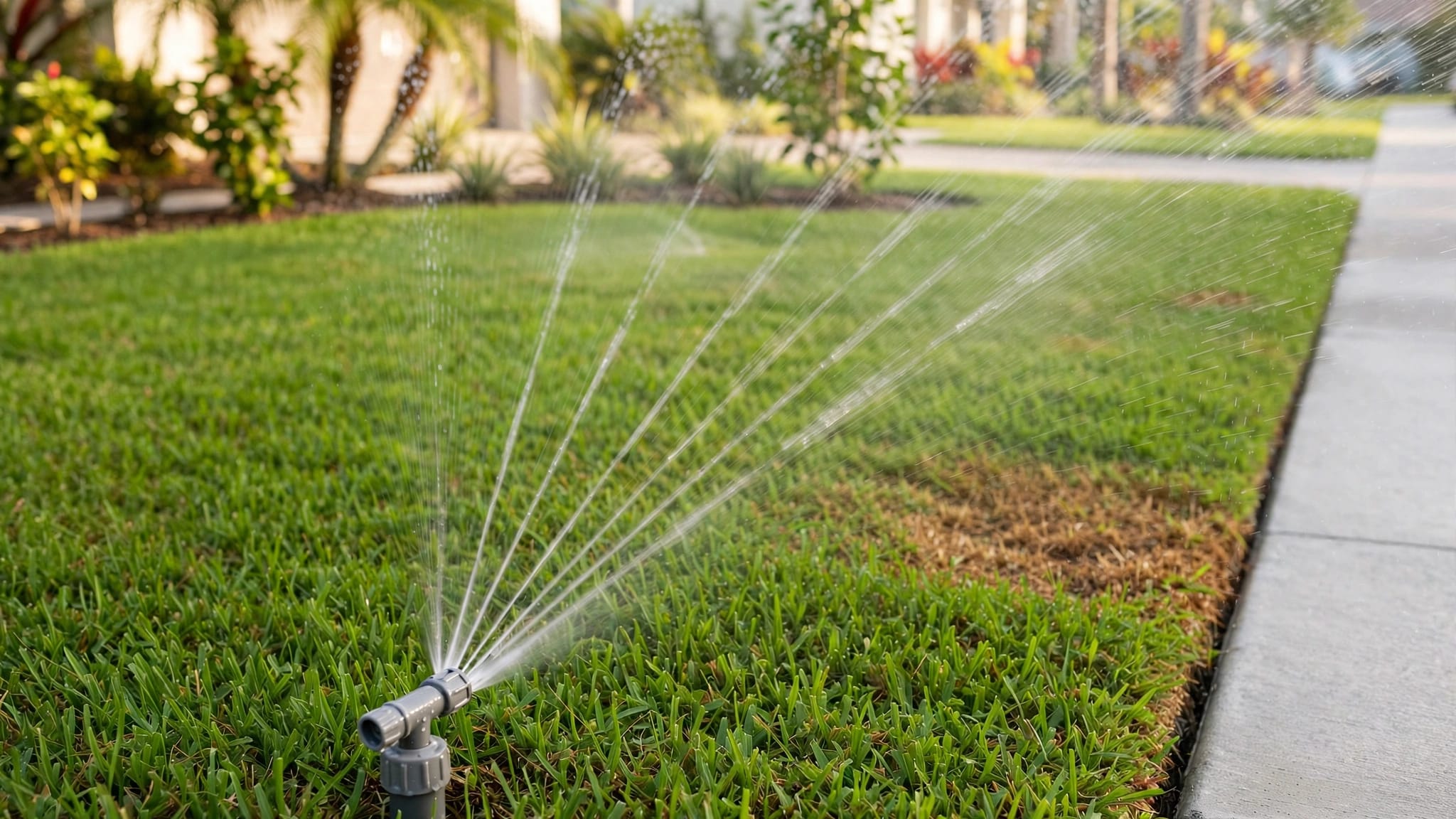
- Keep sprinklers from soaking the pavers daily.
- Sweep joints so debris doesn’t turn into weed soil.
- Schedule light professional cleaning before the surface looks “bad.”
Sealing done right keeps your pavers looking sharp and easier to maintain. Done wrong, it can peel like sunburn. If you’re not sure what your pavers need, start with cleaning and a condition check, then choose a sealer that matches Cape Coral’s weather, not just the shine you want.