


Pool Deck Drainage in Cape Coral: How to Fix Standing Water
Standing water on a pool deck in Cape Coral does more than look sloppy. It makes the surface slick, feeds algae, and gives mosquitoes a place to breed.
If the same puddle keeps showing up after rain or splash-out, the problem is usually below the surface. Poor slope, weak drainage, settling, or nearby landscaping can all push water into the wrong spot.
The good news is that you can narrow down the cause fast. Start with the source, then decide whether you need a simple cleanup or a lasting repair.
Why standing water on a pool deck is a real problem
A wet deck is a slip hazard first. Kids run, guests carry drinks, and a thin layer of water can turn a normal walkway into a fall risk.
Water also wears on the deck itself. On pavers, it can wash out joint sand and move the base. On concrete, it can slip into cracks and make small flaws worse. Around coping, constant moisture can loosen edges and stain the finish.
There's a hidden problem too. Stagnant water draws mosquitoes, and that's the last thing anyone wants near a pool. If water keeps sitting near the house, it can also work its way toward nearby foundation areas or low landscape beds.
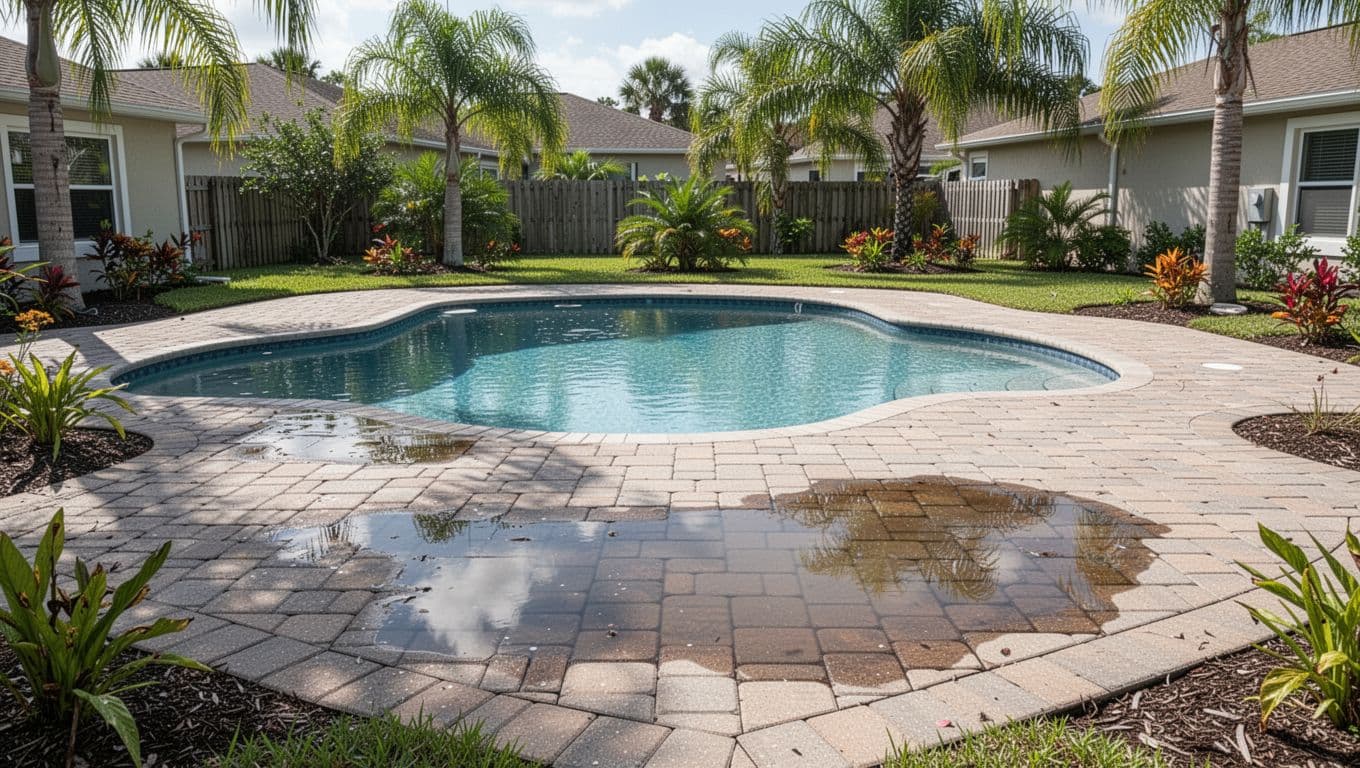
A pool deck should shed water the way a roof sheds rain. When it doesn't, the surface is telling you something is off underneath.
Find the source before you patch the surface
The best fix starts with a clear diagnosis. One puddle near a drain points to a different problem than water that spreads across the whole deck.
Here's a quick way to sort the common causes.
| What you notice | Likely cause | Lasting fix |
|---|---|---|
| Water stays in one low corner | Poor slope or settled base | Regrade or level the deck |
| Water sits near a drain | Clogged, damaged, or weak drain path | Clean, repair, or add drainage |
| Pavers rock or shift | Base washout or loose edge support | Reset pavers and rebuild the base |
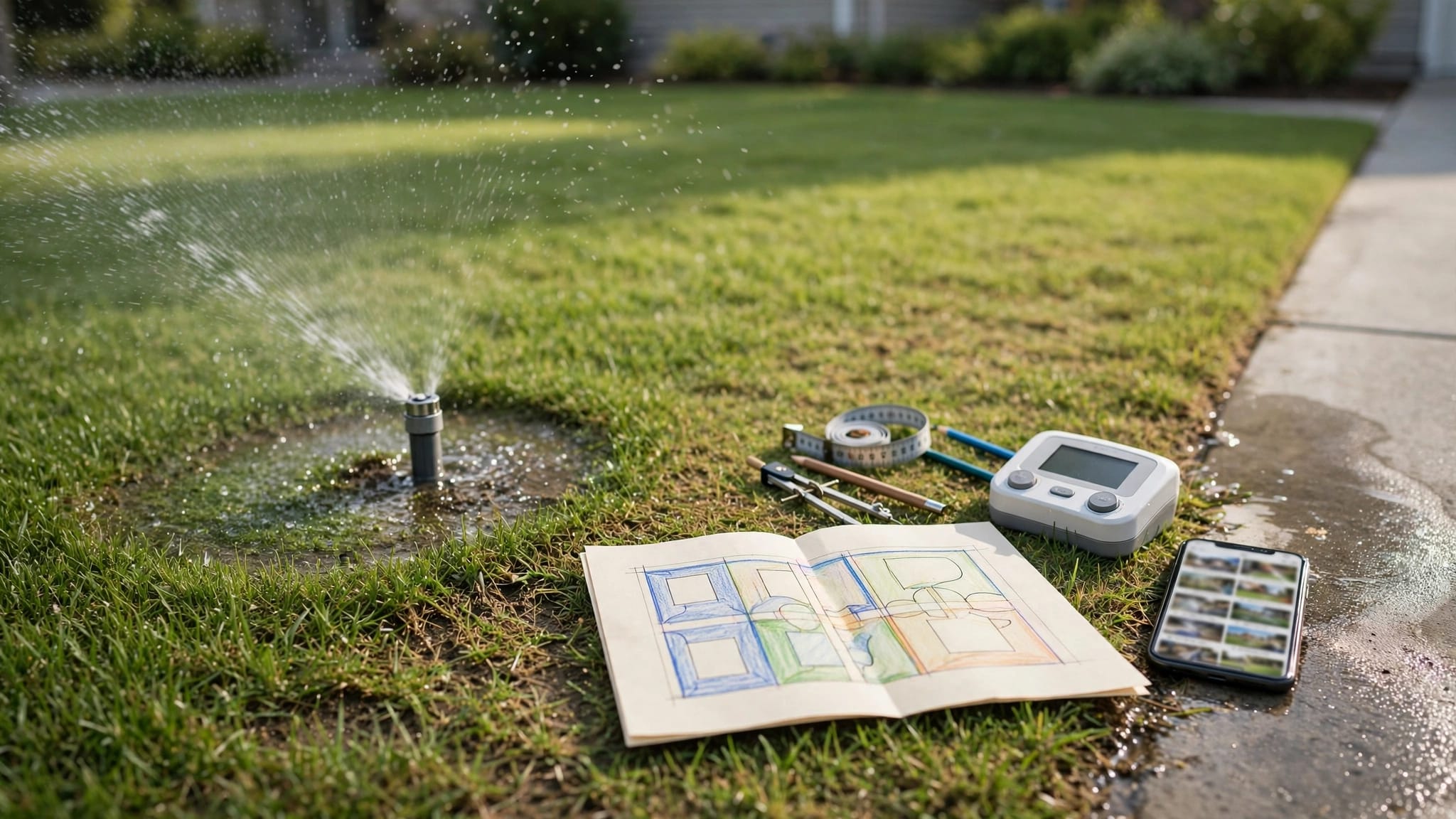
| Puddles appear after watering | Sprinkler overspray | Adjust heads and nearby landscaping |
If the deck has pavers and one section has dropped, addressing paver settling and drainage matters more than sealing the top. A patch can hide the symptom, but it won't lift a sunken section.
Walk the deck after a rain, then again during a dry spell. The pattern usually points to the problem. If the same spot stays wet every time, the slope or base is likely wrong.
Temporary fixes that help today
Some fixes buy you time. They are useful, but they are not the final answer.
Start with the easy ones:
- Sweep or squeegee standing water after storms or pool use.
- Clear leaves, pine needles, and palm debris from drain grates.
- Aim sprinklers away from the deck and coping.
- Check hose runoff, especially near side yards and equipment pads.
- Schedule paver cleaning so you can spot loose joints, washed-out sand, or early movement.
If the same spot fills up after every rain, the deck still has a drainage problem.
These steps can make the area safer right away. They also help you see whether the puddle is caused by debris, overwatering, or a real low spot.
Still, a temporary fix is like drying the floor while the pipe keeps leaking. It helps for a day, not for a season.
Lasting repairs that solve the drainage problem
The real fix depends on what's under the surface. In many Cape Coral homes, the answer is a mix of slope correction, drain work, and surface repair.
- Re-establish the slope.
Pool decks should move water away from the deck and toward a drain path. If the pitch is flat or reversed, water will keep pooling no matter how often you clean it. - Repair the drain system.
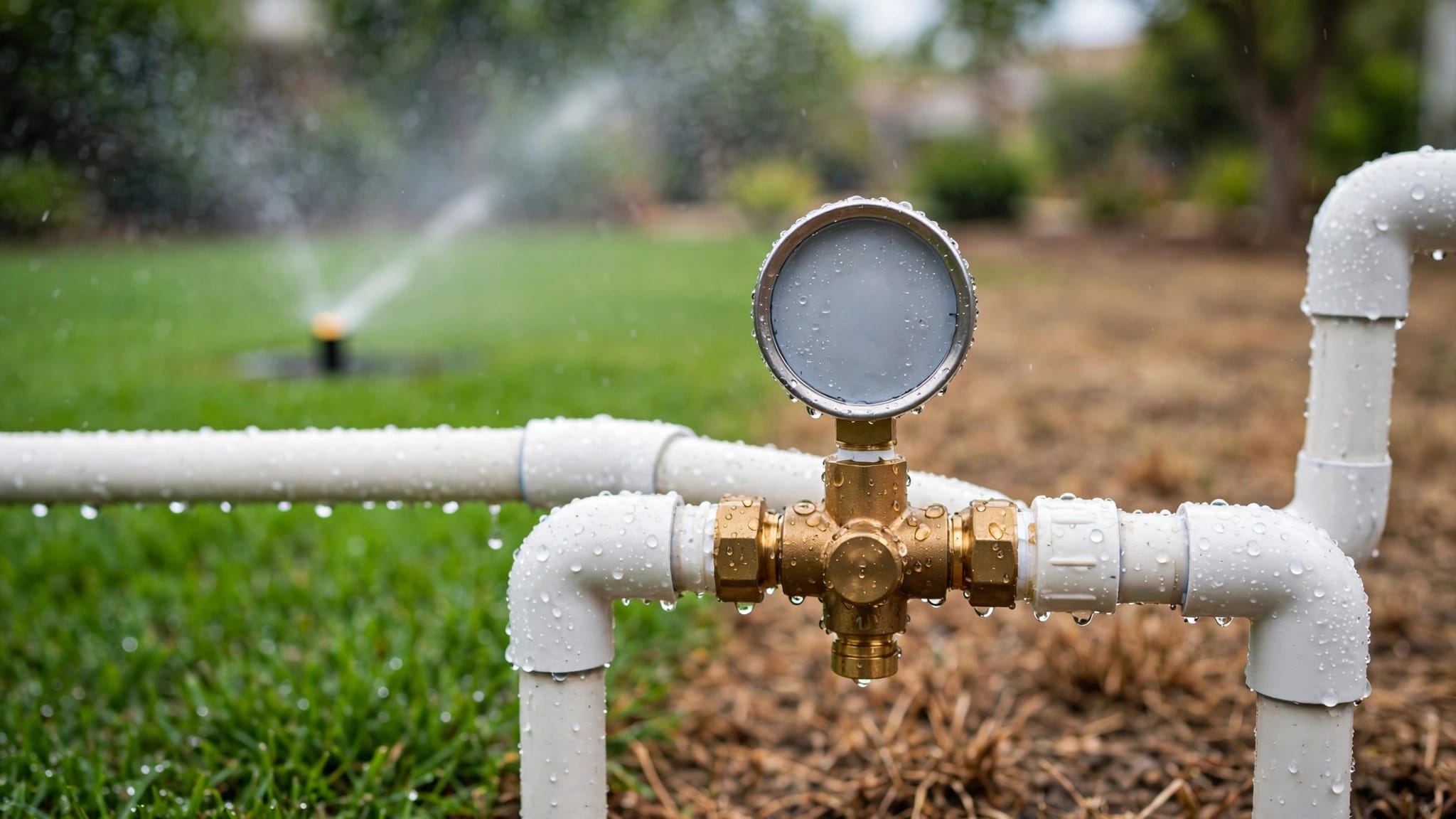
A clogged or broken drain can leave water nowhere to go. Sometimes the fix is as simple as cleaning the line. Other times, the outlet needs to be repaired or expanded. - Reset sunken pavers.
If pavers have dropped, the base may need to be rebuilt and compacted. A proper repair also checks the edge support so the problem doesn't return. For that kind of work, professional paver repair services are often the safest route. - Fix concrete settlement or cracking.
If the deck is poured concrete, a concrete company can inspect the slab, correct uneven areas, and repair damage before water gets deeper into the problem. Small cracks around standing water often grow faster than people expect. - Rework the border areas.
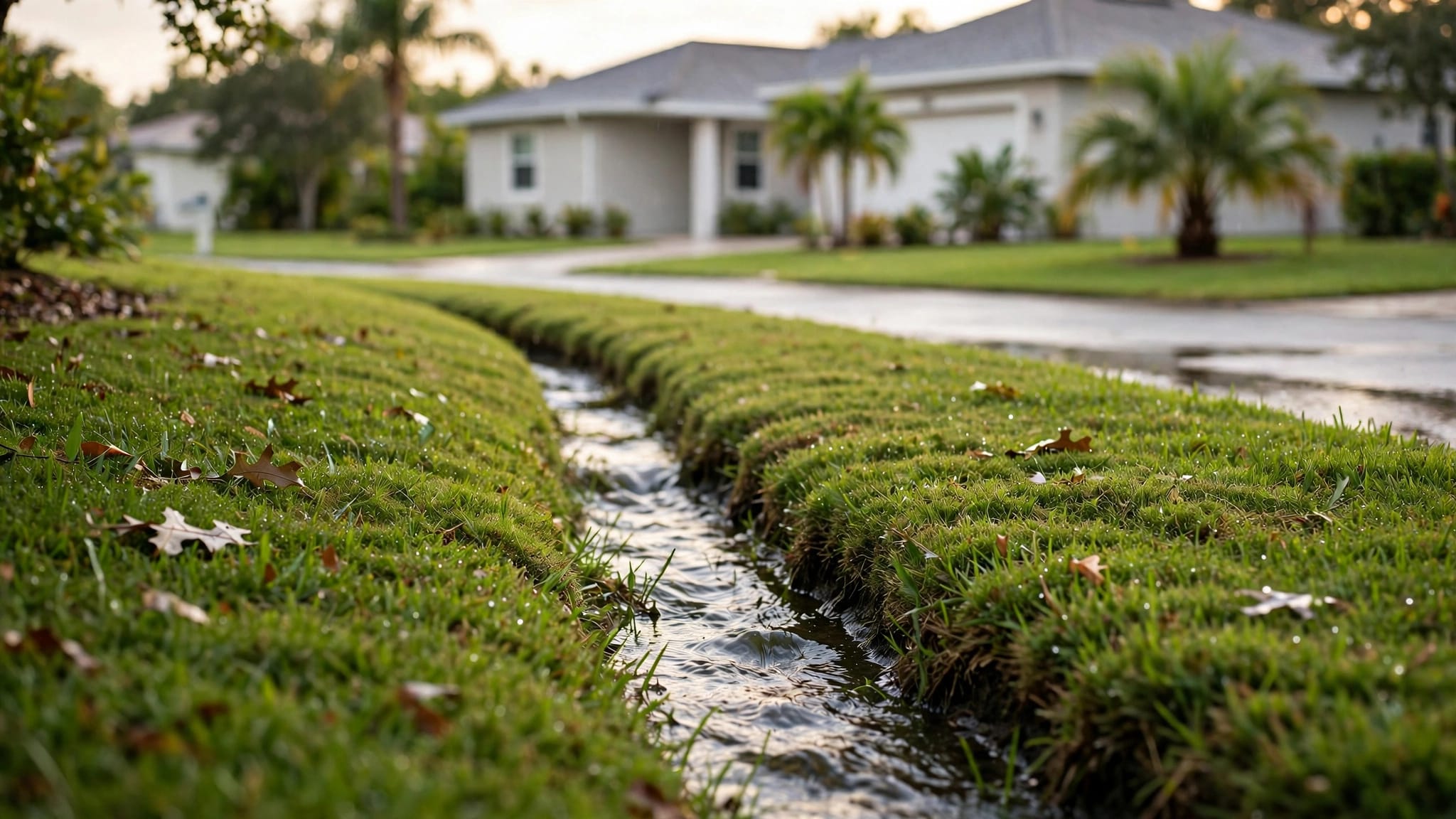
Sometimes the deck is fine, but the surrounding grade sends water back toward it. That's where landscaping changes matter. Soil, mulch, stone, and plant beds all affect where runoff ends up.
Good repairs deal with the water path, not just the wet spot. That is what makes them last.
When a professional inspection is the smart move
Some puddles are simple. Others point to a bigger issue that needs tools, measurements, and the right repair plan.
Call a professional if you notice any of these signs:
- Water stays on the deck long after the rain stops.
- Pavers feel loose, hollow, or uneven underfoot.
- Concrete has cracks, lifted edges, or a visible dip.
- Drain grates collect water but the area still floods.
- The deck slopes toward the pool, the house, or a side yard.
- You see soil washout, sinking, or gaps near the edge.
A pro can inspect the deck, check the slope, test drain flow, and look for base failure. That matters because a low spot can hide a bigger washout under the surface.
If the problem is on the edge of a paver deck, preventing paver shifting and separation is part of the repair. Weak edge support lets pavers drift, which creates new low spots over time.
This is the point where guesswork gets expensive. A quick review by someone who handles drainage, regrading, and deck leveling can save a lot of rework later.
Landscaping choices that help water move away
Drainage is not only a deck problem. The yard around the deck plays a big part too.
Heavy mulch beds can hold water against the edge. High soil lines can trap runoff. Dense plant beds may slow drainage and keep the area damp longer than it should be. Good landscaping works with the deck, not against it.
Keep these habits in mind:
- Slope beds away from the pool deck.
- Avoid piling mulch above the deck edge.
- Keep downspout discharge away from paved areas.
- Trim plants that block water flow or hold moisture.
- Watch irrigation settings after seasonal changes.
In narrow side yards, artifical turf can make sense when constant splash and muddy runoff are part of the problem. It won't fix poor drainage by itself, but it can reduce mess and cut down on soggy ground near the deck.
The goal is simple. Give water a clear path out, then keep the deck edge clean and open.
Conclusion
Standing water on a pool deck is more than a nuisance. It is a warning sign that the slope, drain path, or base needs attention.
Start with the source, use temporary fixes only as a short-term step, then move to a repair that solves the water flow for good. With the right drainage, the deck stays safer, cleaner, and easier to enjoy.
If puddles keep coming back, the real fix is usually underneath the surface, not on top of it.