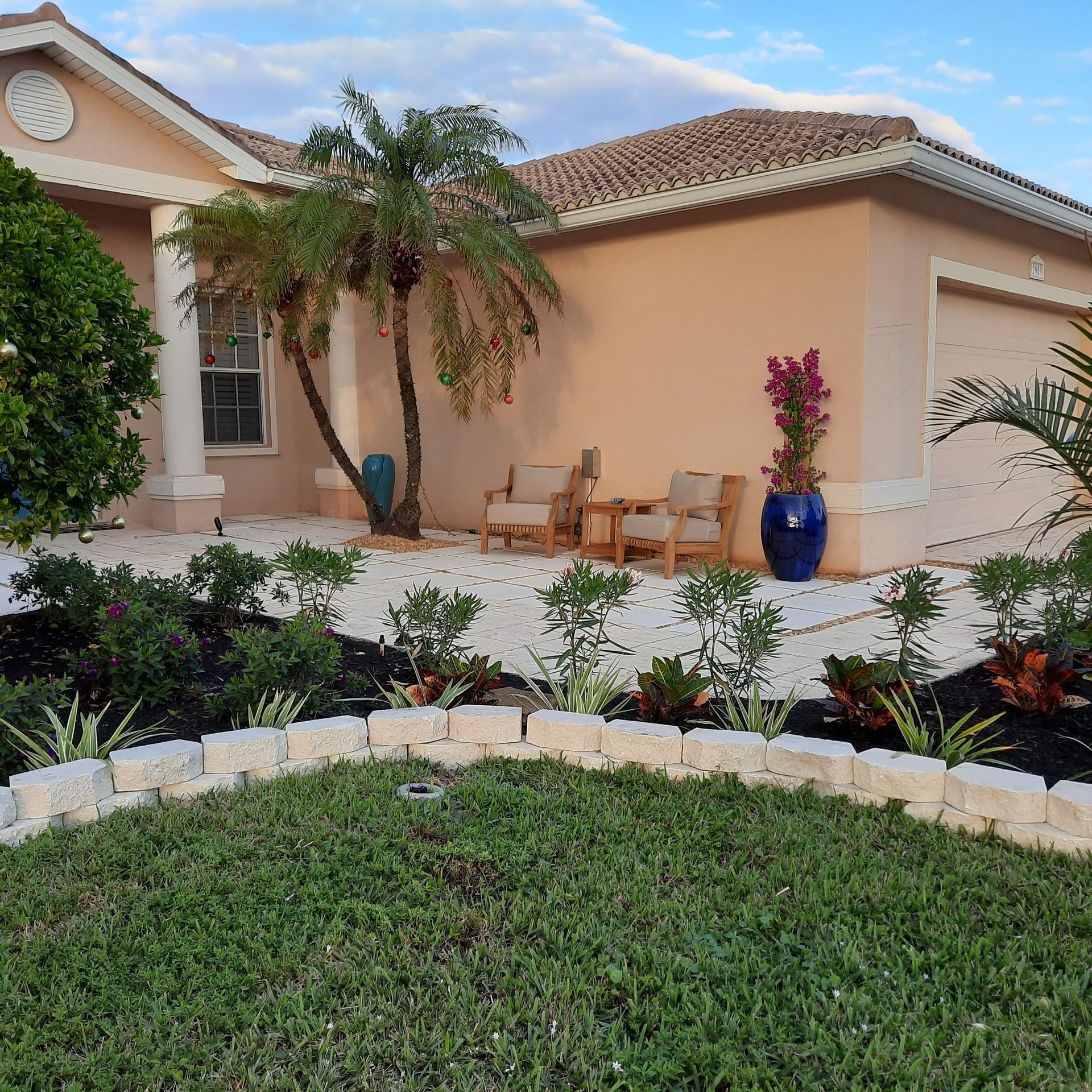



Waterfront Landscaping Cost in Cape Coral: 2026 Price Guide
Waterfront yards in Cape Coral almost always cost more than inland yards. Water changes everything, from drainage to plant choice to how close crews can work near a seawall.
If you are planning waterfront landscaping cost for 2026, the real number depends on more than plants and mulch. Lot size, canal or river frontage, access, seawall condition, and labor all shape the final bid.
That is why two homes on the same street can land in very different price ranges. The smartest budget starts with the site, then builds the look around it.
What pushes waterfront pricing up in Cape Coral
Waterfront landscaping looks simple from the street, but the work below the surface drives a lot of the price. Cape Coral lots often deal with sandy soil, high water, salt spray, and narrow work areas.
A bid can move up fast when the project includes:
- Lot size and frontage . A small canal lot is a different job than a wide river lot.
- Access . Tight side yards, docks, gates, and limited equipment access add labor time.
- Seawall condition . Cracks, erosion, and height changes can affect grading and edging.
- Drainage . Standing water and runoff often need grading, drains, or basin tie-ins.
- Salt tolerance . Plants that hold up near the water usually cost more than basic nursery picks.
- Hardscape choices . Pavers, concrete borders, lighting, and retaining details all add material and labor.
- HOA and permit work . Review time and plan changes can add cost before the first shovel hits the ground.
In 2026, many waterfront bids are running a little above last year because labor and materials keep moving. That does not mean every project is expensive. It means the yard has to be planned well.
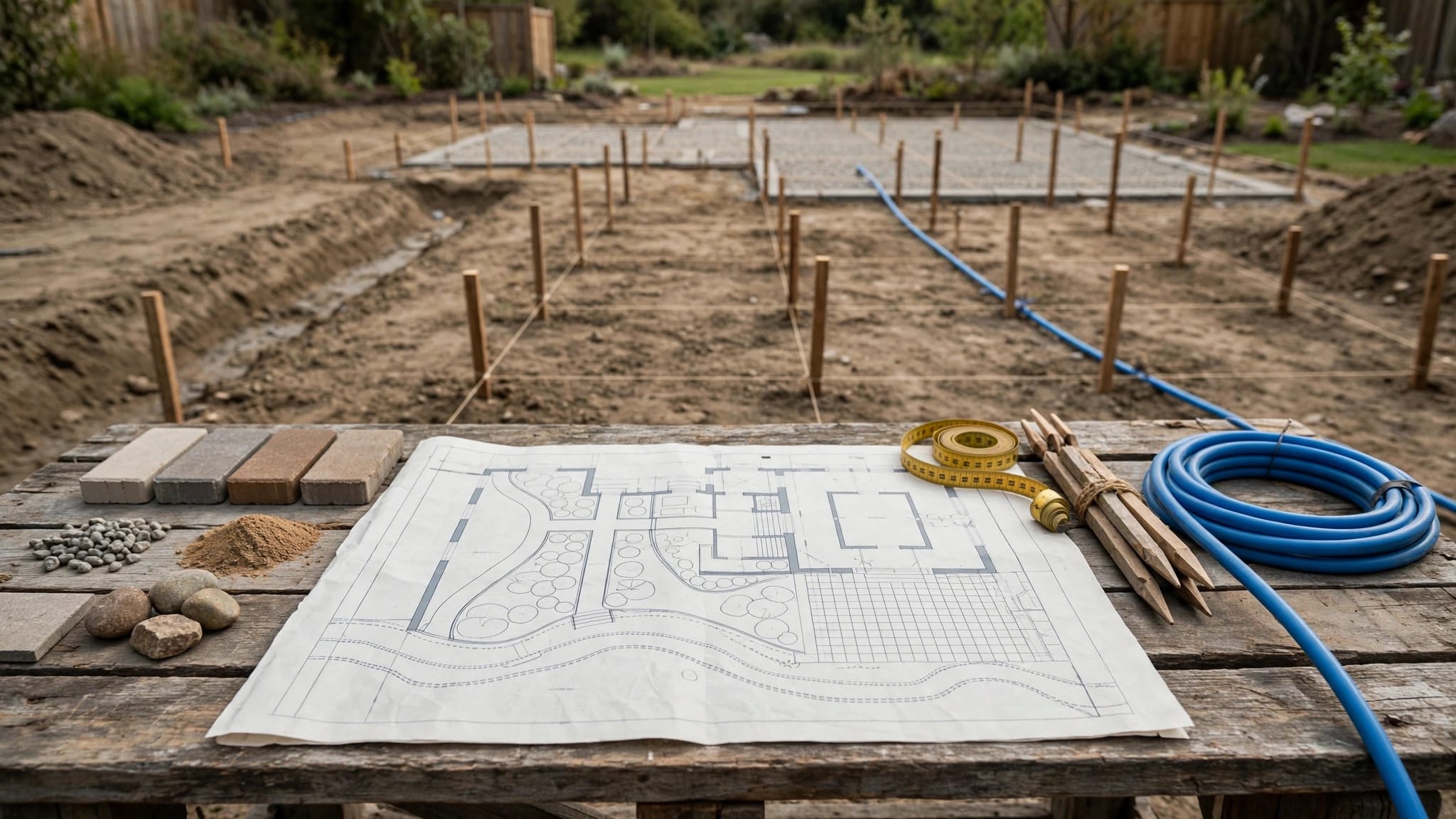
Homeowners who want a full layout often start with Cape Coral landscape design services, because the design has to protect the view and handle water at the same time.
2026 waterfront landscaping cost ranges at a glance
Here is a quick look at typical Cape Coral pricing for common waterfront projects. These are planning ranges, not fixed quotes.
| Project type | Typical 2026 range in Cape Coral | What usually changes the price |
|---|---|---|
| Basic waterfront refresh | $3,000 to $8,000 | Cleanup, mulch or rock, a few plants, and small sod repairs |
| Planting beds | $1,000 to $4,000 | Bed size, edging, drainage, and plant count |
| Palm or tree installation | $150 to $3,000 each | Species, height, root ball size, staking, and transport |
| Rock or mulch | $1,500 to $6,500 | Material choice, prep work, haul-off, and access |
| Irrigation upgrades | $1,200 to $5,500 | New zones, controller work, leak repair, and backflow needs |
| Landscape lighting | $1,500 to $6,000 | Fixture count, wiring, transformer, and weather resistance |
| Paver paths or patios | $10 to $30 per sq. ft. | Base prep, pattern detail, access, and edge finishing |
| Edging or low retaining features | $500 to $4,500 | Material, curves, tie-ins, and seawall conditions |
| Full design-build project | $15,000 to $40,000+ | Grading, plant package, drainage, hardscape, and permits |
The biggest jump usually comes from drainage and hardscape. A simple refresh stays manageable. A full redesign with pavers, lighting, irrigation, and planting can climb fast.
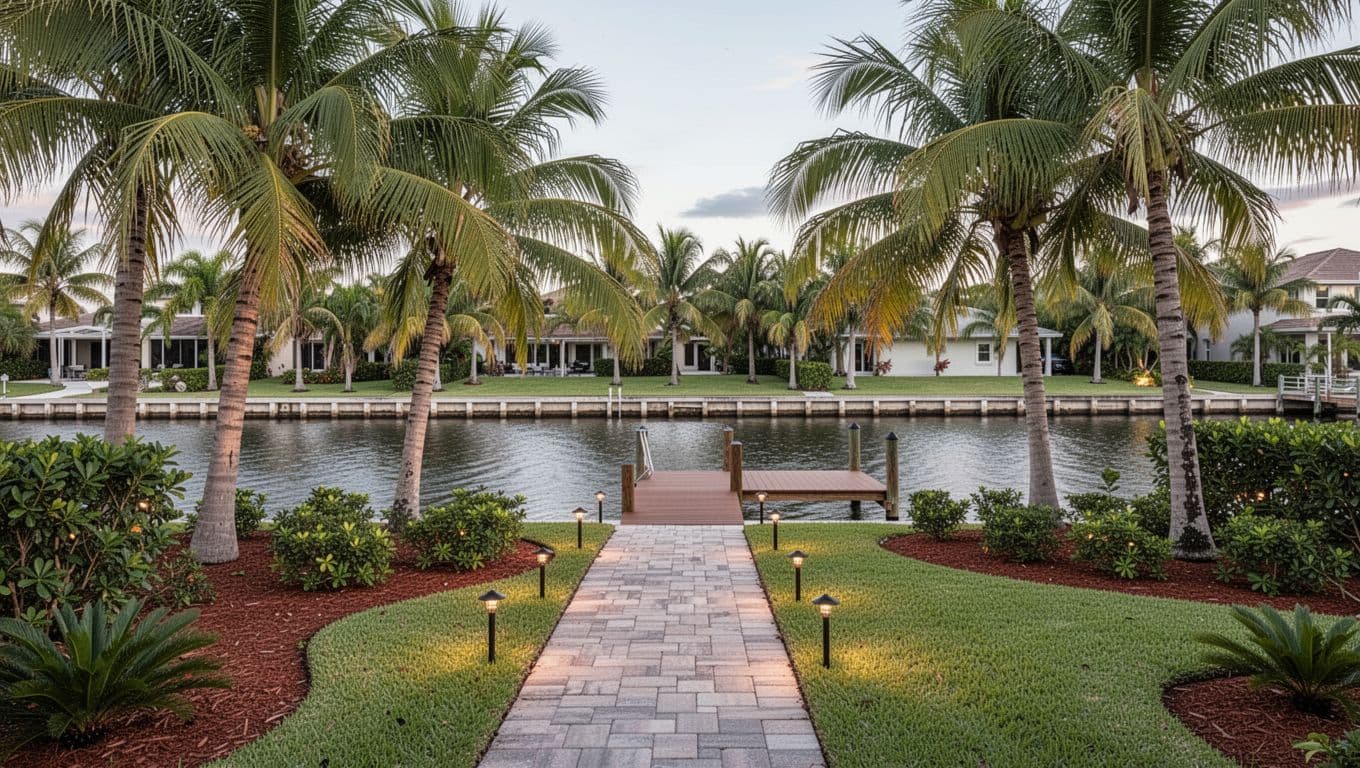
Common waterfront projects and what they really cost
Waterfront jobs often blend softscape and hardscape. That mix is where the budget gets more interesting.
Planting beds and palms that can handle salt
Planting beds usually fall around $1,000 to $4,000, depending on size and plant count. Palm and tree installs can run from $150 to $3,000 each, mostly based on size and species.
Near the water, salt-tolerant and Florida-friendly plants matter more than flashy color. Sea grape, saw palmetto, cocoplum, and sabal palm are common examples. They hold up better than thirsty ornamentals that wilt under salt spray and wind.
Tall planting can also block a view if it is placed badly. A good plan layers height, so you get privacy without closing off the canal or river. That is where a thoughtful layout matters more than buying bigger plants.
Rock, mulch, and artifical turf choices
Rock and mulch are usually the easiest places to control cost. A waterfront yard may spend $1,500 to $6,500 here, depending on prep and material.
Rock tends to last longer near splash zones and windy corners. Mulch costs less up front, but it needs touch-ups after heavy rain and storm season. In a salty yard, that maintenance gap becomes obvious.
Some homeowners search for artifical turf when they want a lower-water lawn option. That choice can make sense for small side yards, shaded spots, or areas that are hard to irrigate. If you want to compare real grass and synthetic options, sod and artificial grass in Cape Coral is worth a look before you lock in the plan.
Paver paths, patios, and clean edges
Paver paths and patios usually land around $10 to $30 per square foot in Cape Coral. Small walks may stay near the low end. Larger patios with more pattern detail can move higher.
This is also where a lot of waterfront curb appeal shows up. A simple path to the dock, a sitting pad, or a grill area can make the yard feel finished.
If your project includes new hardscape, paver installation and repair in Cape Coral is a good match for the kind of work waterfront homes need. Salt, sand, and steady foot traffic can wear a surface down faster than people expect.
A local concrete company can also help with simple pads, curbs, and clean border lines. Concrete is often a good fit where you want a straight, durable edge without the detail of a full paver field.
The cheapest waterfront yard is usually the one that handles water well the first time.
Waterfront challenges that change the bid
Cape Coral waterfront lots have a few extra problems that inland yards never face. The biggest one is water itself.
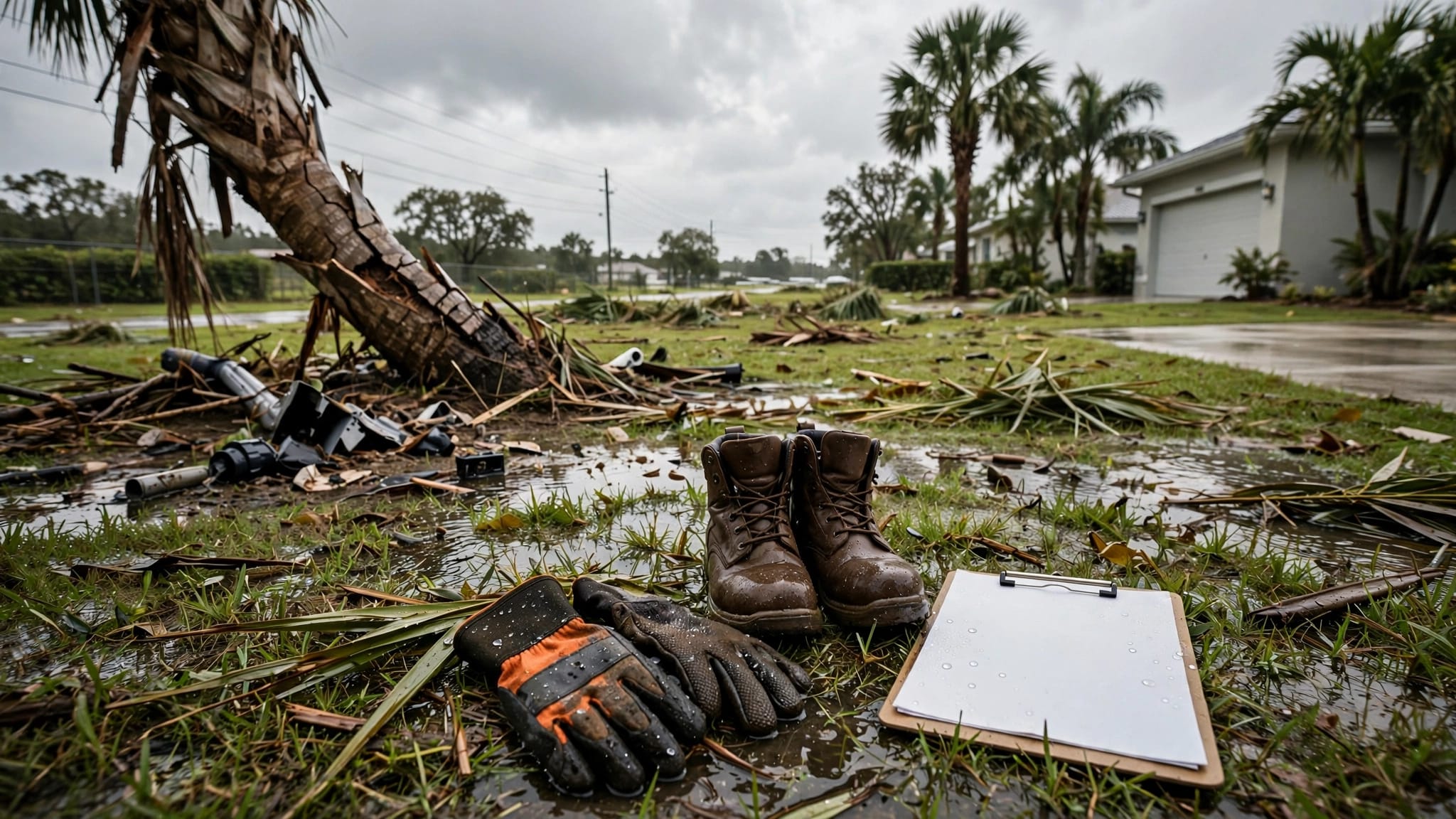
Salt spray can burn leaves and thin out weak plants. Flooding can wash mulch into the canal and leave roots exposed. Storm winds can snap tall, shallow-rooted plants if they are placed too close to the edge.
Soil is another issue. Sandy soil drains fast, but it also shifts and erodes easily. That means grading, root support, and bed edges matter more than they do in heavier soil.
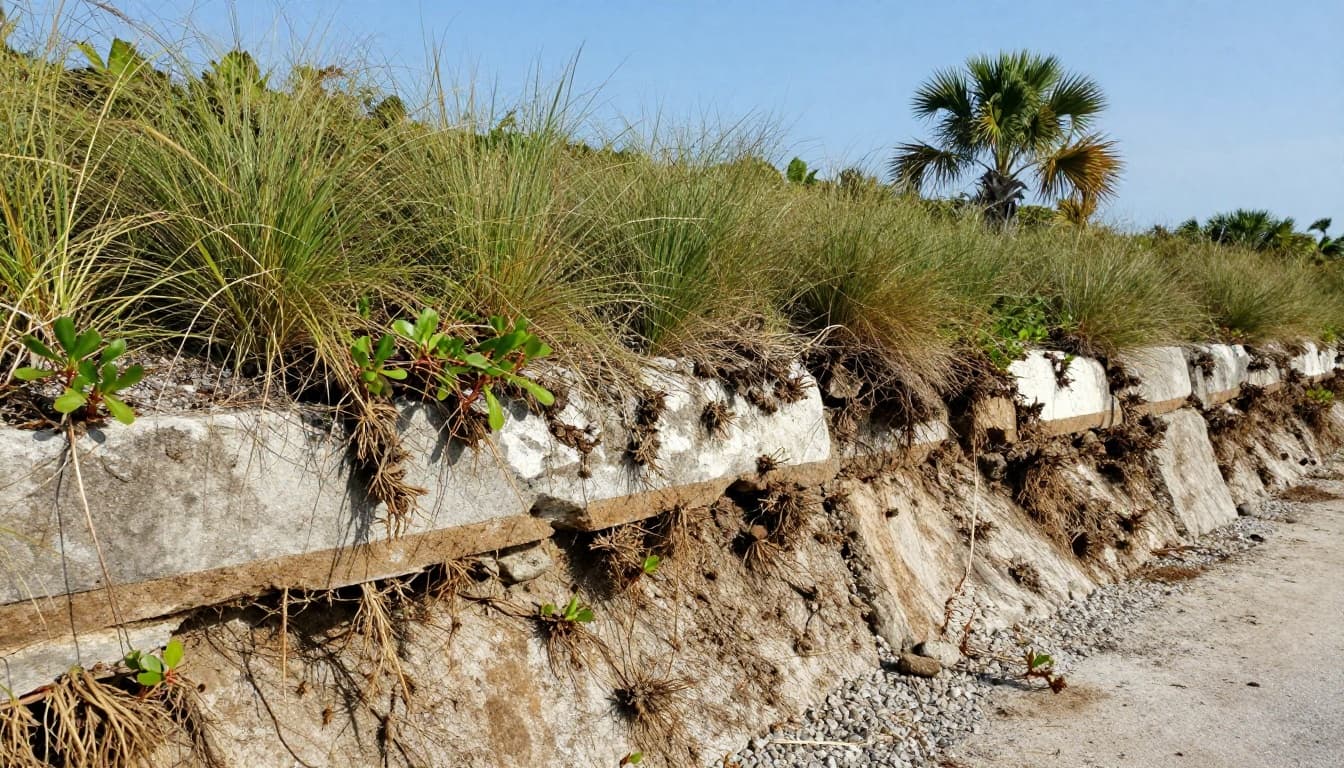
Seawall conditions can change the whole scope. If the wall is cracked, low, or already showing erosion, the landscape plan has to work around that first. In some cases, the contractor has to stage the design so plants, edging, and drains do not fight the wall.
Permits and HOA rules also matter. Some properties need review before irrigation changes, clearing, or work near the waterline. Environmental restrictions can limit what you plant or where you place hard surfaces. In Cape Coral, that is part of the process, not a surprise.
When drainage, seawall limits, and plant rules are all in play, the bid reflects more than labor. It reflects the time needed to do the site the right way.
How to budget wisely without cutting corners
The best waterfront budgets put money where it does the most work. That usually means starting below the surface, then adding the visual pieces.
A simple way to think about it is this:
- Fix drainage first . Water has to move away from the house and hardscape.
- Pick the right plants . Salt-tolerant, native, and coastal plants usually last longer.
- Use hardscape where it counts . Put pavers, concrete, or edging where people walk and gather.
- Choose low-maintenance surfaces . Rock and turf can cut down on watering and cleanup.
- Protect the view . Use lower layers near the water, then build privacy with selective height.
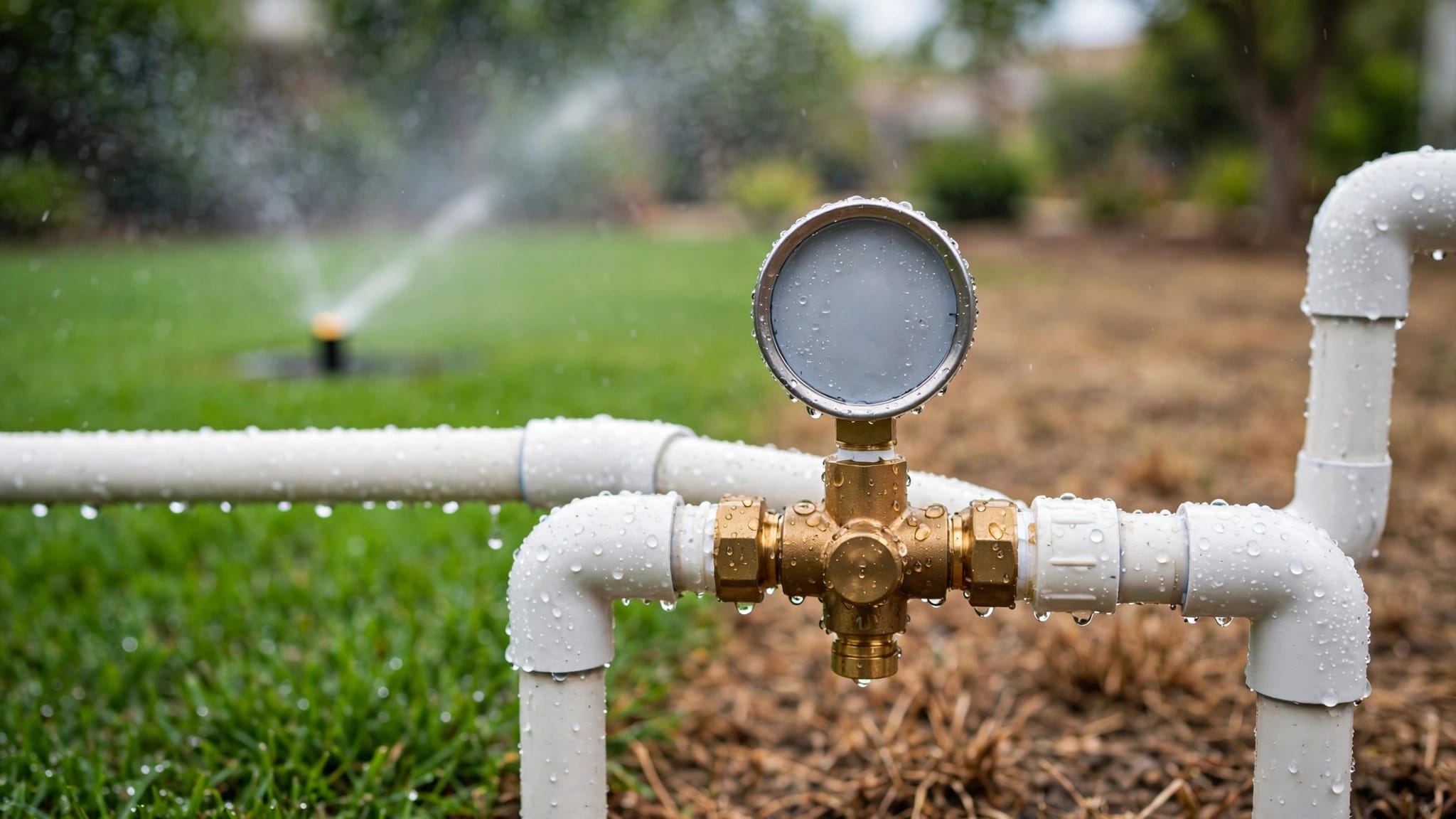
Irrigation is a good example. A beautiful planting plan can fail fast if the system is weak. If you already have leaks, dead zones, or controller problems, irrigation repair costs in Cape Coral should be part of the budget before new plants go in.
That order keeps you from spending money twice. It also helps the yard hold up through summer heat, heavy rain, and storm season.
What long-term upkeep really costs
Waterfront landscaping is not a one-and-done job. It needs upkeep, and the maintenance schedule can affect your total cost as much as the install.
Mulch usually needs refreshing more often than rock. Plants need pruning after wind events. Irrigation systems need checks for leaks, clogged heads, and broken valves.
Paver surfaces need care too. Paver cleaning helps keep sand, salt film, algae, and stains from building up. In some cases, re-sanding and sealing also make sense, especially near docks or splash zones. If you skip that work, the patio can start to look older than it is.
Natural grass also has trade-offs. It gives a softer look, but it needs more water and more touch-ups. Synthetic turf lowers mowing and watering needs, but it still needs drainage planning and periodic cleaning.
A practical upkeep budget for waterfront yards often includes:
- Seasonal pruning and dead plant replacement
- Irrigation checks before and after storm season
- Mulch top-offs or rock rinse-downs
- Paver cleaning and occasional re-sanding
- Lighting repairs after heavy weather
- Minor erosion fixes near bed edges and seawalls
If you plan for those costs early, the yard stays cleaner and holds its value better.
When a full design-build project makes sense
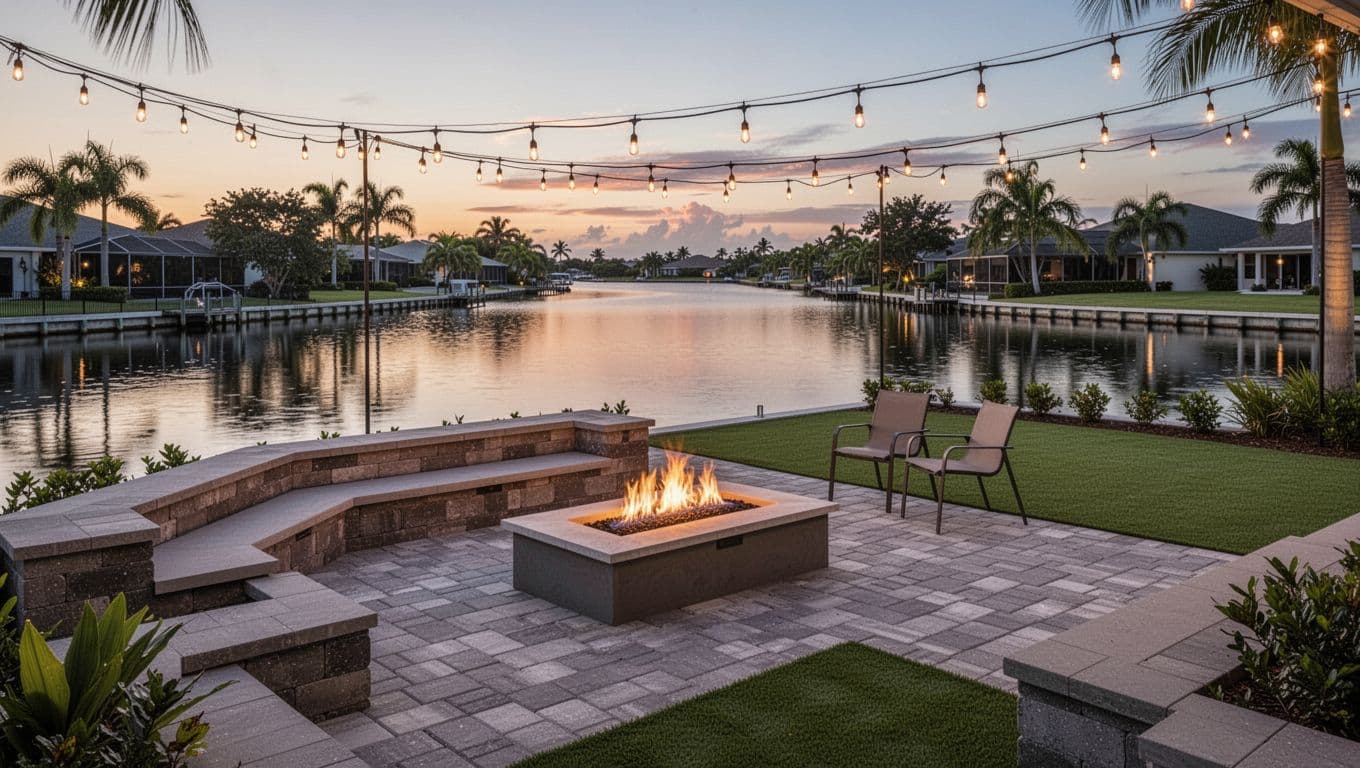
Some yards need more than a refresh. If the lot has drainage trouble, a damaged edge, old pavers, weak irrigation, and poor plant choice, a full design-build approach can save time and rework.
That is the kind of project where the budget often lands between $15,000 and $40,000 or more. The range is wide because each piece affects the next one.
A full build might include:
- Grading and drainage correction
- New planting beds with salt-tolerant shrubs
- Palms or trees placed to preserve the view
- Paver paths or a seating area
- Edging or low retaining features
- Irrigation fixes or zone changes
- Low-voltage lighting
- Sod or artifical turf in selected areas
This is the point where design matters most. The wrong layout can make a waterfront yard feel cramped. The right one keeps the line of sight open and still gives you privacy where you need it.
Conclusion
Cape Coral waterfront landscaping costs more when the yard has to work against water, salt, and access limits. That is normal. It is also why two yards with the same square footage can end up with very different bids.
The most useful 2026 budget is the one that starts with drainage, seawall conditions, and plant choice, then adds the features that make the yard feel finished. If those basics are handled well, the result lasts longer and looks better through storm season.
For waterfront homes, good landscaping is not just about style. It is about building a yard that fits the water instead of fighting it.