


Pool Coping Materials Guide for Cape Coral Remodels
Cape Coral sun can turn the wrong pool edge into a hot, slick nuisance fast. The best pool coping materials handle heat, rain, salt air, and daily use without looking worn out after one season.
If you're remodeling a backyard pool, coping is one of the smallest details with the biggest impact. It frames the water, protects the shell, and helps the whole deck feel finished. It also has to work with your landscaping, your patio layout, and the way your family uses the space.
The right choice depends on more than color. Start with performance, then narrow the finish.
Why pool coping matters in a Cape Coral remodel
Pool coping sits where the pool shell meets the deck. That edge takes a beating in Southwest Florida. Strong sun bakes the surface, afternoon storms soak it, and humidity hangs around long after the rain stops.
A good coping profile helps water drain away from the pool. It also gives swimmers a safer place to step, sit, and move around the edge. That matters when the deck gets wet and people are walking barefoot.
Comfort is a big part of the decision too. Dark or dense materials can get hot quickly. Rough surfaces can feel harsh on bare feet. At the same time, a smooth finish without enough grip can become slippery after a downpour.
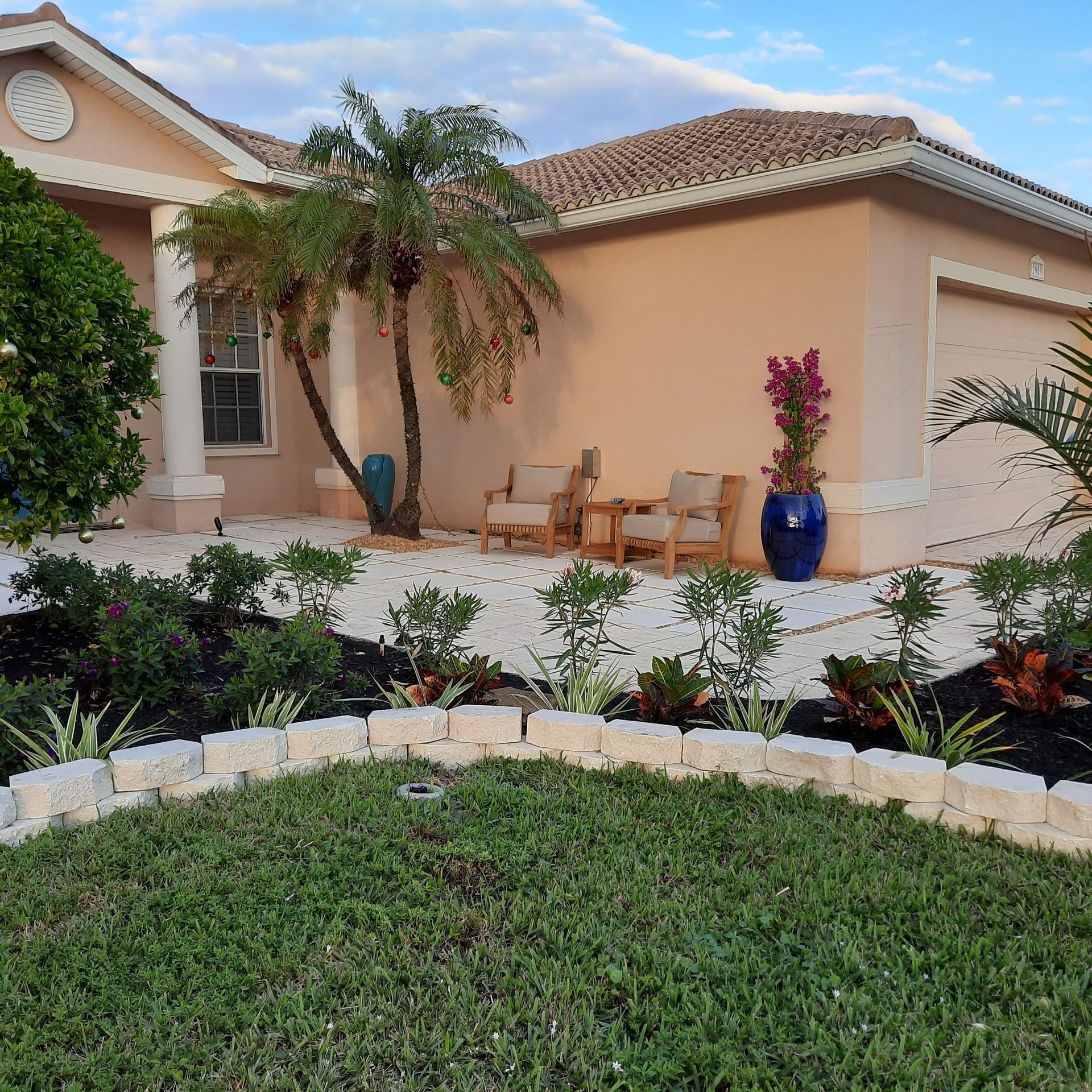
Coping also ties into the rest of the remodel. If you are updating pavers, freshening up plant beds, or adding lighting, the edge material should fit the whole space. A pool deck should feel intentional, not patched together.
Pool coping materials compared side by side
Here is a quick look at the most common options for Cape Coral pool remodels.
| Material | Best for | Cape Coral strengths | Watch-outs |
|---|---|---|---|
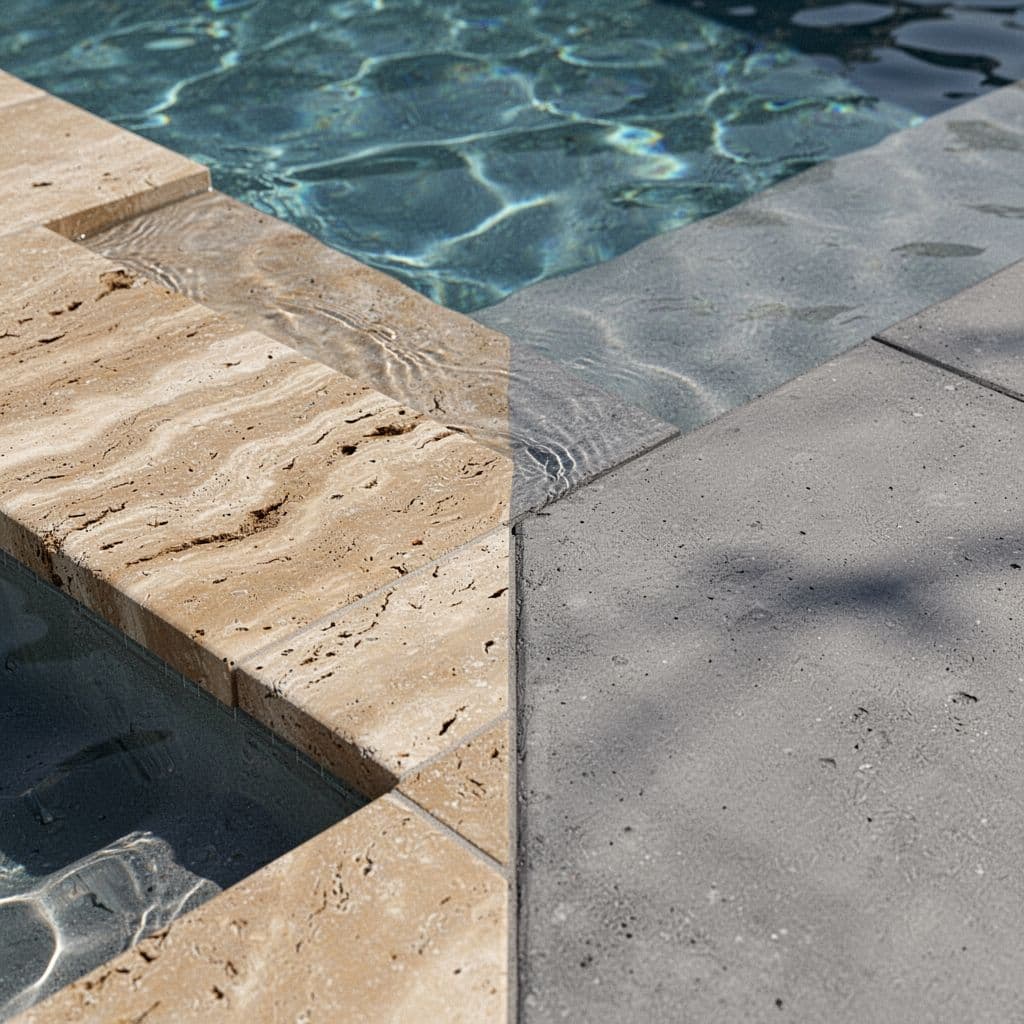
| Travertine | Cooler footing and a classic look | Stays cooler than many hard surfaces, has good grip when finished right, fits coastal styles | Costs more, needs sealing, and can show wear if installed poorly |
| Concrete pavers | Flexible remodels and budget control | Easy to match with decks, simple to replace one piece, handles minor movement well | Joints need care, color can fade, and paver cleaning helps it stay sharp |
| Poured concrete | Simple edges and lower-cost repairs | Easy for a concrete company to form, repair, or tie into existing slabs | Can crack, can hold heat, and finish quality matters a lot |
| Porcelain | Modern looks and low water absorption | Resists stains, keeps color well, and cleans up easily | Needs skilled installation and a solid base |
| Natural stone | Custom, high-end designs | Strong curb appeal and natural texture | Quality varies, some stones get hot, and upkeep can be higher |
Travertine and concrete pavers are popular for a reason. They balance comfort, style, and everyday use. Porcelain works well when the install team knows how to handle the base and edges. Poured concrete can still make sense when the budget is tighter or when the existing deck already leans that way.
If you're comparing deck-wide costs too, Cape Coral pool deck paver pricing is a useful place to start.
Which materials hold up best in Cape Coral heat and rain
A material that looks great in a showroom can behave very differently in full Florida sun. The best options handle heat, water, and constant use without much drama.
Travertine for cooler footing
Travertine stays comfortable under bare feet better than many darker surfaces. It also has a soft, coastal look that fits a lot of Cape Coral homes. When it's sealed and installed well, it sheds water nicely and gives the deck a polished finish.
It does need care. Cheap pieces, poor leveling, or skipped sealing can shorten its life. Still, for many homeowners, travertine is the most balanced mix of comfort and style.
Concrete pavers for flexible repairs
Concrete pavers are a strong choice when you want design options and easier repairs. If one piece gets damaged, it can usually be replaced without redoing the whole edge. That helps around busy pools where furniture gets moved and feet never stop crossing the deck.
They also work well with nearby landscaping and other hardscape details. The tradeoff is upkeep. Joints need attention, and yearly paver cleaning can keep the deck looking fresh after months of sun, dirt, and splash-out.
Poured concrete and porcelain for different priorities
Poured concrete fits remodels that need a straightforward edge or a tighter budget. A skilled crew can shape it cleanly and connect it to existing slabs. The risk is cracking and heat. Good control joints and a better finish help, but they do not remove those issues.
Porcelain brings a sharper, more modern look. It handles moisture well and keeps its color. That makes it appealing near salt air and heavy use. It also needs a crew that knows pool work, because the base and edge details matter more than they do with many other surfaces.
Cape Coral weather exposes weak coping fast. The install matters as much as the material.
Design details that improve safety and curb appeal
The material choice is only half the job. Edge shape, texture, and color all change how the pool feels in daily use.
A rounded or eased edge is easier on the feet and hands. A sharper profile may look crisp, but it can feel harsh around swimmers and kids. Texture matters too. Enough grip helps after rain, but too much roughness can be uncomfortable.
Color is part of the comfort equation. Light tones usually stay cooler in direct sun. Dark grays and deep browns can heat up fast. In Cape Coral, that difference is easy to feel by midday.
The coping should also work with the full yard. If your pool sits beside dense landscaping, clean paver lines can keep the area from feeling busy. If you use artifical turf, a simple coping edge can help the transition look neat and low-maintenance.
A few practical checks help narrow the field:
- Choose a finish you can walk on barefoot in full sun.
- Match the texture to how often the deck gets wet.
- Pick a color that fits your house and outdoor furniture.
- Make sure drainage moves water away from the pool edge.
Those small choices often matter more than a fancy material name.
Getting the remodel details right
Good coping work starts below the surface. Base prep, slope, and edge support all affect how long the finish lasts. If the pool beam needs repair or the deck has settled, a concrete company with pool experience can handle the structure before the new coping goes in.
That matters in Cape Coral, where rain can expose weak spots fast. A poor base can leave uneven edges, loose pieces, or standing water near the pool. The right crew checks those details before setting a single stone.
Ask direct questions before you commit:
- How will you handle slope and drainage near the pool edge?
- What maintenance will the material need after install?
- Who handles deck repairs, beam fixes, or cracked sections?
- If you choose pavers, how do you handle sealing and future paver cleaning?
A clean quote should spell out the material, the labor, and any repair work. It should also explain what happens if the existing deck needs more prep than expected.
The best remodels often pair coping with the rest of the surface plan. That might mean matching new deck pavers, refreshing the shell, or tying in the rest of the outdoor area so it feels complete. When all of it works together, the pool edge looks natural instead of added later.
Conclusion
Cape Coral puts pool edges through heat, rain, humidity, and salt air, so coping has to do more than look good. The best pool coping materials stay comfortable, grip well when wet, and fit the way you use the deck every day.
Travertine often wins on comfort. Concrete pavers give you repair flexibility. Porcelain brings a cleaner modern look, while poured concrete can fit tighter budgets and simpler builds. The right answer depends on your deck, your maintenance habits, and the rest of your outdoor space.
Start with the climate, then compare upkeep, then look at real samples in full sun. That is usually where the best choice becomes clear.