


Mole Cricket Damage in Cape Coral Lawns: What to Do
Mole cricket damage can turn a thick Cape Coral lawn into a patchy, loose mess before many homeowners spot the insects. Raised soil, lifted grass, and thinning patches often appear first in bermudagrass and bahiagrass, but St. Augustinegrass and zoysiagrass can suffer too.
These pests thrive in Southwest Florida's warm, sandy soil. However, similar symptoms can come from chinch bugs, grubs, drainage problems, irrigation issues, or animals. Correct identification should come before treatment, especially when pesticide use is involved.
Mole Cricket Damage in Cape Coral Lawns: First Signs
Mole crickets spend much of their time below the surface. Their shovel-like front legs push through the soil, creating shallow tunnels that loosen turf roots. Some species also feed on grass roots and shoots, which increases thinning and dieback.
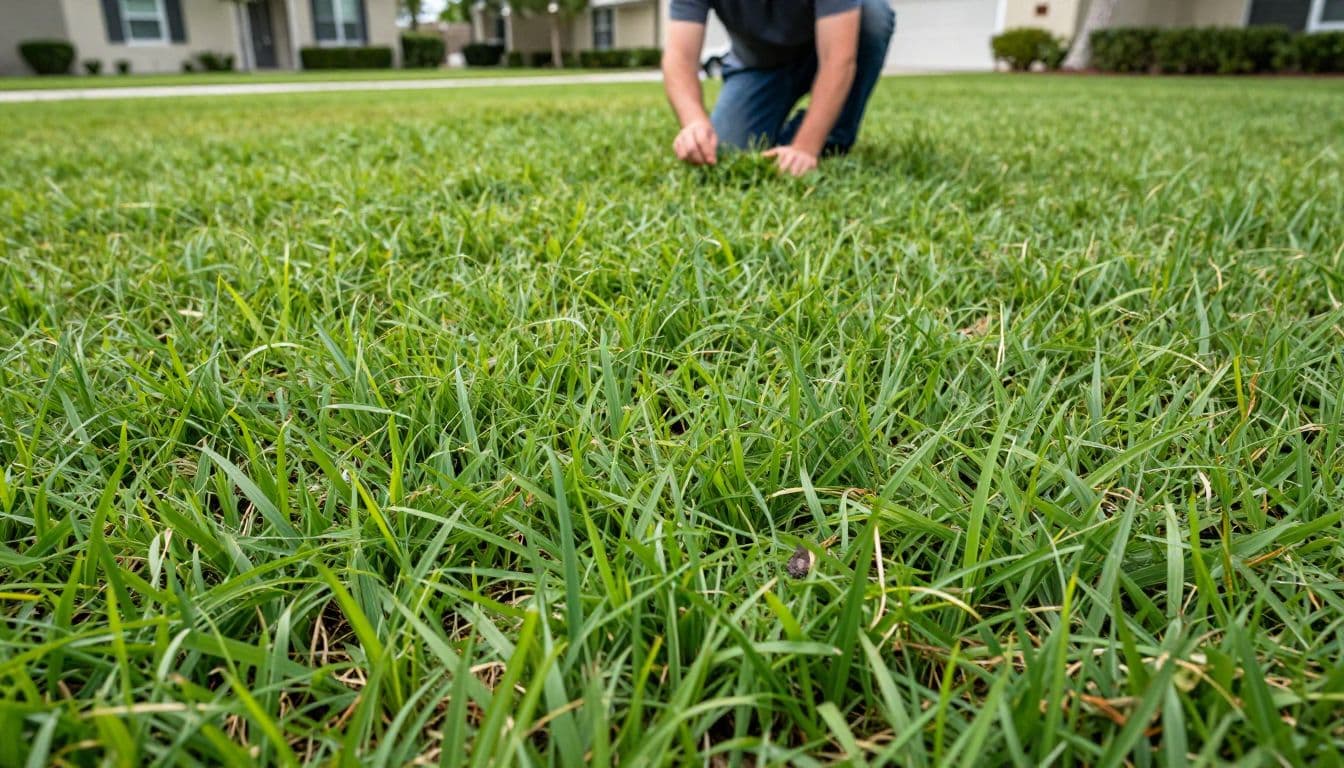
Look for these signs during an inspection:
- Grass feels spongy or loose because the roots no longer hold firmly in the soil.
- Small ridges or raised lines appear across the surface.
- Seedlings and new sod thin out without an obvious mowing or watering problem.
- Brown or bare areas expand along sunny lawn edges.
- Birds gather on the grass while feeding on insects near the surface.
- Turf lifts easily when you gently tug on it.
Damage often becomes easier to see after rain or irrigation. Moist soil allows mole crickets to tunnel, while stressed grass shows the effects more quickly.
Bermudagrass and bahiagrass often attract more attention because their open growth allows soil movement to show. St. Augustinegrass may hide early tunneling under its thick runners. Zoysiagrass can also decline when root disturbance continues, particularly in thin or poorly established areas.
Adult mole crickets are usually around an inch long, though size varies by species and age. Their enlarged front legs look different from ordinary lawn insects. Young nymphs resemble adults but lack fully developed wings, and they are often easier to control.
Confirm the Pest Before You Treat the Grass
Mole cricket damage is easy to confuse with other Cape Coral lawn problems. St. Augustinegrass with yellowing near sidewalks could have chinch bugs, while grass that pulls up easily may have grub injury. Brown patches can also result from fungal disease, compacted soil, broken irrigation heads, or salt exposure.
Animal activity creates a different pattern. Armadillos and raccoons leave larger holes and torn sections rather than narrow, shallow tunnels. An irrigation inspection can also reveal whether dry zones match the damaged areas.
A simple soap flush can help confirm mole crickets. Choose several areas that show symptoms, not only the worst patch. Mix about 1.5 fluid ounces of liquid dish detergent with 2 gallons of water, then apply the mixture over roughly 4 square feet of turf. Watch the surface for several minutes as insects move upward.
Use the test as a screening method, not as a complete diagnosis. Record how many insects appear and whether you see small nymphs or adults. Repeat the test in more than one location because mole cricket activity can vary across the same yard.
A single raised tunnel doesn't prove a mole cricket infestation. Confirm live insects in the affected area before treating the lawn.
Inspect during the growing season when the soil is warm and moist. A flashlight can help with evening checks because adult mole crickets often become more active after sunset. If the soap flush produces no insects, check roots, irrigation coverage, and nearby plants before choosing a control method.
Integrated Control for Florida Mole Crickets
Integrated pest management combines inspection, lawn care, monitoring, and treatment when needed. This approach limits unnecessary applications and gives the grass a better chance to recover.
Improve turf conditions first
Mow at the height recommended for your grass variety. St. Augustinegrass generally needs a higher mowing height than bermudagrass or zoysiagrass, while bahiagrass also performs poorly when scalped. Sharp mower blades reduce tearing and help the grass produce stronger recovery growth.
Water deeply enough to wet the root zone, then allow the surface to dry before watering again when conditions permit. Frequent shallow irrigation can create weak roots and persistently moist soil. Check broken sprinkler heads, clogged nozzles, and areas that receive too little or too much water.
Cape Coral yards may also have drainage challenges caused by grading, compacted fill, or hardscape runoff. Correcting those problems can reduce turf stress, although drainage work alone won't control an established mole cricket population.
Avoid heavy nitrogen applications that produce soft, rapid growth. Follow the fertilizer label and local watering rules. Healthy turf can tolerate some feeding and tunneling, but excess fertilizer won't solve the pest problem.
Treat at the right life stage
Small nymphs are usually more vulnerable to control than large adults. In Florida, young mole crickets often appear in late spring and summer, but weather and species affect the exact timing. Monitoring with soap flushes gives you better information than treating by calendar date alone.
If treatment is justified, select a product labeled for mole crickets and the specific turfgrass on your property. Read the entire label before application. Pay attention to rates, protective equipment, watering instructions, re-entry directions, and restrictions near water.
Liquid, granular, and bait products have different application requirements. Don't assume that watering in one product is appropriate for another. Never apply a pesticide to a grass type, area, or pest that the label excludes.
Biological control can also help in suitable situations. The beneficial nematode Steinernema scapterisci targets certain mole cricket species, especially when applied under appropriate soil conditions. It isn't an instant fix, and species identification still matters. A Florida-licensed pest professional can help determine whether this option fits your lawn.
Repairing Cape Coral Turf After Mole Cricket Damage
Control and repair should happen in the right order. Replacing dead grass before reducing active mole crickets can lead to another damaged section within weeks.
First, check whether the grass crowns and runners remain alive. Green stolons, firm roots, or new growth indicate that the lawn may recover with proper watering and mowing. Avoid heavy traffic while the root system rebuilds.
For shallow tunnels, gently press loose turf back into place and level the surface. Add a small amount of compatible soil where needed, but don't bury the crowns of St. Augustinegrass or zoysiagrass. Large bare areas may need fresh sod, plugs, sprigs, or seed, depending on the grass type and season.
St. Augustinegrass is commonly repaired with sod or plugs. Bermudagrass can recover through stolons and rhizomes when conditions are favorable, while zoysiagrass usually fills more slowly. Bahiagrass may recover from established crowns, but severely bare sections can require reseeding or new sod.
Before replacing a large area, compare the best sod types for Cape Coral yards. The right choice depends on sunlight, traffic, irrigation, mowing preferences, and how much recovery time you can accept.
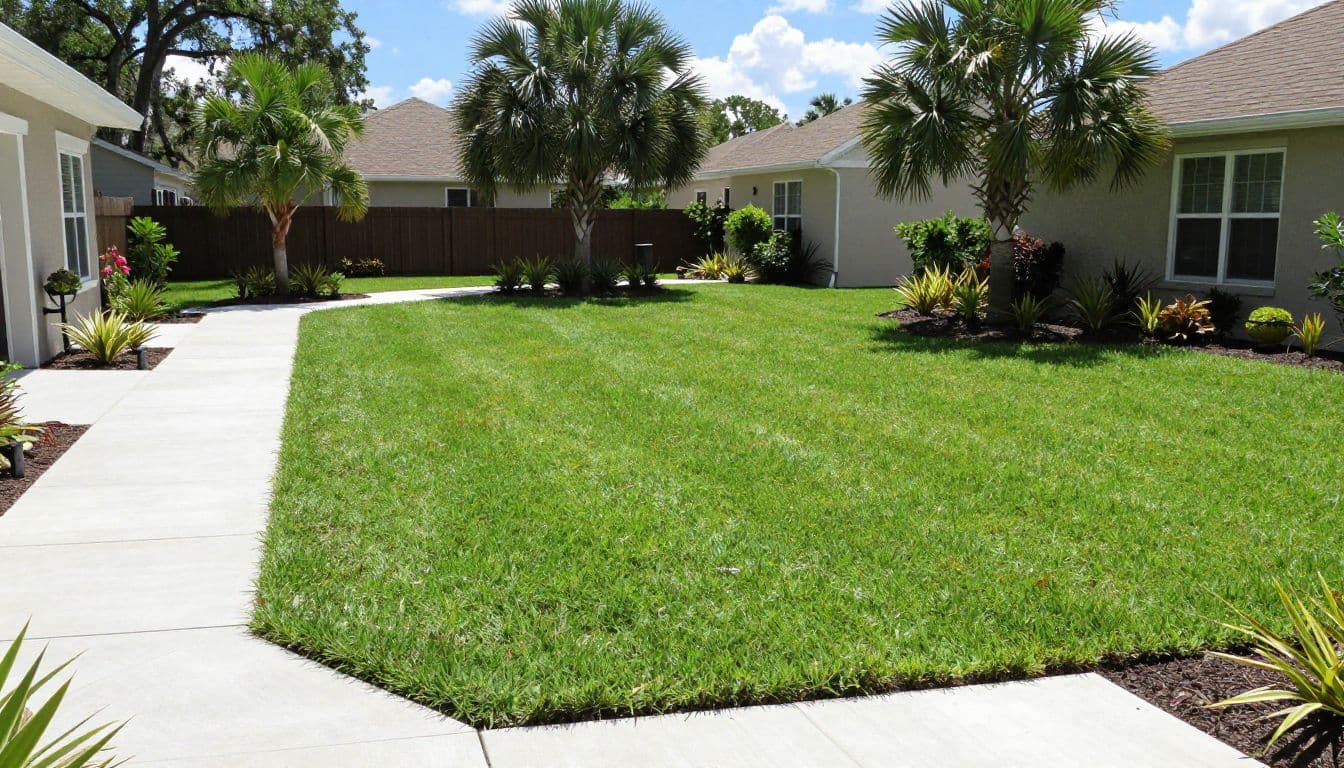
Lawn repairs can also affect nearby outdoor improvements. If tunneling has loosened soil beside a walkway, patio, or edging, ask a concrete company to inspect the base before you rebuild the area. A landscaping plan should account for water flow, turf borders, and access for future maintenance.
After the soil settles, paver cleaning can remove tracked dirt and organic residue from adjoining hardscape. If natural grass continues to struggle in a high-use zone, some homeowners compare it with artificial turf. Online searches sometimes misspell that phrase as "artifical turf," but the installation concerns remain the same: the base must drain properly, edges need secure treatment, and synthetic grass won't correct a recurring drainage problem underneath.
When to Call for Professional Help
A professional inspection makes sense when bare patches keep expanding, the soap flush shows many insects, or symptoms return after lawn repairs. Repeated problems can point to a large population, poor drainage, or turf that isn't suited to the site's light and moisture conditions.
A qualified lawn or landscaping professional can map affected areas, inspect irrigation, check soil movement, and recommend repair timing. Pesticide applications should follow the product label and Florida requirements. When a treatment requires a licensed applicator, use a pest professional rather than attempting to work around that rule.
Professional help is also useful when a lawn borders a pool, canal, pond, or stormwater feature. Runoff and drift require extra care in those areas. Keep children and pets away according to the label's re-entry directions, and store products only in their original containers.
The goal isn't to eliminate every insect from the property. It is to reduce damaging activity, protect the turf that can recover, and replace grass only where roots and crowns have died.
Protecting Your Cape Coral Lawn Long Term
Mole cricket damage is easier to manage when you catch it during the early tunneling stage. Check suspicious patches, use a soap flush to confirm live insects, and compare the symptoms with irrigation, disease, grub, and animal damage.
Then combine sound mowing and watering with properly timed, label-compliant treatment when the evidence supports it. Give repairs time to root before adding heavy traffic or redesigning nearby hardscape. With regular inspections and the right grass for each part of the yard, Cape Coral homeowners can keep small pest problems from becoming full lawn replacements.