


7 Florida Septic Drain Field Plants for Southwest Florida
A septic drain field needs room to move treated water through the soil. Heavy roots, compacted ground, extra irrigation, and deep planting can interfere with that job.
The right Florida septic drain field plants add a finished look without turning a functional part of your yard into a high-maintenance bed. In Fort Myers, Cape Coral, Estero, and Bonita Springs, choices also need to handle heat, humidity, sandy soil, summer downpours, dry-season drought, and occasional salt exposure.
Start by locating every septic component and checking your permit plan before changing the area.
Key Takeaways for Septic-Smart Landscaping
- Choose shallow-rooted, herbaceous plants that need little digging and modest care after establishment.
- Keep the septic tank lid, pump access, inspection ports, and cleanouts open and easy to reach.
- Avoid trees, large woody shrubs, edible gardens, bamboo, pampas grass, deep-rooted plants, and heavy hardscape over the field.
- Match plants to sun, drainage, wind, and salt exposure. A plant that handles coastal spray may still fail in standing water.
- Follow guidance from UF/IFAS, the Florida Department of Health, Lee County, and your septic system's permit requirements.
Turfgrass remains the simplest cover over most drain fields, but carefully selected herbaceous ornamentals can work when the site plan allows them.
Know What You Are Planting Over
A septic system has separate areas with different needs. Treating them all as one garden bed creates access problems and can damage the system.
The drain field needs light roots and open soil
The drain field disperses treated wastewater into the soil. UF/IFAS recommends shallow-rooted plants near this area and advises against plants with large, deep, woody, or expansive roots.
Keep the soil surface close to its original grade. Don't build raised beds, install edging that requires deep trenches, or add thick mulch over the drain field. Southwest Florida's sandy ground already drains quickly, while some systems sit on raised, fast-draining mounds that should not be reshaped.
The tank and access points should stay clear
The septic tank holds wastewater and solids before treatment. Its lids and access covers need clear access for inspection, pumping, and repairs.
Leave a visible open zone around lids, risers, and cleanouts. Low turf is often the most practical finish beside these points. Don't place ornamental grasses, decorative boulders, furniture, or containers where a service crew may need to work.
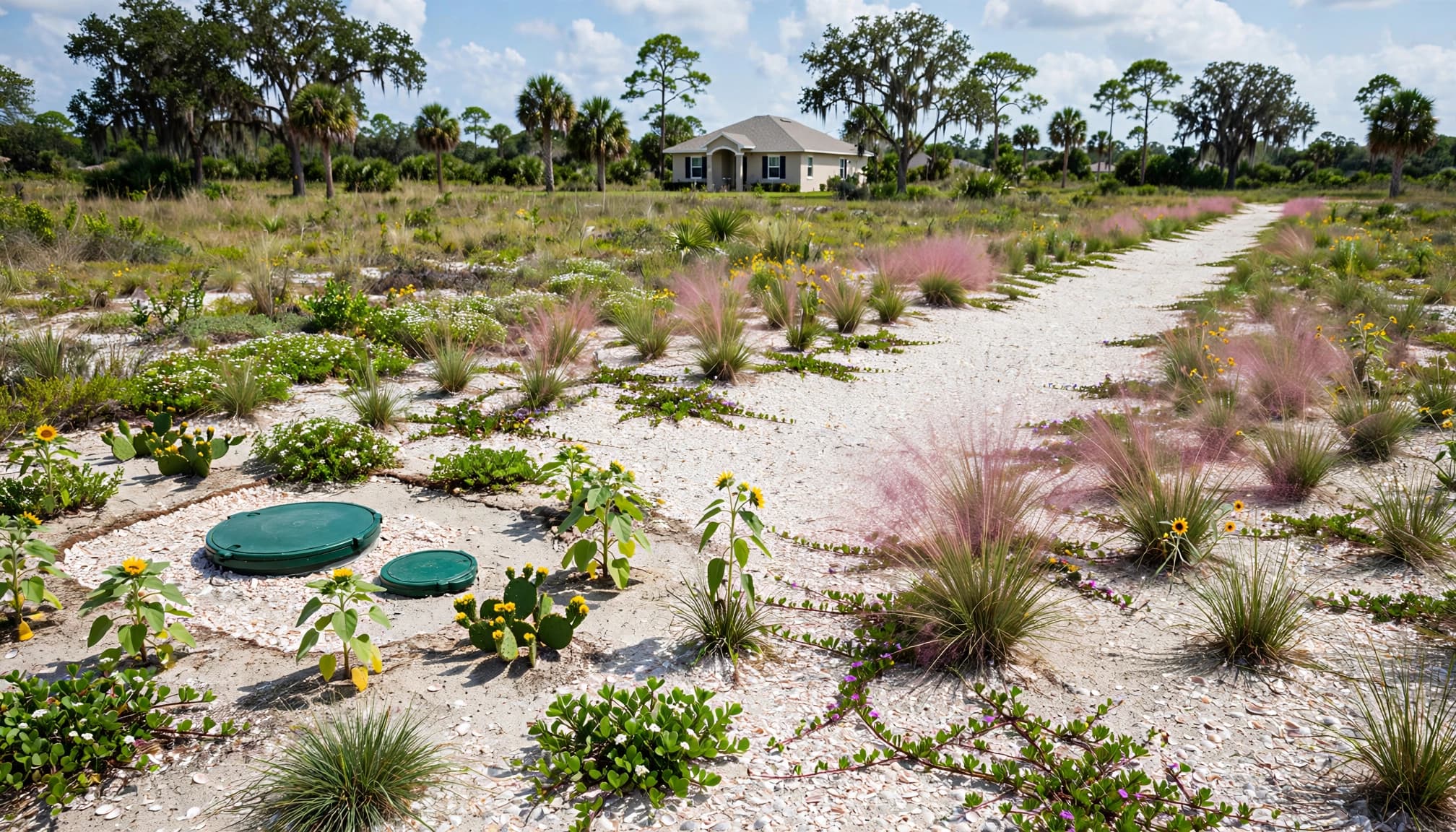
Florida Septic Drain Field Plants for Sunny Areas
UF/IFAS identifies fountain grass, iris, agapanthus, milkweed, aster, plumbago, and pink muhly grass as herbaceous or ornamental options to consider. None is universally safe for every property, so confirm your layout and local requirements first.
1. Fountain grass
Fountain grass forms a rounded clump of narrow, arching leaves with soft bottlebrush-like flower plumes. Most landscape selections reach about 2 to 4 feet tall and wide when in bloom.
Plant it in full sun, with at least six hours of direct light. Once established, it usually needs supplemental water only during extended dry weather. Set individual clumps well apart and use small planting holes, because the goal is a light ornamental accent rather than a dense screen.
Avoid varieties known to self-seed aggressively in your area. A local nursery or UF/IFAS Extension office can help identify suitable selections.
2. African iris
African iris, often sold as Dietes, has upright sword-like foliage and white or pale yellow flowers marked with darker detail. Established clumps commonly grow 2 to 4 feet tall and spread about 2 to 3 feet wide.
It grows in full sun or light afternoon shade. Water it while it establishes, then supplement during prolonged drought if leaves show stress. Its tidy, clumping habit makes it a useful choice along the outer edge of a drain field, away from tank lids and vehicle routes.
Choose a sunny location with good airflow. In humid summer weather, crowded leaves stay wet longer and look less tidy.
3. Agapanthus
Agapanthus produces strap-like leaves and rounded clusters of blue, violet, or white blooms on tall stems. Many common garden forms stand 2 to 4 feet tall in flower and spread 1 to 2 feet wide.
Full sun produces the strongest flowering, although light shade is workable in hotter inland yards. Give new plants regular water until rooted, then water during dry periods rather than on a fixed schedule.
Use agapanthus in small groups near the perimeter of the drain field. Its clump-forming growth can add structure without the large root reach of a hedge or tree. Keep the planting simple so septic access remains obvious.
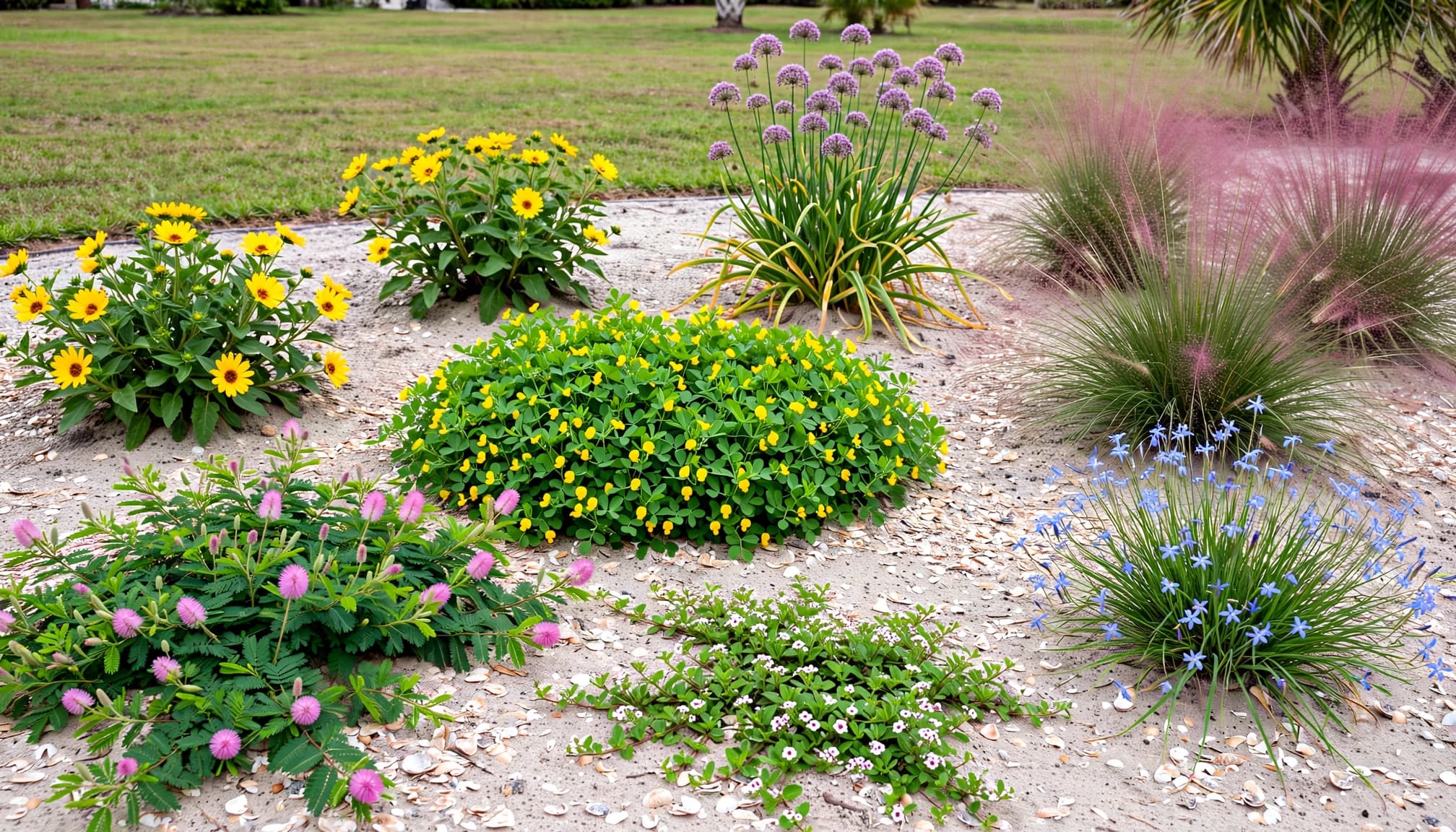
Flowering and Native-Style Options With Lower Visual Weight
Low-maintenance landscaping does not need to look plain. These plants bring seasonal flowers and softer texture while keeping the area easy to inspect.
4. Butterfly milkweed
Butterfly milkweed has narrow leaves and bright orange flower clusters that attract pollinators. It usually grows 1 to 3 feet tall and about 1 to 2 feet wide.
Give it full sun and well-drained soil. Water new plants until they settle in, then use restraint. It prefers soil that drains rather than staying constantly wet.
Milkweed may die back or look sparse at times, so place it where a seasonal gap won't bother you. Because milkweed species differ in size and moisture tolerance, select a Florida-appropriate species with help from a local native plant nursery.
5. Elliott's aster
Elliott's aster is a Florida native with small lavender to purple, daisy-like flowers that appear in late summer and fall. Plants often reach 1 to 3 feet tall and spread roughly 1 to 2 feet.
It prefers full sun and dry to average, well-drained sandy soil. After establishment, rainfall often meets its needs, though a long drought may call for a light hand-watering.
Place asters in loose drifts at the outside edge of the field, where their natural form has space. Cut back spent growth after flowering if the area begins to look untidy. Don't cultivate or turn the soil around established plants.
6. White plumbago
White plumbago, also called doctorbush, is a lower-growing Florida native with pale flowers and green foliage that can form a relaxed mound. It generally reaches 1 to 3 feet tall with a similar spread, depending on conditions.
It handles full sun to part shade and prefers sandy, well-drained ground. Water during establishment, then provide extra water only when drought persists.
Use the herbaceous native form, not a large woody blue plumbago shrub. Keep it toward the margin of the drain field, where pruning and replanting won't disturb septic components.
7. Pink muhly grass
Pink muhly grass creates a neat green clump through much of the year, then produces airy pink flower clouds in fall. Foliage is often 2 to 3 feet tall and wide, while flower plumes can rise higher.
It needs full sun for the best color and performs well in sandy, well-drained soil. Once rooted, it tolerates dry spells with little supplemental watering.
Place pink muhly where its mature width will not hide a riser or lid. Its clumping form works well for defining the far edge of a drain field. Divide or replace declining clumps from outside the active field when possible, rather than digging broadly across it.
Care Practices That Protect the System
Plant selection matters, but everyday maintenance can matter just as much. Septic-safe landscaping stays light on the soil and leaves room for service work.
Keep irrigation away from the drain field
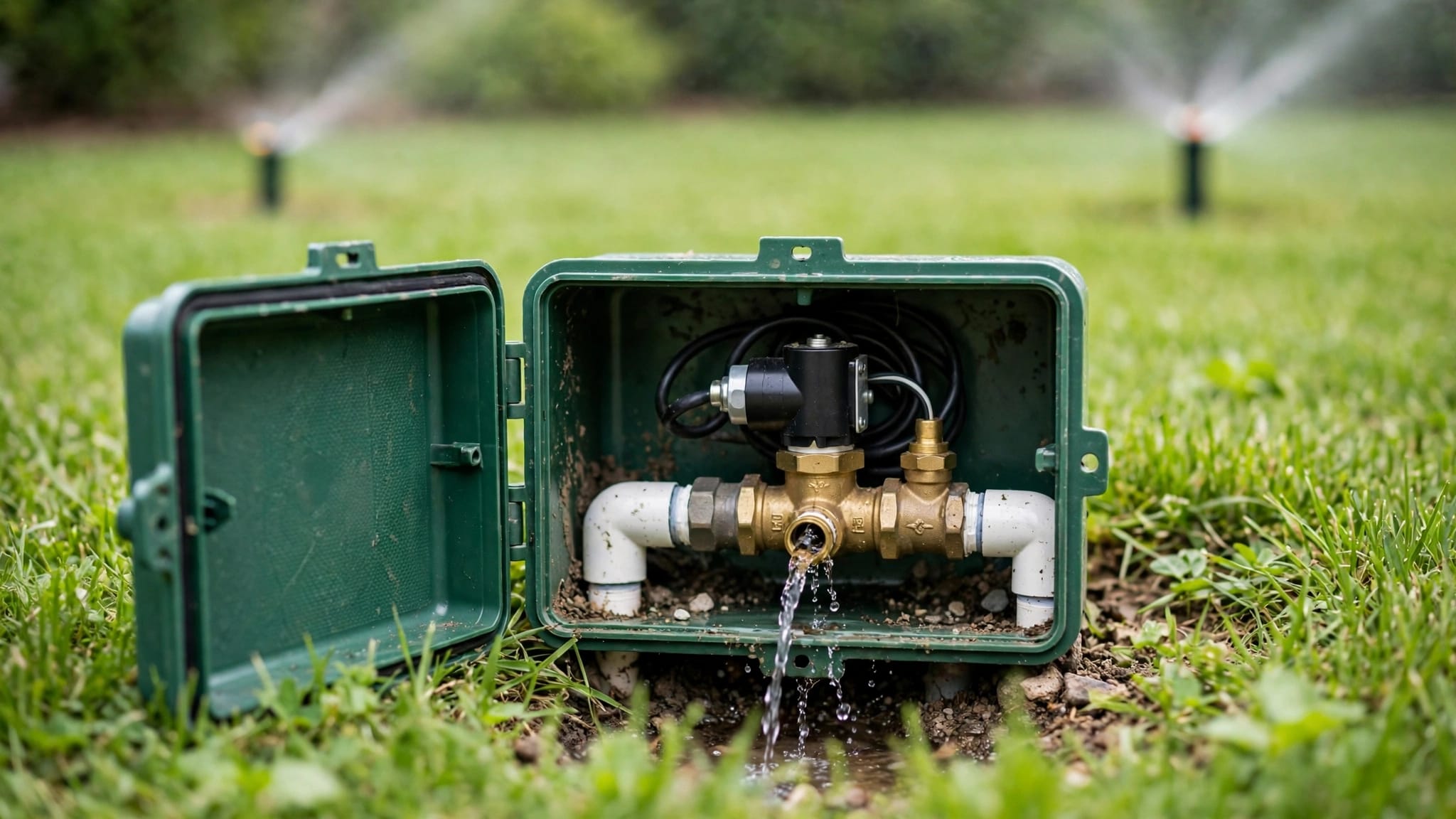
UF/IFAS advises keeping sprinkler heads at least 10 feet from the drain field. Extra water can overload soil that already receives treated effluent.
Water nearby ornamental beds based on the weather, not a daily timer. Sandy soil dries quickly during spring droughts, yet summer rain can saturate it within an afternoon. Adjust irrigation with the season instead of copying a northern lawn schedule.
Protect the ground from compaction
Don't drive, park, or store heavy equipment over the drain field. Avoid placing a shed, playset, hot tub, outdoor kitchen, or large decorative feature on top of it.
A new patio, driveway extension, or concrete pad needs careful planning. A qualified Cape Coral concrete contractor can correct poor drainage near a home, but no hardscape project should cover or compress the septic field.
Paver cleaning also deserves care. Keep wash water and chemical runoff away from drain-field soil, especially if the area slopes toward the system.
Plants and Projects to Keep Away From Septic Components
Trees and large shrubs offer shade and privacy, but their roots don't belong near septic infrastructure. UF/IFAS guidance recommends keeping shrubs at least 10 feet from the drain field and trees about 30 to 50 feet away.
Skip palms, sea grape, saw palmetto, bamboo, ficus, oaks, pines, and other large-rooted plants around the system. Sea grape and saw palmetto may tolerate salt, yet salt tolerance does not make them suitable over a drain field.
Avoid fruit trees, vegetables, herbs, and any edible garden near the tank or field. Also avoid pampas grass, aggressive groundcovers, deep-rooted flowering plants, and plants that require frequent dividing.
Artificial turf is not an automatic substitute. An artifical turf installation needs a prepared base and drainage path, both of which may disturb the field. If you want a low-care lawn surface beside, rather than over, septic components, review sod and synthetic turf services as part of a site-specific plan.
Plan Around Heat, Salt, and Seasonal Rain
Southwest Florida yards can receive intense sun, wind-driven salt, drought, and sudden heavy rain in the same year. Check exposure before buying plants.
Read the site before choosing a plant
Watch where water stands after a summer storm. Note reflected heat from stucco, driveways, pool decks, and walls. Also consider salt spray near canals, bays, and the Gulf, plus salty irrigation water.
Most listed plants prefer good drainage, not constant inundation. If a drain field stays wet or fails to drain, do not cover the issue with more plants. Contact your septic professional and follow local health department guidance.
Keep the design modest and accessible
Use widely spaced clumps and lawn-like open areas instead of packed beds. That layout makes it easier to find access covers and spot changes in soil, grass, or drainage.
For a larger yard update, Southwest Florida landscape planning can coordinate plant placement with irrigation, drainage, walkways, and future maintenance. Keep any new pavers, beds, or concrete features outside the protected septic area.
Frequently Asked Questions
Can I plant flowers directly over a septic drain field?
Some shallow-rooted, herbaceous flowers and ornamental grasses may be suitable if your permit plan and local guidance allow them. Plant lightly, avoid deep excavation, and leave all service access clear. Turfgrass is still the lowest-risk cover for many systems.
Can I put mulch or rock over the drain field?
Avoid thick mulch, heavy rock, and added soil over the field. These materials can change surface conditions, obscure access, and make future service harder. Use a simple, mowable cover or sparse shallow-rooted plants instead.
How close can shrubs and trees grow to a drain field?
Keep shrubs at least 10 feet away. Place trees 30 to 50 feet away, depending on their mature size and root habit. Measure from the drain field itself, not only from the tank lid.
A Healthier Yard Starts With a Clear Septic Plan
The best Florida septic drain field plants stay low, ask little of the soil, and leave access open. Fountain grass, African iris, agapanthus, butterfly milkweed, Elliott's aster, white plumbago, and pink muhly grass can add color and texture when the site supports them.
Protect the field from roots, runoff, compaction, and deep digging. A simple design that respects the septic system will look better through Southwest Florida's heat, rain, and dry spells.