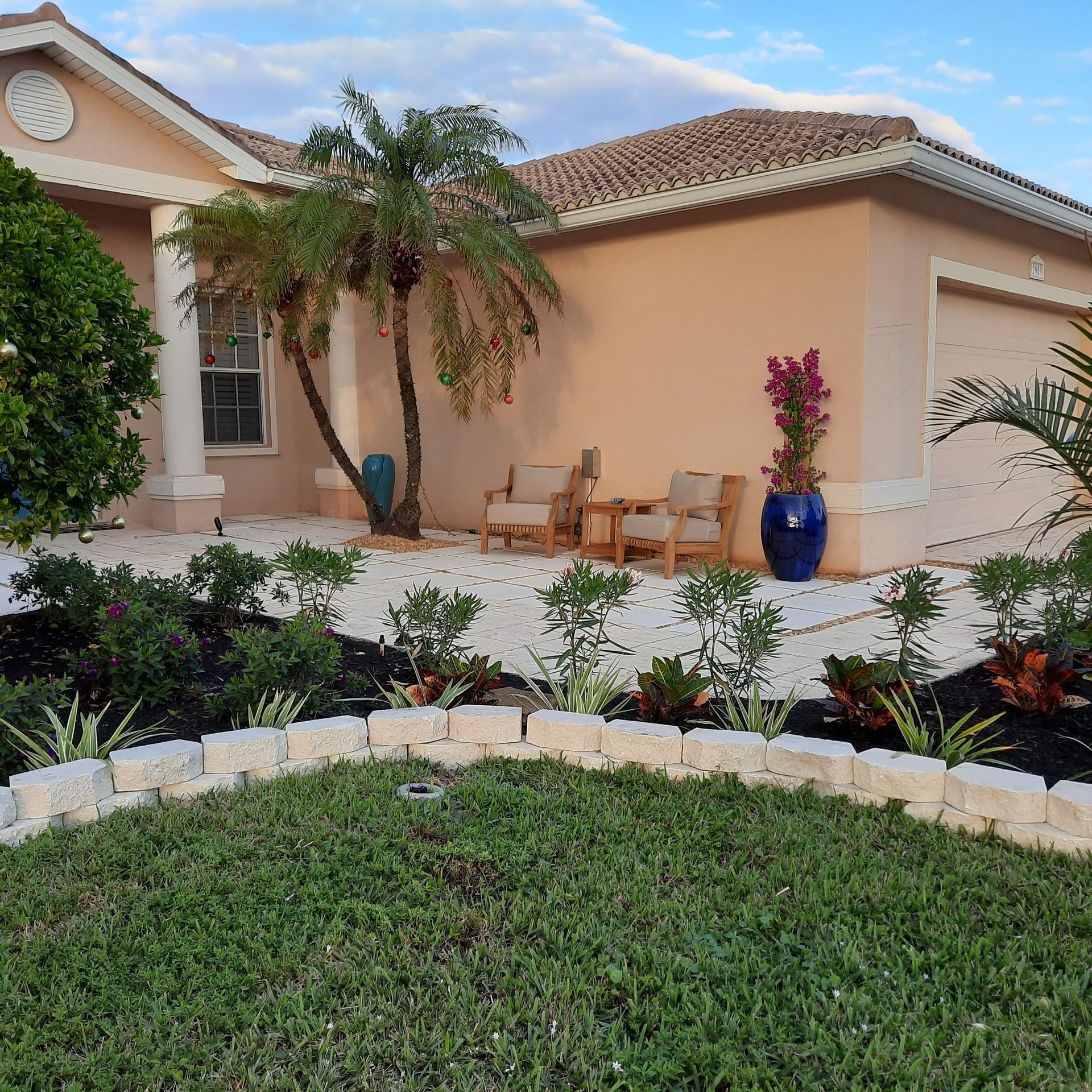



How to Stop Ants Under Pavers in Florida
Finding ants under pavers can be frustrating, especially when a patio or walkway starts to sink, wobble, or develop open joints. Florida's warm weather, sandy soil, heavy rain, and frequent irrigation create conditions that make paver bases attractive to many ant species.
Ants usually don't destroy pavers themselves. They tunnel through joint sand or loose base material, which can leave small voids beneath individual stones. The lasting fix combines safe ant control with proper drainage, stable bedding, and paver repair.
Key Takeaways
- Ant activity often exposes an existing problem with loose sand, water movement, or poor drainage.
- Baits and labeled insecticides can reduce active colonies, but they won't rebuild a damaged paver base.
- Avoid homemade chemical mixtures and follow every product label.
- Reset settled pavers instead of filling surface gaps repeatedly.
- Call a licensed Florida pest-control or hardscape professional when damage keeps returning.
Why Florida Pavers Attract Ants
Paver systems have several layers. The visible stones sit on bedding sand, which rests over compacted aggregate and the underlying soil. When ants excavate beneath the joints or edges, they can move fine material and create open pockets.
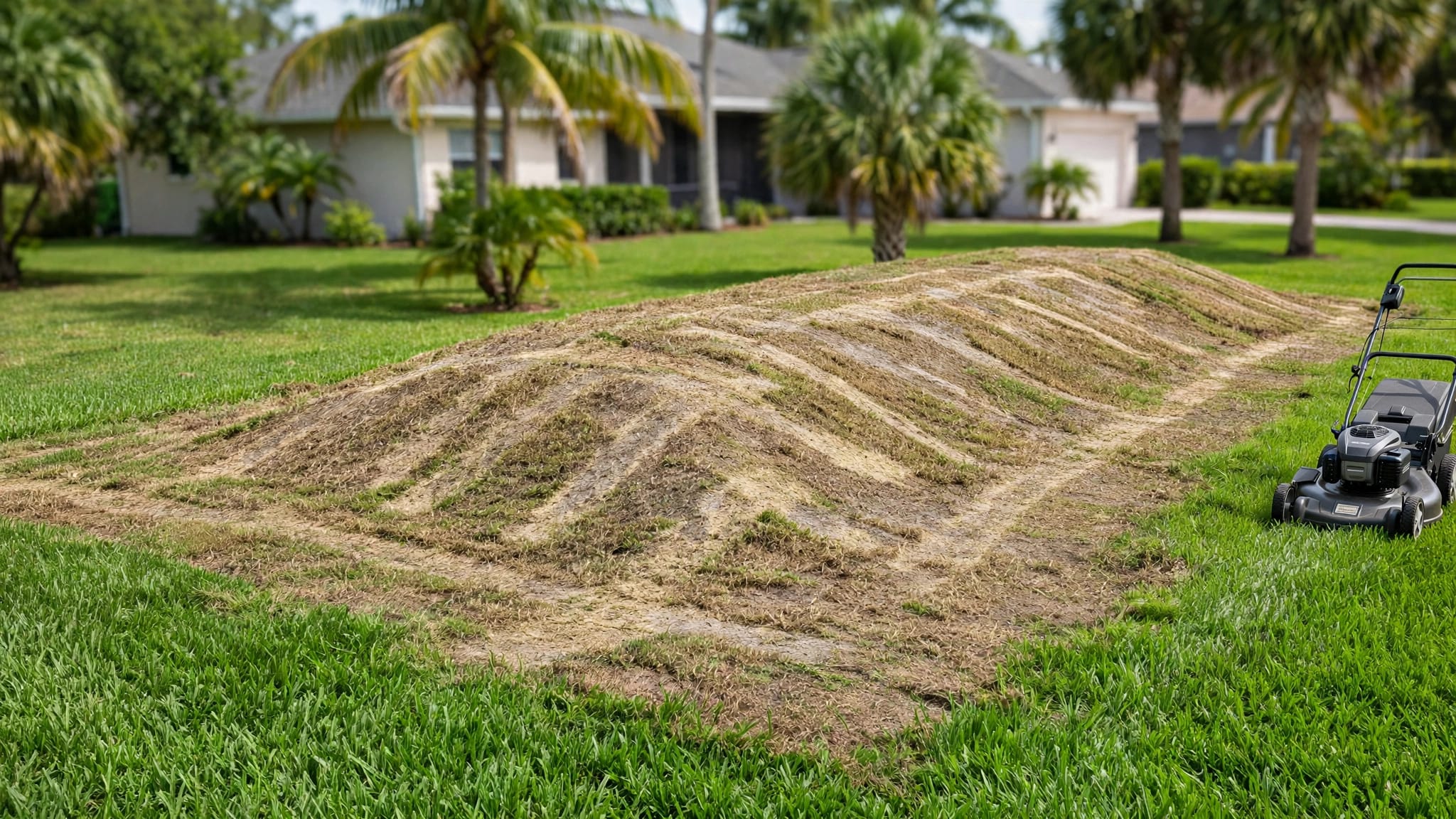
Florida's sandy soils make digging easier. After heavy rainfall, the soil may also shift or wash through small openings. Irrigation overspray can add moisture beside a walkway, while leaking outdoor plumbing can keep the base damp. Together, these conditions give ants access to protected nesting areas.
Ants may enter through joint cracks, gaps beside a house, spaces around utility covers, or edges where pavers meet concrete. Food sources also matter. Fallen fruit, pet food, sugary spills, and outdoor trash can draw colonies toward a patio or driveway.
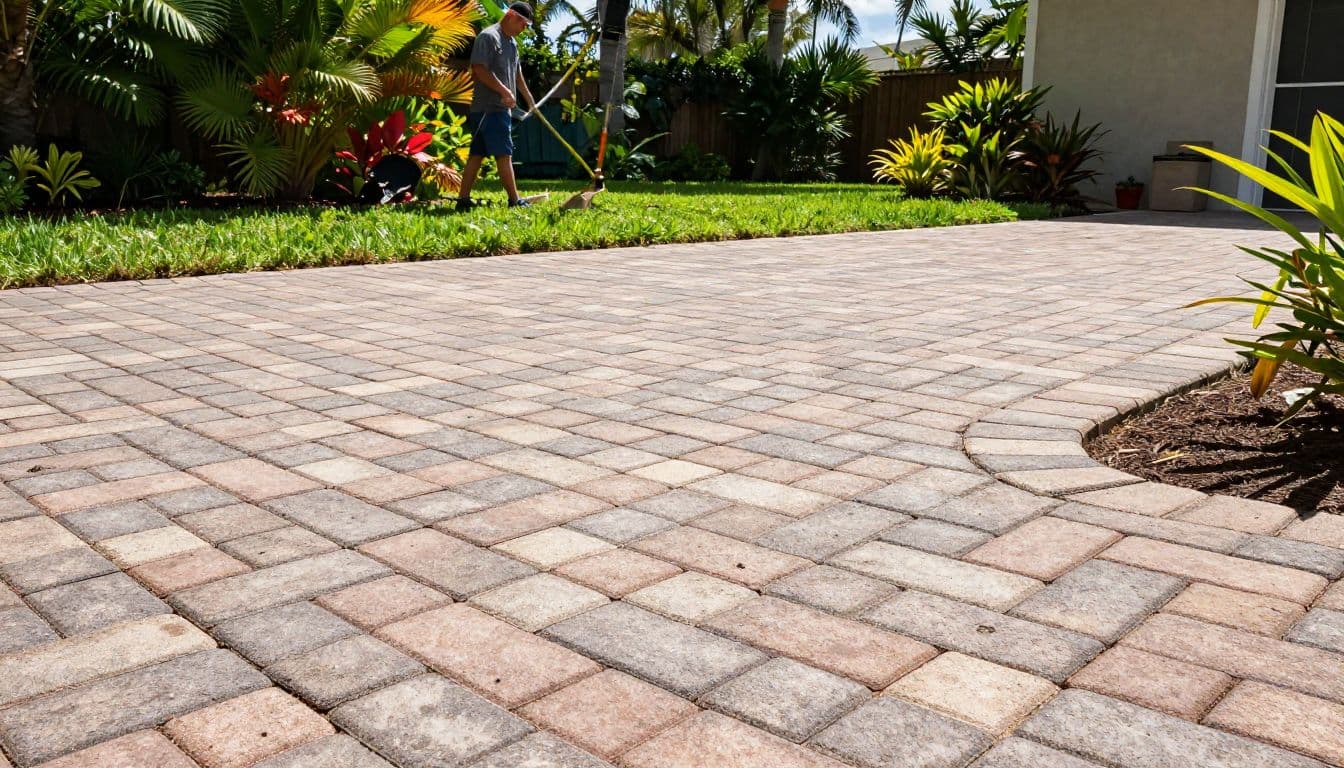
Watch for these signs:
- Fine soil or sand pushed out of paver joints
- Small ant trails crossing the patio
- Pavers that rock when you step on them
- Low spots that collect water after rain
- Widening gaps along borders
- Sand disappearing near walls, planters, or irrigation heads
A few ants on the surface don't always mean the entire installation has failed. However, repeated piles of soil or a paver that moves underfoot deserves attention. Ant activity may be the visible symptom of a weak edge, poor compaction, or water washing through the base.
How to Stop Ants Under Pavers Safely
Start by confirming where the activity is strongest. Check the joints, borders, nearby mulch, planting beds, and cracks in adjacent concrete. Follow visible trails during cooler parts of the morning or late afternoon. Avoid lifting pavers immediately if ants are still active beneath them, since disturbing the area can scatter the colony.
Use an outdoor ant bait or labeled treatment approved for the location and ant species. Place it near active trails or entry points according to the product directions. Baits work best when ants can carry the material back to the colony, so spraying every visible ant may reduce activity without addressing the nest.
Read the label before applying any pesticide. Check restrictions for use around pets, children, edible plants, drains, wells, and water features. Never combine household cleaners, bleach, fuel, acids, or unverified powders to create a stronger treatment. Homemade mixtures can injure people, damage plants, stain pavers, and contaminate soil.
A practical control process includes these steps:
- Remove food sources and rinse away sugary residue with clean water.
- Trim plants that touch the paver edge, but avoid disturbing active nests.
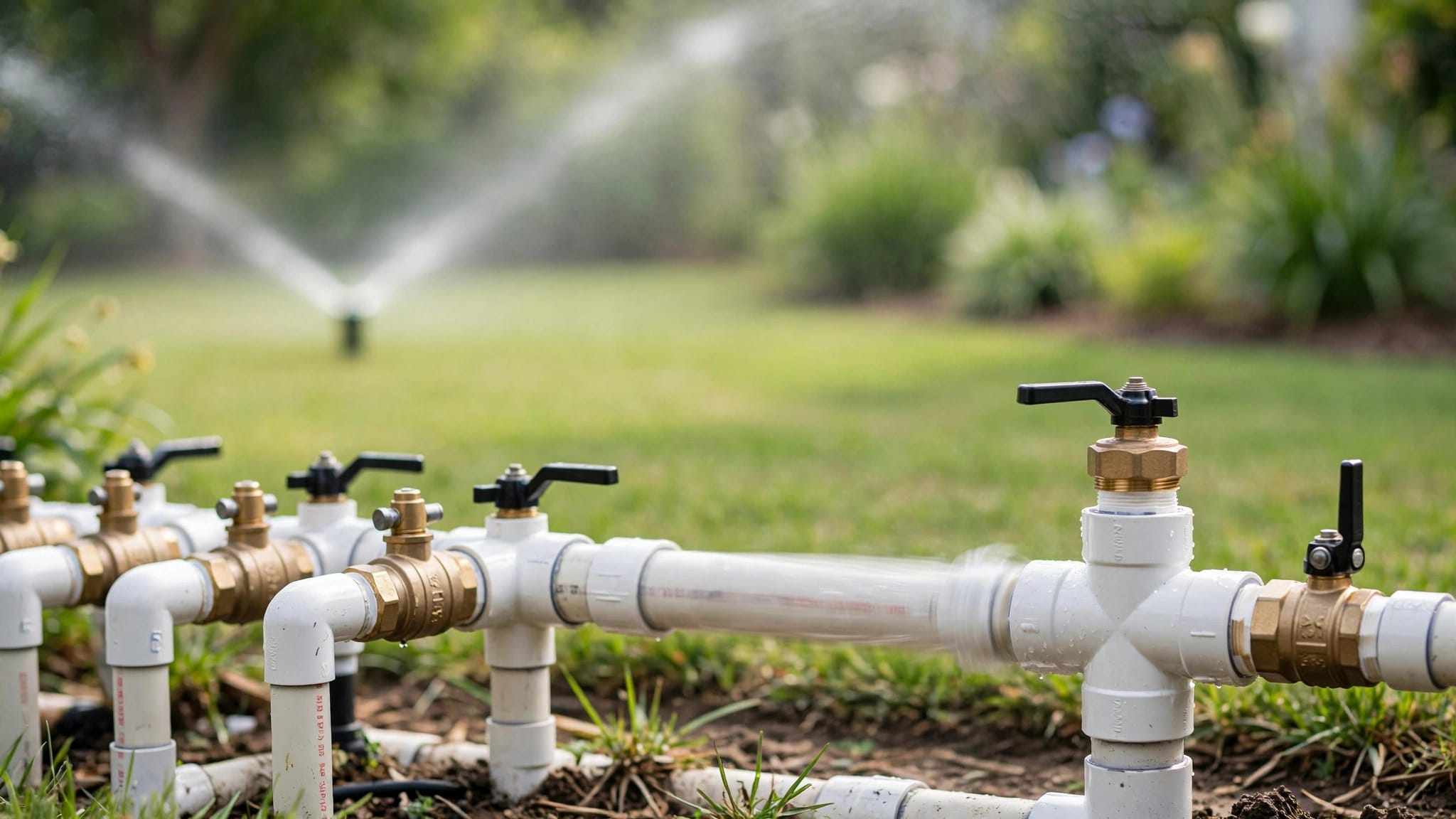
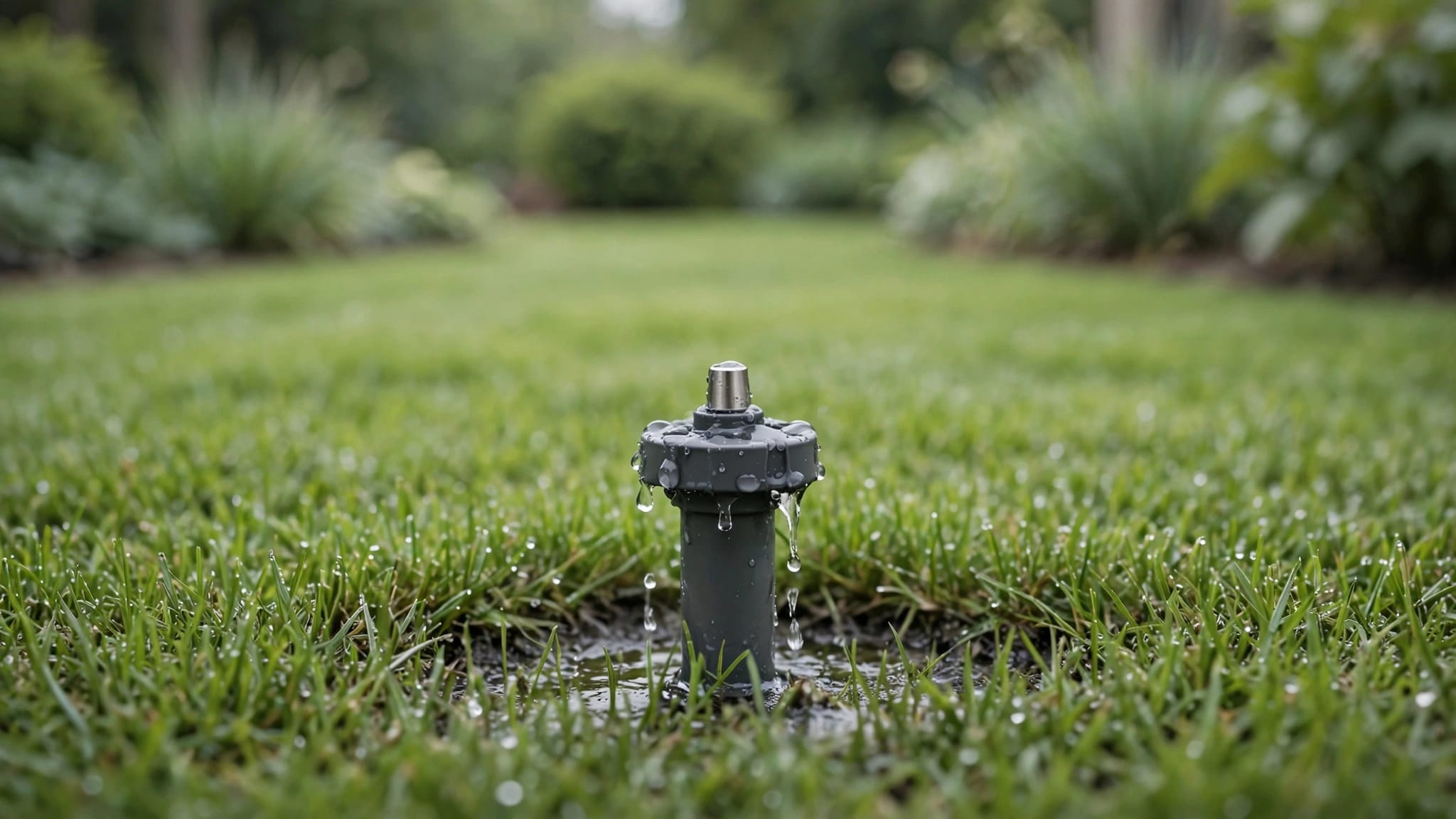
- Correct obvious irrigation overspray or leaking hose connections.
- Apply a labeled bait or insecticide only where the instructions allow it.
- Give the treatment time to work before resetting pavers or replacing joint sand.
If the ants return within days, the colony may be outside the patio. It could be under mulch, beside a foundation, below a planter, or near a damp utility area. A licensed Florida pest-control technician can identify the infestation and select a treatment that fits the property.
What Not to Do
Don't flood the joints with large amounts of water. This can push sand deeper into the base and wash material toward drains or planting beds. It may also spread ants into other voids.
Don't fill active holes with polymeric sand and assume the issue is solved. The material may bridge the surface while the base continues to move below it. Likewise, sealing pavers won't correct settlement caused by missing base material or poor drainage.
Temporary ant control matters, but it is only the first stage when pavers have started to move.
Ant Control Versus Paver-Base Repair
A useful way to judge the problem is to separate the colony from the structure. Ant bait may stop visible activity, while base repair restores support beneath the stones. One treatment cannot reliably perform both jobs.
| What you see | Likely concern | Appropriate response |
|---|---|---|
| Ants on stable pavers | Active trail or nearby nest | Remove food sources and use a labeled treatment |
| Sand piles in joints | Tunneling or displaced joint material | Control ants, then inspect the joints and base |
| One loose paver | Localized void or washout | Lift, refill, compact, and reset the stone |
| Several settled pavers | Base movement or drainage problem | Inspect the affected area and rebuild the base |
| Repeated sinking after rain | Water is carrying material away | Correct drainage before replacing pavers |
| Cracked adjacent concrete | Possible structural or settlement issue | Have a qualified hardscape or concrete professional inspect it |
When only one or two pavers have shifted, a repair may be limited. The contractor can remove the stones, clear unstable material, add suitable base aggregate in thin lifts, compact each lift, replace bedding sand, and reset the pavers at the correct grade.
Larger areas need a closer inspection. If water flows beneath the patio, simply adding sand may hide the problem for a short time. The repair may require border removal, excavation, base replacement, drainage improvements, and careful compaction.
Paver edges deserve extra attention. Plastic or concrete edging, restraint spikes, and properly installed borders help keep stones from spreading outward. When an edge loses support, ants and rainwater can enter more easily.
For a full assessment, you can review professional paver installation and repair options for properties in Cape Coral and nearby Southwest Florida communities.
Rebuild the Base and Keep Ants From Returning
After ant activity drops, inspect the surface before replacing joint sand. Mark loose or settled pavers with removable chalk, then check the surrounding area for changes in elevation. A long straightedge can help reveal dips, although it won't show the condition beneath the stones.
Remove damaged pavers carefully and set them aside in order. Sweep out loose bedding material and inspect the base. Look for soft spots, open voids, wet areas, roots, and channels where water may have traveled. If the aggregate feels loose, the repair needs more than fresh sand.
Add compatible base material in small layers, compacting each layer before adding another. A plate compactor can provide the necessary density on larger repairs, but it must be used carefully around walls, pool decks, utilities, and fragile surfaces. The finished base should support the paver evenly without leaving a hollow space below it.
Replace bedding sand with a consistent, thin layer. Avoid creating a thick cushion to compensate for an uneven base. Set the pavers back into place, align the joints, and compact the surface according to the paver manufacturer's recommendations.
Joint sand helps lock pavers together, but it cannot replace a compacted foundation. Polymeric sand may help limit ant access and weed growth after the base is stable. Use a product suitable for the paver type and local conditions. Follow its instructions for joint depth, surface cleaning, activation, and rain exposure.
Paver cleaning also requires care. High-pressure water can remove joint sand and expose the base, especially when the nozzle stays close to the joints. Clean the surface with the lowest pressure that removes the soil, then refill joints as needed.
Drainage and landscaping can either protect or undermine the repair. Keep downspouts from discharging onto the patio. Adjust irrigation heads so they water plants instead of the paver edge. Maintain a small gap between dense mulch and the hardscape border, and clear leaves or fruit that provide food for ants.
If you plan an adjacent project, coordinate the grades before installation. Artificial turf, for example, should direct water away from the paver system rather than trapping runoff beside it. The same planning applies to planting beds, concrete slabs, walkways, and outdoor kitchens. A local contractor can review these connections through landscaping and paver services before new work creates another drainage problem.
When to Call a Florida Professional
Call a licensed pest-control professional when you see large colonies, stinging ants, repeated activity, or nests in areas used by children and pets. Identification matters because treatment methods vary among ant species. A professional can also inspect nearby structures instead of treating only the visible trail.
A hardscape contractor should inspect pavers that rock, sink, spread, or separate from a concrete edge. Contact a concrete company when an adjoining slab has cracks, settlement, or drainage problems that may affect the pavers. Pavers and poured concrete respond differently to soil movement, so the repair plan should account for both surfaces.
Extensive damage often requires coordinated work. Pest control can address the colony, while the hardscape crew repairs the base, border, joints, and grade. If the area keeps settling after repair, ask for an inspection of downspouts, irrigation, pool overflow, plumbing leaks, and surface runoff.
In Fort Myers, Cape Coral, Estero, and Bonita Springs, local conditions can vary by lot and neighborhood. A property with fill soil, heavy irrigation, or a low patio edge may need a different repair than a raised, well-drained walkway.
Conclusion
Ants under pavers are often a sign of movement, moisture, or loose material beneath the surface. Labeled bait can reduce the immediate infestation, but lasting results require stable support and controlled water flow.
Inspect the joints and edges, correct easy moisture sources, and avoid unverified chemical mixtures. When pavers have settled or the problem returns, repair the base instead of repeatedly adding surface sand. A stable foundation gives ants fewer openings and helps your Florida patio, walkway, or driveway stay level.