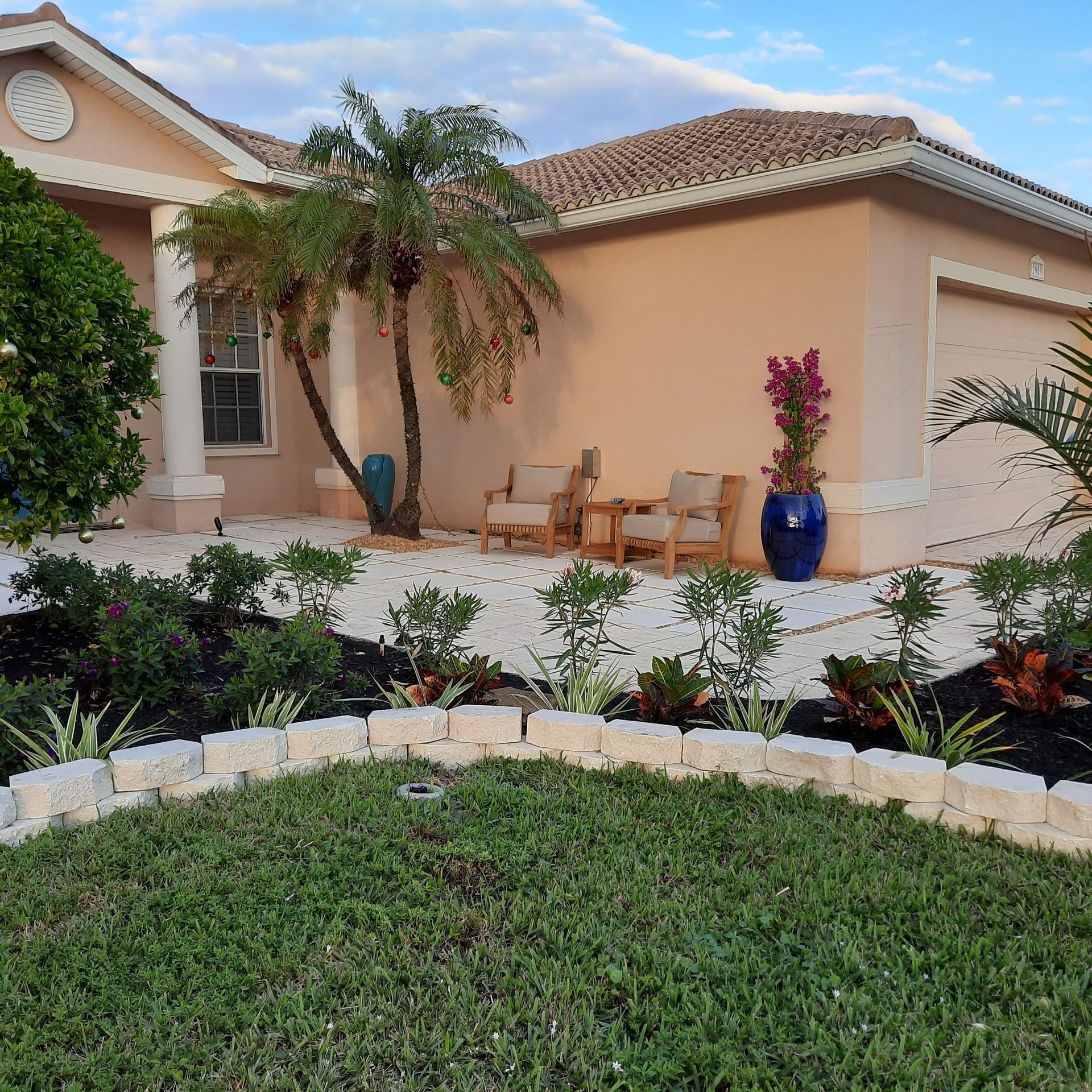



Cold-Hardy Tropical Plants for Southwest Florida Cold Snaps
A single cold night can leave a tropical bed looking scorched in Southwest Florida. Leaves curl, tips brown, and the yard can look far worse than it really is.
The right cold-hardy tropical plants handle brief snaps much better than tender palms, heliconias, or high-maintenance color beds. In Cape Coral, Fort Myers, Estero, and Bonita Springs, the smart move is to choose plants that can lose a little leaf polish and still recover fast.
That means picking the right species, planting them in protected spots, and knowing what to do before and after a cold front. A little planning keeps your yard looking intentional instead of beat up.
Key Takeaways
- Cold damage in Southwest Florida often hits leaves first, while the crown or roots may stay alive.
- Protected planting spots near walls, under tree canopy, and inside courtyards can make a real difference.
- Many tropical-looking plants handle brief lows around 30 to 32 F, but wind and duration matter as much as the number.
- Freeze prep works best when you water correctly, cover plants the right way, and wait before pruning.
- A resilient landscape mix beats a yard full of ultra-tender plants that need rescue every winter.
What Makes a Plant Cold-Hardy in Southwest Florida
Cold tolerance is more than a number on a weather app. A plant that survives 31 F for a few calm hours may struggle at 34 F if the wind howls all night.
That is why Southwest Florida yards behave differently from one another. A bed under a dense oak canopy stays warmer than an open front corner. A courtyard near a stucco wall holds heat longer than a side yard exposed to north wind. Even soil moisture matters, because dry soil cools faster than soil that still has a little warmth in it.
Plant maturity matters too. A well-established clump usually bounces back better than a young plant in a small pot. New growth is also more vulnerable than older leaves, so the plant may look rough even when the main structure is fine.
A planned layout helps as much as the plant list. A professional landscape design and installation plan can put the toughest plants on the exposed edges and tuck more delicate ones into warmer pockets. If your project includes courtyards, seat walls, or low planters, a concrete company can help create those heat-holding spaces as part of the overall layout.
Cold-Hardy Tropical Plants Worth Using
These plants keep the tropical feel without folding at the first cool front.
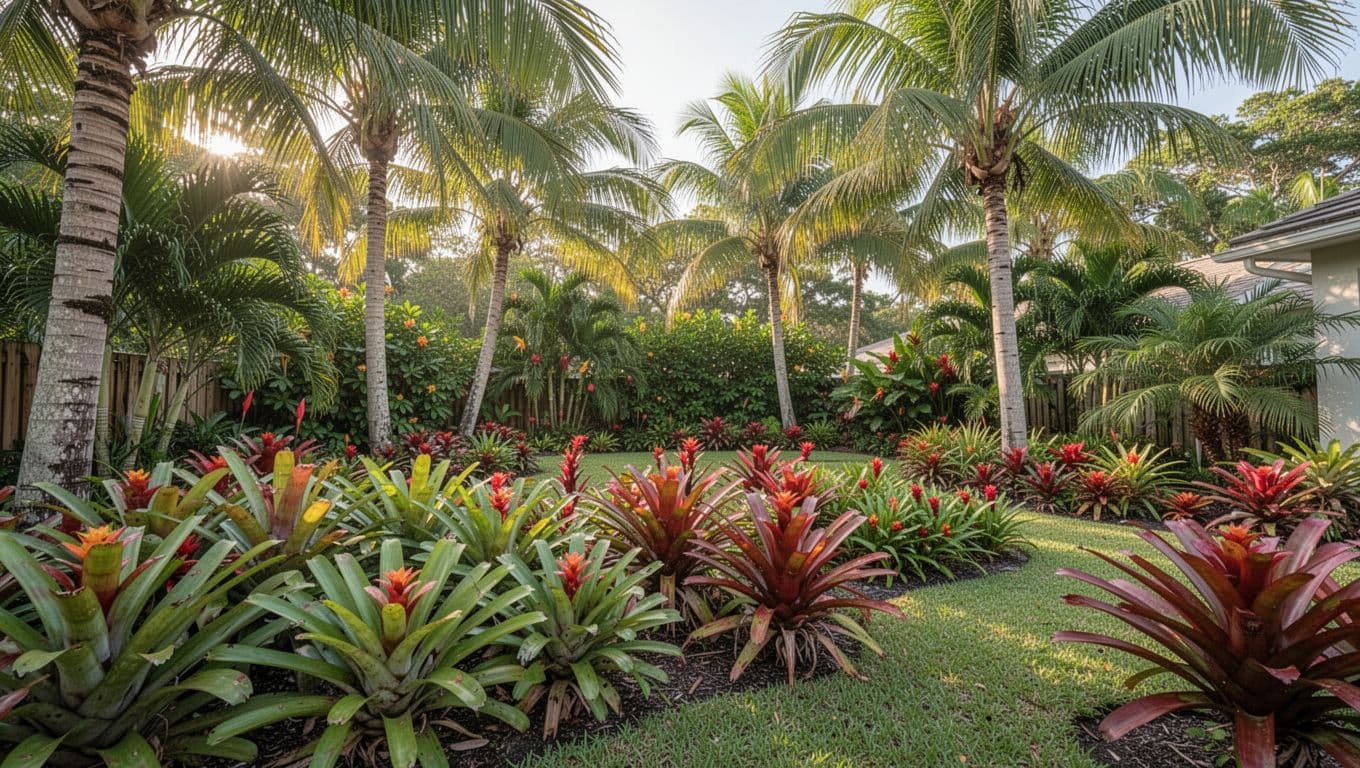
The ranges below are approximate. Duration, wind, plant size, and site protection can shift the outcome a lot.
| Plant | Approx. low temp | What cold usually does |
|---|---|---|
| Coontie | 15 to 20 F | Foliage may bronze, but the plant is usually fine |
| Clusia | 30 to 32 F | Outer leaves can scorch, especially on young plants |
| Philodendron 'Xanadu' | 30 to 32 F | Leaves may burn or droop, then regrow from the crown |
| Shell ginger | 28 to 32 F | Top growth can die back, roots often survive and resprout |
| Bromeliads | 28 to 32 F | Leaf tips may spot or burn, rosettes often stay alive |
| Ti plant | 30 to 32 F | Leaf edges brown fast, stems may recover in warm weather |
| Bird of paradise | 30 to 32 F | Leaves shred or burn, but established plants often rebound |
Coontie is the quiet workhorse here. It is not flashy, but it handles cold with little drama. Clusia and philodendron give you broad leaves and a fuller tropical look, which helps when you want volume without constant winter cleanup.
Shell ginger and bird of paradise are good choices when you want a taller accent plant, but they belong in protected beds. Bromeliads do well in many Southwest Florida yards because the plant body is built for survival, even when the leaves show some wear.
Leaf burn is often cosmetic. Crown damage is the bigger problem.
Crotons, hibiscus, and heliconias can still work in warm pockets, but they are much more likely to look ragged after a cold front. Use them as accents, not as the backbone of the bed.
Where to Plant for the Warmest Microclimates
The safest plants still need the right spot. A sheltered location can make a bigger difference than one extra degree on paper.
South-facing and west-facing walls usually give more warmth than open lawn edges. Courtyards help too, because they block wind and trap heat from nearby hardscape. Under high tree canopy, the air stays a little calmer, although too much shade can reduce flowering.
Raised beds and masonry borders also matter. They do not make a tender plant bulletproof, but they can reduce the worst cold exposure. If you are planning a larger project, think about the warm pocket first, then choose the plant for that pocket.
This is also where smart landscaping saves money later. A narrow side yard may be better with artifical turf and a few sturdy container plants than with a row of tropicals that will need replacement after every hard front. That same logic applies to patios, driveways, and entry walks. When the layout creates a protected corner, the plants have a better shot.
Avoid low spots that hold cold air or standing water. Cold, wet soil can hit roots harder than cold air alone. If one part of the yard stays soggy after rain, fix the drainage before you load it with tropicals.
Freeze Prep and Recovery That Actually Helps
A cold snap is easier to handle when you do a few small things ahead of time.
- Water dry soil the day before the front arrives. Slightly moist soil holds heat better than dusty, dry beds.
- Add mulch around the roots, but keep it off the stems. Two to three inches is plenty.
- Cover exposed plants with frost cloth, old sheets, or lightweight blankets. Anchor the fabric to the ground so it traps warmth.
- Move containers under eaves, into a garage, or close to a wall. Pots cool down faster than in-ground beds.
- Remove covers after sunrise. Plants can overheat under fabric once the sun comes up.
Do not use plastic that touches leaves. It can transfer cold and cause more damage. Also, skip heavy pruning right after a freeze. Wait a few days, then cut only tissue that is clearly dead and brittle.
If stems are still firm and the center growth looks alive, leave the plant alone.
After the front passes, look for mushy stems, collapsed crowns, and blackened new growth. Do not rush fertilizer. Let the plant show real recovery first. If a freeze left mud or mulch stains on pavers, rinse them early, and schedule paver cleaning if marks have set in. Cold weather often exposes drainage issues too, so this is a good time to fix washout, pooling, or cracked hardscape before the rainy season starts.
Better Alternatives to Ultra-Tender Tropical Favorites
The goal is not to turn your yard into a cold-weather garden. It is to keep the tropical feel while avoiding the most fragile plants in exposed spots.
If you love large leaves, clusia and philodendron are safer backbone plants than many showy tropicals. If you want color, bromeliads and shell ginger are often better choices than filling every bed with crotons or hibiscus. For bold accents, ti plants work best near warm walls or inside courtyards, where they get some shelter from the wind.
Mixing plant types also helps. A bed with one tender focal plant, a few moderate performers, and several tougher anchors looks better after a cold snap than a yard where everything fails at once. That same approach keeps maintenance lower through the winter.
If your yard has problem zones that never seem to warm up, do not force tropicals there. Use those corners for hardscape, a simple groundcover, or artifical turf, then save the protected areas for the plants that deserve attention. That approach gives you a cleaner look and fewer surprise losses.
Conclusion
Southwest Florida does not need to give up tropical style just because a cold front rolls through. It only takes better plant choices, smarter placement, and a little prep before the temperature drops.
The strongest yards use cold-hardy tropical plants where they belong, in sheltered spots, with drainage and hardscape that support them. That way, a winter cold snap leaves some cosmetic damage, not a full replanting job.
Choose plants that can bend a little, and your landscape will bounce back faster when the weather turns.