


Best Cape Coral Mailbox Plants That Stay Neat
Mailbox beds in Cape Coral can go from tidy to tangled fast. Sun, heat, rain, and road spray all push plants to grow harder than they should. The best Cape Coral mailbox plants stay compact, handle bright weather, and still look fresh after a light trim. With the right mix, the mailbox area can look finished without becoming another weekly chore.
Small beds near streets need more than pretty color. They need restraint, clean lines, and plants that fit the space instead of fighting it. That matters even more when the bed sits beside a driveway, where overgrowth can block views and make edging harder.
What makes a mailbox bed work in Cape Coral
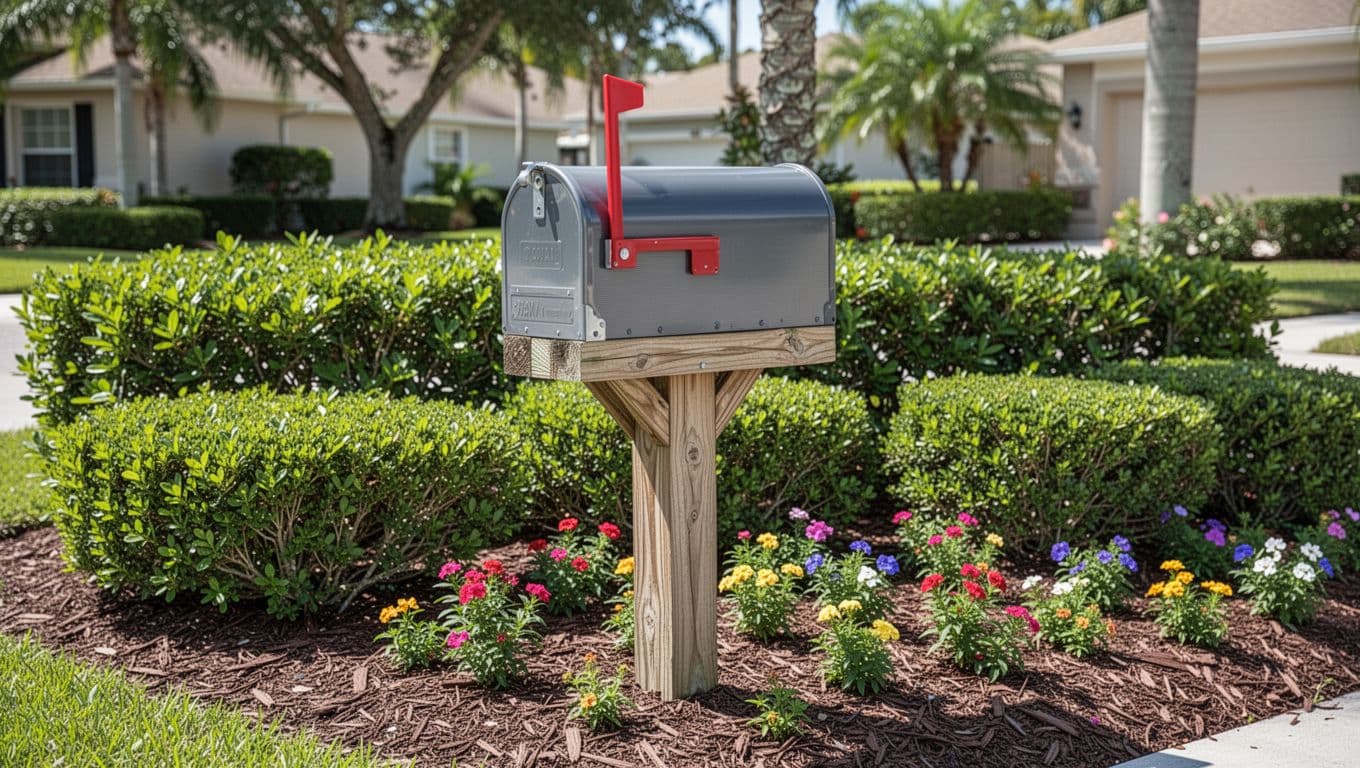
A good mailbox bed should do three things well. It should frame the post, leave the mailbox easy to reach, and stay low enough to keep sightlines open. In practice, that means choosing plants with modest mature sizes, slow to moderate growth, and leaves that do not shed all over the pavement.
Good mailbox landscaping works more like a frame than a hedge. One main plant can anchor the bed, then smaller companions can soften the edge. If the plants stay in scale, the whole area looks cleaner and easier to care for.
A mailbox bed should frame the post, not fight it.
It also helps to think about the hard surface around the bed. A mailbox near a driveway gets a lot of reflected heat, so plants need to handle hot afternoons. Space matters too. If a shrub grows wider than the bed, you will spend the rest of the year cutting it back.
If you want to price the bed before you plant, mailbox landscaping cost in Cape Coral gives a useful starting point for mulch, plants, and edging.
Best Cape Coral mailbox plants that stay neat
These plants stay compact and handle Southwest Florida heat better than shrubs that keep stretching.
| Plant | Why it works | Mature size | Light preference | Maintenance level |
|---|---|---|---|---|
| Dwarf ixora | Dense shape, small leaves, and bright blooms give color without a loose look. | 2 to 3 ft tall, 2 to 3 ft wide | Full sun to part shade | Low to moderate |
| Dwarf yaupon holly | Tight growth and tiny leaves make it one of the neatest small shrubs for front beds. | 3 to 4 ft tall, 3 to 4 ft wide | Sun to part shade | Low |
| Society garlic | Slim clumps stay tidy, and the flowers add color without much litter. | 12 to 18 in. tall and wide | Full sun | Low |
| Bromeliads | They hold a sculpted shape and need very little pruning. | 1 to 2 ft tall, 1 to 2 ft wide | Bright shade to filtered sun | Low |
| Blue daze | This low groundcover softens edges and stays well below mailbox height. | 6 to 12 in. tall, 18 to 24 in. wide | Full sun | Low to moderate |
| Dwarf podocarpus | It gives the bed a formal look and stays manageable with light shaping. | 2 to 4 ft tall, 2 to 3 ft wide | Sun to part shade | Low to moderate |
Dwarf ixora works well when you want color without a wild shape. Its leaves stay small, and it usually responds well to a gentle trim after a growth flush. That makes it a strong pick for homeowners who want a softer look with less fuss.
Dwarf yaupon holly is one of the cleanest choices for a mailbox bed. It has a simple outline, small leaves, and a mature size that stays reasonable if you plant it in the right spot. It fits both traditional and modern front yards.
Society garlic is a smart choice for a narrow strip near a driveway. It stays low, handles heat, and does not throw off a lot of debris. The flowers add a little color, but the plant never looks bulky.
Bromeliads work best where the bed gets some filtered shade. They are a good fit when the mailbox sits near a porch or a taller tree. Since they hold their shape so well, they are one of the easiest plants to keep neat.
Blue daze is a good front edge plant for full sun. It covers soil without climbing into the mailbox post, and it adds a cool blue tone that works well with mulch and stone. It also helps a small bed look finished instead of bare.
Dwarf podocarpus gives structure when you want a little height but not a full shrub wall. It can act as the main plant in the back of the bed, while smaller plants fill the front. That layered look stays cleaner than mixing several medium shrubs together.
If you want a broader front entry plan, professional landscape design and installation helps tie the mailbox bed to the rest of the yard, including pavers, drainage, and plant spacing.
Hardscape details that keep the bed tidy
Plants alone do not keep a mailbox bed neat. The border matters too. A simple paver ring, a trimmed stone edge, or a small concrete apron keeps mulch in place and makes mowing easier around the bed.
If you already have pavers, paver cleaning can make the whole mailbox area look sharper without changing the layout. Clean joints and clear edges make the plants stand out. If the base is cracked or uneven, a concrete company can repair the pad or pour a small border before the plants go in.
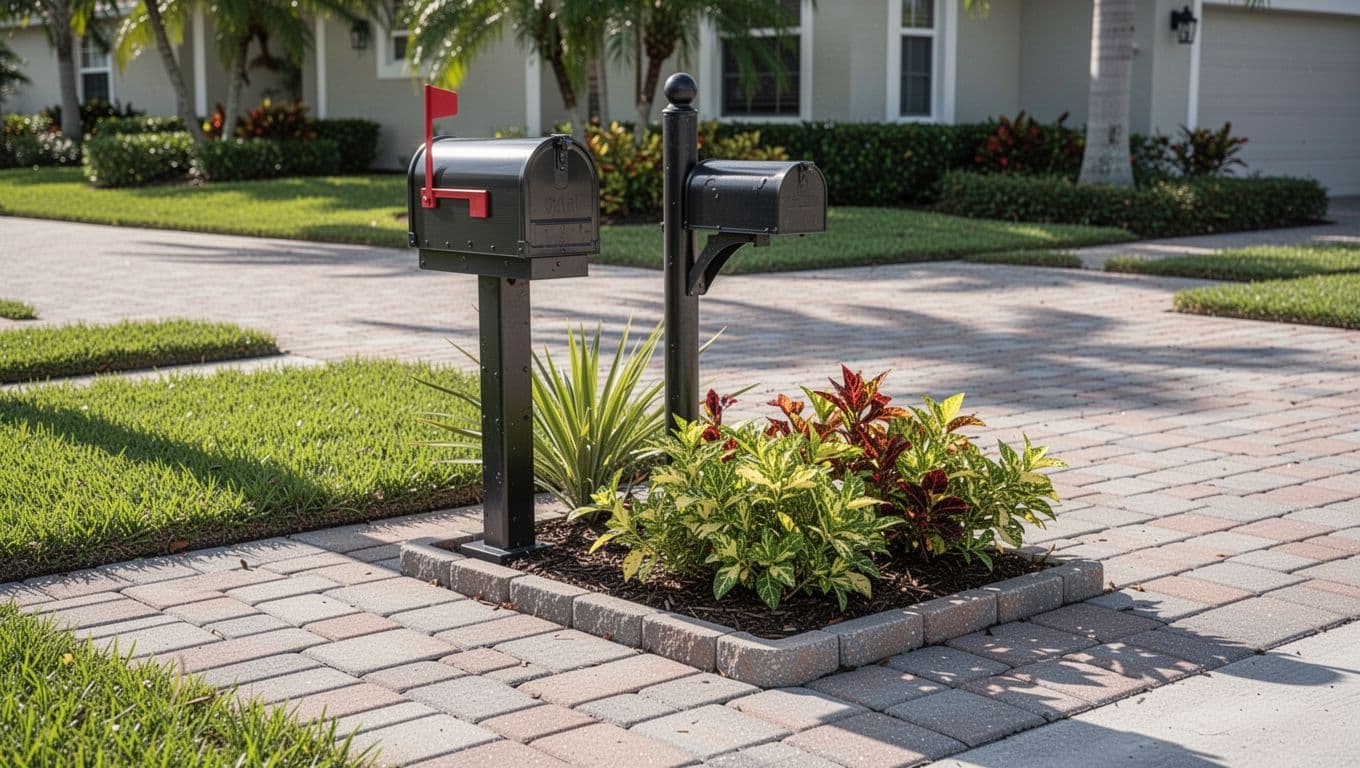
A narrow strip of artifical turf can also work beside the bed when you want a green look with less mowing. That setup makes sense where a mower keeps cutting into the corner or where the bed has to stay extra small. It is a practical option, as long as the edge still looks clean.
Mulch should stay 2 to 3 inches deep. Too little mulch leaves soil exposed, and too much can smother stems. In a hot climate, mulch also helps keep weeds down and gives the bed a more finished look. Use it as a background, not a mound.
The best mailbox beds also keep the front open. Nothing should block the view from the street or crowd the mail carrier. If a plant starts leaning into the driveway, it is too big for the spot.
Plants that usually cause trouble
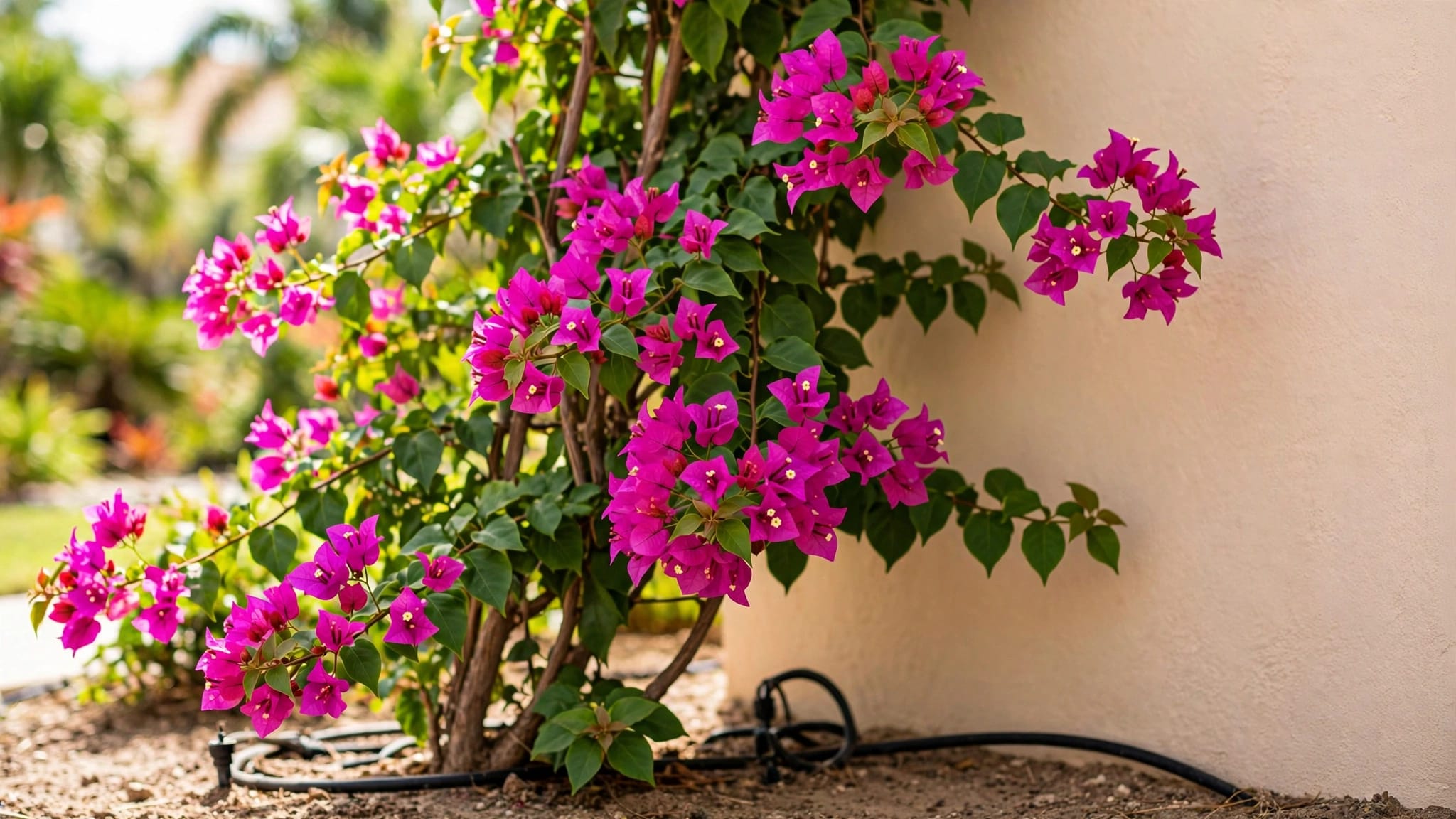
Some plants look good in a nursery and then turn into a headache near a mailbox. Bougainvillea is a classic example. It can be beautiful, but the thorns and dropped bracts make it a poor fit for a small access point. Hibiscus also needs frequent pruning if you want to keep it in bounds.
Fast growers cause trouble too. Golden dewdrop, large crotons, and palms with wide skirts can crowd a small bed faster than expected. The result is a mailbox area that needs constant cutting to stay usable.
Any plant that gets tall, thorny, or messy belongs somewhere else in the yard. Save those choices for a wider landscape bed where there is room to spread. A mailbox bed should stay simple enough to manage in a few minutes, not a few hours.
Keep the bed neat through the year
A tidy mailbox bed usually needs light touch-ups, not major work. Trim after a strong growth flush, pull weeds before they root deep, and check the edge after heavy rain. Small jobs done early are easier than one big cleanup later.
Spacing matters just as much as plant choice. Leave room for each plant to reach its mature width without crossing into the driveway. A crowded bed may look full at first, but it usually turns into a pruning project.
For Cape Coral homeowners comparing plant size, edging, and other front yard updates, front yard landscaping costs in Cape Coral can help put the mailbox bed in the bigger picture.
Conclusion
Mailbox beds in Cape Coral look best when the plants stay small, the base stays clean, and the sightline stays open. Dwarf ixora, yaupon holly, society garlic, and other compact picks give you color and shape without the constant trim cycle.
Build the bed around the mailbox, not around a plant that wants to take over. With neat Cape Coral mailbox plants , a simple border, and a little upkeep, the front of your home can stay sharp all year.