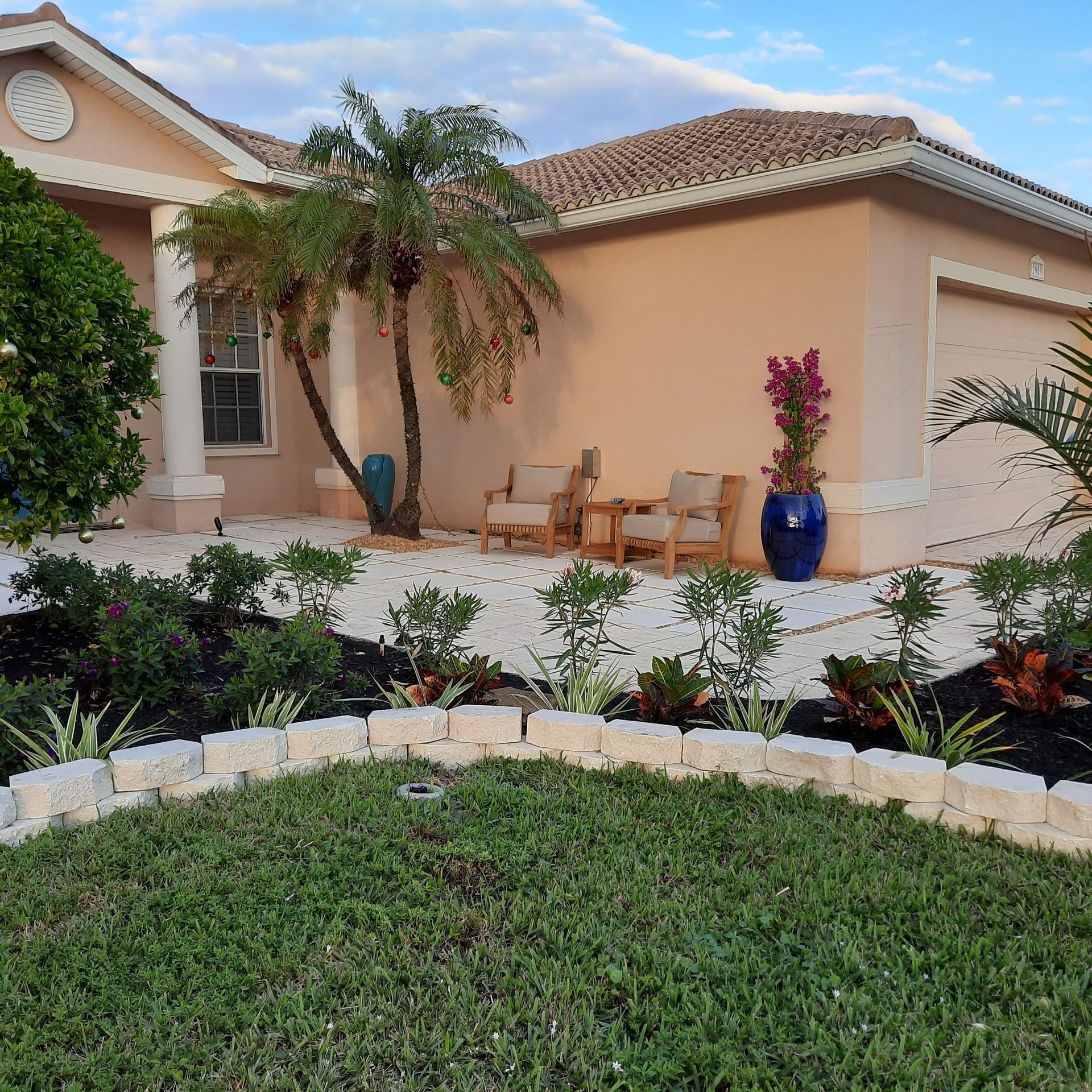



Non-Invasive Vines for Southwest Florida Fences
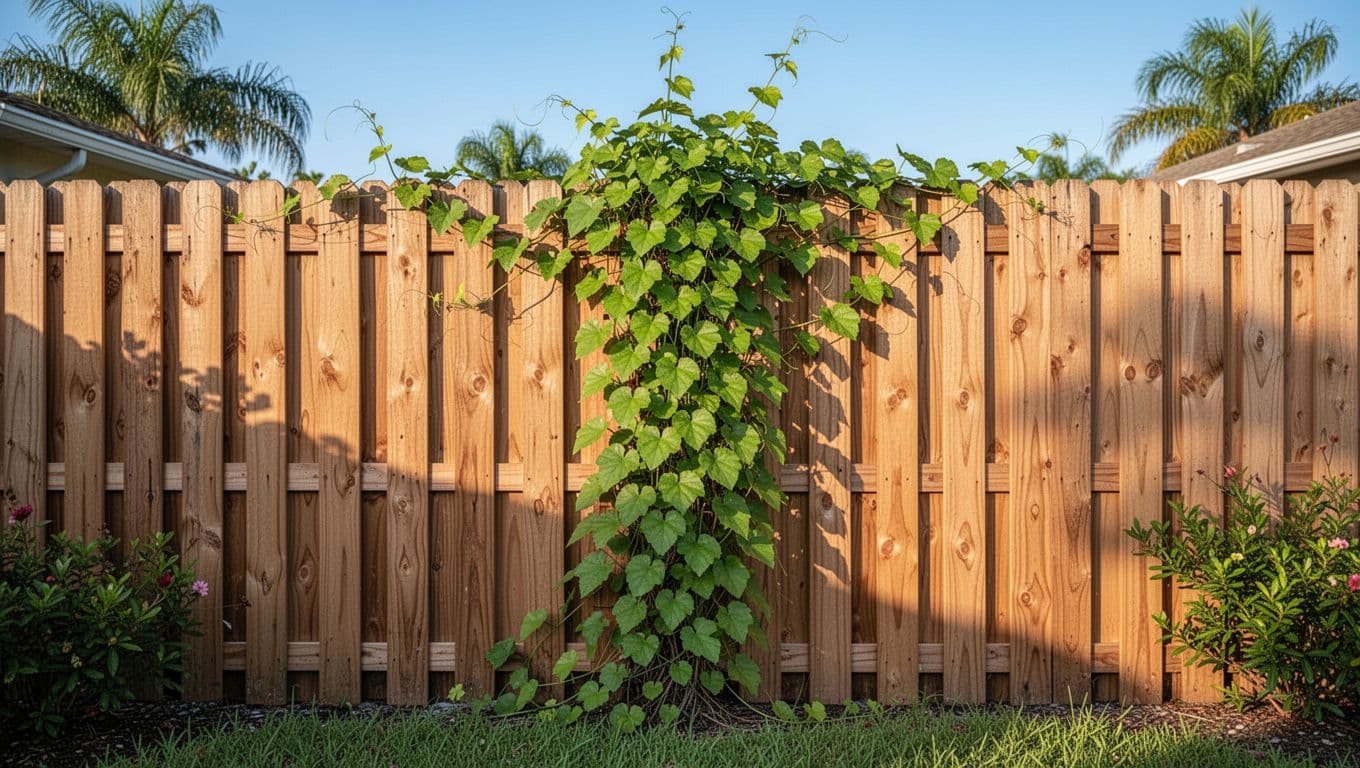
A fence in Southwest Florida doesn't need to sit bare through another hot season. The right vine can soften hard lines, add color, and create privacy without turning your yard into a maintenance project.
That matters even more when your space already includes pavers, a concrete patio, or layered landscaping around the fence line. Choose the wrong plant, and you'll fight root spread, heavy pruning, or a screen that looks ragged after one wet summer. Choose the right one, and the vine starts working like part of the yard instead of a separate chore.
Key Takeaways
- Native vines are the safest starting point for Southwest Florida fences and trellises, especially coral honeysuckle, crossvine, and Carolina jessamine.
- Evergreen coverage and fragrance come from choices like star jasmine, while bougainvillea and mandevilla bring stronger color.
- Support matters as much as the plant , because heavy vines need stout fences, arbors, or metal trellises.
- Regular pruning keeps vines polite , especially in humid weather when growth can surge after summer rain.
- If your yard has pavers, artifical turf, or concrete nearby , plan for airflow, cleanup, and easy access before planting.
Best Non-Invasive Vines for Southwest Florida
These vines handle heat better than many northern favorites, and they stay useful on fences, trellises, arbors, and screens when you give them the right support.
| Vine | Growth habit and size | Light | Standout features | Maintenance notes |
|---|---|---|---|---|
| Coral honeysuckle (Lonicera sempervirens) | Native twining vine, 10 to 20 feet long, moderate spread | Full sun to part shade | Red tubular blooms, hummingbirds, long bloom window | Light pruning after bloom keeps it neat |
| Crossvine (Bignonia capreolata) | Native climbing vine, 30 to 50 feet, strong coverage | Full sun to part shade | Orange-red trumpet flowers, semi-evergreen screen | Needs a stout fence or arbor, trim to manage weight |
| Carolina jessamine (Gelsemium sempervirens) | Native twiner, 20 to 40 feet, tidy spread | Sun to part shade | Fragrant yellow late-winter bloom, early pollinator value | Prune after flowering, all parts are toxic |
| Star jasmine (Trachelospermum jasminoides) | Evergreen twiner, 10 to 20 feet, dense cover | Sun to part shade | Glossy leaves, white fragrance, year-round screening | Train early and prune often to keep it flat |
| Bougainvillea (Bougainvillea spp.) | Woody climber, 15 to 30 feet, wide when unchecked | Full sun | Bright bracts, drought tolerance, big color | Needs gloves, strong support, and regular shaping |
| Mandevilla / dipladenia (Mandevilla spp.) | Tropical twiner, 6 to 15 feet, compact to moderate | Full sun to bright shade | Large blooms, porch-friendly scale, long color season | Frost-sensitive, may need winter protection or replacement |
Coral honeysuckle is one of the cleanest choices for a fence or small trellis. It stays in scale better than many tropical vines, and the red flowers bring hummingbirds without much fuss.
Crossvine gives you more coverage and a heavier green screen. That makes it a smart pick for larger fences and arbors, but it also means the support needs to be solid.
Carolina jessamine shines in late winter, when yellow flowers can brighten a yard that still feels quiet. Use it where pets and kids won't snack on it, because every part of the plant is toxic.
Star jasmine is a favorite for evergreen coverage because it fills in fast and smells great when it blooms. It can look polished on a fence, but it needs training early or it will thicken into a heavy mat.
Bougainvillea delivers the biggest color show in this group. It loves sun, handles heat, and works well on a wall, fence, or large trellis, but it asks for gloves and regular pruning.
Mandevilla, often sold as dipladenia, is the easiest fit for a smaller screen or porch trellis. It gives a long bloom season and a softer look, although cold snaps can knock it back.
How to Match the Vine to the Job
The best vine is the one that fits the job you need it to do. A plant that looks great on a nursery trellis can become a headache on a privacy fence if the support is too small or the light is wrong.
For privacy screening , crossvine and star jasmine usually do the most work. Crossvine covers a large run of fence, while star jasmine gives a denser, more refined wall of green.
For flowering color , bougainvillea is the loudest choice, and Carolina jessamine is the sweetest. Coral honeysuckle adds color too, but it feels lighter and more open.
For pollinator support , coral honeysuckle is an easy win. Its tubular blooms are a hummingbird magnet, and native vines often fit Florida-Friendly landscaping goals better than high-maintenance exotics.
For low-maintenance coverage , coral honeysuckle and star jasmine are the best balance for many homeowners. Mandevilla looks good with less space, but it may need more protection and replacement over time.
If you want one simple rule, start with a vine that matches your patience level. A fast grower on a weak fence is a recipe for extra work later.
Planting and Care in Heat, Humidity, and Salt Air
Southwest Florida weather rewards vines that can handle sun, rain, and long stretches of heat. It also punishes crowded planting beds, weak supports, and poor drainage.
A vine should fit the support first. If the frame is weak, the plant will look good only until the first summer storm.
Give young vines room to breathe. Leave space between the root zone and the fence, then mulch the bed so moisture stays steadier through the heat.
Water deeply during the first season, then back off once roots settle in. Shallow sprinkling often creates weak roots, especially when the soil dries fast.
Pruning matters too. Coral honeysuckle and Carolina jessamine respond well to a trim after bloom, while bougainvillea and star jasmine need more regular shaping to stay controlled.
Crossvine and bougainvillea can get heavy with age, so check ties, hardware, and trellis posts at least once a year. If the support flexes now, it will complain later.
Where Vines Fit in a Full Yard Plan
Fence vines work best when they fit the whole yard plan. If the line also includes pavers, a concrete company project, or a screen wall, the planting strip should be part of the layout before anything gets installed.
That keeps roots away from slab edges and makes cleanup easier later. It also helps with paver cleaning, because leaf litter and petals are easier to rinse off a border than to scrape out of joints.
If you already have artifical turf near the fence, keep vine beds separated so blooms, seed pods, and irrigation splash don't become a mess in the fibers. A little spacing now saves a lot of trimming later.
For a bigger refresh, a professional landscape design and installation plan helps the planting bed, drainage, lighting, and fence line work together. That matters when you want the vine to feel intentional, not tacked on.
The same idea applies to arbors and screens. A vine should frame the space, not fight it, and the best designs make room for airflow, maintenance, and future growth.
Conclusion
The safest fence vines in Southwest Florida are the ones that stay within their support and fit the sun you actually have. Native choices like coral honeysuckle, crossvine, and Carolina jessamine give you color and wildlife value without inviting a battle.
If you want denser evergreen cover, star jasmine can do the job. If you want a bigger burst of color, bougainvillea and mandevilla bring it, as long as you give them the right support and a steady hand with pruning.
Start with the fence, trellis, or arbor, then choose the vine that belongs there. That order keeps your yard looking finished instead of overgrown.