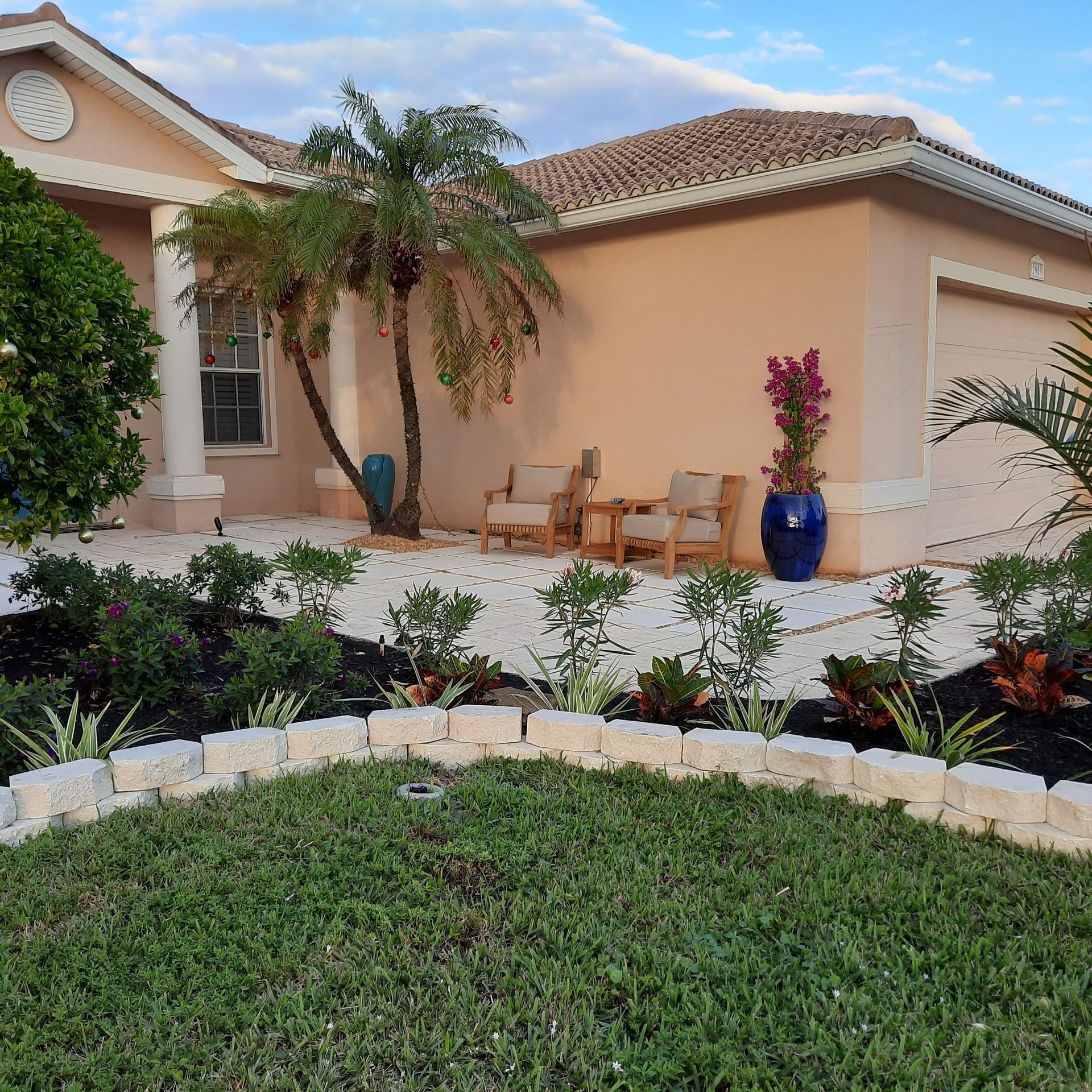



Cape Coral Plants Iguanas Usually Leave Alone
Iguanas can turn a tidy yard into a chewed-up mess fast. The right Cape Coral plants do more than look good, they also help your landscaping hold up when these visitors start treating beds like a snack bar.
That does not mean any plant is safe forever. Still, some shrubs and flowers are usually left alone more often than tender, juicy, or messy options.
What makes a plant less tempting to iguanas
Iguanas are opportunistic. If a yard offers soft leaves, easy access, and plenty of cover, they'll test it. If a plant is tough, leathery, woody, thorny, or strongly scented, it often gets passed over first.
Cape Coral yards bring extra pressure. Sun, salt air, sandy soil, and fast growth all shape what survives well here. That means the best plant choices are the ones that can handle the climate and still look neat without constant fuss.
A good rule is simple. Choose plants that keep their shape, do not need heavy pampering, and fit the spot you actually have. A dense hedge near a fence, a colorful accent by the entry, or a clean border along a walk all make sense.
Iguana feeding habits can change with season and food availability. A plant they ignore in one month may get sampled when other food is scarce.
If you want a yard that stays attractive longer, mix texture and structure. That gives you a better chance of keeping the bed intact, even when local wildlife gets curious.
Cape Coral plants iguanas usually leave alone
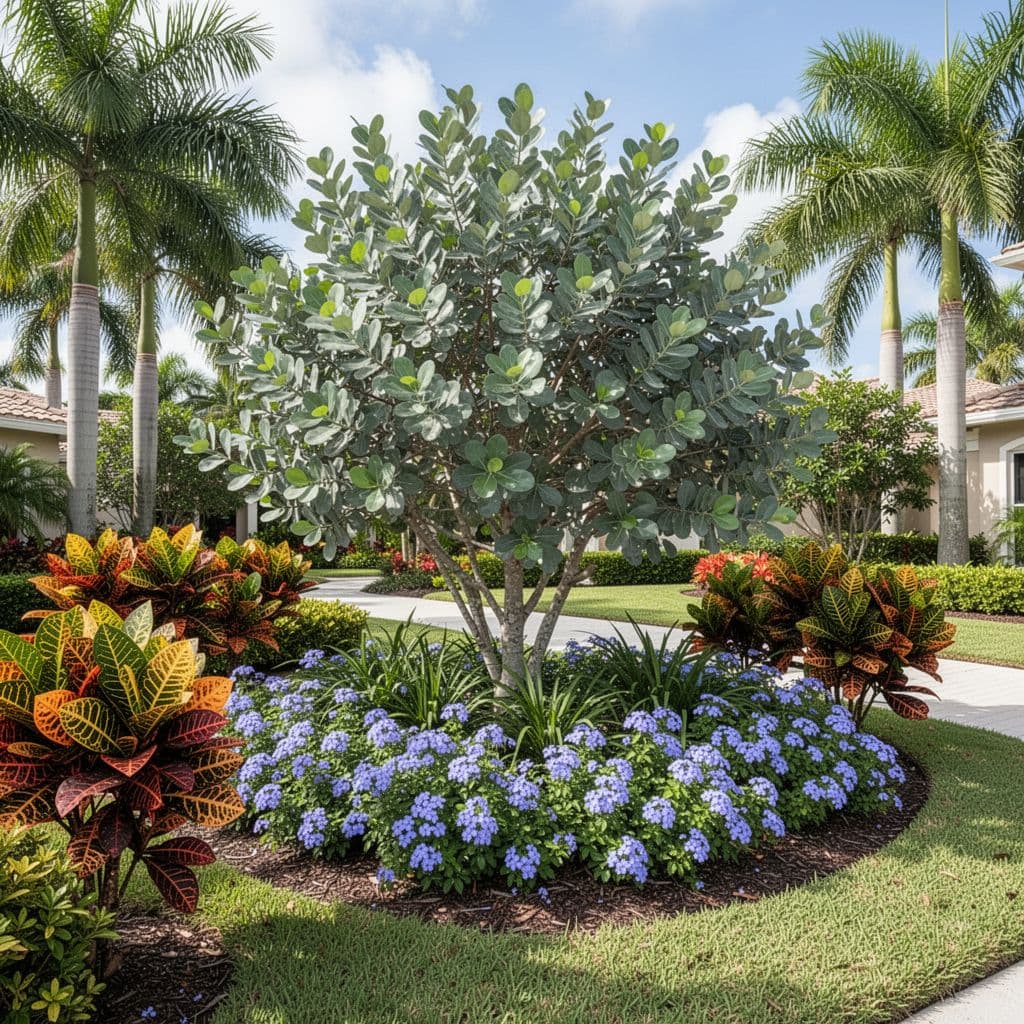
These plants are not guaranteed iguana-proof, but they are often less appealing than soft, lush foliage. The best pick depends on sun, salt exposure, and how much maintenance you want.
| Plant | Sun and salt tolerance | Best use | Why it is usually less preferred |
|---|---|---|---|
| Silver buttonwood | Full sun, high salt tolerance | Privacy, screening, windward beds | Its silvery, tough leaves are not an easy meal |
| Simpson's stopper | Sun to part shade, good salt tolerance | Hedge, border, foundation planting | Dense growth and glossy leaves make it less tempting |
| Firebush | Full sun to part shade, moderate salt tolerance | Accent color, pollinator bed | Woody stems and faster growth help it recover well |
| Plumbago | Full sun to part shade, moderate salt tolerance | Low hedge, soft color mass | Airy stems and light texture are often left alone |
| Coontie | Sun to part shade, handles some shade | Small border, foundation accent | Leathery fronds and compact form make it a poor target |
| Croton | Full sun to part shade in protected spots | Bold color, entry beds, containers | Thick leaves and sap often make it less appealing |
Silver buttonwood is a smart choice where wind and salt matter. It also works well as a screen, which helps when you want privacy without a messy, high-maintenance hedge. Simpson's stopper stays tidy and fits into smaller front-yard beds.
Firebush adds color without looking delicate. Plumbago brings a softer look, so it can break up hard edges around a walkway or patio. Coontie is a strong pick when you need a compact plant that does not sprawl. Croton gives you bright foliage, but it performs best where it gets some shelter from harsh exposure.
For a polished result, mix at least two of these in each bed. If you are starting fresh, professional landscape design and installation can help you place each plant where it gets the right light, salt protection, and drainage.
How to place them around your yard
The plant itself matters, but placement matters too. A well-chosen shrub in the wrong spot can still struggle, and a weaker plant in a protected area may do fine for years.
Full-sun beds near open edges
Open beds near streets, driveways, and side yards usually get the most sun. They also get the most traffic from wildlife. Silver buttonwood and firebush work well here because they can handle heat and still keep their shape.
Keep these beds simple. Wide open soil invites weeds, erosion, and extra damage from foot traffic. A clean edge, mulch, and a few strong plants usually do better than a crowded mix of delicate flowers.
Shadier pockets and foundation strips
If a side yard gets morning sun and afternoon shade, Simpson's stopper and coontie are useful choices. They stay neater than many tropicals and do not need constant trimming.
This is also a good place to use plants that soften the house line without blocking windows. Low, tidy plantings make the yard look finished, and they leave less room for iguanas to hide.
Front-entry accents and containers
Color belongs near the places people notice first. Croton and plumbago work well in front-entry beds or large containers, where you can control the soil, water, and spacing.
Containers are helpful when a bed gets too much wildlife pressure. They lift plants off the ground a little and make the area easier to protect. If you want the rest of the yard planned around those focal points, landscape design and installation can tie the whole layout together.
Hardscape that supports the planting plan
Plants do a lot of the work, but hardscape makes the whole yard easier to keep clean. Simple borders, walkways, and patios help define where plants should stop and where people should walk.
A concrete company can pour neat edges, pads, or walkways that keep soil from spilling into high-use areas. That matters in Cape Coral, where heavy rain and sandy soil can shift quickly. Clean lines also make trimming easier, which helps the yard look cared for even during peak growing season.
If you are adding a patio or path, paver installation and repair services can create a strong frame around your beds. Regular paver cleaning keeps joints from filling with debris and weeds, so the hardscape stays tidy instead of becoming another maintenance job.
Some homeowners also use artifical turf in narrow side yards or small dog runs. It can reduce mud and keep the area looking neat when planting space is limited. Just pair it with tough border plants so the edge does not look bare.
Stone mulch, raised beds, and trimmed edges work the same way. They reduce soft spots, make the yard easier to clean, and give your plants a more finished look. In many cases, that clean structure matters as much as the plant choice itself.
What to remember before you plant
The best Cape Coral yards use plants that fit the climate and the problem. Tough, salt-tolerant shrubs, compact borders, and bright accents can all work well when iguanas are around.
No plant gives you a perfect shield. Seasonal food shortages, rain, nesting habits, and nearby plantings can change what iguanas try next. Even so, a yard built with sturdy plants and clean hardscape gives you a much better chance of keeping the damage down.
If you want a yard that still looks sharp after a busy season, focus on texture, structure, and simple maintenance . That combination keeps your landscaping attractive, even when the local wildlife has other plans.