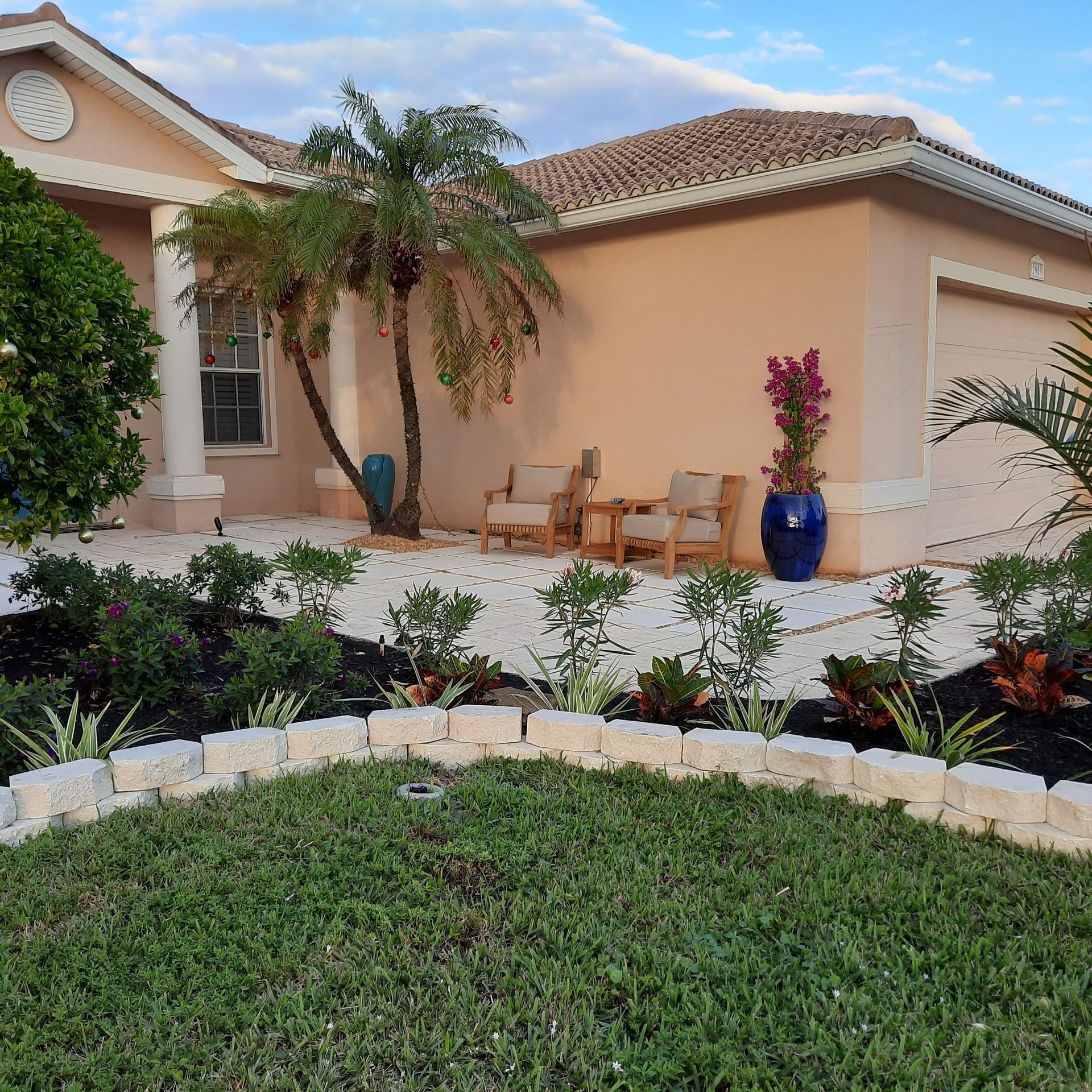



Best Cape Coral Plants for Dry Areas Under Roof Overhangs
A bed under a roof overhang can turn into one of the driest spots in Cape Coral. Rain misses it, heat reflects off the walls, and the soil can bake faster than the rest of the yard.
That means your landscaping choices have to work harder there. The right Cape Coral drought tolerant plants can handle heat, dry soil, and the patchy light that comes with eaves and porch roofs.
Why roof overhang beds dry out so fast
Roof overhangs create a strange little microclimate. The bed may get shade for part of the day, but it still misses the soaking rain that helps plants settle in. On top of that, walls, concrete, and pavers can trap heat.
That combination is tough on plants with shallow roots or high water needs. It is also why a bed near the house often looks worse than the rest of the yard, even when the soil is decent.
The trick is to choose plants that stay calm when the rain skips them. You want foliage that does not scorch easily, roots that can handle dry cycles, and a size that fits the space without crowding windows or walkways.
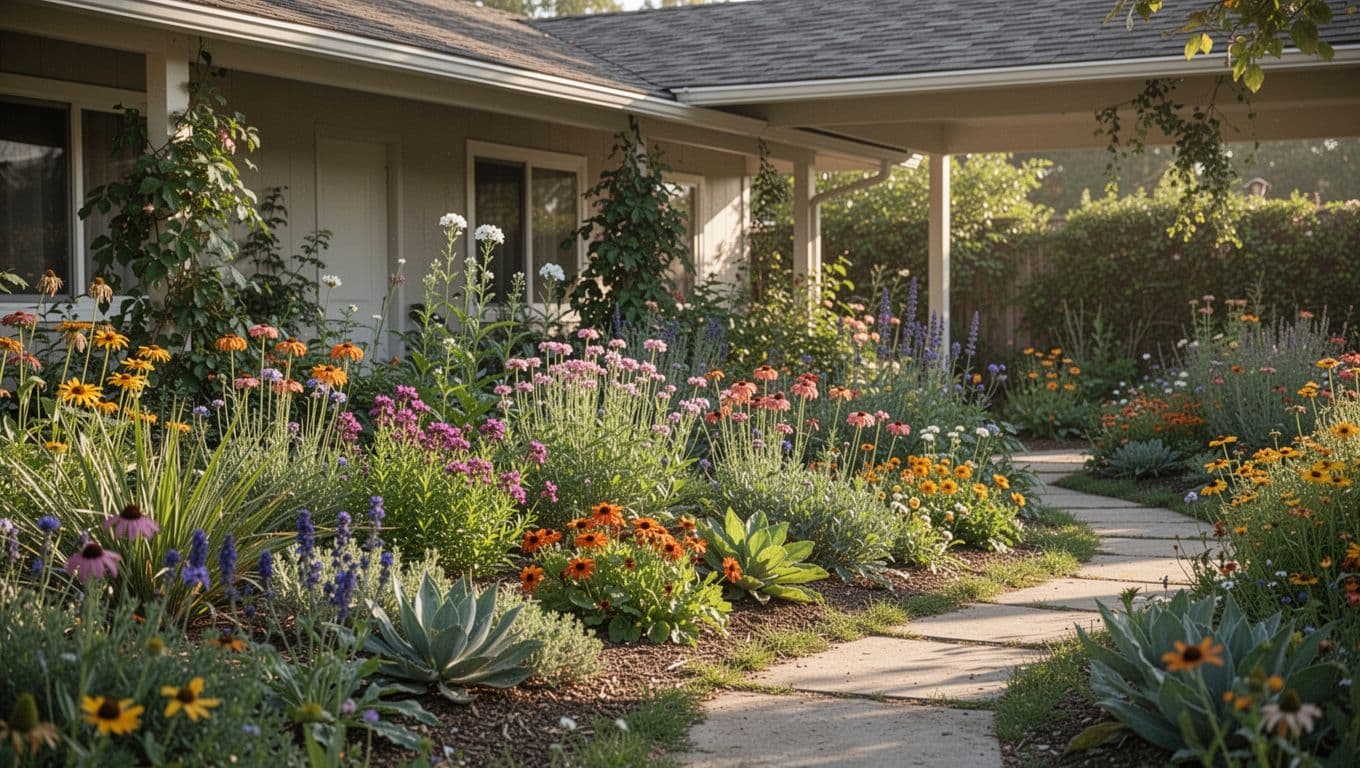
Cape Coral plants that handle dry overhang beds
A bed under a roofline needs plants that stay tidy, stay alive, and still look good when the sprinkler misses a cycle.
| Plant | Mature size | Light preference | Water once established | Best use |
|---|---|---|---|---|
| Coontie | 2 to 3 ft tall, 3 to 5 ft wide | Part shade to shade | Low, with deep watering during long dry spells | Foundation beds and shaded corners |
| Simpson's stopper | 4 to 8 ft tall, 4 to 6 ft wide | Sun to part shade | Low | Foundation beds and corner accents |
| Dwarf yaupon holly | 3 to 5 ft tall, 3 to 4 ft wide | Sun to part shade | Low | Entry beds and compact hedges |
| Snake plant | 1 to 4 ft tall, 1 to 3 ft wide | Bright shade to part shade | Very low | Narrow planting strips and side yards |
| Cast iron plant | 18 to 30 in. tall, 2 to 3 ft wide | Shade to part shade | Low to moderate | Deep shade near walls |
| Dwarf mondo grass | 6 to 10 in. tall, spreads by clump | Part shade to shade | Low | Edging and small filler areas |
The best part is that these plants give you different textures. Some are upright, some are soft, and some stay low and neat. That mix keeps a dry bed from looking flat or sparse.
Native shrubs that bring shape without extra fuss
Coontie is one of the smartest choices for a shady, dry foundation bed. It usually stays around 2 to 3 feet tall, though it can spread wider than people expect. It likes part shade or shade, and once it settles in, it needs only occasional deep watering. Its stiff, fern-like look works well near stucco walls and under low eaves.
Simpson's stopper is another strong pick for Cape Coral. It reaches about 4 to 8 feet tall, so it gives you more structure than a groundcover. It handles sun or part shade, and it stays low-water once established. The small leaves and tidy shape make it a good fit for front beds where you want a clean look without constant trimming.
Dwarf yaupon holly does well where you need a compact shrub that can handle heat and dry soil. It usually grows 3 to 5 feet tall, with a rounded form that stays neat. It prefers sun to part shade, so it works best where the overhang lets in some light. In the right spot, it gives you a durable plant for entry beds and narrow frontage.
Even drought-tolerant plants need regular watering during establishment. A dry overhang bed is no place to cut corners during the first growing season.
Tough plants for narrow strips and deep shade
Snake plant is hard to beat for very dry spaces. It grows upright, usually 1 to 4 feet tall, and can handle bright shade or part shade. Once established, it needs very little water. That makes it a good choice for skinny side yards, porch edges, and spots where people forget to water. It also brings a bold shape that pairs well with clean hardscape lines.
Cast iron plant lives up to its name. It stays around 18 to 30 inches tall, with broad leaves that give shady beds a fuller look. It prefers shade to part shade and can handle lower water once it settles in. It is useful where a roof overhang blocks most of the light, and it softens the base of a house without asking for much.
Dwarf mondo grass works well as a low edge or filler. It stays short, forms neat clumps, and handles part shade to shade. It needs low water after establishment, although it does better with some care during hot, dry stretches. Use it where you want a living border that stays close to the ground and does not steal space from larger plants.
Matching the plants to your hardscape
Dry beds under roof overhangs usually sit next to concrete, pavers, or both. That matters, because the hardscape changes how the bed looks and how much heat it holds.
If a concrete company poured a new walk, apron, or patio, the planting strip beside it may be narrow. Compact plants like coontie, dwarf yaupon holly, and snake plant fit those spaces better than wide shrubs. They stay away from the slab and keep the edge from feeling crowded.
Pavers create the same kind of challenge. Tight beds need plants that will not spill over the walk and make cleanup harder. Regular paver cleaning also looks better when the plants stay contained and neat.
If you use artifical turf nearby, keep the bed simple. A few strong plants can anchor the edge without making the transition feel busy. Coontie, cast iron plant, and snake plant all work well in that kind of clean-lined setup.
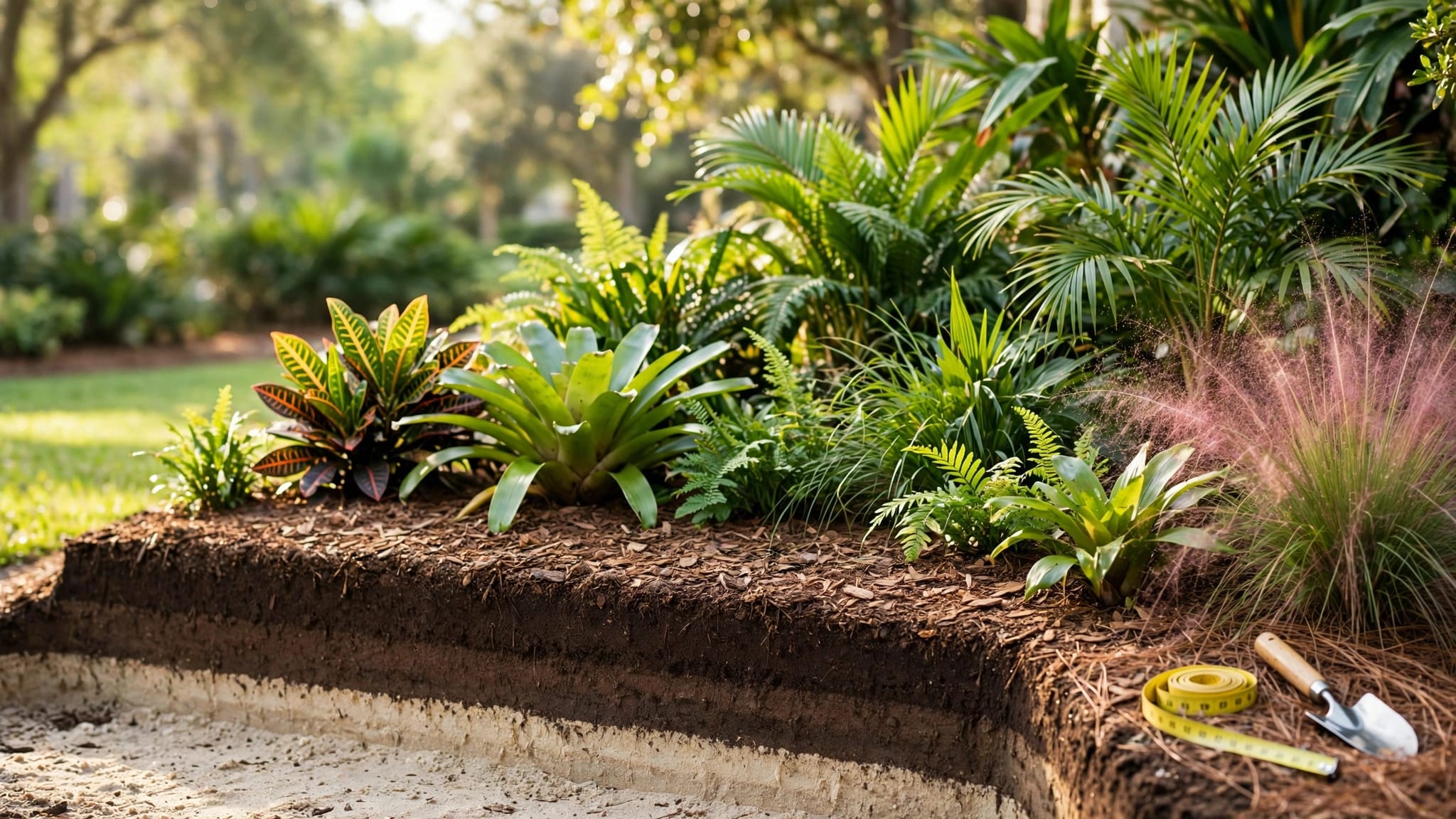
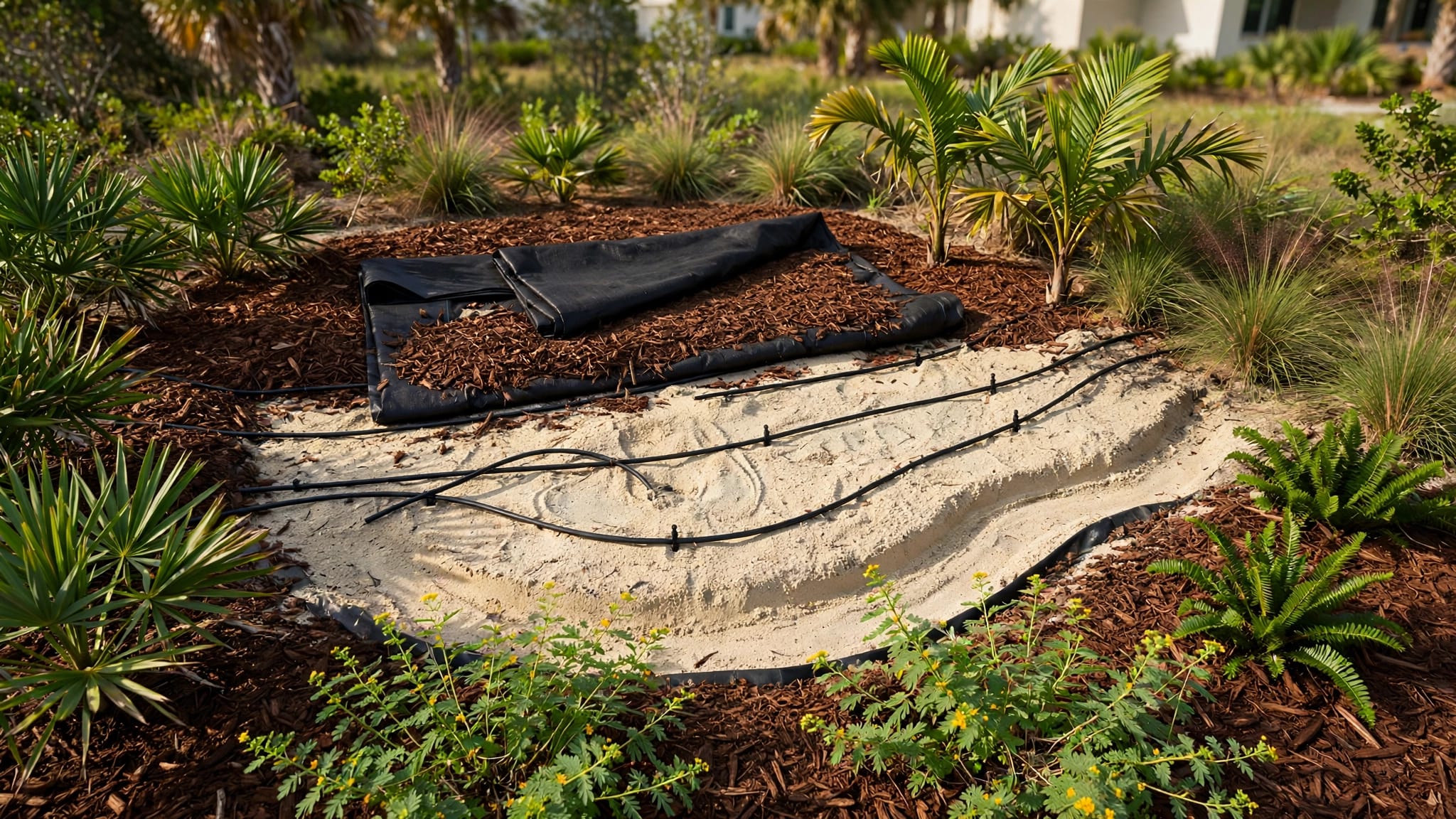
Mulch or stone helps too. In dry overhang beds, both can reduce splashback and make the soil hold moisture longer. Just keep mulch a few inches away from the stems and trunks so the plants can breathe.
Planting and watering that actually work
The first few months matter more than most people think. Even drought-tolerant plants need regular watering during establishment, because new roots cannot chase moisture far yet.
Water deeply, then let the soil dry a bit before watering again. That approach helps roots grow down instead of staying near the surface. It also matches the dry rhythm under a roofline better than light, frequent sprinkling.
A thin layer of mulch helps, but do not pile it against the base of the plant. Leave space around crowns and trunks. In Cape Coral, that small gap can save a plant from rot when summer rain finally arrives.
Also, match plant size to the bed. A small strip by the house does not need a big shrub with aggressive roots. It needs a plant that can stay attractive without constant reshaping. That is where good landscaping pays off. The bed looks intentional, and the maintenance stays manageable.
Conclusion
Dry beds under roof overhangs are tough, but they are not hopeless. The right mix of cape coral drought tolerant plants can handle heat, skip a few rainstorms, and still keep the front of your home looking finished.
Start with plants that fit the light, the space, and the hardscape around them. When you choose compact, low-water plants and give them time to root in, the driest strip of the yard can become one of the cleanest-looking parts of the property.