


Cape Coral Front Bed Plants for South-Facing Sun
South-facing front beds in Cape Coral get hammered by long sun, hot pavement, and reflected heat. That mix can bake roots fast and fade weak plants before summer ends.
The good news is that the right Cape Coral front bed plants can handle the punishment and still look polished. You want color, structure, and leaves that stay neat with less watering.
Good landscaping in this part of Florida starts with the sun, not the plant tag. The choices below fit Cape Coral heat, sandy soil, and front yards that need to look finished all year.
What south-facing front beds need in Cape Coral
Cape Coral's south-facing beds usually get sun from morning to late afternoon. In front of a driveway, walkway, or white stucco wall, the heat feels even stronger.
That means the best plants need more than sun tolerance. They need roots that can cope with dry soil, foliage that won't scorch, and enough toughness for wind and occasional salt in the air.
South-facing beds punish weak plants fast. If a plant fails beside a sidewalk in July, it will struggle here too.
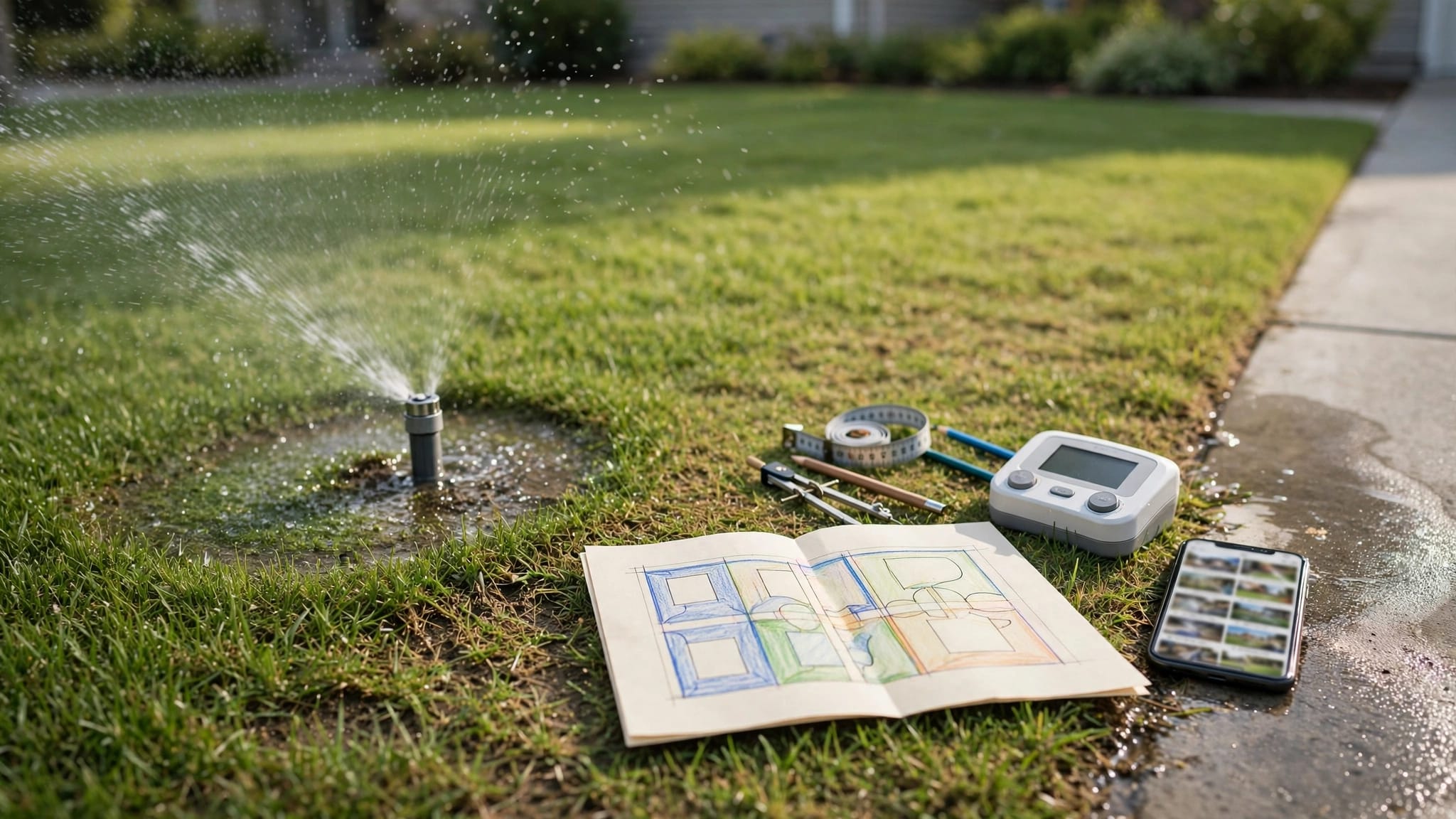
Start with drainage and irrigation. Sandy soil drains fast, so mulch and regular drip or sprinkler coverage help more than frequent hand watering. A professional landscape design and installation plan helps you place taller shrubs, low color, and irrigation where they work together.
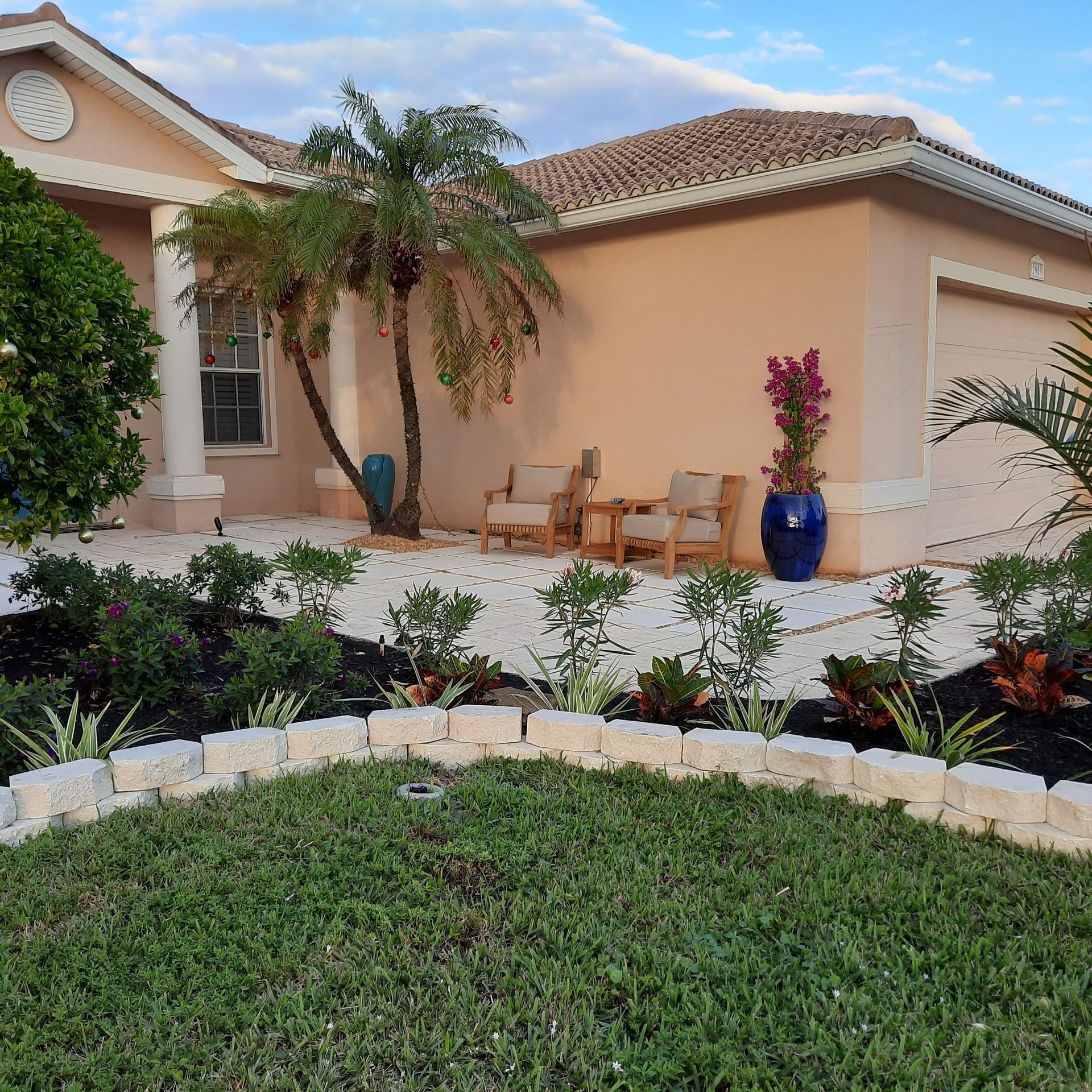
It also helps to think about the front bed as one part of the whole entrance. If the bed sits next to a porch, pavers, or a concrete walk, the plants should fit the hardscape instead of crowding it. That keeps the bed easier to maintain and gives the whole front yard a cleaner line.
Shrubs and foliage plants that stay tidy
A front bed needs plants that keep a clean outline. Loose, floppy growth looks messy fast when it stretches toward the street.
| Plant | Why it works in full sun | Best use |
|---|---|---|
| Dwarf yaupon holly | Evergreen, drought tolerant, and tolerant of coastal air | Low hedge or corner anchor |
| Firebush | Handles heat well, brings red-orange blooms, and attracts butterflies | Bright accent shrub |
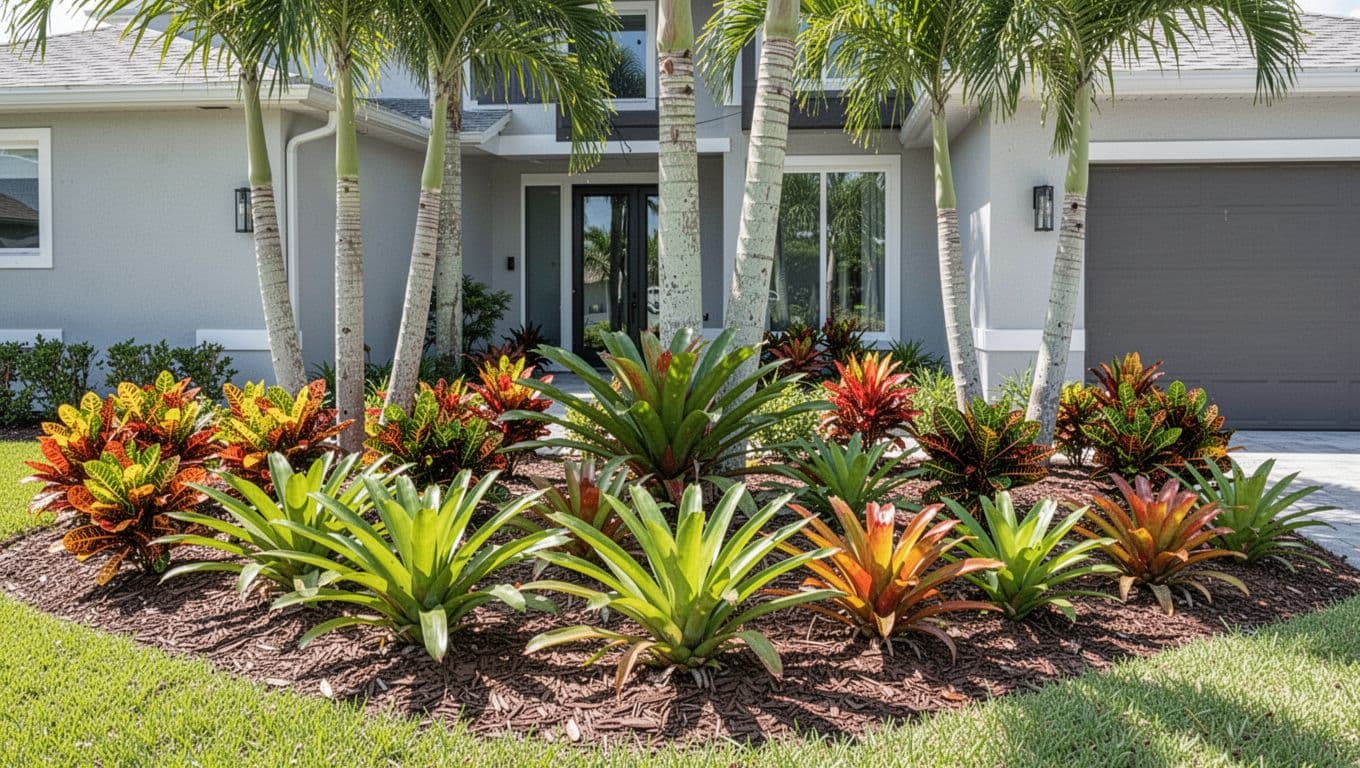
| Croton | Bold foliage color, strong sun tolerance, year-round interest | Color block near the entry |
| Ixora | Dense growth and long bloom periods with regular water | Foundation plant in a sunny spot |
| Coontie | Slow-growing and tough, with a sculptural shape | Structural backdrop |
Dwarf yaupon holly is one of the easiest anchors for a Cape Coral front bed. It stays neat with light pruning and does not demand much once it settles in.
Firebush and ixora add more color, but they still need room to breathe. Leave space for their mature width, because crowding makes even tough plants look tired. For many shrubs, 3 to 5 feet between plants is more realistic than a tight hedge, especially when you want the bed to look open and intentional.
Croton gives you color without flowers, which helps when the bed needs year-round interest . Coontie works well when you want a clean, low-maintenance base near a porch or walkway. Its shape is simple, so it lets the bolder plants do the talking.
Flowers that keep the bed colorful
Bright flowers work best when they can handle heat without constant deadheading. In Cape Coral, the strongest performers are usually the ones that bloom in heat instead of hiding from it.
- Lantana brings yellow, orange, pink, and gold, and it handles heat and drought well once established.
- Pentas gives you clusters of red, pink, and white flowers, plus steady butterfly traffic.
- Plumbago adds soft sky-blue blooms and a looser shape that works well in mixed beds.
- Beach sunflower is a smart pick near salty air, and its yellow blooms stay cheerful in full sun.
- Gaillardia adds warm red and gold tones, which look good against stucco and stone.
These plants look best when you repeat them in clumps. Three or five of the same plant usually looks calmer than a single scattered row. It also makes the bed read as one design instead of a plant collector's display.
If your front entry needs more punch, use one strong color and one soft color. Red pentas near the door, with plumbago or beach sunflower farther out, can keep the bed lively without feeling busy. That kind of simple color plan works well in small front yards.
Layer the bed so the front yard looks finished
A good front bed works like a scene in layers. Tall anchors go in back, medium plants fill the middle, and low growers soften the edge.
That layout keeps sunlight on the plants that need it and prevents taller shrubs from swallowing the smaller ones. It also makes watering easier, because each layer can sit where the spray or drip lines reach it best.
If the bed meets a driveway, patio, or front walk, keep the edge clean. Fresh mulch, fertilizer, and petals can stain stone or concrete, so regular paver cleaning keeps the entrance looking sharp. Clean edges matter just as much as healthy plants.
If the border itself is cracked or settled, call a concrete company before planting. A crooked edge makes even good landscaping look unfinished, and new plants are harder to place around broken borders.
The same advice applies if your yard mixes beds with artifical turf . Keep those borders simple, because spilled mulch and leaf litter show up fast on synthetic surfaces. Compact shrubs and tidy groundcovers are easier to manage beside turf than loose, sprawling plants.
When you space the bed, think about the future, not the day of planting. Small color plants can sit closer together, but shrubs need room to mature. The right spacing helps air move through the bed, which cuts down on disease and keeps the plants from fighting for light.
Plants that usually struggle in full south sun
Some popular yard plants look great in shade and fall apart in a south-facing bed. They may survive for a while, but they often burn, thin out, or need constant replacement.
- Caladiums scorch fast and lose their color in direct sun.
- Impatiens fade and drop flowers when the heat builds.
- Ferns brown at the edges and dry out on reflective walls.
- Hydrangeas need more protection than a hot front bed gives.
- Hostas rarely look happy in Southwest Florida sun.
A bed that sits in full sun needs plants that expect it. That simple filter saves water, money, and the hassle of replanting every season.
If you want a front yard that stays presentable with less work, skip anything that asks for afternoon shade. In Cape Coral, the harshest beds are honest. They show you right away which plants belong there.
A simple plant mix that works in most Cape Coral front beds
If you want a low-risk plan, build the bed in three layers. Use one or two anchor shrubs in the back, a mass of flowering plants in the middle, and a low border at the front.
A practical mix looks like this: dwarf yaupon holly or coontie for structure, ixora or firebush for the middle layer, and lantana or beach sunflower at the edge. Add croton where you want bold foliage color.
That mix gives you height, bloom, and texture without overcrowding the entry. It also creates enough contrast to make the front of the house feel finished from the street. The result is simple, but it doesn't look plain.
Mulch helps the whole design hold up through summer. It cools the soil, holds moisture, and makes the plants look sharper against the hard edges of a driveway or walk. In Cape Coral, that little layer does more work than most people expect.
Conclusion
Cape Coral front beds need plants that can live with heat, bright reflection, and dry soil. When you choose sun-first plants, the bed looks better and needs less rescue work.
Start with tough structure, add color in layers, and keep the edges clean. If your front yard ties into pavers or concrete, the plant list should match the hardscape, not fight it.
The strongest beds look calm in August, not just in spring. Pick plants that can handle the sun, and the front of the house will stay sharp longer.