


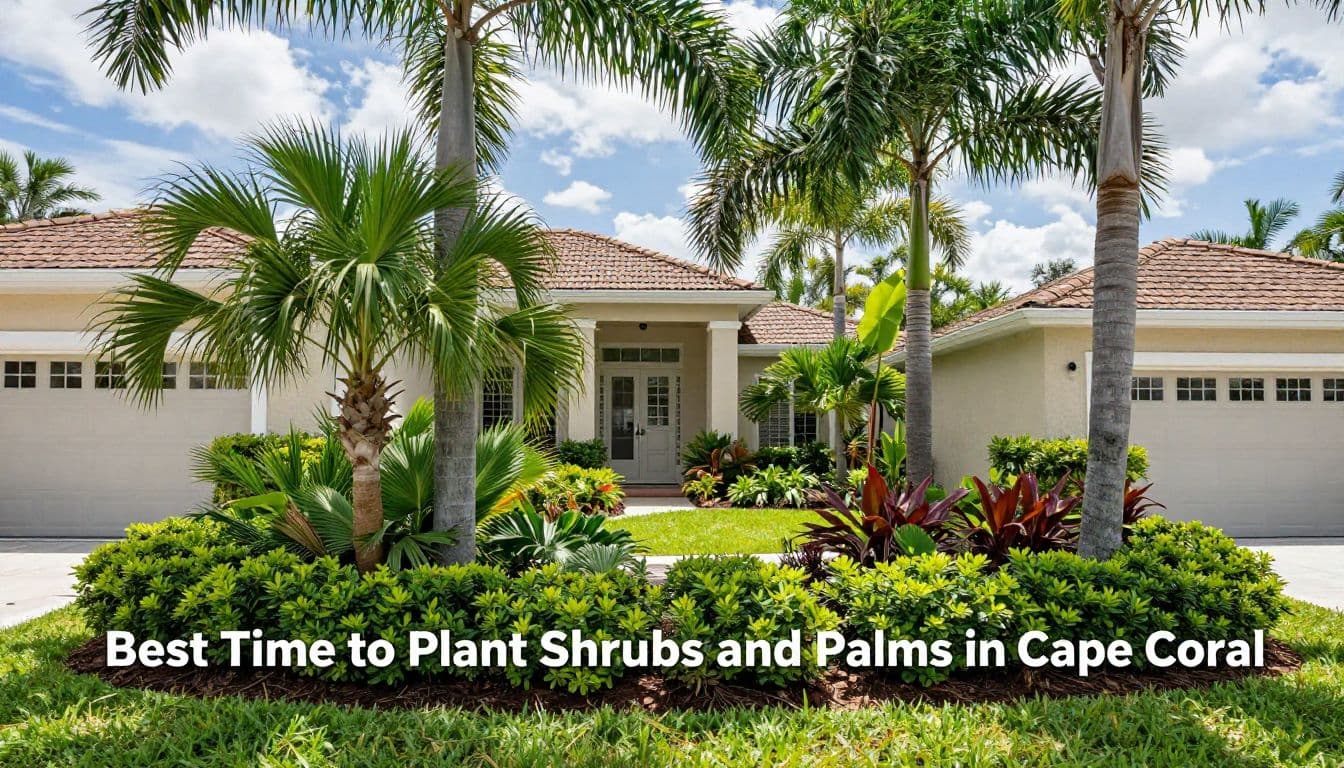
Best Time to Plant Shrubs and Palms in Cape Coral
Planting at the wrong time in Cape Coral can turn a simple yard update into a long watering job. Our heat, rain, sandy soil, and surprise cold fronts all change how fast roots settle in.
The good news is that the calendar is fairly simple once you separate shrubs from palms. If you match the plant to the season, your landscaping looks better sooner and asks for less rescue care later.
How Cape Coral's seasons shape root growth
Cape Coral has two planting moods, and they matter more than many homeowners expect. The wet season usually runs from late spring through fall, with afternoon storms, high humidity, and warm soil. The dry season brings milder days, less rain, and more work for your irrigation system.
That split affects root growth in a big way. New roots need moisture, but they also need oxygen. Sandy soil drains fast, so beds can dry out quickly after a sunny stretch. On the other hand, a low spot that holds water after storms can smother roots before they get established.
Heat is the other half of the story. A plant set out during a July heat wave has to fight evaporation from day one. A plant set out before a cold snap may pause growth at the exact moment it needs to push roots. Timing gives a young plant breathing room.
The safest planting window gives roots several mild weeks before summer heat or a winter front arrives.
When you plant shrubs and palms in Cape Coral, the season is only part of the plan. Drainage, mulch, and irrigation all shape whether the plant settles in or stalls.
The safest window for shrubs in Southwest Florida
Shrubs are the least forgiving about bad timing. Most do best when the worst heat has passed and the next few months stay mild. For Cape Coral, that usually means late October through March, with November through February often being the easiest stretch.
That cooler window helps in a few ways. Soil stays warm enough for root growth, but the air is not hot enough to pull moisture out of leaves and stems so fast. Rain is less frequent, yet evaporation is lower too, so each deep watering goes farther. That balance is ideal for foundation shrubs, privacy hedges, and mixed beds.
A simple comparison helps narrow the timing.
| Plant type | Best planting window | Why it works | Main risk |
|---|---|---|---|
| Shrubs | Late October to March | Mild temps and lower evaporation | Heat stress if planted too late |
| Palms | April to early June | Warm soil and a long warm season ahead | Cold snaps if planted too late in fall |
That table is broad, but it matches what many Cape Coral yards need. Shrubs want the cool season because they establish faster with less stress. A hedge that goes in during winter usually needs less handholding than one planted in late spring.
The exact plant still matters. Tough landscape shrubs can handle a wider window, while tender flowering shrubs may struggle more in full sun or reflected heat. Beds beside driveways, walls, or patios dry faster, so they need tighter watering during the first few weeks.
If your project is part of a bigger yard refresh, it helps to plan the layout before anything is dug. Custom landscape design and installation in Cape Coral can keep bed shape, spacing, and irrigation in sync with the planting date.
Palms need warmth, but not neglect
Palms have a different rhythm. They tolerate South Florida heat better than most shrubs, and they often handle warmer planting windows more easily. For Cape Coral, late spring through early summer is a strong time because the soil is warm and the rainy season is close.
That gives the root ball a long stretch of growth before any cool weather returns. It also means the palm can start settling in while summer rains do some of the work. A palm planted in April or May usually has a much easier start than one planted just before winter.
Still, palms are not automatic. Freshly planted palms need steady water, especially when wind and sun are both strong. The trunk may look solid, but the root system is still catching up underground. If that root ball dries out, the palm can stall for months.
Planting palms in fall can work, but it comes with more risk. A cold front soon after planting can slow root growth right when the tree needs momentum. That does not mean you can never plant later in the year. It means you should watch the forecast, water more carefully, and avoid planting right before a temperature drop.
A good rule is simple. Shrubs like the cool season. Palms like warm soil and a long warm runway. In Cape Coral, that difference matters as much as the plant tag.
What to do when you have to plant anyway
Sometimes the timing is out of your hands. A move, a remodel, or storm cleanup can force planting in July or January. The job can still work, but the aftercare has to be tighter.
- Water the root zone first. Aim at the soil around the root ball, not just the leaves. Check moisture often during the first two weeks, because sandy soil dries fast.
- Keep mulch in place. Two to three inches helps the soil hold water and cuts down on heat swings. Leave a gap around stems and trunks so bark and crowns do not stay wet.
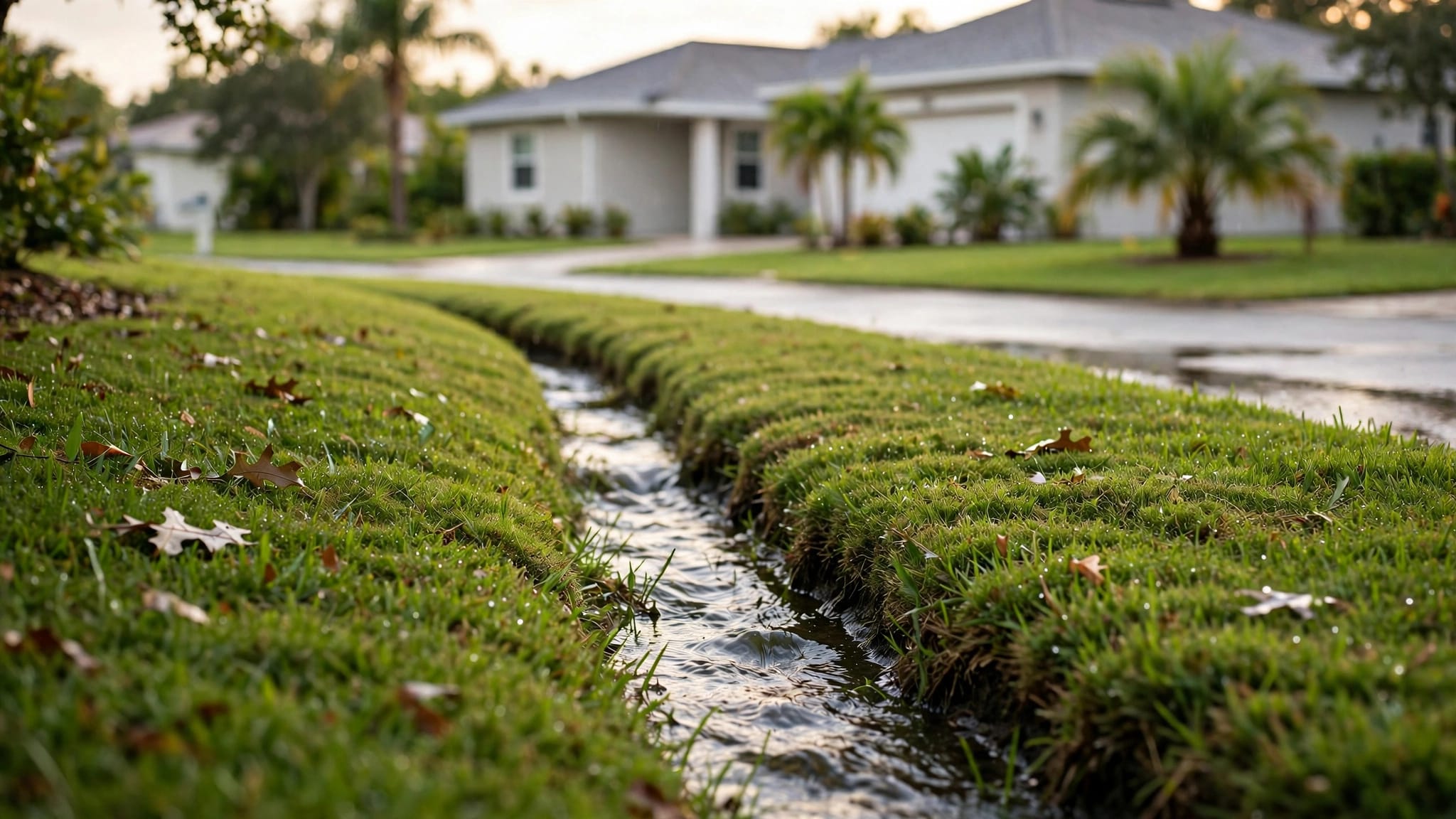
- Fix drainage before you plant. If water pools after rain, raise the bed or move the plant. Roots that sit in water struggle just as much as roots that dry out.
- Protect against weather swings. Shade cloth can help during extreme heat, and frost cloth can help during a cold snap. Small steps matter when a new plant has no deep roots yet.
New plants also need a steady irrigation plan. A timer helps, but it does not replace a quick soil check with your finger or a trowel. If the root zone feels dry an inch below the surface, it needs water.
This is where patience pays off. A few extra days spent watching the forecast can save a shrub or palm from months of recovery. One rushed weekend can undo a lot of good work.
Planting around pavers, concrete, and turf
Many Cape Coral yards need more than plants. They also need patios, edging, drainage, and repairs that change how water and heat move across the property. A fresh slab from a concrete company can reflect more sun onto nearby beds, and that extra heat can dry the soil faster than you expect.
The same is true around pavers and turf. Paver cleaning and sealing can splash runoff into a new bed if the plants sit too close. Even artifical turf can change the temperature at the edge of a planting strip, especially in full sun.
That is why the order of work matters. Grade the yard first, settle the drainage next, and then place shrubs and palms where they have room to grow. If the project includes both hardscape and plant work, the layout should leave space for roots, airflow, and easy watering.
Good landscaping is not only about what looks nice on day one. It also has to work when the rain stops, the sun gets hot, and maintenance starts to pile up.
Conclusion
The best time to plant shrubs in Cape Coral is usually the cooler stretch from late fall through early spring. Palms have a wider window, but late spring and early summer give them the smoothest start.
If you miss that window, the planting can still succeed with the right care. Water deeply, mulch correctly, and pay attention to drainage, heat, and cold snaps. Those details matter more here than almost anywhere else.
Cape Coral rewards timing. Give roots mild weather and steady moisture, and your plants have a far better chance of settling in for the long haul.