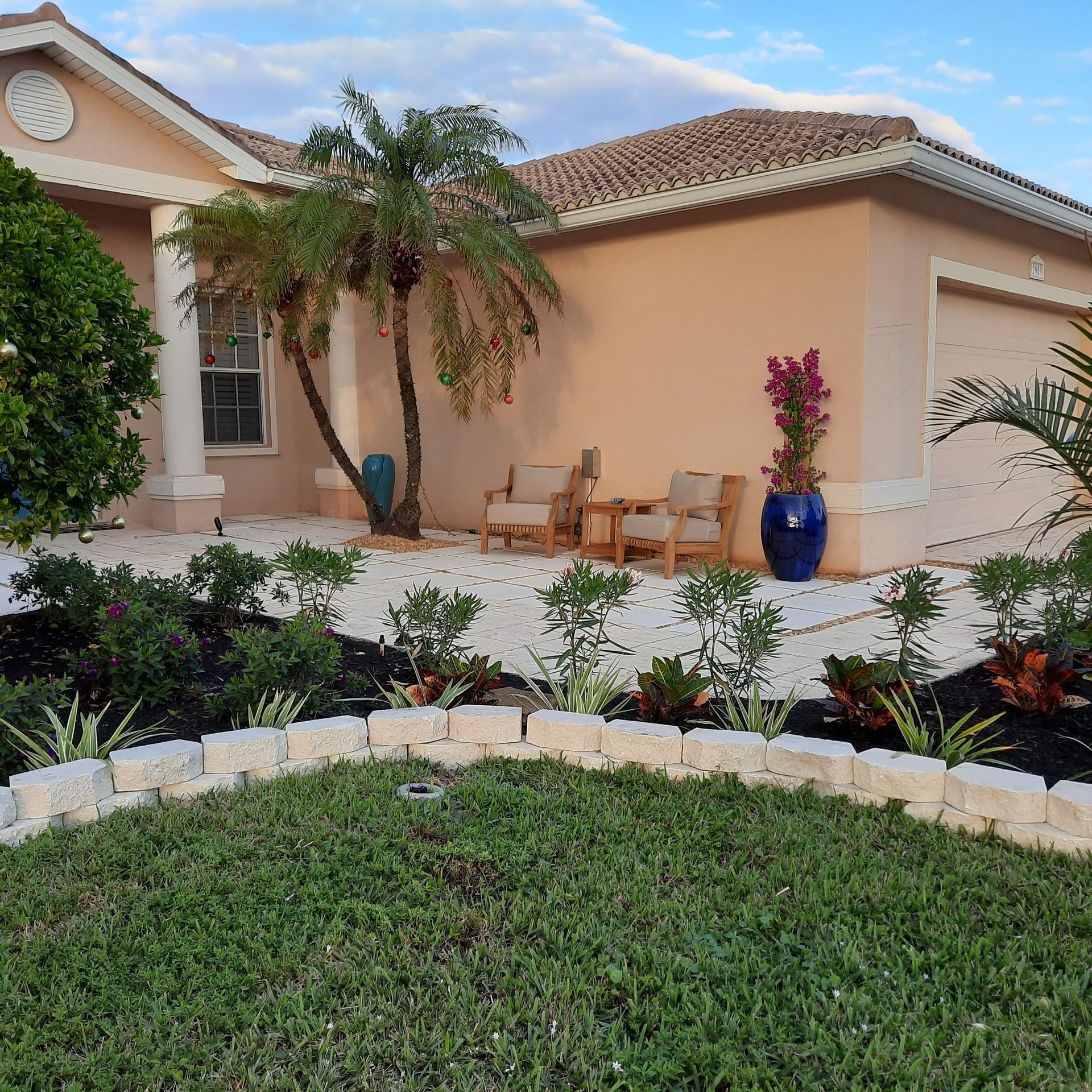



Best Low-Maintenance Plants for Cape Coral Rentals
A vacation rental yard in Cape Coral has to look good on arrival day and still look good after a week of heat, salt air, and missed rain. That means every plant has to earn its place.
The right low maintenance plants Cape Coral owners choose can cut watering, trim chores, and the cleanup guests notice most. They also help your landscaping stay neat around pools, lanais, and walkways.
If you're building the beds from scratch, professional landscape design and installation can help you place the right plants before the irrigation and edging go in. The goal is a yard that looks finished without constant attention.
What Cape Coral rental yards need from plants
Cape Coral yards deal with strong sun, sandy soil, and long dry stretches. Vacation homes add another layer, because the yard may sit empty between bookings. A plant that needs weekly pruning or careful spraying can turn into a headache fast.
The best rental yard is the one guests notice for its look, not for the chores it creates.
For rental homes, plant choice is about more than color. You want steady shape, low litter, and roots that stay where they belong. Heavy fruit, sticky blooms, and thorny stems cause trouble near pools and patio furniture. So do plants that drop leaves in piles every time the wind picks up.
A smart Cape Coral planting plan also works with the rest of the property. If the home already has a clean patio, pavers, or a concrete border, the plants should frame those spaces instead of fighting them. That is where simple, well-placed shrubs and grasses do their best work.
The right yard should also hold up when the owner is not there. Remote management is easier when the plants do not need constant hand-holding. That means fewer special feeding schedules, less rescue watering, and less cleanup after storms. It also means fewer guest complaints about overgrown beds or messy walkways.
Plants that handle heat, salt, and missed watering
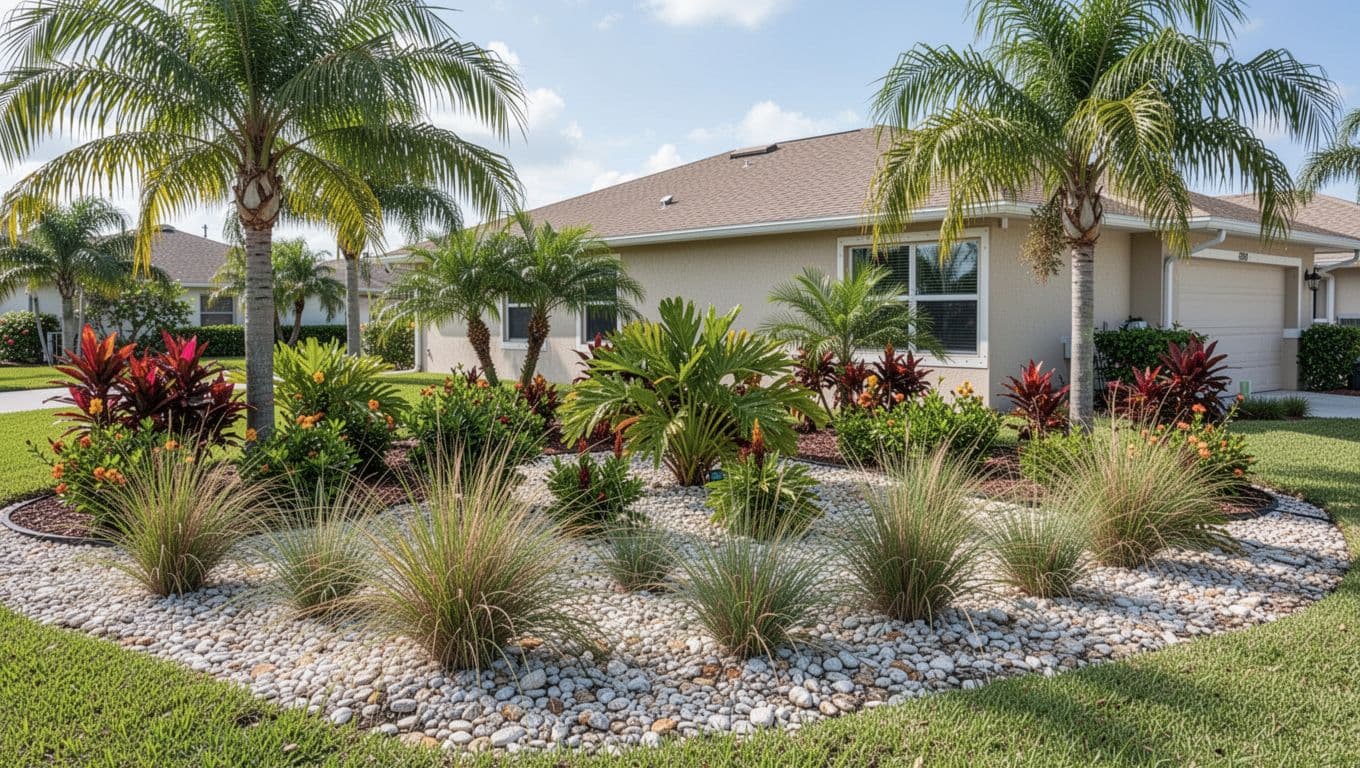
The most useful plants for vacation rentals are the ones that stay neat with little help. They should hold their shape, look good through the seasons, and avoid creating a mess on patios or in pool areas.
| Plant | Why it works | Best placement |
|---|---|---|
| Dwarf yaupon holly | Evergreen, tidy, and easy to shape | Entry beds, low hedges, and side yards |
| Simpson's stopper | Dense native shrub with a clean look | Screening near walls or property lines |
| Muhly grass | Soft movement, low water use, and light cleanup | Bed edges, corners, and sunny front yards |
| Bromeliads | Bright color and a neat form | Shaded lanais, porch beds, and accent spots |
| Firebush | Heat-tolerant color that draws attention | Front beds and open spaces with room to grow |
| Coontie | Slow growth and strong drought tolerance | Dry spots away from pet paths |
Dwarf yaupon holly is one of the easiest shrubs for a rental home. It stays compact, tolerates clipping, and keeps its green color through the year. Simpson's stopper gives a more natural look, which works well if you want privacy without a tall screen.
Muhly grass adds movement without adding work. It looks soft in the wind and gives the yard a polished feel. Bromeliads are useful near lanais because they keep their shape and do not spill petals across the deck. Firebush brings bright color, and it handles the heat well, but it can grow faster than the others. A quick trim now and then keeps it in check.
Coontie is tough and slow-growing, which is perfect for low-touch beds. Still, it should stay away from pet areas, since many vacation homes welcome dogs. If pets are part of your rental setup, choose non-thorny plants and keep toxic varieties out of reach.
Some owners also use artifical turf, stone, or mulch strips to reduce mowing and keep beds clean between stays. That works well as long as the planting plan stays simple. The yard should look calm, not crowded.
How to place plants around pools, lanais, and pavers
Placement matters almost as much as the plant itself. A great shrub in the wrong spot can still cause work. Around pools and lanais, the best plants are the ones that stay low, shed little, and leave space for guests to walk without brushing against them.
Start with the edges. Keep the messier growth farther from the pool deck and outdoor furniture. Use grasses and compact shrubs where guests see the yard first, then place tougher accent plants in side beds or behind a wall. This keeps the view open and cuts down on leaf litter in the water.
Stone mulch and clean edging also help. They make the beds look sharp and reduce weeds, which matters when the property sits vacant. If your yard already has pavers, the plant plan should support easy paver cleaning . Loose berries, sticky blooms, and heavy leaf drop make maintenance harder than it needs to be.
If you need new borders or a patio edge, a concrete company can help create crisp lines that separate planting beds from walking areas. That keeps roots out of high-traffic zones and makes the whole yard feel more finished. Clean edges also help the landscaping read as intentional, not overgrown.
A few simple placement rules go a long way:
- Keep low, tidy plants near the pool and lanai.
- Put taller shrubs where they frame the home, not block it.
- Leave enough space for maintenance access.
- Avoid thorny or messy plants near guest seating.
- Match the planting style to the hardscape, not against it.
That mix gives you curb appeal without constant cleanup. It also keeps the yard easier to manage if you live out of town.
Simple upkeep that works for remote owners
Even low-care plants need a little attention. The trick is keeping that attention simple. A vacation rental does best with a small routine that can be handled in one visit or by a local service.
A good maintenance plan usually includes:
- Checking irrigation after heavy rain or long dry spells.
- Trimming shrubs lightly before guest turnover.
- Clearing fallen leaves and flowers from pool edges.
- Pulling weeds before they spread through mulch or stone.
- Walking the yard after storms to spot broken stems or leaning plants.
The timing matters too. Early morning watering helps plants use moisture well, and light pruning keeps beds neat without shocking the plants. During hurricane season, choose plants that bend rather than snap, and avoid oversized potted arrangements that can blow around the yard. Fast cleanup matters after strong wind, so simple shapes are easier to reset.
It also helps to think in layers. A clean bed can use one low shrub, one accent grass, and one small color plant. That mix gives the yard depth without turning it into a full-time job. Too many varieties usually mean too many care needs.
A rental yard should look cared for even when no one is there. The fewer special treatments your plants need, the easier that gets.
Conclusion
Cape Coral rental homes need plants that stay neat, hold up in heat, and don't create extra work between guest stays. The best low maintenance plants Cape Coral owners can use are the ones that fit the space, match the hardscape, and leave the pool and lanai free of constant cleanup.
Simple shrubs, grasses, and a few well-placed accents can keep the yard attractive without turning maintenance into a weekly chore. When the planting plan is calm and clean, the whole property feels easier to manage.
Guests notice that kind of care right away, even if they never stop to name the plants.