


Florida Irrigation Backflow Freeze Protection Guide
A brief Florida cold snap can crack an exposed irrigation backflow assembly before your lawn shows any damage. Proper irrigation backflow freeze protection keeps trapped water from expanding inside the device, shutoff valves, and test cocks.
In Fort Myers, Cape Coral, Estero, and Bonita Springs, freezes may be brief, but aboveground equipment can lose heat quickly. A cover helps, yet the safest plan also includes shutting off the irrigation branch, draining the assembly correctly, and preserving access for testing. Start with the device itself, then prepare the surrounding yard.
Why Southwest Florida Freezes Demand Attention
Southwest Florida has long periods of mild weather, so many irrigation assemblies sit exposed through winter. When temperatures reach freezing, water trapped inside the backflow body or connected pipe expands. Brass components can split, plastic fittings may crack, and internal seals can stop holding pressure after the temperature rises.
The first visible clue may be a wet patch near a wall, a steady drip, or a sprinkler zone that loses pressure. Damage can also stay hidden until you restore the water supply. That delay makes a pre-freeze inspection valuable.
A backflow preventer protects your drinking water by stopping irrigation water from flowing backward into the home's potable plumbing. The assembly must remain installed, connected, and testable. Insulation protects the equipment, but it doesn't replace a working preventer or a required test.
If your irrigation system uses fertilizer injection, reclaimed water, or chemical treatments, take freeze damage seriously. A cracked or bypassed preventer can create a contamination risk as well as a repair bill.
Identify the Backflow Assembly Before Temperatures Drop
Begin by locating the irrigation backflow device. Many residential assemblies have two full-size shutoff valves, one on each side, along with small test cocks on the body. You may find the equipment near the water meter, beside the house, or close to an irrigation control area.
Pressure vacuum breakers, reduced pressure zone assemblies, and other devices don't all drain or operate the same way. Look for a manufacturer name and model number. Take a clear photo before changing any valve position, then check the installation manual or ask a qualified irrigation professional for the correct procedure.
The small test cocks are not ordinary hose faucets. They help a certified tester check pressure and valve performance. Never force a frozen test cock, pry it with a tool, or use pliers on a delicate handle. A damaged test cock can leak after the freeze passes.
Keep the shutoff valves and test cocks visible. Remove leaves and loose mulch around the assembly, but don't dig around buried piping unless you know its location. A backflow device needs enough room for inspection, repair, and testing.
Some Florida utilities and local authorities require periodic backflow testing. Local rules can also affect who may repair or test an assembly. If you can't identify the device or its shutoff, stop before making changes and contact a qualified professional.
How Irrigation Backflow Freeze Protection Works
Effective irrigation backflow freeze protection has three parts: reduce the water inside the vulnerable assembly, slow heat loss, and keep every required control accessible.
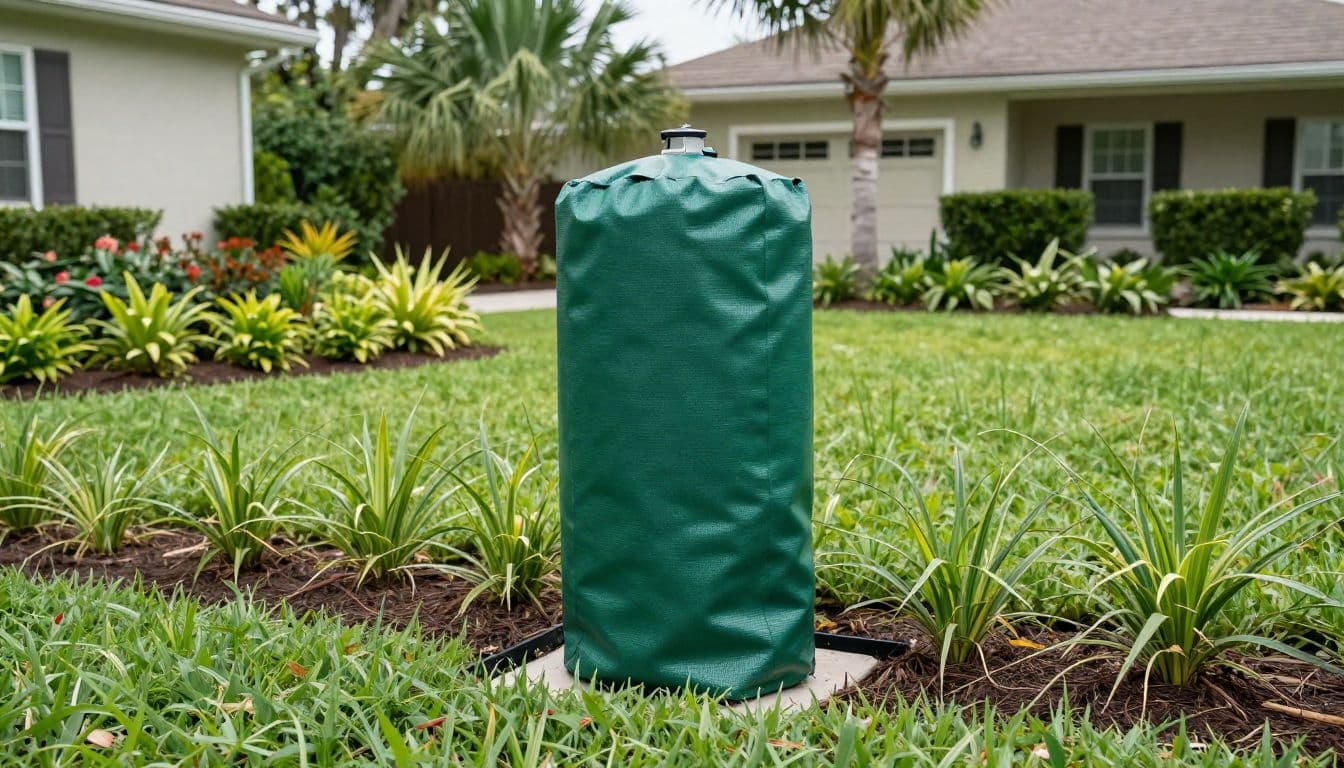
Use this preparation checklist before a predicted freeze:
- Check the forecast and locate the irrigation shutoff before the coldest night. Don't wait until the assembly is already frozen.
- Pause the irrigation controller so it won't call for a watering cycle while the supply is closed. A controller setting doesn't protect the backflow device by itself.
- Close the shutoff on the irrigation branch if your equipment instructions allow it. Avoid closing the home's main drinking-water supply unless a professional tells you to do so.
- Drain the assembly according to the manufacturer's instructions. Some devices require a particular shutoff and test-cock position. If you don't know the correct sequence, have a professional handle this step.
- Cover the device with a removable, weather-resistant insulated cover designed for outdoor plumbing. The cover should fit around the assembly without crushing handles, valves, or test cocks.
- Protect exposed pipe near the preventer as well. Use suitable outdoor pipe insulation, and secure it without placing weight on the assembly.
- Check that a relief outlet or air inlet can operate as designed. A reduced pressure zone assembly must have room to discharge water safely. Never seal or obstruct that opening.
An insulated cover slows heat loss, but it doesn't produce heat. During a longer or harder freeze, ask a qualified professional whether an approved heat cable or other listed protection fits your specific assembly. Any electrical product must be rated for outdoor use and installed according to its instructions.
A protective cover should come off easily when the assembly needs inspection. If removing it requires tools or disturbing the valves, it is blocking service access.
Freeze Protection Mistakes That Can Damage the Device
Wrapping the assembly tightly in plastic can trap moisture and hide a leak. Plastic alone also provides little insulation. Use a removable cover with enough room for the equipment, then check it after rain or irrigation work.
Wet towels, blankets, and cardboard are poor long-term choices. They can hold moisture against metal parts and may freeze around the valves. If you use temporary insulation during an unexpected cold snap, remove it after the threat passes and let the area dry.
Keep open flames, propane heaters, heat guns, and incandescent work lights away from the assembly. These methods can melt plastic, scorch nearby materials, or start a fire. Never pour boiling water over a frozen device because a sudden temperature change can worsen a crack.
Avoid burying the backflow preventer under mulch, soil, or decorative stone. Landscaping should frame the assembly, not hide it. Likewise, don't build a box that blocks the relief discharge or prevents a tester from reaching the test cocks.
A bypass creates a serious cross-connection risk. Don't remove the preventer, connect the irrigation line directly to potable piping, cap a relief outlet, or alter the valves to keep irrigation running. If the device freezes, leave the irrigation supply off until someone can inspect it.
Finally, don't force handles that won't move. Frozen valves can break internally even when the outside handle appears sturdy.
Post-Freeze Inspection Checklist for Florida Homeowners
Wait until the assembly and nearby pipe have fully thawed before testing the system. Operating a frozen valve or pressurizing frozen water can turn a small problem into a split fitting or failed body.
Use this post-freeze inspection checklist:
- Look for cracks, bulges, split unions, loose threaded connections, and damaged pipe near the device.
- Check beneath the assembly for fresh water, steady dripping, or an unusual wet area.
- Inspect the shutoff handles and test cocks for breaks, bends, or missing caps.
- Confirm that the cover hasn't pressed against a relief valve, air inlet, or discharge opening.
- Restore water slowly, following the device instructions. Watch every connection as pressure returns.
- Pause if water sprays, the body leaks, or a valve handle shifts without controlling flow.
- Run a short irrigation cycle only after the assembly remains dry and stable under pressure.
- Arrange repair and any required backflow testing before returning the system to normal use.
If you find a leak, close the irrigation shutoff and keep the system out of service. Don't wrap the damaged area with tape and assume it will hold. A temporary patch doesn't restore backflow protection.
Repair costs vary with the failed valve, fitting, access, and labor. Outdoor Life Pros provides a useful local guide to irrigation repair costs in Cape Coral, including common issues with leaks, valves, and sprinkler zones.
Protect Backflow Access During Yard Improvements
Freeze preparation becomes harder when a remodel hides the backflow assembly. New landscaping should leave the device visible and reachable. Keep mulch, stone, plants, and edging away from the shutoffs and test cocks.
Before a concrete company pours a patio, walkway, or slab nearby, show the crew the irrigation layout. Concrete should never surround the assembly or cover a shutoff that a technician may need during an emergency. If the project changes grades, confirm that runoff won't collect around the device.
Artificial turf also needs careful planning near irrigation equipment. Installers should preserve access to the assembly and avoid trapping drainage water against exposed piping. During paver cleaning, keep high-pressure spray away from test cocks, relief outlets, and fragile connections.
Paver installations, outdoor kitchens, and new drainage work can all change access. Before work begins, photograph the assembly and mark its location on the project plan. Ask the contractor to preserve the clearance required by the manufacturer and local utility.
For broader irrigation, paver, and yard improvements, homeowners can review Outdoor Life Pros' full-service landscaping and paver services before planning work around the assembly.
Reduce the Chance of Repeat Freeze Damage
After the cold weather passes, improve the setup before the next forecast. Mark the irrigation shutoff, keep the model information with your home records, and replace damaged insulation. A removable protective enclosure may help if the device sits in a windy or exposed location, but it must not block testing or discharge.
Schedule a professional inspection when the assembly has frozen more than once, shows corrosion, or sits where water collects. Relocating exposed piping may reduce future risk, but that work should follow local requirements and the device manufacturer's specifications.
A short pre-freeze routine can also prevent confusion. Check the forecast, pause the controller, confirm the shutoff, and inspect the cover before temperatures fall.
Conclusion
Florida freezes may last only one night, but trapped water can damage an irrigation backflow assembly long after the cold leaves. The strongest protection combines correct draining, a removable insulated cover, safe valve handling, and clear access for inspection.
Keep the preventer connected and functional, never bypass it, and don't force frozen test cocks or valves. With a simple preparation routine and a careful post-freeze inspection, your irrigation system can protect your water supply and continue supporting a healthy yard.